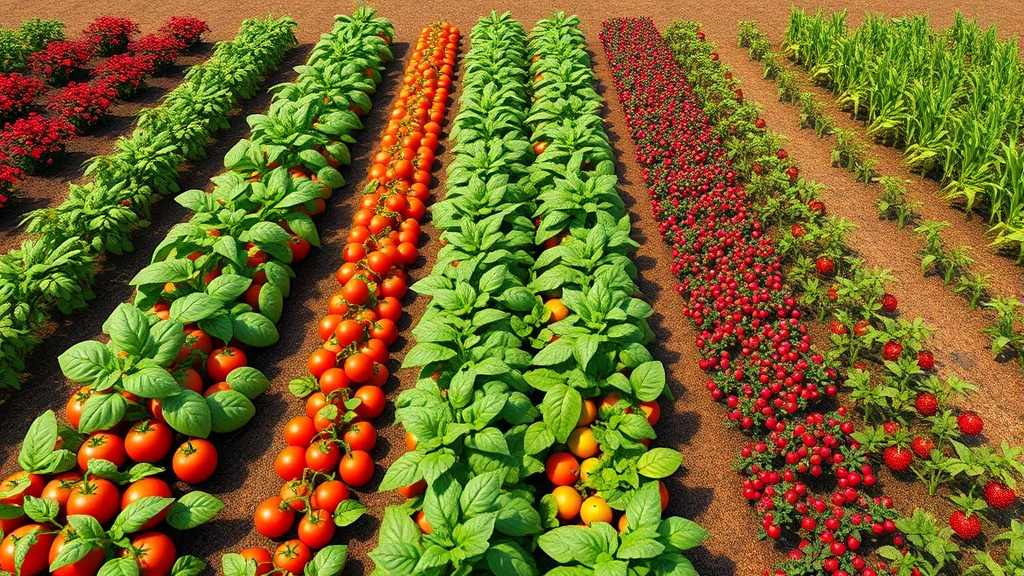
Feeding NPC in Grow a Garden: Complete Gamer’s Insights Guide
Grow a Garden is a delightful idle farming simulation game that combines relaxing gameplay with strategic resource management. One of the most engaging features is the ability to interact with NPCs (non-player characters) who populate your garden world. Understanding how to properly feed these characters not only enhances your gameplay experience but also unlocks valuable rewards, special interactions, and progression opportunities that can significantly boost your garden’s development.
The NPC feeding system in Grow a Garden operates as a core mechanic that encourages players to diversify their crop production and engage with the game’s economy. Whether you’re a casual player just starting your first garden plot or an experienced farmer looking to optimize your NPC interactions, mastering the feeding mechanics will transform how you approach daily tasks and long-term planning.
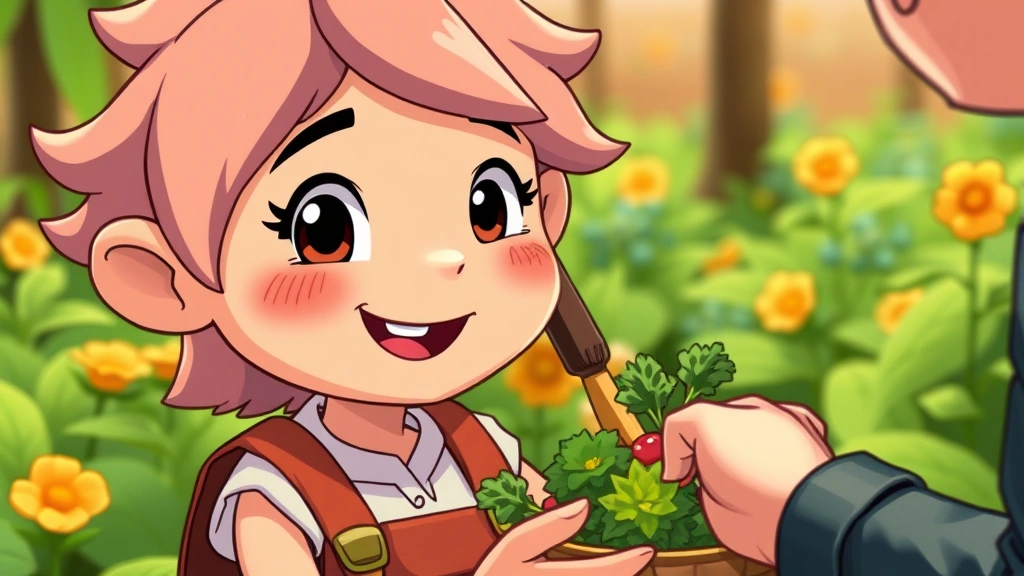
Understanding NPC Feeding Basics
The foundation of NPC feeding in Grow a Garden begins with understanding the fundamental mechanics. NPCs in your garden require regular nourishment, and you’re responsible for providing appropriate food items from your harvest. Each NPC has distinct preferences, and meeting these preferences generates happiness points, experience, and exclusive rewards that cannot be obtained through other gameplay methods.
When you approach an NPC with food in your inventory, the interaction becomes straightforward: select the character, choose the food item from your available crops, and complete the feeding action. The game immediately provides feedback through visual animations and reward notifications, showing you exactly what benefits you’ve earned. This immediate gratification system encourages players to maintain consistent feeding schedules and experiment with different food combinations.
The feeding system ties directly into broader game progression. As you feed NPCs regularly, they develop relationships with your character and unlock new dialogue options, story elements, and special events. Some NPCs even become involved in the Grow a Garden updates that introduce seasonal events and new gameplay features, making their satisfaction directly relevant to accessing limited-time content.
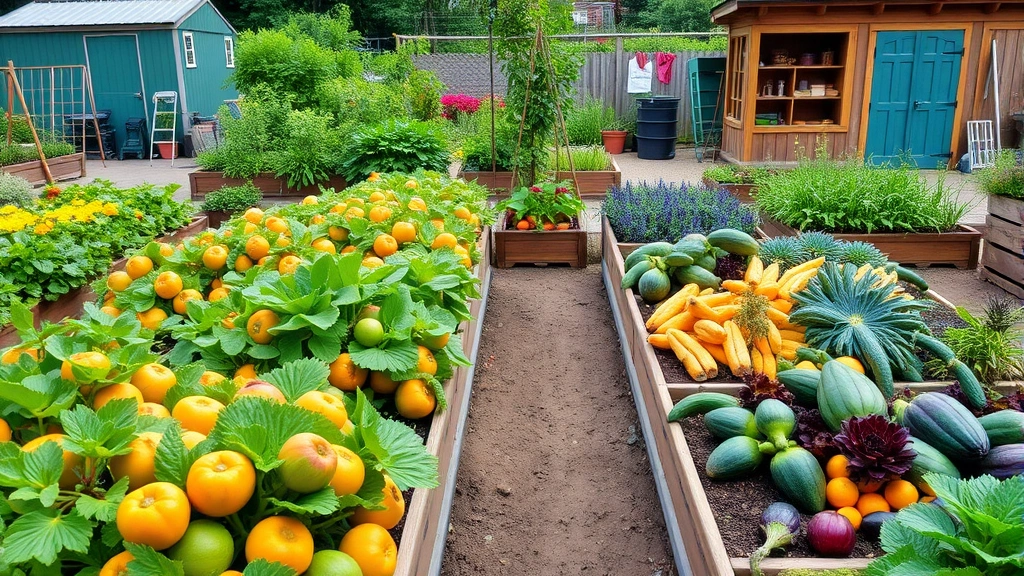
Types of Foods NPCs Prefer
Not all foods are created equal in Grow a Garden’s NPC system. The game features a diverse array of crops, each with unique properties that appeal to different NPCs based on their personalities and preferences. Understanding these categories helps you prioritize your planting decisions and maximize your feeding efficiency.
Vegetables form the foundation of most NPC diets. Carrots, lettuce, tomatoes, and bell peppers are early-game staples that most NPCs accept with moderate happiness bonuses. These crops grow relatively quickly, making them reliable options for consistent feeding schedules. Vegetables typically provide steady baseline rewards without extraordinary benefits, making them perfect for maintaining basic NPC satisfaction.
Fruits occupy a special category that appeals to NPCs with sweeter dispositions. Berries, apples, oranges, and melons generate stronger happiness responses from certain characters. Fruit crops often require longer growth periods and more careful planning, but the enhanced rewards justify the investment. Some rare NPCs exclusively prefer fruit-based diets, making fruit production essential for completionist players.
Grains and legumes represent the hearty options in your feeding arsenal. Wheat, corn, beans, and rice appeal to hardworking NPCs with practical personalities. These crops often yield multiple harvests per growth cycle, providing consistent supply for regular feeding. Grains typically unlock specific quest rewards related to community projects and infrastructure improvements.
Specialty crops are rare, high-value items that create extraordinary happiness spikes when fed to compatible NPCs. These might include exotic fruits, premium vegetables, or seasonal crops that only appear during specific time periods. Specialty crops often require advanced farming techniques, specific environmental conditions, or completion of prerequisite tasks, making them valuable for players seeking maximum engagement.
The tools in the garden you’ve collected can influence which food types you can grow effectively. Certain tools accelerate growth for specific crop categories, allowing you to optimize your feeding schedule around the NPCs you interact with most frequently.
Crop Selection and Growth Timing
Strategic crop selection forms the backbone of efficient NPC feeding. Before planting, assess which NPCs you plan to interact with during the coming days and weeks. This forward-planning approach prevents you from harvesting crops only to discover they don’t match your target NPCs’ preferences.
Growth timing represents a critical consideration often overlooked by casual players. Each crop has a specific maturation period, ranging from minutes to hours depending on the crop type and your farming level. Understanding these timelines allows you to stagger plantings so you always have appropriate food available when NPCs visit your garden or when you initiate interactions.
Consider implementing a crop rotation system where you divide your garden beds raised sections into zones dedicated to different food categories. This organization method ensures you maintain diverse food stocks without overcrowding your garden or running out of essential items. A well-organized garden reduces the time spent searching for appropriate foods during NPC interactions.
Seasonal awareness impacts crop availability significantly. Some foods only grow during specific seasons, requiring you to plan ahead and build stockpiles before seasonal transitions. The bloom mutation grow a garden feature introduces additional complexity by occasionally producing rare crop variants with enhanced properties, making seasonal planning even more rewarding for attentive players.
Premium fertilizers and growth accelerators dramatically reduce maturation times, allowing you to respond quickly to NPC preferences. However, these resources are limited, so use them strategically on high-preference crops or when preparing for special NPC events.
Harvesting and Preparation Strategies
The harvesting phase directly impacts your ability to feed NPCs consistently. Establish a daily harvesting routine that checks all mature crops and collects them into your inventory. Many experienced players set phone reminders or use the game’s notification system to ensure they don’t miss harvest windows, as unharvested crops eventually decay or become less nutritious.
Inventory management becomes increasingly important as your garden expands. Each food item occupies inventory space, and carrying too many items can slow your movement and reduce your ability to collect new items. Develop a system where you store excess crops in garden storage structures or dedicated inventory slots, keeping your active inventory focused on foods you’ll use immediately.
Freshness matters in Grow a Garden’s feeding system. Recently harvested crops provide superior happiness bonuses compared to older stored items. Plan your feedings to use fresh harvests whenever possible, saving stored crops for emergency situations or when fresh options aren’t available. This mechanic encourages regular harvesting and consistent player engagement.
Some NPCs respond more enthusiastically to prepared foods or processed items rather than raw crops. If your garden includes cooking facilities or food preparation stations, consider transforming raw vegetables and fruits into prepared dishes. These processed foods often generate significantly higher happiness bonuses, though they require additional resources and time investment.
NPC Preferences and Personality Traits
Each NPC in Grow a Garden possesses a distinct personality that directly influences their food preferences. Understanding these personality archetypes helps you predict preferences for new NPCs and optimize your feeding strategy across your entire NPC network.
Adventurous NPCs crave exotic and specialty foods. They’re often unimpressed by common vegetables but become delighted when you offer rare crops or prepared delicacies. These characters drive you toward advanced farming techniques and endgame content, as satisfying them requires significant effort and resource investment.
Practical NPCs prefer hearty, reliable staples like grains and legumes. They’re satisfied by consistent, regular feeding and don’t require special treatment. These characters make excellent targets for new players since their preferences align with early-game crops that are simple to grow and harvest.
Sweet-toothed NPCs gravitate toward fruits and dessert-like foods. They become particularly excited during seasonal events when special fruit variants appear. Building strong relationships with these NPCs unlocks fruit-themed quests and rewards.
Ambitious NPCs seek foods associated with power and prestige. They prefer premium crops, specialty items, and foods that require significant effort to obtain. These characters often serve as end-goal NPCs that provide ultimate rewards upon reaching maximum relationship levels.
The relationship mechanic extends beyond simple happiness points. As you consistently feed an NPC their preferred foods, they develop affection toward your character and may unlock special gifts, exclusive dialogue, or unique gameplay features. Some NPCs even influence broader game systems—satisfying certain characters might unlock new farming tools or garden expansion options.
Rewards and Benefits System
Understanding the reward structure motivates consistent NPC feeding and helps you prioritize which NPCs deserve your most valuable crops. The benefits system operates on multiple levels, from immediate gratification to long-term progression advantages.
Happiness points represent the immediate feedback from feeding NPCs. Higher happiness translates directly into experience gains, currency rewards, and occasional item drops. These immediate rewards reinforce the feeding action and provide tangible benefits that enhance your overall garden progression.
Relationship levels accumulate as you feed NPCs repeatedly over time. Each level unlock provides increasingly valuable rewards, from cosmetic items to functional gameplay enhancements. Maximum relationship levels often grant exclusive access to special NPCs or unlock entirely new game areas.
Quest progression frequently involves NPC feeding. Specific quests might require you to feed particular NPCs certain foods, driving you to expand your crop diversity and engage with the farming system more deeply. Completing NPC-related quests provides substantial rewards that accelerate your overall progression.
The how much is junkbot worth in grow a garden consideration becomes relevant when certain NPCs offer valuable trades or exchanges. Building strong relationships with high-value NPCs ensures you can access their exclusive trading opportunities and special items.
Some NPCs provide passive benefits that improve your garden’s efficiency simply by maintaining their happiness above certain thresholds. These benefits might include crop growth acceleration, increased harvest yields, or reduced resource consumption for various farming activities.
Advanced Feeding Techniques
Once you’ve mastered basic NPC feeding, advanced techniques allow you to extract maximum value from the system and achieve specialized goals. These strategies require deeper game knowledge and careful planning but provide extraordinary rewards.
Synchronized feeding involves timing multiple NPC feedings to occur simultaneously, creating bonus multipliers or triggering special events. Some games reward players for feeding multiple NPCs within short time windows, providing exponential happiness and reward increases. Mastering this technique requires precise planning and quick execution.
Preference prediction develops as you gain experience with individual NPCs. After feeding an NPC specific foods multiple times, you begin anticipating their reactions and can predict which new crops they’ll enjoy. This intuition allows you to make educated guesses when introducing unfamiliar foods, reducing wasted resources on incompatible pairings.
Seasonal specialization focuses your farming efforts on seasonal crops that provide maximum satisfaction during specific time periods. Rather than maintaining year-round diversity, concentrate on whichever crops are currently optimal, then transition your garden as seasons change. This approach maximizes efficiency while maintaining the seasonal gameplay variety.
Relationship stacking prioritizes building maximum relationships with a select group of NPCs rather than spreading your efforts across everyone. This focused approach generates more substantial rewards from your target NPCs while allowing others to remain at moderate satisfaction levels. This strategy suits players with specific end-game goals.
The junkbot value grow a garden mechanics might tie into advanced feeding by allowing you to trade NPC rewards for exclusive items or currency. Understanding these trading systems reveals additional value in maintaining high NPC satisfaction levels.
Consider implementing automation strategies where you set up garden systems that handle routine harvesting and storage, freeing you to focus on strategic NPC interactions rather than tedious resource management. Many experienced players develop elaborate organizational systems that minimize daily time investment while maximizing rewards.
External resources can enhance your understanding of advanced techniques. The Oregon State University Extension Service provides horticultural insights that, while focused on real gardening, offer useful organizational principles applicable to game systems. Similarly, consulting Gardeners’ World resources about crop planning can inspire strategic approaches to virtual farming.
FAQ
What happens if I don’t feed an NPC regularly?
NPCs whose happiness drops below certain thresholds may become unavailable for interactions, stop providing passive benefits, or even leave your garden entirely in some cases. Consistent feeding maintains relationship levels and ensures NPCs remain engaged with your garden. However, occasional lapses won’t cause permanent damage—resuming regular feeding gradually restores their happiness.
Can I feed NPCs the same food repeatedly, or do they get bored?
While NPCs don’t technically “get bored,” they provide significantly higher happiness bonuses when fed foods they particularly prefer. Feeding them varied foods keeps interactions engaging and maximizes rewards. Some games include diminishing returns for repeated identical feedings, encouraging dietary diversity.
Are there any foods that all NPCs enjoy?
Most games include universal staple foods that every NPC accepts with baseline happiness. These foods serve as safety options when you’re unsure about individual preferences. However, these universal foods never provide maximum happiness bonuses—specialized foods always outperform generalist options.
How do I discover what each NPC prefers?
Through experimentation and observation, you’ll learn preferences. Feed an NPC various foods and note their happiness responses. The game typically provides visual or audio feedback indicating preference levels. Additionally, NPC dialogue often hints at their preferences, and community guides document most NPCs’ favorite foods.
Can I prepare foods in bulk to save time on daily feeding?
Most games allow you to stockpile prepared foods, though freshness bonuses may apply. Preparing foods in advance saves time during busy periods but sacrifices the freshness bonus. Balance your approach based on whether you prioritize maximum rewards or convenient time management.
What’s the best strategy for new players starting NPC feeding?
Begin by growing diverse crops including vegetables, fruits, and grains. Feed different NPCs with different foods to discover their preferences. Focus on building relationships with NPCs whose rewards align with your current progression goals. As you advance, specialize in high-preference foods and optimize your feeding schedule.


