Best Fertilizers for Growth? Gardener’s Choice Guide
Feeding your garden is one of the most critical yet misunderstood aspects of plant cultivation. Whether you’re nurturing vegetable beds, ornamental flowers, or a thriving landscape, understanding how to properly nourish your plants determines the difference between mediocre growth and exceptional results. This comprehensive guide explores the best fertilizers available, helping you select the perfect feeding strategy for your garden’s unique needs.
The right fertilizer acts as a catalyst for vigorous plant development, stronger root systems, and abundant harvests. From organic compost to synthetic formulations, each option offers distinct advantages depending on your gardening philosophy, plant types, and soil conditions. We’ll break down the science behind plant nutrition and provide practical recommendations for immediate implementation.
Understanding Plant Nutrition Basics
Plants require three primary macronutrients to thrive: nitrogen (N), phosphorus (P), and potassium (K). These elements form the NPK ratio displayed on every fertilizer package, indicating the percentage concentration of each nutrient. Beyond these primary nutrients, plants also need secondary nutrients like calcium, magnesium, and sulfur, plus micronutrients including iron, zinc, and manganese.
Soil testing reveals your garden’s current nutrient status, eliminating guesswork from feeding decisions. Most extension services offer affordable soil analysis that identifies deficiencies and recommends appropriate fertilizer types. Before applying any fertilizer, understanding your soil’s pH level and existing nutrient composition prevents waste and environmental harm.
The nutrient cycle operates naturally in healthy ecosystems, but garden cultivation disrupts this balance. Regular harvesting removes nutrients from soil, rainfall leaches minerals downward, and plant decomposition doesn’t occur quickly enough to replenish resources. Strategic fertilization restores this balance, maintaining productive growing conditions year after year.
Organic Fertilizers vs Synthetic Options
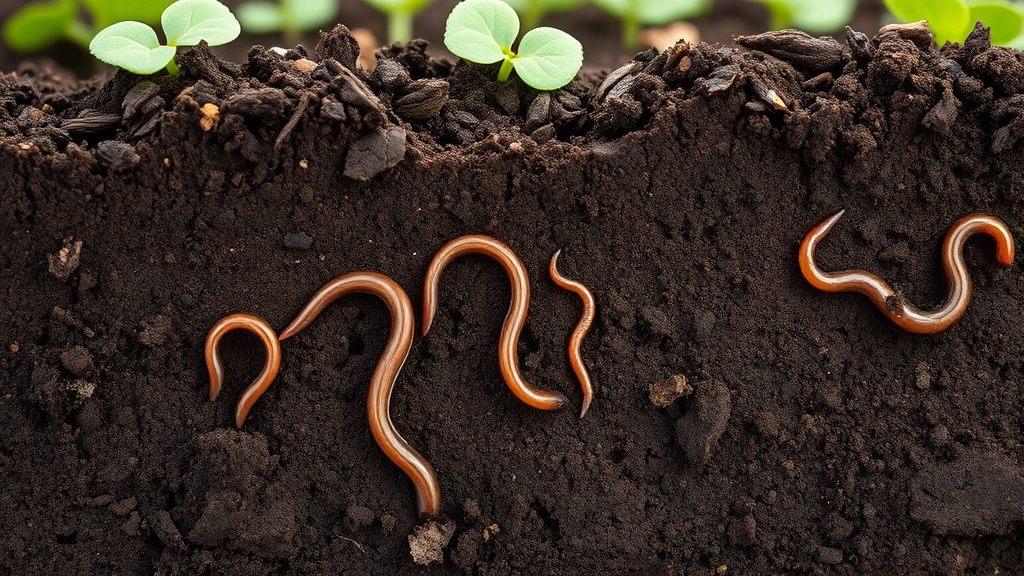
Organic fertilizers derive from natural sources like animal manure, plant materials, and mineral deposits. These products release nutrients slowly as soil microorganisms break them down, providing steady feeding over extended periods. Organic options improve soil structure, enhance microbial activity, and build long-term fertility. Popular organic choices include compost, aged manure, bone meal, fish emulsion, and seaweed extracts.
Synthetic fertilizers contain manufactured chemical compounds that dissolve readily in soil water, delivering nutrients immediately to plant roots. These fast-acting formulations suit situations requiring rapid nutrient availability, such as correcting severe deficiencies or feeding heavy-feeding crops. However, synthetic options don’t improve soil structure and require more frequent applications throughout the growing season.
Many successful gardeners employ a hybrid approach, combining composting and raised garden beds with strategic synthetic applications. This balanced method leverages organic matter’s soil-building benefits while providing quick nutrient boosts when plants need them most. Your garden’s specific conditions, plant types, and personal preferences should guide this decision.
Nitrogen, Phosphorus, and Potassium Explained
Nitrogen (N) drives leafy growth and vibrant green coloration. This element supports chlorophyll production and protein synthesis, essential for vigorous vegetative development. Nitrogen moves readily through soil, making it prone to leaching, which necessitates regular replenishment. Vegetable crops, ornamental foliage plants, and grass lawns all benefit from adequate nitrogen availability.
Phosphorus (P) strengthens root development, promotes flowering, and enhances fruit production. This nutrient moves slowly through soil, so incorporating it deeply during bed preparation proves more effective than surface applications. Phosphorus also improves stress tolerance and disease resistance, making it invaluable during transplanting and establishment phases.
Potassium (K) regulates water movement within plants, strengthens cell walls, and improves overall plant vigor. Adequate potassium enhances disease and pest resistance while improving fruit quality and flavor. This nutrient supports balanced growth, preventing excessive vegetative growth at the expense of flowering and fruiting.
Understanding these nutrient roles helps select appropriate fertilizers for specific gardening goals. Lawn fertilizers emphasize nitrogen for green growth, while flowering plant formulations highlight phosphorus and potassium to promote blooms. Reading NPK ratios on fertilizer labels enables informed selection tailored to your plants’ developmental stage.
Best Fertilizers by Plant Type
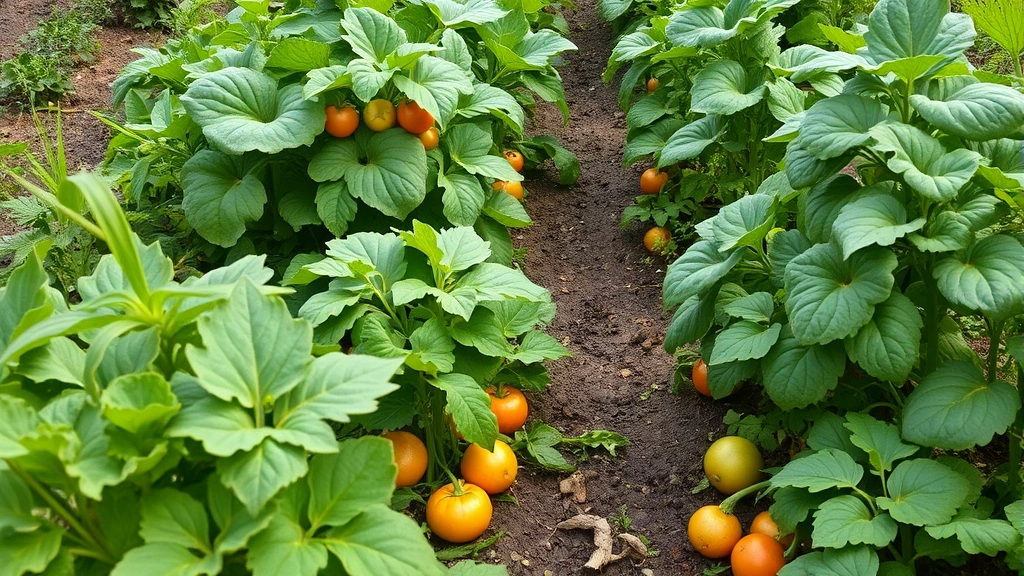
Vegetable Gardens: Most vegetables thrive with balanced fertilization combining all three primary nutrients. Tomatoes, peppers, and cucumbers benefit from consistent feeding throughout the growing season, while leafy greens like lettuce and spinach need primarily nitrogen. Side-dressing with compost every 3-4 weeks sustains productivity, or apply diluted liquid fertilizer weekly during peak production.
Fruit Trees and Bushes: Established fruit trees require primarily potassium and phosphorus to encourage flowering and fruiting. Apply fertilizer in early spring before growth begins, avoiding excessive nitrogen that promotes leafy growth at the expense of fruit development. Young trees need more balanced nutrition to establish strong root systems before fruiting.
Flowering Plants: Ornamental flowers respond beautifully to phosphorus-rich fertilizers that encourage abundant blooms. Roses, tulips, dahlias, and perennials benefit from feeding when growth begins and again at mid-season. Visit a WRAL Azalea Garden to observe how professional horticulturists feed ornamental plants for maximum floral display.
Lawns and Turf: Grass requires nitrogen-heavy fertilization to maintain dense, green coverage. Apply lawn fertilizer in spring and fall when growth rates peak, following local guidelines to prevent nutrient runoff into waterways. Organic lawn fertilizers release slowly, reducing burn risk and supporting beneficial soil organisms.
Succulents and Cacti: These drought-tolerant plants need minimal fertilization, thriving in nutrient-poor soils. If feeding becomes necessary, use diluted, low-nitrogen formulations applied sparingly during the growing season. Over-fertilizing succulents promotes excessive soft growth vulnerable to rot and pest damage. A cactus garden demonstrates how minimal feeding supports healthy specimen development.
Application Methods and Timing
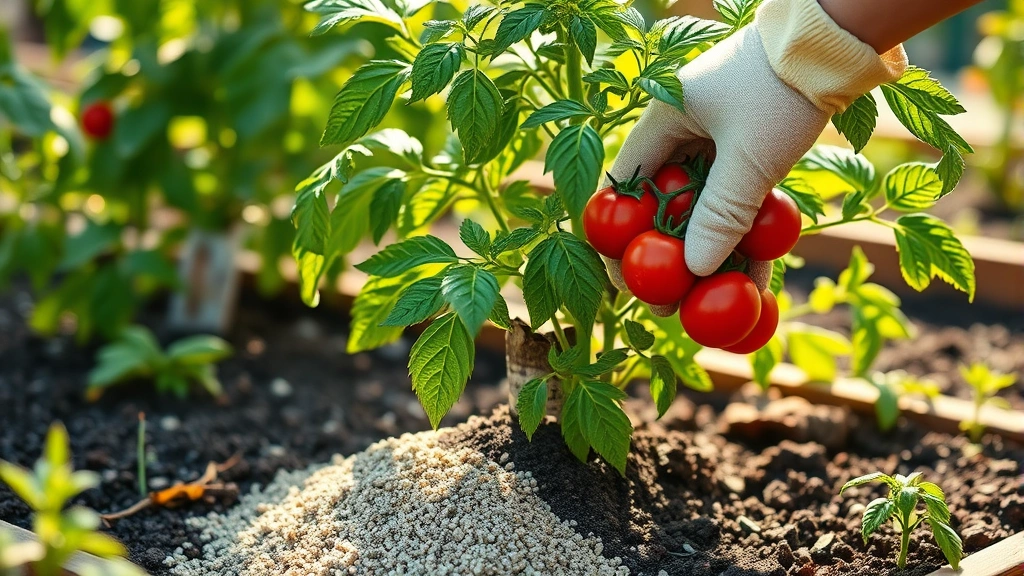
Granular Fertilizers: Dry granular products work well for general garden feeding, applied by sprinkling around plant bases and watering thoroughly. This method suits spring applications and mid-season feeding, providing steady nutrient release over weeks. Always follow package directions regarding application rates, as over-application damages plants and contaminates groundwater.
Liquid Fertilizers: Liquid concentrates dilute in water for immediate nutrient availability. These solutions work perfectly for container plants, fast-growing vegetables, and correcting nutrient deficiencies. Apply weekly or biweekly during active growth periods, following product instructions for dilution ratios. Fish emulsion and seaweed extracts are popular organic liquid options.
Foliar Feeding: Spraying diluted fertilizer directly on leaf surfaces provides rapid nutrient absorption, particularly beneficial for correcting micronutrient deficiencies. This method works best in early morning or evening when stomata are open, avoiding leaf burn from midday sun. Foliar feeding complements soil feeding rather than replacing it entirely.
Slow-Release Formulations: Coated granules or organic products break down gradually, providing consistent nutrition over months. These products reduce application frequency and minimize leaching losses, making them environmentally responsible choices. Slow-release fertilizers cost more initially but provide better long-term value through reduced application requirements.
Seasonal Timing: Spring feeding jumpstarts growth as plants emerge from dormancy, while summer applications support continued productivity. Fall feeding, particularly for trees and perennials, strengthens root systems before winter dormancy. Avoid fertilizing dormant plants or applying nitrogen in late summer, which stimulates tender growth vulnerable to frost damage.
Budget-Friendly Fertilizing Solutions
Creating your own compost represents the most economical long-term fertilizing strategy, transforming kitchen scraps and yard waste into black gold. Composting in raised garden beds integrates soil improvement with composting convenience, maximizing space efficiency. Well-made compost provides balanced nutrition while dramatically improving soil structure and water retention.
Grass clippings, leaves, and plant trimmings become valuable fertilizer resources when properly composted. Layer brown materials (dry leaves, straw) with green materials (grass clippings, vegetable scraps) in a 3:1 ratio, keeping the pile moist and turning occasionally. Finished compost reaches gardening readiness within 3-6 months, depending on management intensity.
Manure from herbivores like horses, chickens, and rabbits provides nitrogen-rich nutrition when aged properly. Fresh manure burns plants, so compost it for at least six months before garden application. Aged manure combines beautifully with other compost materials, creating superior soil amendments that feed plants while building fertility.
Kitchen scraps including eggshells (calcium), coffee grounds (nitrogen), and banana peels (potassium) contribute to balanced compost nutrition. Avoid meat, dairy, and oils that attract pests and create odor problems. Collecting scraps in countertop containers makes composting convenient while reducing kitchen waste heading to landfills.
Grass clippings from unmowed areas contain significant nitrogen, making excellent mulch for vegetable gardens when applied in thin layers. Fallen leaves provide free organic matter that enriches soil as it decomposes. These free resources, properly managed, reduce or eliminate commercial fertilizer expenses while building sustainable garden ecosystems.
Common Fertilizer Mistakes to Avoid
Over-Fertilizing: Excessive fertilizer application damages plants through salt accumulation, causing leaf burn and root injury. More isn’t better—follow package directions precisely and resist the temptation to increase application rates. Over-fertilized plants often produce excessive foliage at the expense of flowers and fruit, while becoming more susceptible to pest and disease problems.
Applying to Dry Soil: Fertilizer applied to dry soil remains unavailable to plant roots and risks burning foliage if it contacts leaves. Always water garden beds thoroughly before applying fertilizer, activating nutrients and distributing them through the root zone. For granular applications, water again afterward to ensure complete dissolution and root penetration.
Ignoring Soil Tests: Applying fertilizer without knowing your soil’s actual nutrient status wastes money and risks environmental contamination. Phosphorus over-application, common in gardens receiving regular fertilization, accumulates in soil and runs off into waterways, causing algae blooms and fish kills. Soil testing eliminates guesswork and ensures responsible nutrient management.
Wrong Timing: Applying nitrogen in late summer or fall stimulates tender growth that frost kills, weakening plants for winter. Similarly, fertilizing dormant plants in winter provides no benefit while risking nutrient leaching into groundwater. Match fertilizer applications to growth periods when plants can utilize nutrients effectively.
Neglecting Micronutrients: Focusing exclusively on NPK while ignoring calcium, magnesium, and trace elements creates nutritional imbalances. Yellowing leaves between veins often indicate iron deficiency, while blossom-end rot signals calcium insufficiency. Comprehensive fertilizers address these secondary and micronutrient needs, promoting balanced plant health.
When establishing new garden accessories and infrastructure, incorporate quality soil amendments simultaneously. This foundation-building approach prevents future nutrient problems while reducing long-term fertilizer requirements. Proper initial soil preparation trumps corrective feeding later, making upfront investment worthwhile.
FAQ
What’s the difference between organic and synthetic fertilizers?
Organic fertilizers derive from natural sources and release nutrients slowly as soil microorganisms break them down, improving soil structure over time. Synthetic fertilizers contain manufactured chemicals that dissolve quickly, delivering immediate nutrient availability. Both have advantages—organic builds long-term fertility while synthetic addresses acute deficiencies rapidly.
How often should I fertilize my garden?
Fertilization frequency depends on plant type, soil conditions, and fertilizer formulation. Vegetables in raised beds often need feeding every 3-4 weeks, while established trees may only need spring applications. Slow-release fertilizers require less frequent application than liquid options. Always follow product instructions and adjust based on plant appearance and growth rates.
Can I use too much compost?
Unlike commercial fertilizers, compost rarely causes nutrient burn when applied excessively. However, very thick compost layers can create drainage problems or nutrient imbalances. Generally, applying 2-3 inches of finished compost annually maintains soil fertility while improving structure. More isn’t always better—moderation ensures balanced soil development.
What does NPK mean on fertilizer labels?
NPK represents nitrogen (N), phosphorus (P), and potassium (K) percentages by weight. A 10-5-5 fertilizer contains 10% nitrogen, 5% phosphorus, and 5% potassium. The remaining percentage includes filler and other nutrients. Understanding these ratios helps select appropriate fertilizers for specific plants and growth stages.
Is liquid or granular fertilizer better?
Neither is universally superior—each suits different situations. Liquid fertilizers work quickly for container plants and correcting deficiencies, while granular products provide steady long-term feeding. Slow-release granulars reduce application frequency, while liquids allow precise dosing. Many gardeners use both strategically throughout the growing season.
When should I fertilize newly planted trees and shrubs?
New transplants benefit from balanced, diluted fertilizer applications starting 4-6 weeks after planting, once roots establish. Avoid high-nitrogen formulations that stimulate excessive foliage at the expense of root development. Focus on phosphorus and potassium to strengthen root systems, gradually transitioning to maintenance feeding in subsequent years.
How do I know if my plants need fertilizer?
Stunted growth, pale or yellowing leaves, and reduced flowering indicate possible nutrient deficiencies. However, similar symptoms can indicate water stress, pest damage, or disease, so diagnosis requires careful observation. Soil testing provides definitive answers, while monitoring plant appearance throughout the season helps identify problems early.


