Table of Contents
Introduction
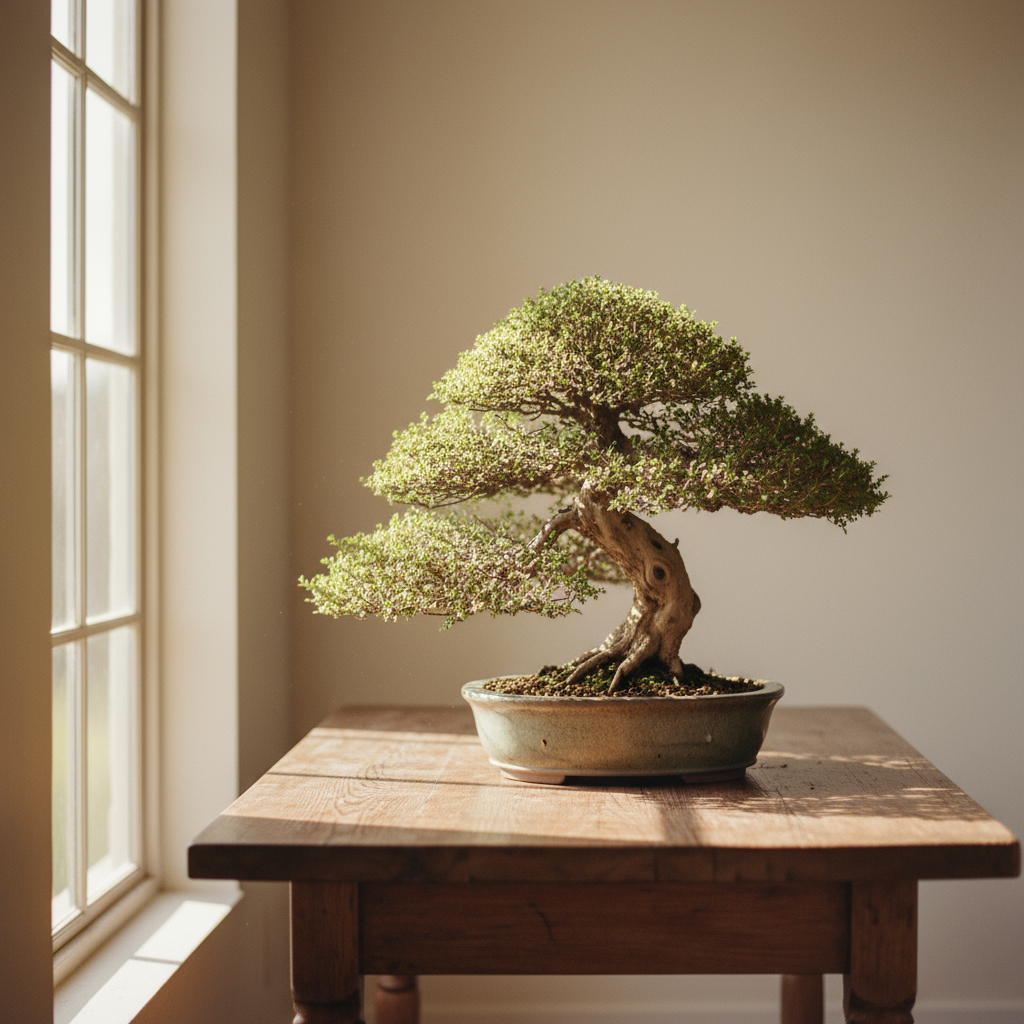
Picture this: a perfectly miniature tree sitting on your windowsill, its graceful branches telling a story centuries in the making. That’s the magic of bonsai. These aren’t just plants—they’re living sculptures that bring nature’s quiet wisdom right into your space. Ever wonder how something so small can feel so profound? The secret lies in understanding what these remarkable trees actually need to thrive.
Here’s what I love about bonsai: they teach you patience without you even realizing it. Sure, they’re absolutely stunning to look at, but there’s something deeper happening when you care for one. Maybe it’s the way they slow you down, or how they connect you to something ancient and peaceful. People around the world are discovering that bonsai aren’t just beautiful—they’re genuinely good for your soul. But (and this is important) they need proper care to flourish. If you’re new to this whole gardening thing, checking out some gardening tips for beginners might give you a solid foundation before diving into the bonsai world.
Now, let’s be real—bonsai care isn’t like watering your average houseplant. These little trees have personality. They’re particular about their soil, picky about their water, and surprisingly specific about their light. Think of it like this: if regular plants are like friendly golden retrievers, bonsai are more like sophisticated cats. They’ll reward your attention, but they want you to understand their language first. Want to expand your plant skills while you’re at it? Learning how to propagate plants can actually make you a better bonsai caretaker. The more you understand how plants work, the better you’ll get at reading what your bonsai is trying to tell you.
The thing about bonsai is they’re incredibly rewarding, but they can also break your heart if you’re not paying attention. Pests happen. Lighting goes wrong. Sometimes stress shows up in ways you didn’t expect. But here’s the good news: once you learn to spot trouble early, you’re golden. Interestingly, understanding concepts like gardening with native plants can actually help with bonsai care—it teaches you how plants naturally defend themselves and thrive in balanced environments. Plus, caring for bonsai naturally makes you more thoughtful about how you approach all your gardening. It’s like a masterclass in mindful plant care.
What You’ll Learn in This Guide
Ready to become a bonsai whisperer? This guide covers everything you need to know, whether you’re starting from scratch or looking to up your game.
- Understanding Bonsai Trees: We’ll break down what makes bonsai special, how indoor and outdoor varieties differ, and help you pick the perfect tree for your space and lifestyle.
- Basic Bonsai Care Requirements: Master the fundamentals—watering (it’s trickier than you think), lighting, soil selection, and feeding schedules that keep your tree happy and healthy.
- Pruning and Shaping Your Bonsai: Learn the art of pruning and wiring without fear. We’ll show you how to maintain your tree’s beauty while encouraging healthy growth.
- Common Bonsai Problems and Prevention: Become a detective for your tree’s health. Spot problems early, prevent issues before they start, and handle challenges like a pro.
In the sections ahead, we’re going to walk through each aspect step by step. No overwhelming jargon, just practical advice that actually works. You’ll also learn when it might be smart to call in expert help—because sometimes even the best of us need backup. By the time you’re done reading, you’ll have the confidence to make decisions that keep your bonsai thriving for years to come.
What’s really cool about diving deep into bonsai care is how it changes your entire approach to gardening. You start noticing details you never saw before. You develop instincts you didn’t know you had. And yes, you’ll definitely want to explore related techniques—like understanding raised bed gardening advantages—because the soil knowledge and plant health principles you learn there will make you even better at preparing the perfect environment for your bonsai.
At the end of the day, bonsai care is about so much more than keeping a plant alive. It’s art meets science meets a little bit of magic. Your bonsai becomes a reflection of your patience, your attention, and your growing expertise. And trust me—watching it evolve over months and years? That’s a satisfaction you can’t get from much else. Let’s dive in and start this beautiful journey together.
There’s something magical about bonsai trees—these tiny living sculptures that capture the essence of ancient giants in miniature form. But here’s the thing: they’re not just pretty decorations you can forget about on your windowsill. Bonsai need real care, the kind that comes from understanding what makes them tick. We’re talking about watering that hits the sweet spot, lighting that keeps them happy, soil that actually works, and pruning that brings out their natural beauty. Today, we’re diving into the two big areas that’ll make or break your bonsai journey: getting the basics right (because without those, nothing else matters), and mastering the art of pruning and shaping. Whether you’re just starting out or you’ve been at this for years, these fundamentals will help you grow bonsai that don’t just survive—they thrive with that graceful, timeless appeal that makes people stop and stare.
Basic Bonsai Care Requirements
Let’s start with the foundation—because without getting the basics right, even the most beautiful bonsai won’t make it past a few months. Every bonsai, no matter what species you’re working with, needs four things dialed in perfectly: water, light, soil, and food. Simple? Not quite. Here’s where it gets tricky. Watering is like walking a tightrope. Too much water and you’ll drown the roots (literally—they’ll rot). Too little and your tree becomes a crispy, sad version of itself. You need to become best friends with your soil moisture levels, checking them regularly because bonsai are surprisingly picky about this stuff. If you’re new to understanding how plants and soil work together, checking out some gardening tips for beginners can give you that solid foundation you need.
Now, lighting—this one’s huge. Think of light as your bonsai’s daily meal. Some species are sun worshippers that want direct light all day long. Others prefer the gentle, filtered light you’d find under a canopy. Get this wrong and you’ll see it fast: yellowing leaves, stunted growth, or branches reaching desperately toward any light source. If you’re keeping your bonsai indoors, you might need to get creative with supplemental lighting or find that perfect spot near a window. Then there’s soil and feeding. Regular potting soil? Forget about it. Bonsai need specialized mixes that drain well but still hold enough moisture and nutrients. And when it comes to fertilizing, think “little and often” rather than big doses. The goal is steady nutrition without overwhelming the roots. This connects beautifully with principles you’ll find in gardening with native plants, especially when it comes to understanding soil compatibility and what plants actually need to flourish.
Key Aspects of Basic Bonsai Care
These are the non-negotiables—the things you absolutely have to get right if you want your bonsai to thrive:
- Watering Frequency and Soil Moisture Monitoring: Check your bonsai’s soil every single day, especially when it’s warm outside. Stick your finger about an inch down—if it feels slightly damp, you’re good. Bone dry or soggy? Time to adjust. During summer, you might be watering daily. In winter, maybe once a week. Your bonsai will tell you what it needs.
- Lighting Conditions Tailored to Species: Outdoor bonsai generally love sunshine, while indoor varieties often prefer indirect light or need you to supplement with grow lights. Watch for warning signs: if leaves are turning yellow and dropping, or if your tree is stretching toward light sources, it’s time to make a change.
- Soil Composition and Drainage: Invest in proper bonsai soil mix—it’s worth every penny. This stuff drains quickly but holds just enough moisture. Regular garden soil will compact and suffocate your roots, which is basically a death sentence for bonsai. Good drainage isn’t optional; it’s survival.
- Balanced Fertilization Practices: Feed your bonsai during growing season (spring through early fall), but think gentle and consistent. Use diluted fertilizer—full strength can burn those delicate roots. Skip the winter feeding when your tree is basically taking a nap.
Once you’ve nailed these basics, you’ll notice something amazing happens. Your bonsai starts looking healthier, growing more predictably, and giving you fewer heart attacks. (Trust me, we’ve all been there with the “is my tree dying?” panic.) But here’s where the real fun begins—once your tree is healthy and stable, you can start shaping it into something truly spectacular.
Pruning and Shaping Your Bonsai
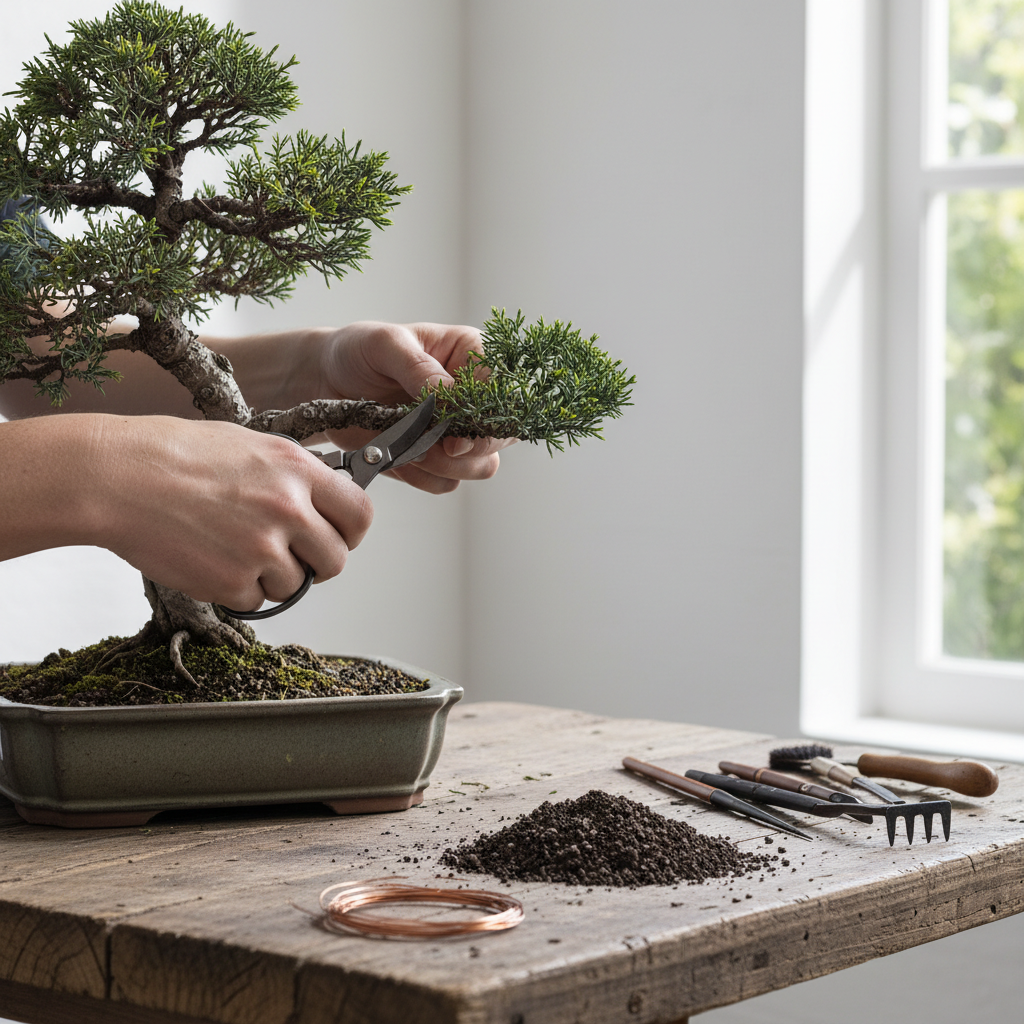
This is where bonsai care becomes art. Seriously. Pruning and shaping aren’t just about keeping your tree healthy (though they definitely do that)—they’re about bringing out the character hiding inside those branches. Every cut you make is a creative decision. Every wire you place is guiding your tree toward the vision you have in mind. Regular pruning does double duty: it keeps your bonsai’s growth in check while improving air flow through the branches, which keeps diseases at bay. Plus, removing dead or weak branches helps your tree put its energy where it counts. If you’re just starting out, focus on understanding when and where to cut. For those ready to level up, wiring techniques will open up a whole new world of possibilities. The principles here actually overlap nicely with how to propagate plants, since both involve understanding how plants respond to different types of manipulation and stress.
Wiring is like giving your bonsai a gentle, long-term hug that slowly guides it into the shape you want. You wrap soft wire around branches and carefully bend them into position. The key word here is “carefully”—you’re not forcing anything, just encouraging growth in a new direction. Do it wrong and you can damage the bark or weaken branches. Do it right and you’re literally sculpting living art. Combined with strategic pruning, wiring lets you create those flowing, naturalistic forms that make people go “wow, how did they do that?” It takes practice, patience, and a gentle touch, but the results are absolutely worth it.
Key Aspects of Pruning and Shaping
Here’s what you need to know to shape your bonsai like a pro:
- Basic Pruning Timing and Methodology: Prune during growing season when your tree can heal quickly and put out new growth. Use sharp, clean tools and make your cuts close to where branches meet—no ugly stubs allowed. Clean cuts heal faster and look better, which matters when every branch is on display.
- Appropriate Pruning Tools: Get yourself proper bonsai tools: sharp scissors for fine work, concave cutters for bigger branches, and various shears for different jobs. Keep them clean between cuts—disease spreads fast in the bonsai world. Good tools aren’t cheap, but they’ll last forever and make your work so much easier.
- Wiring Techniques to Train Branches: Start with soft aluminum or copper wire, wrapping it gently around branches in a spiral pattern. Think “snug but not tight”—you want to guide growth, not cut off circulation. Plan your wire placement before you start, and remember: you can always adjust as you go.
- Careful Monitoring to Avoid Damage: Check your wired branches regularly—weekly during growing season. If the wire starts cutting into bark, remove it immediately. The goal is to train the branch, then remove the wire once it holds its new position naturally. Leaving wire on too long creates permanent scars.
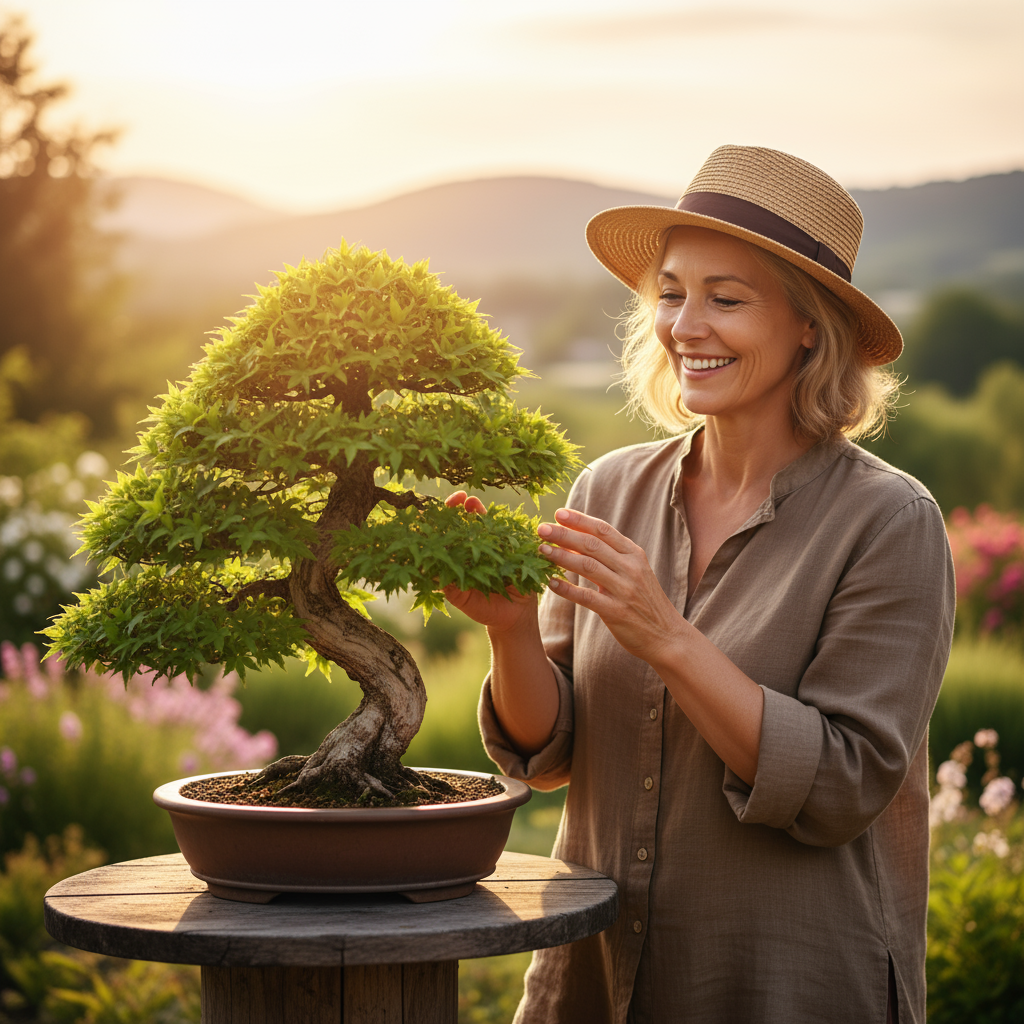
Bonsai trees? They’re living art. Pure and simple. These tiny trees pack centuries of patience and skill into every twisted branch and carefully shaped leaf. But here’s the thing—they won’t thrive on good intentions alone. You need to understand what makes each one tick, from getting the watering just right to giving them the perfect amount of light. And trust me, these aren’t your typical houseplants that forgive you for forgetting to water them for a week. Bonsai demand your attention. Soil quality, watering schedules, fertilization—everything matters. Get these basics down, and you’re setting yourself up for a healthy tree that’ll reward your efforts for years to come.
Now, here’s where things get really interesting. Caring for bonsai isn’t just about keeping them alive—it’s about shaping them into something beautiful. Pruning keeps your tree miniature while boosting its health (goodbye, dead branches). Wiring? That’s where the magic happens. You’re literally guiding branches into the exact shape you envision. Think of it as a gentle conversation between you and your tree. Both techniques need patience and perfect timing. Rush it, and you might damage your tree. But when you spot problems early—pests, diseases, stress—you can fix them before they become disasters. And hey, when you’re in over your head, don’t be too proud to ask a bonsai expert for help.
Let’s get practical for a moment. Daily soil checks are non-negotiable—your finger is your best moisture meter. Indoor trees often need grow lights (natural light alone usually isn’t enough). Get proper bonsai soil that drains well but holds just enough moisture. Feed them lightly but regularly during growing season—think of it as tiny, frequent meals rather than big feasts. When pruning, use clean, sharp tools and time your cuts right. Wiring requires a gentle touch and constant monitoring (you don’t want to strangle your branches). Keep your eyes peeled for unwanted visitors and temperature swings. Your bonsai will tell you what it needs if you know how to listen.
Ready to dive deeper? Start with gardening tips for beginners to nail down those plant care fundamentals. Want to multiply your collection? Check out how to propagate plants—it’s a game-changer for expanding your skills. And if you’re curious about working with plants that naturally love your local climate, gardening with native plants is worth exploring. Oh, and here’s something unexpected—drinking green tea while tending your bonsai? It’s the perfect mindful combo. Trust me on this one.
Look, bonsai care isn’t a sprint—it’s a marathon. Some days you’ll feel like you’re nailing it. Other days, you’ll wonder what you’ve gotten yourself into. That’s completely normal. What matters is showing up consistently, paying attention, and learning as you go. Your trees will teach you patience you never knew you had. And when you see that first new shoot or watch a branch grow exactly where you guided it? That feeling is absolutely worth every moment of care you’ve invested. You’ve got this.
Frequently Asked Questions
-
How often should I water my bonsai tree?
- Water when the soil feels slightly dry, usually every few days depending on species and environment.
-
Can bonsai trees be grown indoors?
- Yes, with proper lighting and humidity control, many bonsai species thrive indoors.
-
What is the best way to prune a bonsai tree?
- Use sharp tools to prune branches carefully, focusing on shape and health.
-
How do I prevent pests on my bonsai?
- Regularly inspect your tree and use appropriate treatments if pests are detected.
-
When should I repot my bonsai?
- Repot every 2-3 years or when roots become crowded to ensure healthy growth.