Garden Tips in San Jose: Local Expert Insight for Year-Round Growing
San Jose’s unique Mediterranean climate offers gardeners an exceptional opportunity to grow a diverse range of plants throughout the year. With mild winters and warm, dry summers, this Silicon Valley region sits in USDA hardiness zones 9b-10a, making it ideal for both novice and experienced gardeners. Whether you’re tending a small balcony garden or managing a sprawling backyard landscape, understanding the local growing season and climate patterns is essential for success.
The San Jose area experiences minimal frost, with average winter temperatures rarely dropping below 35°F. This means you can maintain a productive garden almost year-round, though spring and fall remain the prime planting seasons. Local gardeners enjoy advantages that gardeners in colder climates don’t have, including the ability to grow tender perennials, subtropical fruits, and heat-loving vegetables with relative ease. However, the region’s limited summer rainfall and intense afternoon sun present unique challenges that require thoughtful planning and water-conscious practices.
San Jose’s Climate Advantages for Gardening
San Jose’s Mediterranean climate is one of the most garden-friendly in California. The region receives approximately 15 inches of annual rainfall, concentrated primarily between November and March. This predictable dry season allows gardeners to plan irrigation schedules with precision and reduce fungal diseases that plague more humid climates. The moderate winter temperatures mean you won’t experience the hard freezes that damage tender plants in other regions.
One significant advantage is the extended growing season. While frost typically occurs between November and March, it’s usually light and infrequent. This allows gardeners to plant cool-season crops like leafy greens, broccoli, and cauliflower from September through February, then transition to warm-season vegetables by late March. The spring months (March-May) are particularly productive, with moderate temperatures and occasional rainfall supporting vigorous plant growth.
Summer heat in San Jose can be intense, with temperatures regularly exceeding 85°F and occasionally reaching the mid-90s. However, the low humidity prevents the oppressive conditions found in other parts of California’s Central Valley. This dry heat actually benefits many Mediterranean plants, succulents, and California natives that thrive in arid conditions. Understanding how to work with this heat—rather than against it—is key to summer gardening success.
Seasonal Planting Guide for the Bay Area
Spring (March-May): This is prime planting season in San Jose. Soil temperatures warm sufficiently for warm-season vegetables by late March. Plant tomatoes, peppers, eggplants, beans, squash, and cucumbers during this window. Herbs like basil, cilantro, and dill thrive when planted in spring. Ornamental annuals and perennials also establish quickly with the combination of warming soil and occasional spring showers. Late spring frost is rare after mid-April, making this the safest window for tender plants.
Summer (June-August): Once established, summer gardens require consistent watering but produce abundantly. Tomatoes, peppers, and squash reach peak productivity. However, starting new plants in peak summer heat is challenging. Instead, focus on maintenance, harvesting, and planning fall crops. Deadheading spent flowers encourages continued blooming in ornamental gardens. This is also when you should prepare beds for fall planting by amending soil and planning succession crops.
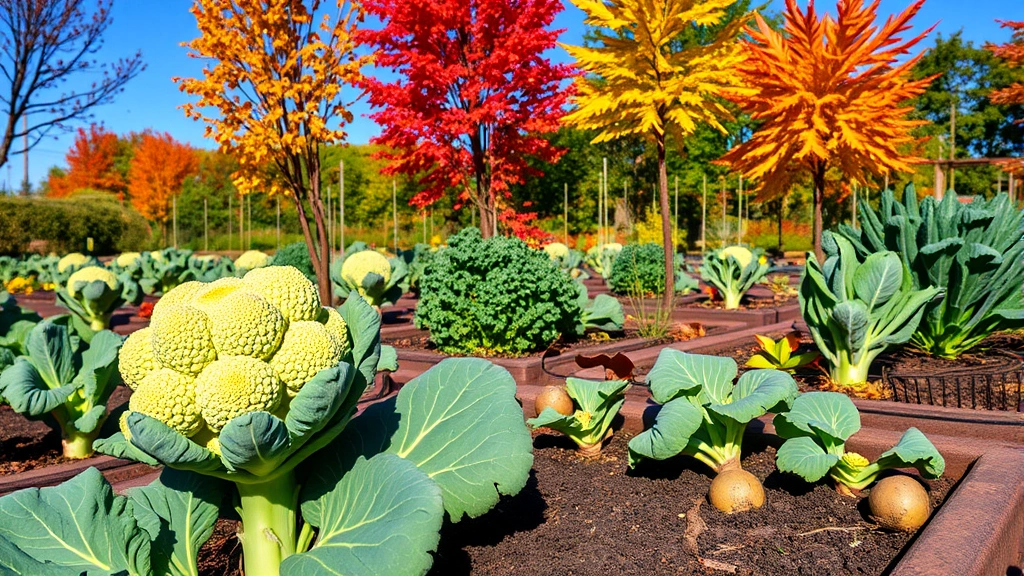
Fall (September-November): Many San Jose gardeners consider fall their favorite season. Temperatures cool to ideal growing conditions (70-80°F), and the occasional autumn rain provides natural moisture. This is the perfect time to plant cool-season vegetables including lettuce, spinach, kale, broccoli, cabbage, and root vegetables. Fall is also excellent for planting perennials, shrubs, and trees, as cooler temperatures and occasional moisture support root establishment. Plant spring-blooming bulbs in October and November.
Winter (December-February): While many gardeners slow down, winter is productive in San Jose. Cool-season crops planted in fall reach maturity. This is an excellent time for garden maintenance tasks: pruning deciduous trees and shrubs, adding compost and mulch, cleaning and sharpening tools, and planning next year’s garden. Winter rains reduce irrigation needs significantly. Protect tender plants with frost cloth during rare cold snaps, and avoid working in waterlogged soil.
Water Management and Drought-Resistant Strategies
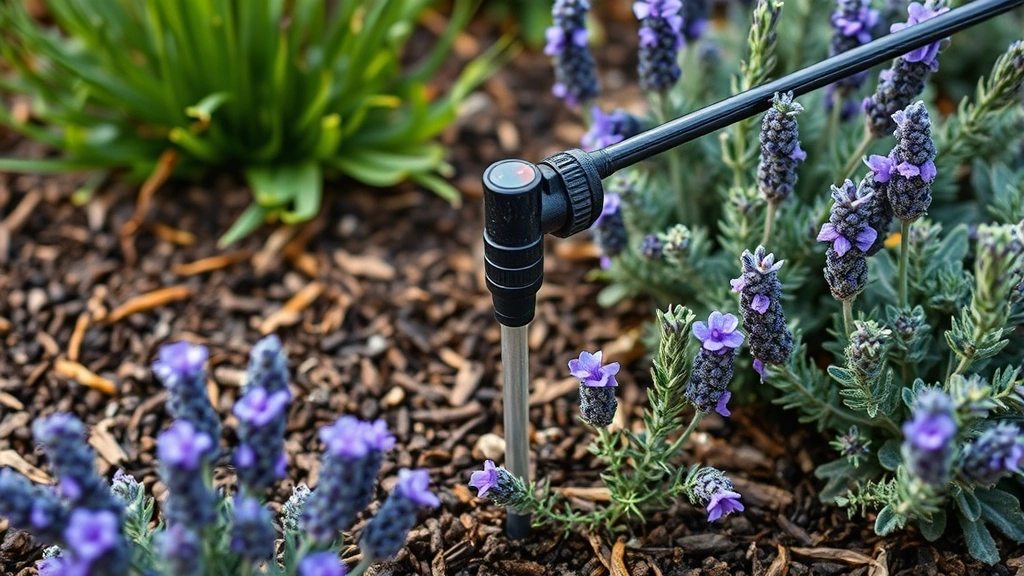
Water conservation is critical in San Jose’s dry climate. With California’s ongoing drought concerns, gardeners must adopt efficient irrigation practices. Drip irrigation systems deliver water directly to plant roots, reducing evaporation compared to overhead sprinklers. Installing a drip system with a timer ensures consistent moisture without waste. Soaker hoses offer a simpler, more affordable alternative for smaller gardens or raised beds.
Mulching is your most valuable water-conservation tool. A 2-3 inch layer of organic mulch (wood chips, straw, or compost) around plants moderates soil temperature, suppresses weeds, and reduces moisture loss by up to 70%. Apply mulch in spring and fall, keeping it several inches away from plant stems to prevent rot and pest issues.
Select drought-resistant plants that align with San Jose’s climate. California natives like ceanothus, manzanita, and California poppy require minimal supplemental water once established. Mediterranean plants including lavender, rosemary, sage, and santolina thrive in dry conditions. Succulents and ornamental grasses also excel in low-water landscapes. When designing garden decor and landscape features, incorporate hardscaping that reduces the overall water footprint.
Amend soil with compost to improve water retention. Healthy soil with high organic matter holds moisture more effectively than compacted, poor-quality soil. Adding 2-3 inches of compost annually builds soil structure and water-holding capacity. For vegetables and thirsty plants, consistent moisture is essential—aim for 1-2 inches of water weekly during the growing season, adjusting based on rainfall and temperature.
Consider implementing a rain garden to capture winter runoff. These shallow, planted basins capture roof and surface water, allowing it to infiltrate slowly into the soil. This reduces reliance on municipal water while providing plants with natural moisture and recharging groundwater.
Soil Preparation and Amendment
San Jose’s native soil varies significantly by neighborhood, but much of the region has clay-heavy or alkaline soil. Testing your soil’s pH and nutrient content through the UC Davis Soil and Plant Laboratory provides invaluable information for tailoring amendments. Most vegetables and ornamentals prefer slightly acidic to neutral soil (pH 6.0-7.0).
The most effective amendment is compost. Work 2-3 inches of high-quality compost into the top 8-10 inches of soil before planting. This improves drainage in clay soils, increases water retention in sandy soils, and adds beneficial microorganisms and nutrients. Aged manure is another excellent amendment, though fresh manure can burn plants and introduce pathogens. Apply compost annually to maintain soil health.
For alkaline soils common in San Jose, sulfur amendments can lower pH over time, though results take several months. For immediate relief, use chelated micronutrients (particularly iron) to prevent chlorosis in acid-loving plants like blueberries and hydrangeas. Alternatively, grow these plants in containers with acidic potting soil.
Raised garden beds offer an excellent solution for poor native soil. A raised garden bed filled with quality soil mix provides superior drainage, warmer soil temperatures in spring, and easier access for planting and harvesting. Elevated beds also protect plants from soil-borne diseases and allow you to customize soil composition perfectly.
Local Favorite Plants and Vegetables
San Jose gardeners have discovered which plants thrive in the local climate. Tomatoes are nearly universal—varieties like ‘Early Girl’, ‘Sungold’, and ‘San Marzano’ excel here. Peppers (both sweet and hot) produce abundantly in San Jose’s warm summers. Herbs flourish, especially Mediterranean varieties: rosemary grows into substantial shrubs, basil produces prolifically in summer, and sage and oregano become perennial fixtures.
Cool-season crops are equally successful. Leafy greens including lettuce, spinach, arugula, and kale thrive in fall and spring. Root vegetables like carrots, beets, radishes, and turnips grow well. Brassicas including broccoli, cauliflower, and cabbage reach impressive sizes in the cool season. Consider planting vegetables in raised garden beds for optimal control and productivity.
For ornamentals, roses flourish in San Jose’s dry climate with minimal disease pressure. Lavender, rosemary, and other Mediterranean shrubs create beautiful, low-maintenance landscapes. California natives like ceanothus, California poppy, and sage support local pollinators while requiring minimal water and care. Succulents thrive, from small sedums to large agaves and aloe.
Fruit trees are particularly rewarding. Citrus trees (lemon, orange, grapefruit) produce prolifically. Apple and stone fruit trees (peach, plum, apricot) do well, though you may need to provide chill hours for some varieties. Avocado trees grow successfully in protected microclimates. Berry plants including strawberries, raspberries, and blackberries produce abundantly in spring and summer.
Raised Garden Beds for San Jose Success
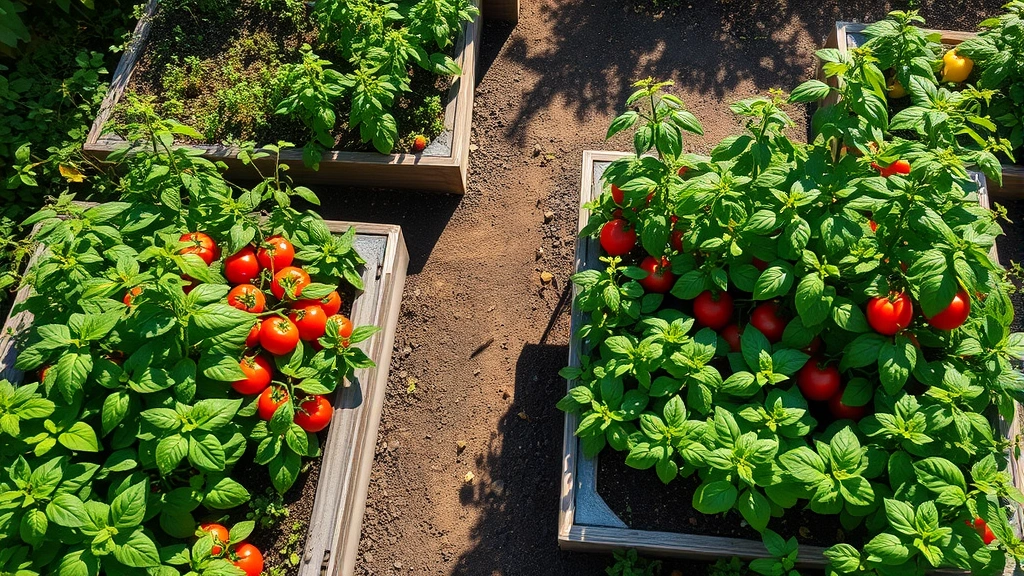
Raised beds are exceptionally popular in San Jose for excellent reasons. They warm up faster in spring, allowing earlier planting. They provide superior drainage crucial for preventing root rot in clay soils. They reduce bending and back strain while making gardening more accessible. When building a raised garden bed, use untreated wood (cedar or composite materials resist rot better than treated wood) or composite materials that won’t leach chemicals into soil.
A standard bed measuring 4 feet by 8 feet by 12 inches deep accommodates diverse plantings and is manageable for most gardeners. Fill with a mixture of topsoil (60%), compost (30%), and peat moss or coconut coir (10%) for excellent drainage and nutrient availability. This blend works well for both vegetables and ornamentals.
Position raised beds where they receive at least 6-8 hours of direct sunlight for vegetables, or 4-6 hours for leafy greens. Orient beds north-south if possible to ensure even sun exposure throughout the day. Space beds 2-3 feet apart to allow access for weeding and harvesting. Add garden border edging around beds to define spaces and prevent soil erosion.
Maintain raised beds by adding 1-2 inches of compost annually and replacing soil every 5-7 years as it compacts and nutrients deplete. This investment in soil quality pays dividends in productivity and plant health. Raised beds are ideal for growing both herb gardens and vegetable gardens in San Jose’s climate.
FAQ
What’s the best time to plant vegetables in San Jose?
Spring (late March through May) and fall (August through October) are ideal. Spring allows warm-season crops like tomatoes and peppers to establish before summer heat. Fall is perfect for cool-season vegetables that mature in mild winter temperatures. Summer planting is difficult due to intense heat; focus instead on maintaining established plants.
How often should I water my garden in San Jose?
During the dry season (May-September), most vegetables and ornamentals need 1-2 inches of water weekly, either from rainfall or irrigation. Adjust based on temperature and soil moisture. Check soil 2-3 inches deep; if dry, water deeply. During winter’s rainy season, reduce or eliminate supplemental watering. Mulch reduces watering frequency significantly.
Can I grow citrus trees in San Jose?
Absolutely. Lemon, orange, grapefruit, and tangerine trees thrive in San Jose’s climate. They’re relatively cold-hardy for the region and produce abundantly. Protect young trees during rare hard freezes. Provide full sun, well-draining soil, and occasional deep watering during dry periods. Mature trees are quite drought-tolerant.
What’s the biggest challenge for San Jose gardeners?
Water availability and management during the dry season is the primary challenge. Additionally, some gardeners struggle with clay soil and alkaline pH. Addressing these through soil amendment, drip irrigation, and mulching solves most problems. Summer heat can also stress tender plants without proper shading and hydration.
Should I use pesticides in my San Jose garden?
The dry climate naturally suppresses many fungal diseases, reducing pesticide needs. Focus on cultural practices: proper spacing for air circulation, removing diseased leaves, and encouraging beneficial insects. For persistent problems, use integrated pest management (IPM) strategies starting with the least toxic options. Consult UC Cooperative Extension for local pest guidance.
Are there local master gardener programs I can join?
Yes. The Santa Clara County Master Gardeners offers education, workshops, and community garden programs. They provide excellent local expertise specific to San Jose’s climate and conditions. Membership is free or low-cost, with training and volunteer opportunities available.
What native plants thrive in San Jose gardens?
California poppy, sage, ceanothus, manzanita, and California buckwheat are excellent natives. These require minimal water once established, support local pollinators, and create beautiful, sustainable landscapes. Check with the California Native Plant Society for comprehensive lists and sourcing native plants from local nurseries.


