Where to Find Garden Supplies: Local Expert Advice
Whether you’re cultivating a balcony herb garden or managing a sprawling backyard landscape, finding quality garden supplies is fundamental to your gardening success. The challenge many gardeners face isn’t just locating supplies—it’s identifying reliable sources that offer both quality products and knowledgeable guidance. From soil amendments to specialized tools, the garden supply landscape has transformed dramatically, offering both traditional brick-and-mortar options and convenient online alternatives that cater to every gardener’s needs.
Local garden centers remain invaluable resources for hands-on shopping, expert consultation, and seasonal availability. However, understanding where to source specific items—whether you need garden hose adapters for efficient watering or premium rain garden plants—requires knowing which retailers specialize in what. This comprehensive guide explores the best sources for garden supplies, helping you make informed purchasing decisions throughout the growing season.
Local Garden Centers and Nurseries
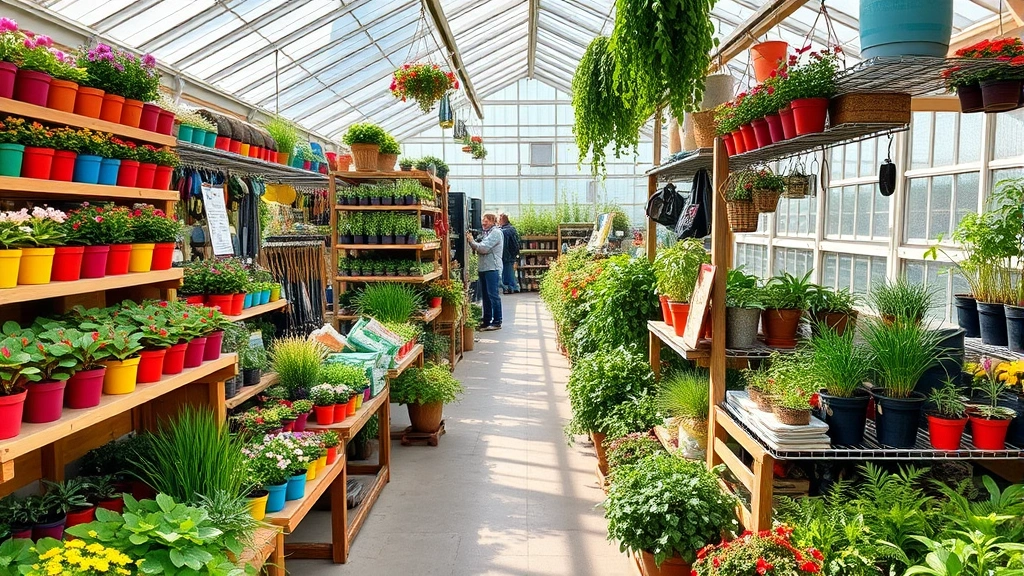
Local garden centers represent the gold standard for personalized gardening advice and quality plant selection. These independent businesses employ experienced horticulturists and master gardeners who understand your region’s climate, soil conditions, and growing challenges. When you visit a reputable local nursery, staff members can recommend plants suited to your specific hardiness zone and advise on soil preparation for success.
The advantages of shopping locally extend beyond product quality. Garden center employees witness seasonal patterns and can alert you to pest pressures, disease susceptibility, and optimal planting windows. They often carry regionally appropriate varieties unavailable through national chains. Additionally, purchasing from local businesses supports your community’s economy and reduces carbon emissions from shipping.
To find quality local suppliers, search for American Horticultural Society recommended nurseries, check your state’s cooperative extension office listings, or visit the Garden Centers of America directory. Many regions have master gardener programs that maintain curated lists of reputable suppliers. Building relationships with local garden center staff creates ongoing access to expert knowledge and potential discounts for loyal customers.
When evaluating local options, examine plant health closely. Healthy specimens display vibrant foliage without yellowing, wilting, or pest damage. Soil in containers should feel moist but not waterlogged. Staff should readily answer questions about plant care requirements and provide guarantees on plant survival. Premium pricing at local centers typically reflects superior plant quality and customer service you won’t find elsewhere.
Big-Box Retailers and Home Improvement Stores
Major retailers like Home Depot, Lowe’s, and Walmart offer convenience, competitive pricing, and extensive inventory. These establishments stock fundamental supplies: potting soil, fertilizers, basic hand tools, and seasonal plants. The primary advantage is accessibility—most neighborhoods have multiple locations with extended hours and diverse product ranges under one roof.
However, big-box garden sections present notable limitations. Plant quality varies significantly, as these retailers prioritize volume over horticultural expertise. Staff members often lack specialized training and may provide inaccurate care information. Seasonal plants frequently arrive stressed from transport and improper handling. Soil and fertilizer products may be lower quality than premium brands available through specialty retailers.
Big-box stores excel for purchasing non-perishable supplies: garden nets for pest protection, rabbit exclusion materials, landscape fabric, mulch, and structural items like raised bed kits. Their competitive pricing on commodity items like potting soil and fertilizer makes them ideal for large-scale projects requiring bulk quantities. Compare prices across locations, as individual stores negotiate inventory and pricing independently.
Strategic shopping at big-box retailers means knowing exactly what you need before arriving. Avoid impulse purchases of plants without researching their requirements. Inspect merchandise carefully—check soil moisture, examine plants for disease symptoms, and verify that tools aren’t damaged. Return policies at major retailers are generally favorable, so don’t hesitate to replace substandard products.
Online Garden Supply Sources
E-commerce has revolutionized garden supply shopping, offering unprecedented selection and convenience. Major online retailers including Amazon, Etsy, and specialty gardening websites deliver everything from seeds to structures directly to your doorstep. Online shopping eliminates travel time, enables price comparison across multiple vendors, and provides access to specialty items unavailable locally.
Reputable online sources include Burpee Seeds, Johnny’s Selected Seeds, Baker Creek Heirloom Seeds, and region-specific nurseries with online ordering. These established companies maintain rigorous quality standards and provide detailed growing information. Read customer reviews carefully, paying particular attention to comments about product condition upon arrival and germination rates for seeds.
Online shopping presents challenges: you cannot inspect plants before purchase, shipping delays potential damage, and return processes can be tedious. Fragile items like plants require expedited shipping to minimize stress. Soil and amendments incur substantial shipping costs due to weight, making local sourcing more economical for bulk quantities. Seed companies offer the best value for online purchasing—seeds ship efficiently, remain viable for years when stored properly, and enable access to heirloom and specialty varieties.
When ordering plants online, select retailers offering guarantee policies and requesting signature upon delivery to prevent theft. Choose shipping methods that minimize transit time, typically 2-3 day options. Unpack deliveries immediately upon arrival, water stressed plants thoroughly, and acclimate them to your growing conditions gradually. Online retailers specializing in fairy garden supplies and niche categories often provide superior selection compared to general retailers.
Specialty Suppliers for Niche Needs
Gardeners pursuing specific interests—native plants, organic growing, fruit production, or shade gardening—benefit from specialty suppliers focused on their niche. Native plant nurseries stock regionally appropriate species supporting local ecosystems and requiring minimal supplemental watering. Organic supply companies provide certified pest management solutions and amendment products meeting organic standards.
Fruit and vegetable specialists maintain extensive heirloom seed collections and heritage plant varieties. Hydroponic and aquaponics suppliers serve gardeners utilizing soilless growing methods. Specialty retailers often employ staff with deep expertise in their focus areas, providing consultation unavailable through general retailers. These businesses frequently host workshops, maintain detailed growing guides, and foster community among gardeners sharing similar interests.
Finding specialty suppliers requires targeted research. Search for “native plant nurseries near me” or visit the Native Plant Society directory for regional contacts. Organic gardeners should consult the Organic Materials Review Institute for certified product listings and approved suppliers. Fruit growers benefit from specialty nurseries focusing on heirloom varieties and disease-resistant cultivars. Community-supported agriculture (CSA) programs often connect gardeners with local suppliers and educational resources.
Specialty suppliers typically charge premium prices reflecting their expertise and careful cultivation practices. However, the superior quality of plants and products, combined with expert guidance, justifies increased costs for serious gardeners. Membership in specialty organizations occasionally provides discounts or access to exclusive products available only to members.
Seasonal Shopping Strategies
Garden supply availability and pricing fluctuate dramatically throughout the year, requiring strategic seasonal shopping. Spring represents peak season for plants, seeds, and seasonal supplies. Retailers stock extensive selections but charge premium prices. Early spring shopping ensures access to quality plants before inventory depletes, though you’ll pay higher prices than off-season purchasing.
Late spring and early summer bring clearance pricing on spring plants as retailers shift inventory to summer selections. Gardeners can find bargains on perennials and shrubs, though selection narrows considerably. These discounted plants establish successfully if planted immediately and given proper establishment care including consistent watering.
Fall presents excellent shopping opportunities. Nurseries reduce prices on remaining inventory, and fall-planted perennials and trees establish stronger root systems than spring-planted specimens. Autumn gardening for small garden ideas means purchasing cool-season crops and spring-blooming bulbs at favorable prices.
Winter offers the quietest shopping season. Prices reach annual lows, though selection is limited. This ideal time to purchase non-perishable items like tools, soil amendments, and structural materials without seasonal markup. Many gardeners use winter for planning next season’s gardens, researching plant varieties, and sourcing specialty items through online retailers.
Savvy gardeners monitor sales cycles and purchase strategically. Holiday sales in November and December offer significant discounts on tools and equipment. End-of-season clearances in late summer and fall provide exceptional value on plants. Subscribe to local nursery newsletters and follow garden centers on social media to receive advance notice of sales and special events.
Budget-Friendly Supply Solutions
Establishing a thriving garden doesn’t require unlimited budgets. Resourceful gardeners access quality supplies through creative sourcing strategies. Free or low-cost amendments include composted kitchen scraps, grass clippings, and shredded leaves—all excellent soil amendments improving structure and fertility. Many municipalities offer free compost to residents, significantly reducing amendment costs.
Seed saving from previous seasons’ plants eliminates seed purchasing expenses and builds collections of locally adapted varieties. Sharing seeds and cuttings with gardening friends creates a reciprocal supply network. Many gardening communities organize seed swaps where members exchange surplus seeds free of charge. Online communities like Facebook gardening groups facilitate local plant and seed trading.
Purchasing bare-root plants rather than container-grown specimens reduces costs substantially while improving establishment success. Bare-root plants require careful handling and timely planting but develop superior root systems. Mail-order nurseries specialize in bare-root offerings, shipping dormant plants during optimal planting windows.
DIY projects reduce supply expenses significantly. Creating raised beds from untreated wood, constructing trellises from branches or reclaimed materials, and making plant supports from stakes and twine costs substantially less than purchasing finished products. Composting eliminates expensive soil amendment purchases. Collecting rainwater in barrels reduces watering costs while conserving municipal water.
Thrift stores and estate sales occasionally yield quality vintage tools at bargain prices. Farmers markets and farm stands often sell directly to consumers at lower prices than retail nurseries. Community gardens provide plot access with shared resources, reducing individual supply investments. Master gardener programs offer free or low-cost classes and consultations, providing expertise without expensive professional consultation fees.
Budget gardening requires patience and flexibility. Planting smaller quantities initially, expanding gradually as budget allows, creates sustainable growth. Focusing on perennials and self-seeding annuals reduces annual replanting costs. Selecting low-maintenance plants suited to your climate minimizes fertilizer and water expenses. Strategic timing of purchases during sales periods stretches budgets further while maintaining quality standards.
Building supply relationships with local growers and nurseries often results in discounts for loyal customers. Many independent garden centers offer customer loyalty programs providing percentage discounts on purchases. Asking staff directly about upcoming sales or requesting discounts on bulk orders frequently results in favorable pricing. Establishing yourself as a serious, respectful customer encourages retailers to offer special pricing and alert you to sales before public announcements.
Visiting nurseries during off-peak hours—weekday mornings rather than weekend afternoons—sometimes yields opportunities for direct conversation with owners who may discuss discounts or special ordering options. Some retailers offer end-of-season clearance rates exceeding 50% on inventory they need to clear. Building relationships transforms transactional shopping into mutually beneficial partnerships benefiting both gardeners and retailers.
Assessing Supply Quality
Regardless of where you source supplies, evaluating quality before purchase prevents costly mistakes and disappointment. Examining plants closely for signs of health ensures successful establishment. Healthy plants display vibrant leaf color without yellowing, browning, or spotting. Foliage should feel firm and turgid, never wilted or limp. Check undersides of leaves and stems for pest infestations—spider mites, aphids, and scale insects indicate stressed plants requiring treatment.
Potting soil and amendments should smell earthy and fresh, never musty or sour. Musty odors indicate anaerobic conditions and potential fungal issues. Fertilizers should be properly sealed and not clumped or discolored. Tools should be clean, sharp, and free from rust or damage. Handle tools before purchasing—they should feel balanced and comfortable in your hand. Cheap tools with poor balance create fatigue and reduce work quality.
Seeds should be sourced from reputable companies with current-year packets. Check expiration dates before purchasing. Old seeds exhibit reduced germination rates, wasting effort and space. Purchase seeds from cool, dry storage locations—never from displays near heating vents or in direct sunlight. Damaged seed packets indicating moisture exposure should be avoided.
Garden structures including raised beds, trellises, and fencing should be constructed from appropriate materials. Untreated wood resists rot better than pressure-treated lumber in vegetable gardens. Metal structures should be rust-resistant, particularly in humid climates. Plastic components should be UV-stabilized to prevent degradation from sun exposure. Inspect joints and connections for structural integrity before purchase.
FAQ
What’s the best time to buy garden supplies for next season?
Late fall through early winter offers optimal pricing as retailers clear inventory and prepare for slower seasons. Purchasing non-perishable items like tools, soil amendments, and structural materials during November-December sales maximizes budget efficiency. For seeds, order in late winter when companies release new catalogs and offer special pricing to early purchasers.
Should I prioritize local nurseries or online retailers?
The ideal approach combines both. Local nurseries provide expert consultation, plant quality assessment, and community support. Online retailers offer selection, convenience, and access to specialty items. Use local sources for plants and personalized advice; utilize online retailers for seeds, tools, and specialty supplies unavailable locally. This hybrid approach maximizes advantages of both channels.
How do I know if a nursery is reputable?
Visit the US Master Gardener Program directory for local resources and recommendations. Look for businesses employing certified horticulturists or master gardeners. Read online reviews focusing on plant quality and customer service. Visit in person to assess plant health, staff knowledge, and facility cleanliness. Reputable businesses maintain healthy inventory and employ knowledgeable staff.
Can I save money by buying supplies in bulk?
Bulk purchasing reduces per-unit costs for non-perishable items like soil, mulch, and fertilizer. However, ensure you can store materials properly—bulk soil requires dry storage, and fertilizers need sealed containers. Share bulk purchases with gardening friends to split costs and storage requirements. Bulk purchasing makes financial sense for gardeners managing larger properties or multiple garden beds.
What supplies should always be purchased new rather than secondhand?
Purchase seeds, fertilizers, and pesticides new to ensure quality and safety. Secondhand soil presents disease transmission risks. Tools can be purchased used if inspected for damage and sharpened properly. Pots and containers are ideal secondhand purchases—clean thoroughly before use. Avoid used potting soil, compost, or growing media from unknown sources due to potential pathogen contamination.


