Best Plants for Texas? Lubbock Gardener Advice
Gardening in Lubbock, Texas presents unique challenges and incredible opportunities for creating a thriving landscape. Located in the Texas Panhandle at approximately 3,256 feet elevation, Lubbock experiences a semi-arid climate with intense sun, low humidity, and occasional harsh winters that demand careful plant selection. Whether you’re a seasoned gardener or just beginning your green journey, understanding which plants thrive in this distinctive region is essential for success.
The key to establishing a beautiful garden in Lubbock lies in selecting drought-tolerant, cold-hardy species that can withstand the area’s challenging conditions. With proper planning and the right plant choices, you can create a vibrant outdoor space that requires minimal water and maintenance while providing year-round visual interest. This guide will help you navigate Lubbock’s gardening climate and discover the best plants for your landscape.
Understanding Lubbock’s Climate and Growing Conditions
Lubbock falls within USDA Hardiness Zone 8a, meaning winter temperatures can drop to 10-15°F. This zone designation is crucial when selecting plants, as it determines which species will survive the coldest months. The region receives approximately 20 inches of annual rainfall, making drought tolerance a non-negotiable characteristic for successful plants in your landscape.
The Lubbock area experiences four distinct seasons, though spring arrives relatively early compared to northern states. Summer temperatures frequently exceed 90°F, with intense UV radiation due to the high elevation and clear skies. Wind is another significant factor—the Panhandle’s exposure to strong winds from the plains means plants must have sturdy structures or be sheltered by windbreaks. Understanding these conditions allows you to select plants that won’t just survive but flourish in your garden.
Before planting anything, conduct a soil test through the Texas A&M AgriLife Extension – Lubbock County. Lubbock’s soil tends to be alkaline with a pH between 7.5 and 8.5, which affects nutrient availability and plant compatibility. Knowing your soil composition helps you either amend it appropriately or select plants adapted to alkaline conditions.
Best Perennials for Lubbock Gardens
Perennials are the backbone of a sustainable Lubbock garden because they return year after year with minimal replanting. These hardy plants establish deep root systems that access water unavailable to annuals, making them ideal for the region’s dry climate.
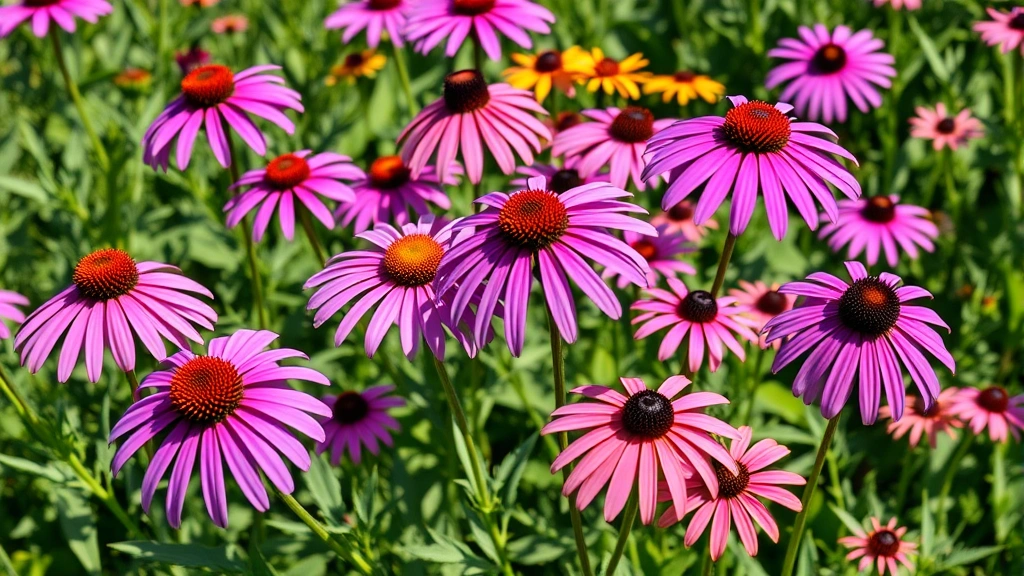
Purple Coneflower (Echinacea purpurea) thrives in Lubbock’s conditions and provides stunning magenta-pink blooms from summer through fall. This native North American plant tolerates drought, poor soil, and intense heat while attracting pollinators. Once established, it requires virtually no maintenance beyond occasional deadheading.
Black-eyed Susan (Rudbeckia) is another excellent choice, producing cheerful yellow flowers with dark centers. This prolific bloomer handles Lubbock’s harsh conditions beautifully and self-seeds readily, creating natural drifts of color throughout your garden.
Salvia greggii (autumn sage) is a Texas native that produces tubular flowers in red, pink, white, or coral from spring through first frost. It’s exceptionally drought-tolerant, attracts hummingbirds, and requires minimal pruning beyond removing dead wood in spring.
Lantana is a heat-loving perennial that produces clusters of small flowers in combinations of red, orange, yellow, and white. Despite looking delicate, lantana is incredibly tough and thrives in poor soil with minimal water once established. The flowers attract butterflies and other beneficial insects throughout the growing season.
Desert Marigold (Baileya multiradiata) produces cheerful yellow flowers and silvery-gray foliage that provides year-round interest. This native wildflower is perfectly adapted to Lubbock’s climate and blooms prolifically with minimal care.
Gaura lindheimeri offers tall, airy stems topped with delicate pink and white flowers that sway gracefully in the wind. This Texas native is extremely drought-tolerant and adds vertical interest to garden beds.
When starting a flower garden in Lubbock, group perennials by their water needs and plant them densely enough that foliage shades the soil, reducing evaporation and suppressing weeds.
Shrubs and Trees That Thrive in the Panhandle
Woody plants provide structure, privacy, and year-round interest to your Lubbock landscape. Choose species that tolerate alkaline soil, wind, and drought conditions.
Esperanza (Tecoma stans) is a semi-woody shrub producing bright yellow trumpet flowers from summer through fall. While it can freeze back in harsh winters, it regrows reliably from the roots in Lubbock’s Zone 8a. The tropical appearance belies its tough constitution.
Texas Privet (Forestiera pubescens) is a native shrub with small leaves and fragrant flowers. It tolerates poor soil, drought, and wind while providing excellent screening and wildlife habitat.
Desert Rose (Adenium obesum) creates a striking focal point with its swollen trunk and pink flowers. While it requires good drainage and minimal water, plant it in a protected location or in containers that can be moved during harsh winters.
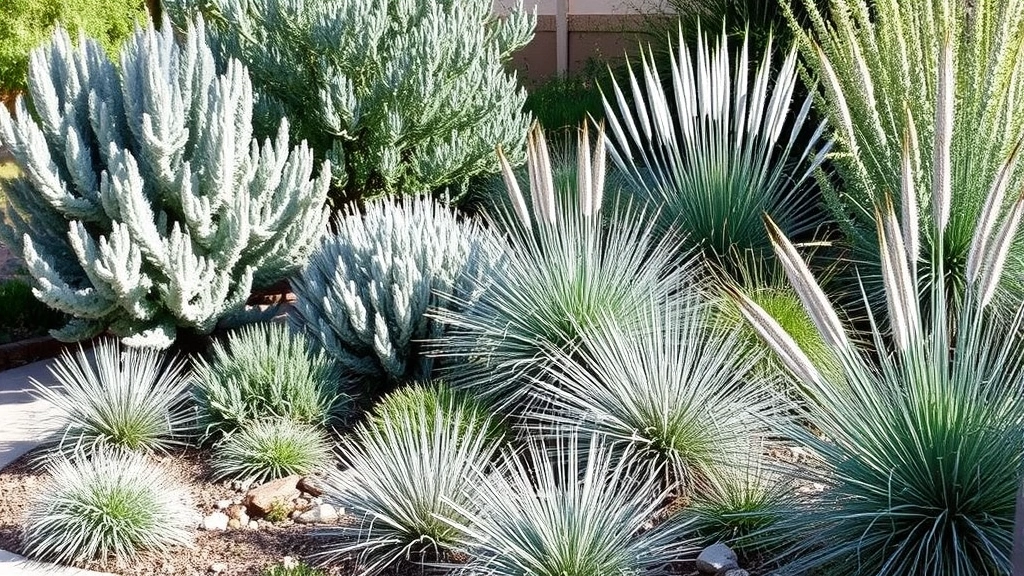
Fourwing Saltbush (Atriplex canescens) is an extremely drought-tolerant native shrub with silvery foliage. It tolerates wind, poor soil, and alkaline conditions while requiring virtually no maintenance once established.
Tree selection is critical in Lubbock because trees provide essential shade and wind protection. Texas Ash (Fraxinus texensis) is a native deciduous tree that tolerates alkaline soil and drought. It provides moderate shade and turns golden in fall.
Eve’s Necklace (Sophora affinis) is a small native Texas tree with fragrant white flowers and unique seed pods. It’s extremely drought-tolerant and provides dappled shade suitable for understory plantings.
Chinaberry trees (Melia azedarach), while somewhat invasive, are commonly seen in Lubbock landscapes and provide reliable shade with minimal care. However, native alternatives are preferable for ecological reasons.
For windbreak protection, consider planting rows of Elaeagnus (Russian Olive) or Juniperus scopulorum (Rocky Mountain Juniper). These hardy evergreens withstand harsh conditions and create effective barriers against wind damage.
Native Texas Plants for Low Maintenance
Native plants are naturally adapted to Lubbock’s climate, requiring less water, fertilizer, and pest management than non-native species. They also support local wildlife and pollinators.
Yucca rostrata (Beaked Yucca) is a striking architectural plant with blue-green foliage and tall spikes of white flowers. It’s extremely drought-tolerant, cold-hardy, and adds dramatic vertical interest to any landscape.
Hesperaloe parviflora (Red Yucca) produces red tubular flowers on tall stems that hummingbirds adore. Despite its name, it’s not a true yucca but performs similarly well in Lubbock’s conditions.
Texas Groundsel (Senecio texanus) is a low-growing native with silver foliage and small yellow flowers. It’s perfect for rock gardens or xeriscape beds.
Rosemary (Rosmarinus officinalis) thrives in Lubbock’s climate and serves double duty as an ornamental plant and culinary herb. The upright varieties provide structure, while trailing types work beautifully in containers.
Esperanto Grass (Bouteloua curtipendula) and Sideoats Grama are native ornamental grasses that add movement and texture while requiring minimal water. These bunch grasses don’t spread aggressively and provide habitat for beneficial insects.
Before starting your green journey, contact the Texas Native Plant Society for lists of locally appropriate species and native plant nurseries in your area.
Seasonal Planting Guide for Lubbock
Spring (March-May) is the ideal planting season in Lubbock. Soil temperatures warm sufficiently for root establishment while spring rains provide natural watering. Plant warm-season perennials, shrubs, and trees during this window. April is particularly favorable as frost danger diminishes and plants have the entire growing season to establish.
Summer (June-August) is challenging for planting due to heat and water stress. If you must plant during summer, water consistently and consider shade cloth for delicate species. Focus on maintaining existing plantings rather than expanding your garden.
Fall (September-November) is the second-best planting season. Cool-season plants thrive when planted in September or October. Spring-blooming bulbs like tulips and daffodils should be planted in November after soil temperatures drop below 60°F. Fall planting allows root development before winter dormancy.
Winter (December-February) is primarily a maintenance season. Prune dormant plants, apply mulch to protect roots from temperature fluctuations, and plan next season’s garden. Late winter is ideal for planting bare-root trees and shrubs.
Lubbock’s last spring frost typically occurs around May 1st, while first fall frost arrives around October 15th, providing a 167-day growing season. Use these dates when selecting tender perennials and annuals.
Preparing Your Garden Soil
Lubbock’s alkaline, often compacted soil requires amendment before planting. Preparing garden soil for a thriving garden means addressing these specific challenges.
Begin by testing your soil pH and nutrient levels through the Texas A&M Soil, Crop and Pasture Testing Laboratory. Results indicate which amendments will most benefit your specific location.
For most Lubbock gardens, incorporating 3-4 inches of compost into the top 8-10 inches of soil dramatically improves structure, water retention, and nutrient availability. Composted materials break down the alkalinity slightly while adding organic matter that clay soils desperately need.
If your soil is extremely compacted, consider raised beds filled with quality soil amendments. This approach bypasses native soil problems entirely and provides excellent drainage for drought-tolerant plants.
Mulching is essential in Lubbock’s climate. A 2-3 inch layer of wood chips or compost reduces soil temperature, conserves moisture, suppresses weeds, and gradually improves soil structure as it decomposes. Mulch also protects plant roots from temperature extremes during Lubbock’s variable winters.
Avoid peat moss, which becomes hydrophobic when dry and doesn’t suit Lubbock’s conditions. Instead, use compost, aged bark, or wood chips from local sources.
Water Management Strategies
Efficient watering is critical in Lubbock’s semi-arid climate. Establish plants thoroughly during their first growing season, then transition to drought-tolerant maintenance.
New plantings require consistent moisture for the first 6-8 weeks. Water deeply 2-3 times weekly during hot periods, soaking the root zone rather than frequent shallow watering that encourages shallow root development.
Drip irrigation is far more efficient than sprinklers, delivering water directly to plant roots with minimal evaporation. A simple garden hose quick connect system allows you to switch between different watering zones easily.
Established plants should require watering only during extended dry periods (more than 3 weeks without rain). Most drought-tolerant plants survive on natural precipitation once their root systems mature.
Timing matters—water early morning to reduce evaporation and disease pressure. Evening watering can promote fungal issues in Lubbock’s humid nights.
Container plants require more frequent watering than in-ground plantings. Check soil moisture daily during hot periods, as containers dry rapidly in Lubbock’s heat.
Consider installing a rain barrel system to capture runoff from roofs and structures. This captured water is perfect for supplemental irrigation and reduces reliance on municipal water sources.
Creating Seasonal Interest
Successful Lubbock gardens provide visual interest throughout the year despite winter dormancy. Plan plant combinations that offer continuous blooms, foliage color, and structural interest.
Spring interest comes from early bulbs like daffodils and tulips (planted in fall), emerging perennials, and early-blooming shrubs like Desert Marigold.
Summer color relies on heat-loving perennials like Lantana, Salvia, Black-eyed Susan, and Esperanza. Ornamental grasses add texture and movement.
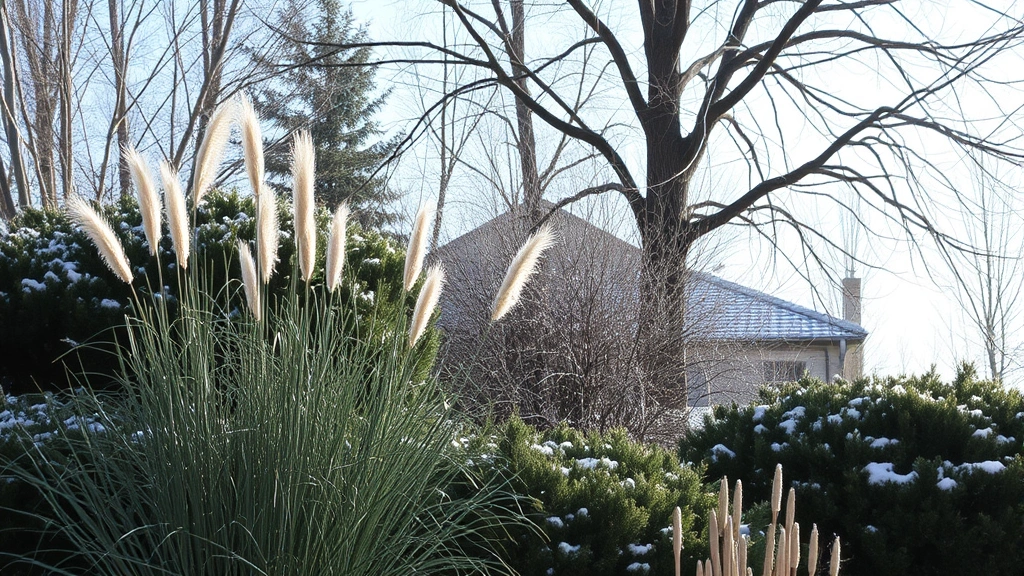
Fall foliage and late blooms extend the season. Autumn Sage continues flowering until frost, while Texas Ash provides golden fall color. Seed heads on ornamental grasses persist into winter, creating architectural interest.
Winter structure comes from evergreen shrubs, ornamental grasses, seed heads, and tree forms. The silvery foliage of plants like Fourwing Saltbush and Desert Marigold becomes more prominent when deciduous plants drop their leaves.
Use a variety of plant heights, textures, and colors to create dynamic compositions. Repeat plants in groups of three or five for visual impact rather than scattering single specimens.
FAQ
What’s the best time to plant in Lubbock?
Spring (March-May) and fall (September-November) are optimal. Spring allows plants the entire growing season to establish, while fall planting lets roots develop before winter dormancy. Avoid planting during summer heat when plants experience transplant shock.
How often should I water newly planted plants?
Water deeply 2-3 times weekly for the first 6-8 weeks during hot periods. Check soil moisture 3-4 inches deep—water when it feels dry at that depth. Once established, most plants tolerate natural rainfall in Lubbock.
Are succulents a good choice for Lubbock gardens?
Yes, absolutely. Creating a succulent garden in Lubbock is an excellent strategy. Sedums, echeverias, and aloe varieties thrive in poor, well-draining soil with minimal water. They’re perfect for rock gardens, containers, and xeriscape beds.
What’s the best mulch for Lubbock gardens?
Wood chips and compost work best. Apply 2-3 inches around plants, keeping mulch a few inches away from plant stems to prevent rot. Avoid peat moss and rubber mulch.
Can I grow vegetables in Lubbock?
Absolutely. Plant cool-season vegetables (lettuce, spinach, broccoli) in fall and early spring. Warm-season crops (tomatoes, peppers, squash) thrive from May through September. Start seeds indoors 6-8 weeks before your last spring frost date.
How do I protect plants from Lubbock’s wind?
Plant wind-tolerant species and use windbreaks like trees or shrubs on exposed sides. Stake tall plants like Gaura and Salvia to prevent wind damage. Avoid planting delicate species in open, exposed areas.
Where can I find native plants for Lubbock?
Contact the Texas Native Plant Society – Panhandle Chapter for local nursery recommendations and plant lists. The Texas A&M Extension office also provides resources for native plant selection.
Do I need to fertilize plants in Lubbock?
Most established plants in Lubbock require minimal fertilization. Apply balanced fertilizer in spring when growth resumes. Avoid over-fertilizing, which encourages excessive growth that becomes stressed during summer heat and drought.
What about container gardening in Lubbock?
Containers work beautifully for tender perennials and annuals that can be moved to protected locations during harsh winters. Use quality potting soil, not garden soil. Water containers daily during hot periods, as they dry rapidly. Consider bringing containers near the Hilton Garden Inn Lubbock or other protected structures during extreme weather.
How do I deal with Lubbock’s alkaline soil?
Rather than fighting alkalinity, select plants adapted to it. Most native Texas plants thrive in alkaline conditions. If you want acid-loving plants, grow them in raised beds or containers with amended soil. Avoid using sulfur to lower pH—it’s ineffective in Lubbock’s climate.


