
Why Grow a Garden? Benefits from Experts
Growing a garden transforms more than just your outdoor space—it fundamentally changes how you live, eat, and connect with nature. Whether you have a sprawling backyard or a modest balcony, cultivating plants offers tangible rewards that extend far beyond harvesting fresh vegetables or admiring beautiful flowers. Experts across horticultural science, nutrition, psychology, and environmental studies consistently demonstrate that gardening delivers measurable benefits to physical health, mental wellbeing, environmental sustainability, and community connection.
The decision to grow a garden is ultimately an investment in yourself and your surroundings. From reducing grocery costs to improving air quality, from managing stress to building self-sufficiency, the reasons to start gardening are as diverse as the plants you can cultivate. This comprehensive guide explores the science-backed advantages that make gardening one of the most rewarding pursuits available to modern gardeners.
Health Benefits of Gardening
Gardening provides one of the most accessible forms of physical exercise available to people of all ages and fitness levels. The American Horticultural Therapy Association recognizes gardening as a legitimate therapeutic activity that engages multiple muscle groups, improves cardiovascular health, and enhances overall physical fitness. Digging, planting, weeding, and harvesting burn significant calories—studies show that moderate gardening can burn 250-350 calories per hour, comparable to many gym workouts.
Beyond calorie expenditure, gardening strengthens muscles and improves flexibility. Reaching to plant seedlings, bending to remove weeds, and carrying garden tools all contribute to functional fitness that translates directly to daily life activities. Regular gardeners report improved balance, stronger core muscles, and better joint mobility. For older adults, this increased strength and flexibility directly reduces fall risk and supports independent living.
Vitamin D synthesis represents another crucial health advantage. Spending time outdoors while gardening exposes your skin to natural sunlight, enabling your body to produce vitamin D—an essential nutrient involved in bone health, immune function, and mood regulation. Most gardeners spend 30-60 minutes outdoors during typical gardening sessions, which provides adequate sun exposure for vitamin D production while remaining within safe guidelines.
Exposure to soil microbiota offers unexpected immunological benefits. Recent research suggests that beneficial bacteria in garden soil, particularly Mycobacterium vaccae, may stimulate immune system development and reduce inflammation. This connection between soil contact and immune health suggests that traditional gardening practices that involve direct soil contact provide protective health effects.
Mental Wellness and Stress Relief
The psychological benefits of gardening are extensively documented in peer-reviewed research. Horticultural therapy, recognized by the American Therapeutic Recreation Association, demonstrates measurable improvements in anxiety, depression, and overall mental health. The act of nurturing plants creates a sense of purpose and accomplishment as you witness tangible progress from seed to mature plant.
Gardening provides a natural form of mindfulness practice. The focused attention required for planting, watering, and observing plant growth anchors your mind in the present moment, reducing rumination about past events or future worries. This meditative quality of gardening—the repetitive motions, sensory engagement with soil and plants, and connection to natural cycles—activates the parasympathetic nervous system, promoting relaxation and stress reduction.
Biophilic design principles confirm that proximity to nature significantly reduces cortisol levels and blood pressure. Simply viewing your garden from a window provides measurable stress relief. For those with space constraints, even a vertical garden or container planting creates this nature connection. The regular interaction with living plants creates a rhythmic pattern to your days, providing structure and predictability that many people find psychologically grounding.
The sense of control that gardening provides proves particularly valuable during uncertain times. Unlike many life circumstances beyond our influence, gardening offers direct cause-and-effect relationships: proper watering and nutrition produce healthy plants; neglect results in decline. This tangible control over outcomes enhances self-efficacy and reduces feelings of helplessness.
Nutritional Advantages
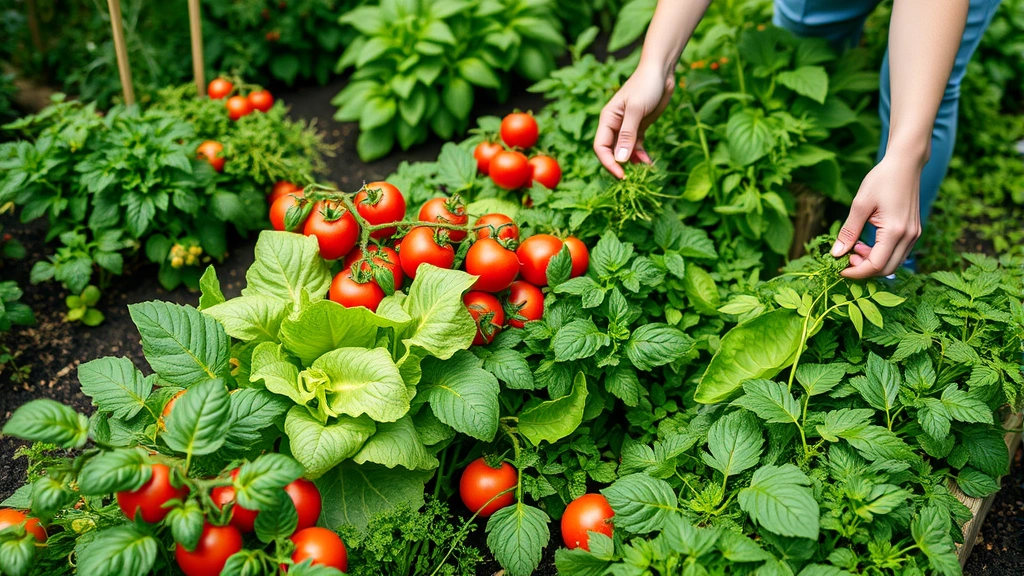
Growing your own vegetables ensures access to the freshest produce possible. Vegetables begin losing nutrients immediately after harvest, with vitamin C degrading particularly quickly. Home-grown vegetables harvested at peak ripeness contain significantly higher nutrient density than supermarket produce that has traveled for days or weeks. Research from the University of California demonstrates that locally-grown vegetables can contain up to 30% more nutrients than commercially transported alternatives.
Home gardeners naturally gravitate toward growing nutrient-dense varieties that commercial producers avoid due to transport fragility or shelf-life limitations. Heirloom tomatoes, delicate leafy greens, and tender herbs thrive in home gardens but rarely reach supermarket shelves. This access to superior varieties means your family consumes vegetables with higher antioxidant content, more complex flavors, and greater nutritional value.
Growing food increases consumption of vegetables and fruits. Families with productive gardens demonstrate higher vegetable intake compared to non-gardening households. Children who participate in gardening are more likely to try new vegetables and develop healthier eating patterns that persist into adulthood. The connection between growing food and eating well creates a virtuous cycle of improved nutrition and food security.
Before starting your vegetable garden, prepare garden soil for a thriving garden with proper amendments and nutrient content. Quality soil directly influences the nutritional profile of your harvest, making soil preparation an investment in your family’s health.
Environmental Impact
Home gardens represent powerful tools for environmental conservation and climate action. Every vegetable you grow reduces your household’s carbon footprint by eliminating transportation, refrigeration, and packaging associated with commercial agriculture. A single home garden can offset hundreds of pounds of carbon dioxide annually compared to purchasing equivalent produce from distant sources.
Gardens enhance local biodiversity by providing habitat for pollinators, beneficial insects, and birds. Native plants support monarch butterflies, honeybees, and other pollinators essential for global food security. Even ornamental gardens with native plants contribute meaningfully to ecosystem health. Replacing lawn monocultures with diverse plantings creates microhabitats that support wildlife and increase overall biodiversity in urban and suburban environments.
Water management improves through gardening practices. A rain garden captures runoff, reducing strain on municipal water systems and improving water infiltration. Mulching and soil amendment increase water retention, reducing irrigation requirements. Gardeners typically use water more efficiently than commercial agricultural operations, making home gardening a sustainable food production method.
Composting garden waste and kitchen scraps diverts material from landfills while creating nutrient-rich soil amendments. This circular economy approach reduces methane emissions from decomposing waste while improving soil health. Many gardeners find that composting becomes as rewarding as growing plants themselves.
Cost Savings
The financial benefits of gardening accumulate significantly over time. A modest vegetable garden produces $500-$1,500 worth of produce annually, depending on size, climate, and crops selected. Even accounting for initial setup costs, soil amendments, and ongoing supplies, gardening offers exceptional return on investment. Perennial plantings like fruit trees and berry bushes provide harvests for decades with minimal annual expense.
Beyond direct food production, gardening reduces landscape maintenance costs. Native plants require less water, fertilizer, and pest management than conventional lawns. A succulent garden requires minimal maintenance once established, providing aesthetic beauty with negligible ongoing expense. Replacing high-maintenance landscapes with diverse plantings reduces both costs and environmental impact.
Reduced grocery spending represents the most obvious financial benefit. Families who garden demonstrate measurably lower produce expenses. For households with limited budgets, gardening provides food security and nutritional access that might otherwise prove unaffordable. Community gardens extend these benefits to people without personal garden space, democratizing access to fresh produce and gardening knowledge.
Medicinal herb gardens reduce pharmaceutical expenses for common ailments. Growing chamomile, peppermint, ginger, and other healing herbs provides natural remedies for minor health issues, reducing reliance on over-the-counter medications. This intersection of gardening and wellness creates additional economic value.
Community Connection
Gardening builds social connections and strengthens community bonds. Community gardens serve as gathering spaces where neighbors meet, share knowledge, and collaborate toward common goals. These spaces provide particularly valuable social infrastructure in urban areas where isolation often challenges mental health and civic engagement.
Seed swaps, plant exchanges, and gardening clubs create networks of knowledge-sharing and mutual support. Experienced gardeners mentor newcomers, passing down traditional techniques and locally-adapted growing practices. This intergenerational knowledge transfer preserves horticultural wisdom while building meaningful relationships. Garden gifts of seedlings or harvested produce strengthen personal relationships and create tangible expressions of care.
Gardening provides common ground for conversations across demographic divides. Shared interest in plants transcends age, cultural background, and socioeconomic status. Community gardens have successfully fostered integration and understanding in neighborhoods experiencing social fragmentation. The collaborative nature of community gardening projects builds social capital essential for neighborhood resilience and civic participation.
Youth programs incorporating gardening develop leadership skills, environmental awareness, and connection to food systems. School gardens provide outdoor classrooms where students learn ecology, nutrition, and sustainable practices while building confidence and social skills. These programs demonstrate particularly strong outcomes for youth from disadvantaged backgrounds, offering pathways to improved academic performance and career opportunities.
Learning and Personal Growth
Gardening provides continuous learning opportunities across multiple disciplines. Successful gardeners develop knowledge in plant biology, soil science, entomology, ecology, and climate adaptation. This interdisciplinary learning engages the mind throughout life, contributing to cognitive health and intellectual stimulation. Adult gardeners report increased confidence in their ability to learn new skills and solve complex problems.
Gardening teaches resilience through inevitable failures. Plants die, pests attack, weather devastates crops—these challenges build problem-solving skills and emotional resilience. The ability to learn from setbacks and adapt strategies develops character traits valuable far beyond gardening. Experienced gardeners demonstrate greater comfort with uncertainty and improved capacity to persist through difficulty.
Seasonal awareness develops naturally through gardening. Understanding frost dates, growing seasons, and natural cycles reconnects gardeners with weather patterns and planetary rhythms often obscured in climate-controlled modern life. This seasonal consciousness creates deeper appreciation for natural systems and improved understanding of how human activities interface with ecological processes.
Practical skills development includes composting, tool maintenance, soil preparation, and equipment operation. These hands-on competencies build self-sufficiency and reduce dependence on commercial services. Many gardeners discover unexpected talents for design, as ornamental gardening develops aesthetic sensibility and spatial reasoning. Whether pursuing the right garden footwear or mastering advanced propagation techniques, gardening supports continuous skill development.
FAQ
What size garden do I need to see meaningful benefits?
Even a small container garden provides significant psychological and nutritional benefits. Research demonstrates that gardeners with modest spaces experience comparable mental health improvements to those with extensive gardens. Start with what space you have available—a single tomato plant or herb pot creates the foundational gardening experience that builds to larger projects.
How much time does gardening require weekly?
Gardening commitment varies seasonally and by garden type. Most gardeners spend 3-5 hours weekly during peak growing season, with minimal maintenance during dormant months. Container gardens require more frequent watering but less weeding than in-ground beds. Start with 1-2 hours weekly and expand as interest develops.
Can I garden if I have limited mobility?
Absolutely. Raised beds, vertical gardens, and container plantings accommodate various mobility limitations. Ergonomic tools and adaptive techniques allow people with arthritis, back problems, or other physical challenges to garden successfully. Horticultural therapists specialize in adapting gardening for people with disabilities.
What’s the best season to start gardening?
Spring represents the traditional starting point, but gardening occurs year-round in most climates. Fall gardening offers advantages including cooler weather and reduced pest pressure. Container gardening indoors extends growing seasons indefinitely. Begin whenever you feel ready—the best time to start is always now.
How do I know if my garden will produce enough food?
A 100-square-foot garden typically produces $500-$1,000 in annual produce for a family of four. However, focus on growing what you actually eat rather than maximizing production. Quality and nutrition matter more than quantity. Start small and expand based on actual harvest and consumption patterns.
What if I don’t have outdoor space?
Indoor gardening, balcony container gardening, and community garden plots provide alternatives. Window herb gardens require minimal space while providing fresh herbs. Vertical systems maximize small spaces. Community gardens offer plot access for those without private land.


