How to Trade Garden Produce: Pro Tips Inside!
Growing your own garden is incredibly rewarding, but what happens when you harvest more tomatoes, zucchini, and herbs than your household can consume? Trading garden produce is an excellent way to share your abundance with neighbors, friends, and local communities while acquiring fresh items you didn’t grow yourself. Whether you’re managing a small raised garden bed or a sprawling backyard garden, learning how to trade your harvest effectively can transform your gardening experience and build meaningful connections within your community.
The art of garden produce trading has deep roots in agricultural communities and is experiencing a renaissance as people seek more sustainable, local food sources. By understanding the best practices for harvesting, storing, presenting, and exchanging your garden produce, you’ll unlock new opportunities to maximize your garden’s value. This guide reveals insider secrets that experienced gardeners use to establish successful trading relationships and create a thriving local food exchange network.
Choosing High-Value Produce for Trading
Not all garden produce holds equal trading value. The most successful traders focus on growing crops that other gardeners either struggle with or find difficult to source locally. Understanding what makes produce valuable in the trading marketplace helps you plan your garden strategically and maximize returns on your growing efforts.
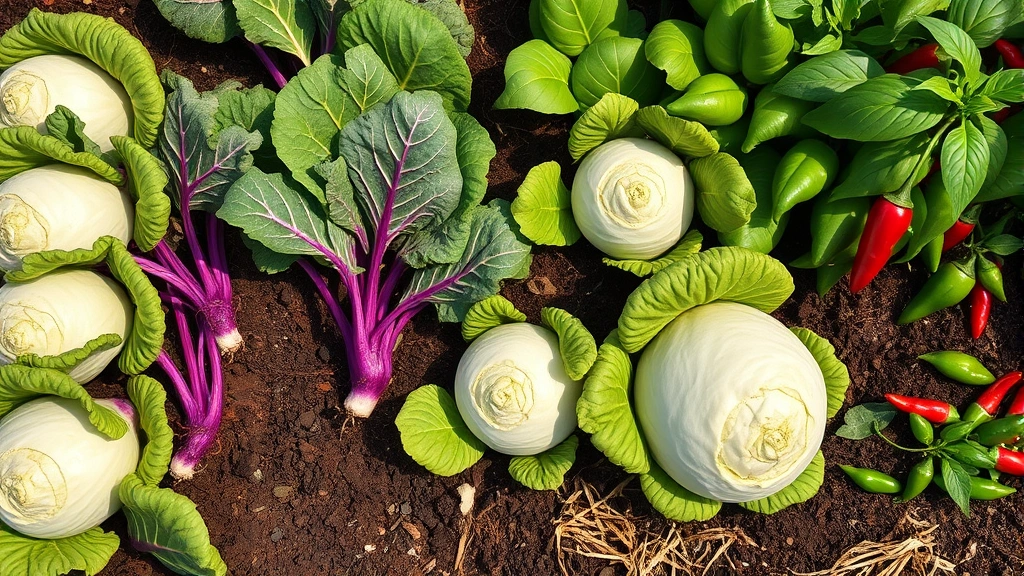
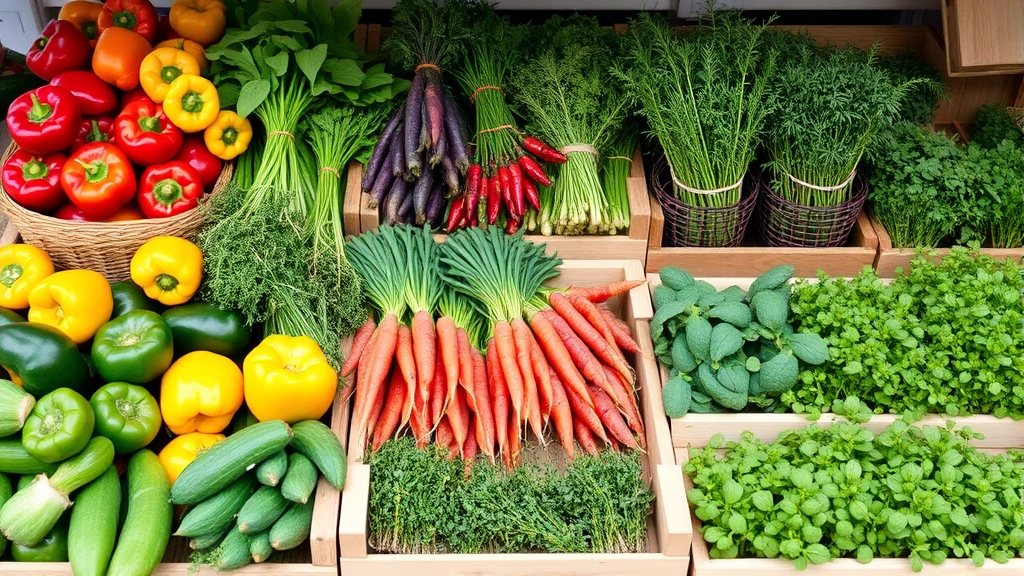
Specialty vegetables command higher trading value than common crops. Items like heirloom tomatoes, specialty peppers, Asian greens, and rare herbs attract serious traders who appreciate unique varieties. Consider growing unusual varieties of familiar crops—purple carrots, yellow beets, or striped eggplants generate more interest than standard selections. Indoor herb gardens and outdoor herb production provide year-round trading opportunities, as fresh herbs like basil, cilantro, dill, and specialty blends are consistently in demand.
Microgreens and sprouts represent high-value, space-efficient crops perfect for trading. These nutrient-dense items require minimal space, grow quickly, and command premium prices in local trading networks. If you have limited garden space, focusing on microgreens allows you to produce valuable trading goods consistently.
Root vegetables and storage crops offer excellent trading potential because they remain fresh longer than delicate greens. Carrots, beets, potatoes, and onions store well and appeal to traders seeking ingredients for winter cooking and preservation. Garlic, in particular, represents an outstanding trading crop—it stores for months, grows reliably in most climates, and maintains consistent demand throughout the year.
Fruit production adds another dimension to your trading portfolio. Berry bushes, fruit trees, and vining crops like melons and grapes produce abundant harvests that traders eagerly seek. Even if your space is limited, dwarf or container fruit varieties can generate significant trading value.
Timing Your Harvest for Maximum Quality
Harvest timing dramatically affects produce quality and trading appeal. Picking at peak ripeness ensures your traded items arrive in optimal condition and create positive impressions that encourage future exchanges.
Early morning harvesting captures produce at its freshest. Plants rehydrate overnight, and morning temperatures keep harvested items cool. Avoid picking during the hottest part of the day when heat stress reduces shelf life. For leafy greens and lettuce, morning harvesting is essential—these crops wilt quickly in afternoon heat.
Understand the optimal ripeness for each crop you trade. Tomatoes should show full color development but remain slightly firm. Peppers traded fresh are best when fully colored and firm. Leafy greens should be tender and vibrant green without yellowing or wilting. Herbs are most flavorful when harvested before flowering, with essential oils at peak concentration.
Seasonal abundance determines what you harvest and trade. Spring offers leafy greens, peas, and early herbs. Summer brings tomatoes, peppers, zucchini, and berries. Fall features root vegetables, winter squash, and cool-season crops. Understanding these cycles helps you anticipate trading demand and plan your garden accordingly.
Stagger your plantings to extend the harvest season and maintain consistent trading supply. Successive plantings of lettuce, beans, and other crops ensure you always have fresh produce available rather than feast-or-famine cycles that complicate trading arrangements.
Proper Storage and Preparation Techniques
How you store and present produce directly influences trading success. Proper handling maintains freshness, appearance, and nutritional value—all critical factors traders evaluate.
Cool storage immediately after harvest extends shelf life significantly. For most produce, refrigeration in breathable containers maintains quality for days or weeks. Root vegetables store exceptionally well in cool, dark conditions with moderate humidity. Keep them in perforated bags or ventilated boxes to prevent moisture accumulation that causes rot.
Gentle handling prevents bruising and damage that reduces trading appeal. Use clean hands or soft gloves, place delicate items like berries in padded containers, and avoid dropping or stacking heavy produce on top of fragile items. Even minor cosmetic damage reduces perceived value and trading interest.
Washing decisions depend on intended use and storage duration. Some traders prefer unwashed produce they’ll clean themselves, while others appreciate pre-washed items ready for immediate use. If washing, use cool water and dry thoroughly to prevent fungal issues. For produce you’ll store for days before trading, skip washing and clean just before exchange.
Presentation matters enormously in trading situations. Arrange produce attractively in clean baskets or containers. Sort by size and quality, removing any damaged items. Include leaves on herbs and root vegetables when appropriate—the visual appeal increases perceived value. Consider providing recipe cards or usage suggestions for unusual items you’re trading.
Transparency about growing methods builds trust. If you grew everything organically without pesticides, mention this—it justifies premium trading values. Conversely, if you used conventional methods, being honest prevents disputes and maintains your reputation in the trading community.
Finding Trading Opportunities in Your Community
Successful trading begins with identifying where other gardeners and food enthusiasts gather. Multiple channels exist for finding trading partners and establishing exchange networks.
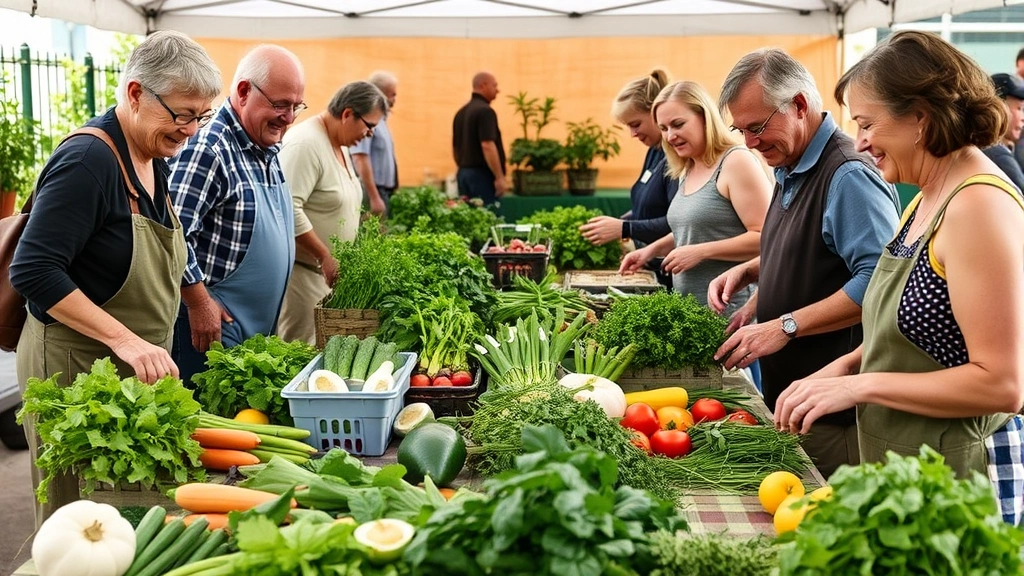
Farmers markets provide excellent trading venues. Many markets allow producers to trade directly with other vendors. Arrive early, scout other vendors’ offerings, and propose trades that benefit both parties. A tomato grower might trade with someone growing specialty peppers or fresh herbs.
Community gardens host built-in trading communities. Members naturally exchange surplus harvests, and garden coordinators often facilitate organized trading days or events. These established networks make finding trading partners straightforward and enjoyable.
Online platforms and social media groups dedicated to local food and gardening connect traders across wider geographic areas. Facebook groups, Nextdoor, and gardening-specific platforms allow you to post available produce, search for desired items, and arrange exchanges with neighbors you might not otherwise meet.
Food co-ops and CSA programs sometimes incorporate member trading. Ask if your local co-op facilitates produce exchanges or if CSA members organize their own trading networks. These groups already value local, fresh food and represent ideal trading partners.
School and institutional connections create reliable trading outlets. Schools with cafeterias, senior centers, food banks, and nonprofit organizations often seek fresh local produce. Establishing relationships with these institutions provides consistent trading opportunities and community impact.
Master gardener programs and horticultural societies facilitate networking with serious gardeners. The American Horticultural Society and local extension services connect gardeners interested in sharing knowledge and produce. These organizations sometimes organize plant and produce swaps.
Establishing Fair Trading Values
Determining fair exchange rates prevents misunderstandings and ensures both parties feel satisfied with trades. Several approaches work depending on your community’s trading style.
Comparable pricing research provides one framework. Check local farmers market prices for similar items and use those as reference points. If heirloom tomatoes sell for $4 per pound at the market, that’s a reasonable baseline for trades. However, direct trades between gardeners typically involve discounts compared to retail pricing—perhaps 20-30% below market rates since both parties save on retail markups.
Weight-based trading simplifies exchanges. Agreeing that five pounds of tomatoes equals five pounds of peppers, for example, creates straightforward transactions. Use a simple kitchen scale to ensure fairness and reduce disputes.
Value-based trading acknowledges that different produce holds different worth. A pound of specialty microgreens might equal five pounds of common lettuce. Rarer items command higher values. Establish these rates through discussion and agreement before finalizing trades.
Seasonal adjustments reflect supply and demand. Early-season items when few gardeners have them yet command higher trading values. Abundance during peak season reduces values as supply exceeds demand. Understanding these fluctuations helps you time trades strategically.
Specialty and heirloom varieties justify premium trading values compared to common crops. If you’ve grown unusual varieties unavailable elsewhere, traders will accept higher exchange rates. Conversely, common items like standard zucchini command lower values.
Building Long-Term Trading Relationships
The most successful gardeners develop ongoing relationships with regular trading partners. These connections provide reliability, predictability, and mutual benefit over time.
Consistency builds reputation. Show up with quality produce at agreed-upon times. Deliver what you promise in good condition. Word spreads quickly in gardening communities—reliable traders become sought-after partners while unreliable ones find fewer opportunities.
Communication prevents misunderstandings. Clearly discuss what you’re offering, when it will be available, and what you’re seeking in return. Follow up after trades to ensure satisfaction. Ask for feedback and adjust your offerings based on partner preferences.
Diversify your trading portfolio to appeal to varied interests. Growing complementary crops—perhaps combining cut flowers with vegetables, or herbs with fruits—allows you to trade with more partners and fulfill diverse requests.
Reciprocal generosity strengthens relationships. Occasionally include extra items in trades, share seeds or seedlings, or offer advice freely. These gestures build goodwill that translates into favorable future trades and stronger community bonds.
Organize trading events with other gardeners. Monthly or seasonal swap gatherings create excitement, expand your trading network, and build community. These events generate enthusiasm that sustains long-term trading relationships.
Maintain a trading log recording who you’ve traded with, what was exchanged, and feedback. Over time, this information helps you understand preferences, plan production accordingly, and strengthen relationships with most-valued partners.
Legal and Food Safety Considerations
While home gardener trades exist in a relatively permissive regulatory space compared to commercial sales, understanding legal and safety frameworks protects everyone involved.
Cottage food laws vary by state and region. Most jurisdictions allow non-commercial home gardener exchanges without licensing, but some states restrict certain products. Research your specific location’s regulations through your state’s USDA office or local extension service to understand any restrictions.
Food safety practices matter even in informal trading contexts. Practice good hygiene, use clean containers, avoid cross-contamination, and maintain proper temperatures. If trading with immunocompromised individuals or institutions serving vulnerable populations, exercise extra caution with food safety protocols.
Transparency about pesticide use protects trading partners. Clearly communicate whether you used conventional pesticides, organic methods, or no treatments. Some traders specifically seek pesticide-free produce, while others have no concerns. Honest disclosure prevents problems.
Liability considerations suggest documenting trades informally. While lawsuits between gardening friends are rare, simple records showing you traded homegrown produce with clear communication about growing methods provide protection should issues arise.
Insurance questions occasionally arise with high-volume traders. If you’re trading significant quantities, consult your homeowner’s insurance to understand any implications. Most home gardener trades fall well within residential activity parameters, but clarification prevents surprises.
Allergies and dietary restrictions require clear communication. Always disclose any potential allergens or ingredients (such as sulfites used in storage) and confirm trading partners’ dietary needs before finalizing exchanges.
FAQ
What produce trades best for beginners?
Herbs, leafy greens, and common vegetables like zucchini, tomatoes, and peppers trade well for beginners. These crops are relatively easy to grow, widely appreciated, and consistently in demand. As you gain experience, expand to specialty varieties and harder-to-grow crops that command premium trading values.
How do I store produce between trading dates?
Refrigerate most produce in breathable containers. Root vegetables store in cool, dark places with moderate humidity. Herbs stay fresh in water like cut flowers or wrapped in damp paper towels. Never store produce in sealed plastic bags, which trap moisture and promote rot. Check stored items daily and remove any showing deterioration.
Can I trade produce I’ve preserved or processed?
Fresh produce trades most easily and doesn’t involve regulatory complexity. Preserved items like jams, pickles, or dried herbs may require licensing depending on your location. Check local cottage food laws before trading preserved items. When in doubt, stick with fresh produce to avoid legal complications.
What if a trading partner isn’t satisfied with their produce?
Address concerns immediately and graciously. Offer a replacement or alternative trade without argument. Most trading relationships involve friends and neighbors—maintaining goodwill matters more than winning any single dispute. Word-of-mouth reputation in gardening communities is invaluable.
How can I expand trading beyond my immediate neighbors?
Join community gardens, farmers markets, online gardening groups, and local food networks. Attend gardening organization events and plant swaps. Volunteer with nonprofits focused on food access. These activities connect you with broader trading communities and expand your network significantly.
Should I use garden tools specifically for harvesting?
Yes, clean, sharp garden tools minimize plant damage and bruising. Invest in quality pruning shears, harvest baskets, and collection containers. Keep tools clean to prevent disease transmission between plants. Proper equipment makes harvesting easier and produces higher-quality items for trading.
Can I trade ornamental plants and flowers?
Absolutely! Cut flowers from a cut flower garden trade exceptionally well. Ornamental plants, seedlings, and seeds also have strong trading value. Many gardeners prioritize acquiring unique plant varieties as much as produce, making ornamentals valuable trading commodities.
What’s the best way to learn trading strategies from experienced gardeners?
Connect with local master gardener programs, join community garden groups, and follow gardening education resources like Garden Answers on YouTube. Experienced gardeners generously share knowledge, and observing their practices teaches valuable trading strategies. Don’t hesitate to ask questions—the gardening community thrives on knowledge sharing.