Green Beans Growing Tips: Gardener’s Guide
Growing green beans is one of the most rewarding experiences for both novice and experienced gardeners. These versatile legumes thrive in warm weather, produce abundantly, and require minimal maintenance once established. Whether you’re planning to cultivate bush varieties for compact spaces or climbing pole beans for vertical gardens, understanding the fundamentals of green bean cultivation will set you up for a bountiful harvest. This comprehensive guide walks you through every stage of the growing process, from soil preparation to harvest time.
Green beans are nitrogen-fixing plants, meaning they naturally enrich your soil while growing, making them excellent companions in any vegetable garden. With proper care and attention to seasonal timing, you can enjoy fresh green beans throughout the growing season. Whether you’re outfitting your garden with new garden accessories or upgrading your watering system with a quality best garden hose, having the right tools makes the entire process more enjoyable and efficient.
Choosing the Right Green Bean Varieties
Selecting the appropriate green bean variety is the foundation of successful cultivation. Green beans generally fall into two main categories: bush beans and pole beans, each with distinct advantages depending on your garden space and preferences.
Bush beans are compact, typically growing 12-24 inches tall, and produce their entire crop within a concentrated timeframe of 2-3 weeks. Popular bush varieties include ‘Provider,’ ‘Contender,’ and ‘Blue Lake.’ These varieties are ideal if you want to plant succession crops throughout the season for continuous harvests. Bush beans require minimal support structures and are perfect for gardeners with limited space or those planning to use garden stepping stones to navigate compact planting areas.
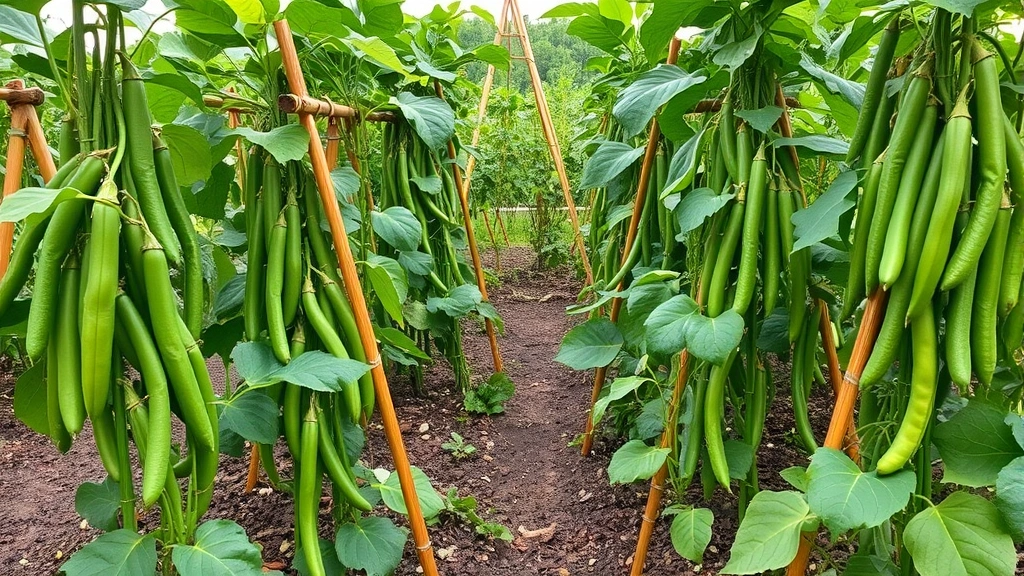
Pole beans are vining plants that can reach 5-8 feet in height, requiring sturdy trellises or support systems. Varieties like ‘Kentucky Wonder,’ ‘Scarlet Runner,’ and ‘Yard Long’ produce beans continuously throughout the season once they begin flowering. Pole beans are excellent space-savers when grown vertically and offer aesthetic appeal to your garden landscape. They’re particularly suited for gardeners who want extended harvests and don’t mind investing in support infrastructure.
Consider your climate zone when selecting varieties. USDA Plant Hardiness Zone Map helps determine which varieties perform best in your region. Warm-season crops like green beans thrive when soil temperatures reach 60°F and air temperatures consistently exceed 70°F.
Soil Preparation and Garden Setup
Green beans are not particularly demanding regarding soil fertility, but they do prefer well-draining, slightly acidic to neutral soil with a pH between 6.0 and 7.0. Before planting, prepare your garden bed by incorporating organic matter into the existing soil.
Begin by testing your soil composition. Ideally, you want a mix of approximately 40% sand, 40% silt, and 20% clay for optimal drainage and nutrient retention. If your soil is heavy clay, amend it with compost, aged manure, or peat moss to improve structure and drainage. For sandy soils, add compost to increase water and nutrient retention capacity.
Work organic matter into the top 8-10 inches of soil at least 2-3 weeks before planting. This allows the soil to settle and microorganisms to begin breaking down the amendments. Avoid over-fertilizing before planting, as excessive nitrogen encourages leafy growth at the expense of bean production. Green beans fix their own nitrogen through a symbiotic relationship with soil bacteria, so they’re actually quite economical to grow.
Ensure your garden location receives at least 6-8 hours of direct sunlight daily. Green beans perform best in full sun conditions, which promote vigorous growth and abundant flowering. If you’re establishing a new garden area, consider pathways using garden stepping stones to protect soil compaction around your bean plants.
Planting Green Beans: Timing and Technique
Timing is critical for green bean success. Plant beans only after all danger of frost has passed and soil temperatures have warmed to at least 60°F, ideally 70°F or higher. In most regions, this means planting in late spring through early summer. Check your local frost date calendar to determine the optimal planting window for your area.
For direct sowing, place seeds 1 inch deep and 4-6 inches apart in rows spaced 18-24 inches apart for bush varieties and 24-36 inches for pole beans. Water gently after planting to settle the soil around seeds. Germination typically occurs within 7-14 days at soil temperatures of 70°F or warmer.
Green beans don’t transplant well due to their sensitive root systems, so direct sowing is preferred. However, if you live in a short-season climate, you can start seeds indoors in peat pots 3-4 weeks before your last frost date and transplant carefully while seedlings are still young.
For succession planting, sow new batches of beans every 2-3 weeks throughout the growing season until approximately 8-10 weeks before your first expected fall frost. This staggered approach ensures continuous harvests rather than a single overwhelming glut of beans.
Watering and Moisture Management
Proper watering is essential for healthy green bean growth and productive flowering. Green beans require consistent moisture, particularly once they begin flowering and setting pods. Aim for approximately 1-1.5 inches of water per week through rainfall or irrigation combined.
Water deeply and less frequently rather than shallow daily watering. This encourages deeper root development and more drought-tolerant plants. The best approach is to water early in the morning, allowing foliage to dry quickly and reducing disease pressure. Avoid overhead watering if possible, as wet leaves increase susceptibility to fungal diseases.
Using a quality best garden hose with a soaker attachment or drip irrigation system delivers water directly to the soil, minimizing water waste and disease risk. Drip systems are particularly valuable for maintaining consistent moisture levels during hot weather.
Mulching around bean plants with 2-3 inches of organic material like straw or shredded leaves helps conserve soil moisture, moderates soil temperature, and suppresses weed growth. Keep mulch several inches away from plant stems to prevent rot.
Monitor soil moisture by inserting your finger 2 inches into the soil. If it feels dry at this depth, it’s time to water. During flowering and pod development, never allow soil to dry out completely, as this causes blossom drop and reduced yields.
Fertilizing for Optimal Growth
Since green beans are nitrogen-fixing legumes, they require minimal supplemental nitrogen. In fact, excessive nitrogen creates lush foliage at the expense of flower and bean production. However, they do benefit from balanced phosphorus and potassium for flowering and fruit development.
If your soil is poor or lacking nutrients, apply a balanced fertilizer like 5-10-10 at planting time or when plants are 6 inches tall. Side-dress with compost or well-rotted manure midway through the growing season for sustained nutrient availability.
For organically-minded gardeners, bone meal provides phosphorus for flower development, while wood ash supplies potassium. Apply these amendments sparingly, as excessive applications can create nutrient imbalances. A soil test before the season begins provides the most accurate guidance for fertilization needs.
Foliar feeding with diluted fish emulsion or seaweed extract every 3-4 weeks provides micronutrients and can boost overall plant vigor. Apply these sprays in the evening to minimize leaf burn and maximize absorption.
Managing Pests and Diseases
Green beans are relatively pest-resistant compared to many garden vegetables, but several insects and diseases can impact yields if left unchecked. Early detection and intervention prevent major infestations.
Common bean beetles are the primary insect pest, with adults and larvae feeding on foliage. Handpick beetles and egg clusters when populations are small, or use neem oil for larger infestations. Row covers placed at planting protect young plants until flowering begins.
Aphids occasionally cluster on new growth, weakening plants and potentially transmitting viruses. A strong spray of water from your best garden hose dislodges many aphids. Insecticidal soap or neem oil provides additional control if populations persist.
Powdery mildew appears as white coating on leaves, particularly in humid conditions. Improve air circulation by pruning lower foliage and spacing plants appropriately. Sulfur dust or baking soda spray (1 tablespoon per gallon of water with a few drops of dish soap) provides organic control.
Bean rust causes reddish-brown pustules on leaf undersides. Remove affected leaves and improve air circulation. Avoid overhead watering and don’t work in bean plants when foliage is wet to prevent disease spread.
Crop rotation is crucial for disease prevention. Avoid planting beans in the same location for at least 3 years, as soil-borne pathogens can persist. Companion planting with herbs like basil or dill attracts beneficial insects that prey on bean pests.
Supporting and Training Your Beans
Pole beans absolutely require sturdy support structures to reach their full potential. Several support options are available depending on your garden setup and aesthetic preferences.
Wooden trellises made from 2×2 lumber create strong, durable supports that last many seasons. Construct them at least 6-8 feet tall to accommodate vigorous varieties. A-frame trellises provide stability and allow harvesting from both sides.
Bamboo teepees create attractive focal points while supporting beans effectively. Lash 6-8 bamboo poles together at the top with twine, spacing them in a circle approximately 3-4 feet in diameter. Plant 4-6 bean seeds around the base of each pole.
String trellising works well for beans planted in rows. Secure twine to overhead supports and allow beans to climb naturally, training tendrils onto the twine as needed.
Bush beans generally don’t require support, though some gardeners provide low stakes to keep pods off the ground and improve air circulation. This reduces disease pressure and makes harvesting easier.
Install supports before or immediately after planting to avoid damaging developing roots. Beans naturally climb by twining around supports, so avoid moving or repositioning supports once vines are established.
Harvesting and Storage Tips
The timing of harvest significantly impacts bean quality and plant productivity. Green beans are best picked when pods are tender, before seeds inside become enlarged and visible. This typically occurs 50-70 days after planting, depending on variety and growing conditions.
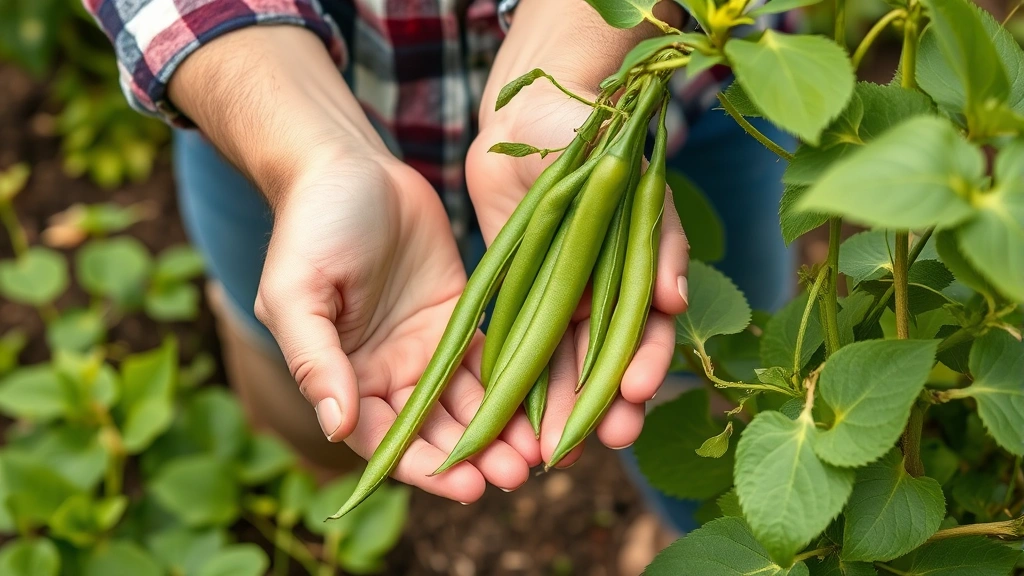
Harvest beans when they’re 4-7 inches long with a slight snap when bent. Pods harvested at this stage are tender, flavorful, and have the best texture. Allowing beans to mature fully reduces the plant’s incentive to continue flowering and producing new pods.
Pick beans regularly, ideally every 2-3 days during peak production. Frequent harvesting encourages continued flowering and extends the productive season. Always harvest in the morning after dew has dried but before heat stresses plants.
Handle beans gently and use a picking technique that doesn’t stress the plant. Support the plant stem with one hand while gently pulling the pod with the other to avoid breaking branches.
Fresh green beans store best in the refrigerator in a perforated plastic bag for up to 7-10 days. Freezing is an excellent preservation method: blanch beans in boiling water for 3 minutes, shock in ice water, drain thoroughly, and freeze in airtight containers for up to 8 months. Pressure canning is also viable for those with proper equipment, following established USDA guidelines.
For seed saving, allow a few pods to mature on the plant until they turn brown and dry. Harvest these pods, shell them, and store dried beans in a cool, dry place for replanting next season or culinary use.
FAQ
When should I plant green beans in my garden?
Plant green beans after all frost danger has passed and soil temperatures reach at least 60°F, ideally 70°F or warmer. This typically occurs in late spring. Check your local frost date and soil temperature before planting to ensure success.
How much space do green beans need to grow properly?
Bush beans need 18-24 inches between rows with seeds spaced 4-6 inches apart. Pole beans require 24-36 inches between rows. Proper spacing ensures adequate air circulation, reduces disease pressure, and makes harvesting easier.
Can I grow green beans in containers?
Yes, both bush and pole beans grow well in containers. Use containers at least 12 inches deep for bush varieties and 18-24 inches for pole beans. Ensure containers have drainage holes and use quality potting soil. Container plants may need more frequent watering and fertilizing than garden-planted beans.
What’s the difference between green beans and wax beans?
Green beans and wax beans are the same species with different pigmentation. Wax beans have yellow pods and are slightly sweeter. They’re grown identically to green beans and have the same nutritional value. Many gardeners enjoy growing both for visual variety and extended harvests.
How do I prevent my green beans from getting stringy?
Harvest beans when pods are young and tender, before seeds inside become enlarged. Stringy texture develops as beans mature. Regular harvesting every 2-3 days ensures you’re picking pods at peak quality and tenderness.
Why are my green bean plants flowering but not producing pods?
Several factors can cause poor pod set: inconsistent watering, excessive nitrogen fertilizer, extreme temperatures, or inadequate sunlight. Ensure plants receive 6-8 hours of direct sun daily, maintain consistent soil moisture, and avoid over-fertilizing with nitrogen.
Can I plant green beans near other vegetables?
Green beans are excellent companion plants. They pair well with corn, squash, cucumbers, and herbs like basil and dill. Avoid planting near onions or garlic. Consider the garden layout and ensure adequate spacing for all plants to receive sufficient light and air circulation.
How long does it take to grow green beans from seed to harvest?
Most green bean varieties mature in 50-70 days from planting to first harvest. Bush varieties typically mature faster and produce over a concentrated 2-3 week period, while pole beans produce continuously over 6-8 weeks or longer.


