Pet-Friendly Garden? Expert Tips for Success
Creating a thriving garden while keeping your beloved pets safe requires thoughtful planning and strategic plant selection. Whether you have curious dogs digging through flowerbeds, cats nibbling on greenery, or rabbits threatening your vegetable patches, a pet-friendly garden balances beauty with safety. The good news? You can absolutely grow a garden free of pet upgrade requirements by understanding which plants are toxic, implementing protective barriers, and designing spaces where both plants and pets flourish together.
Many gardeners worry that pet ownership means sacrificing their gardening dreams. This simply isn’t true. With the right knowledge about toxic plants, strategic garden layout, and preventative measures, you’ll create an outdoor space where your furry family members can safely roam while your vegetables, flowers, and ornamentals thrive. Let’s explore how to build a garden that works for everyone.
Toxic Plants to Avoid
Before you purchase a single plant, familiarize yourself with common garden plants that pose serious health risks to pets. The American Society for the Prevention of Cruelty to Animals (ASPCA) maintains a comprehensive poison control database listing thousands of toxic plants. Some of the most dangerous include lilies (particularly toxic to cats), sago palms, oleander, foxglove, daffodils, and yews.
Lilies are especially problematic for cat owners—even small amounts of pollen or plant material can cause severe kidney damage. Dogs are susceptible to different toxins; chocolate plants, avocado, and certain fruit tree leaves pose particular dangers. Autumn crocus, azaleas, rhododendrons, and English ivy round out the high-risk list. When shopping at nurseries, always check plant labels or research before bringing anything home.
The severity of toxicity varies widely. Some plants cause mild gastrointestinal upset, while others trigger life-threatening organ damage. Even ornamental plants that seem harmless—like peace lilies and philodendrons—can irritate your pet’s mouth and throat. Rather than gamble with your pet’s health, simply exclude these plants entirely from your garden design.
Keep a reference guide handy during garden planning. The University of Illinois Extension provides an excellent extension service resource on pet-safe gardening. Bookmark these resources on your phone for quick reference during plant shopping trips.
Safe Plants for Pet Gardens
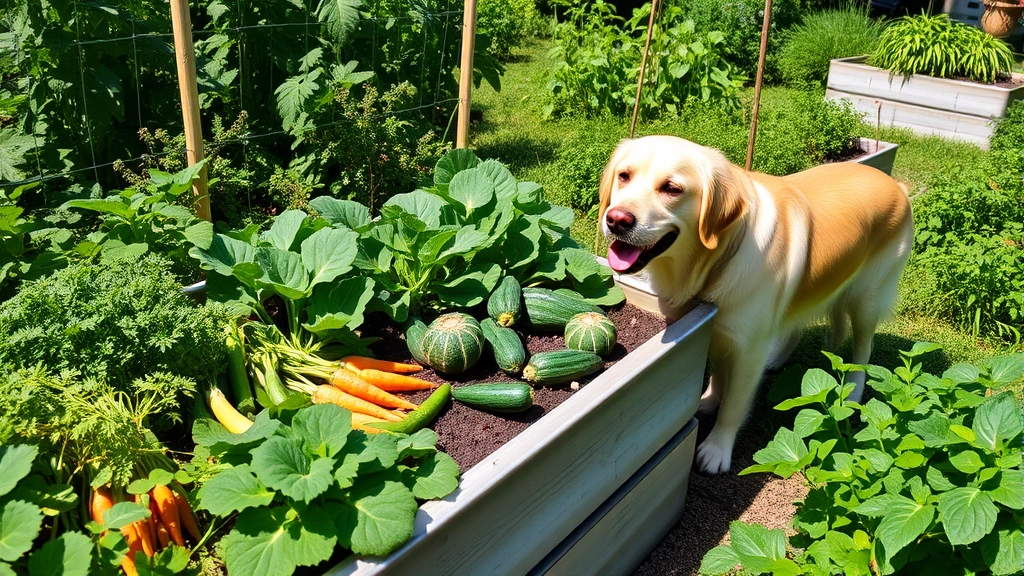
The wonderful truth is that numerous beautiful, productive plants are completely safe for pets. You’ll never feel limited in your garden design when you know which varieties to choose. Pet-safe vegetables include tomatoes (ripe fruit only), carrots, cucumbers, zucchini, spinach, peas, and green beans. These not only beautify your garden but provide fresh, pesticide-free snacks your pets can safely nibble.
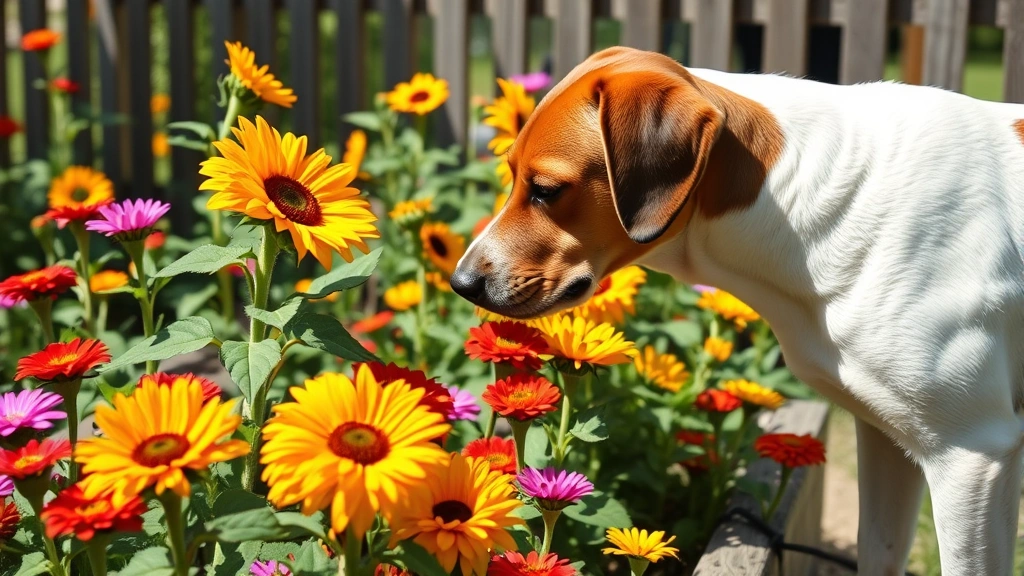
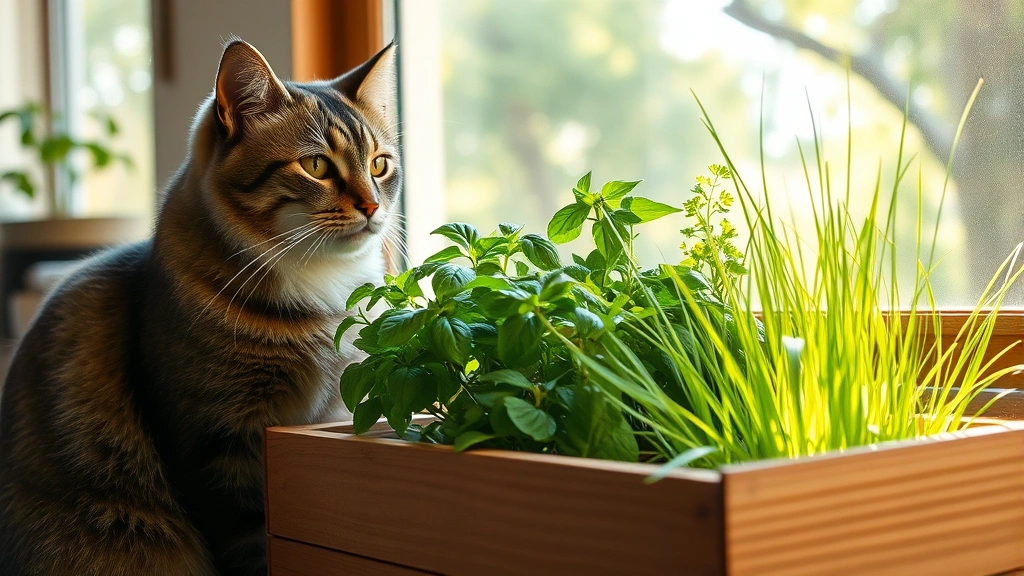
For ornamental flowers, consider pet-safe options like sunflowers, zinnias, marigolds, snapdragons, petunias, and roses. Many herbs are also safe: basil, parsley, cilantro, and cat grass (wheatgrass) are excellent choices. In fact, growing cat grass specifically addresses your feline’s natural urge to chew vegetation, potentially redirecting them away from toxic houseplants.
Fruit-bearing plants like apple trees and blueberry bushes are generally pet-safe, though you’ll want to prevent overeating of fruit, which can cause digestive upset. Pumpkins and squash vines provide both ornamental appeal and safety. Berry bushes like blackberries and raspberries offer similar benefits. These plants create a genuinely functional garden where your pets can safely graze.
When designing your garden beds, prioritize these safe varieties in prominent locations where pets naturally congregate. This strategic placement satisfies their curiosity while protecting them from danger. Research specific varieties at your local American Horticultural Society or master gardener program for regional recommendations.
Physical Barriers and Garden Design
Even with careful plant selection, physical barriers provide essential protection for your most vulnerable plants. Raised garden beds offer multiple advantages for pet-friendly gardens. Elevating your vegetables and delicate flowers creates a natural deterrent for ground-level diggers and curious nibblers. A standard 2-foot height prevents most dogs from casually accessing plants while remaining accessible for gardening.
Fencing solutions range from decorative to functional. For serious pet containment, a 4-foot fence deters most dogs, while 6-foot fencing works better for athletic breeds. Consider fencing specific garden sections rather than your entire yard—this creates designated pet-free zones for your most prized plants while allowing free roaming in other areas.
Netting and row covers protect individual plants or sections from digging damage. Chicken wire laid flat over soil beneath plants prevents excavation. For cats, motion-activated sprinklers deter unwanted digging without harming your pets. These humane devices startle cats and dogs away from sensitive areas through harmless water bursts.
Rabbit-proofing strategies include underground fencing extending 6 inches below soil level, as rabbits burrow under shallow barriers. Cylindrical tree guards protect young saplings from rabbit and deer damage. A quality garden trowel helps you properly install these protective devices.
Design your garden layout with pet traffic patterns in mind. Create designated pathways where pets naturally walk, avoiding these areas for delicate plantings. Hard surfaces like mulch, gravel, or stepping stones in high-traffic zones reduce damage compared to exposed soil where dogs dig and cats eliminate.
Protecting Vegetables from Pets
Vegetable gardens attract pets for good reason—many pets recognize that food grows there. Dogs may dig searching for underground vegetables, while rabbits and other wildlife demolish above-ground crops overnight. Successful vegetable gardening with pets requires dedicated protection strategies.
Raised beds with fencing provide the gold standard for vegetable protection. This two-tier approach combines elevation with barriers, making access difficult for determined pets. Install raised beds on level ground, add fencing around the perimeter, and ensure the fence extends at least 12 inches below soil level for burrowing animals.
Individual plant cages work well for vulnerable crops like young tomatoes, peppers, and squash. These simple structures of stakes and netting prevent pet damage while allowing sunlight and water penetration. Tomato cages protect developing fruit from curious noses and paws.
For leafy greens and herbs, succession planting in protected areas ensures continuous harvests. Plant small amounts in caged or fenced sections rather than large, exposed beds. This strategy reduces losses to pet damage while providing fresh vegetables throughout the season.
Companion planting with aromatic herbs like rosemary and sage can deter some pets from specific areas. While not foolproof, strong-scented plants sometimes discourage casual browsing. Combine these natural deterrents with physical barriers for best results.
Creating Pet-Friendly Garden Zones
Rather than treating your entire garden as a single space, create distinct zones with different purposes and protection levels. This approach maximizes both plant health and pet enjoyment while reducing conflict between the two.
Unrestricted pet zones: These areas feature durable ground covers, pet-safe plants, and hardy ornamentals that tolerate foot traffic and occasional damage. Include bamboo plantings where appropriate—many bamboo varieties grow quickly and tolerate pet damage well. This is where your pets have complete freedom to roam, dig, and play without restrictions.
Moderate-access zones: These areas contain valuable plants but allow some pet interaction. Use physical barriers like netting or low fencing to protect plants while maintaining visual appeal. Raised beds fit perfectly in this category, offering protection while remaining part of your garden’s design aesthetic.
Restricted zones: Reserve these areas for your most prized specimens and toxic-free but delicate plants. Full fencing, gating, or complete separation from pet areas ensures these plants receive proper care without pet interference. Your quiet reading nook with garden furniture might incorporate restricted plantings around seating areas.
This zoning approach reduces stress for both you and your pets. Rather than constantly monitoring and correcting pet behavior throughout the entire garden, you’ve designated safe areas where they can be themselves without causing damage.
Seasonal Considerations
Pet-friendly gardening strategies shift with seasons. Spring brings increased pet activity as animals spend more time outdoors. This is when you’ll most appreciate protective barriers around tender seedlings and young plants. Install fencing and barriers before spring growth explodes rather than trying to protect established plants.
Summer heat increases pet water needs—ensure your garden has accessible, fresh water stations. Provide shaded areas where pets can rest while supervising garden activities. Summer is ideal for establishing pet-safe plants in their permanent locations.
Fall presents challenges as pets spend extended time outdoors in cooling temperatures. This is also when many toxic plants produce attractive seeds and berries. Fallen fruit from ornamental plants should be removed promptly to prevent accidental ingestion. Mulching prevents pets from accessing soil where they might eat something harmful.
Winter in cold climates reduces pet garden access, but spring cleanup becomes crucial. Remove all plant debris, fallen branches, and accumulated material where toxins might hide. This reset period allows you to reassess barriers and replant with improved strategies.
Throughout all seasons, maintain awareness of your specific plants’ toxicity timing. Some plants are dangerous only during fruiting or flowering periods, while others pose year-round risks. Adjust monitoring and access based on current plant stages.
FAQ
Can I have a garden if my dog likes to dig?
Absolutely. Raised beds, fencing, and designated digging areas redirect this natural behavior. Create a sandbox or specific zone where digging is encouraged and protected. Combine this with barriers around valued plants, and you’ll manage the digging behavior while maintaining a beautiful garden.
Are all lilies toxic to cats?
Yes, all lilies (Lilium species) are highly toxic to cats, causing severe kidney damage. Even small amounts are dangerous. If you have cats, exclude lilies entirely from your garden. This includes Asiatic, Oriental, and trumpet lilies.
What’s the best barrier for keeping rabbits out?
Underground fencing extending 6 inches below soil level works best, as rabbits burrow under shallow barriers. Combine this with above-ground fencing at least 24 inches tall. Check our detailed guide on keeping rabbits out of gardens for comprehensive strategies.
Can pets eat vegetables from my garden?
Many vegetables are perfectly safe for pets—carrots, green beans, peas, and pumpkin are excellent choices. Always verify safety before allowing pets to eat garden produce. Avoid onions, garlic, grapes, and raisins, which are toxic to dogs.
How do I stop my cat from using garden soil as a litter box?
Motion-activated sprinklers effectively deter cats without harm. Chicken wire laid flat over soil and covered with mulch creates uncomfortable texture. Cat repellent granules and citrus peels also discourage digging. Provide a designated litter box area away from garden beds.
What height should raised beds be for pet safety?
Two feet high deters most dogs and cats while remaining accessible for gardening. Smaller or less athletic pets might need lower heights. See our complete guide on making raised garden beds for detailed construction advice.
Are pesticides safe to use in pet-friendly gardens?
Organic and natural pest management is safer for pets. Neem oil, insecticidal soaps, and companion planting reduce pest pressure without toxic chemicals. If chemical pesticides are necessary, apply them when pets are indoors and follow all safety guidelines carefully.


