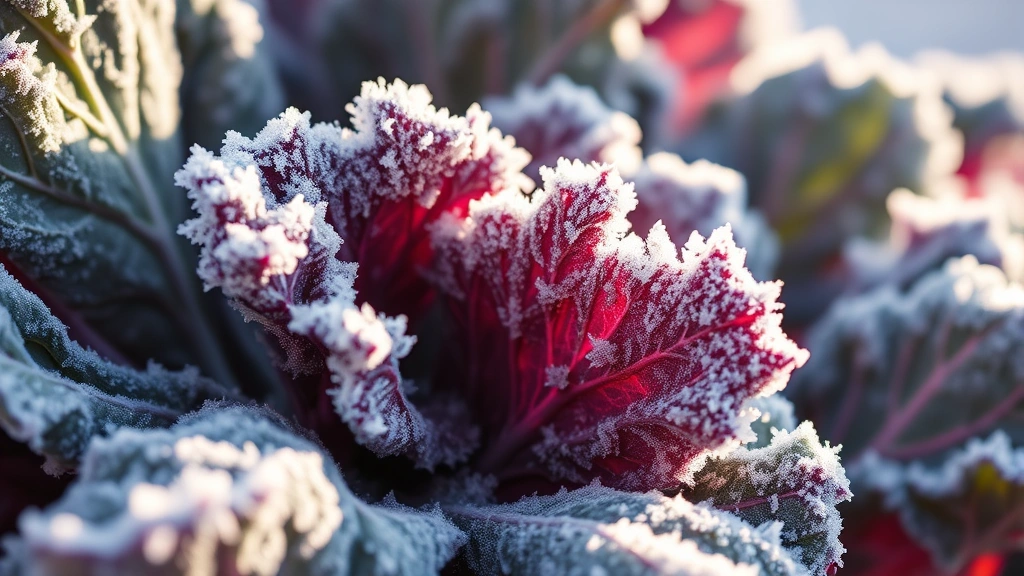
Winter gardening might seem counterintuitive, but the colder months offer unique opportunities to expand your growing season and maintain a productive garden year-round. Whether you’re dealing with harsh freezes or mild winters, strategic planning and the right techniques can help you cultivate fresh vegetables, herbs, and ornamentals throughout the season. A goodwill winter garden isn’t just about survival—it’s about thriving during dormancy and setting yourself up for spring success.
The key to winter gardening success lies in understanding your local climate zone, selecting cold-hardy varieties, and implementing protective measures that shield your plants from frost, snow, and harsh winds. With proper preparation starting in fall, you can enjoy homegrown produce well into the winter months while simultaneously giving back to your community through garden-based goodwill initiatives.
Best Winter Vegetables to Grow
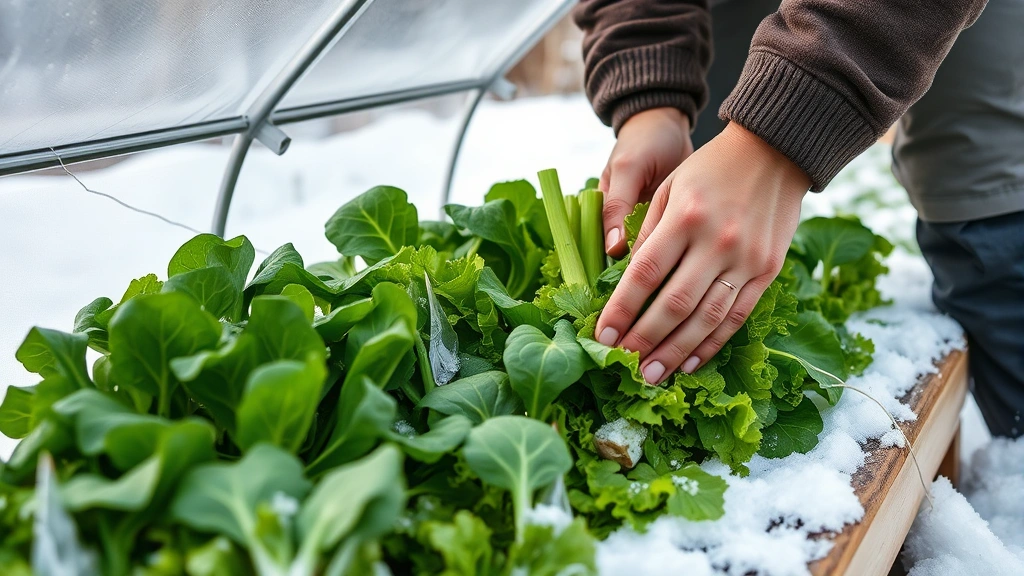
Winter gardening opens doors to growing vegetables that actually thrive in cold conditions. Unlike summer crops that require warmth and consistent moisture, winter vegetables develop deeper flavors and improved nutritional profiles when exposed to frost. Leafy greens stand out as winter champions—kale, spinach, arugula, and garden lettuce not only tolerate freezing temperatures but often taste sweeter after a light frost triggers their natural sugars.
Root vegetables are equally impressive winter performers. Carrots, beets, turnips, and parsnips develop concentrated sweetness in cold soil and can be left in the ground for extended harvest periods. Broccoli, cauliflower, and cabbage family crops mature slowly in winter conditions, producing compact heads with superior texture and flavor compared to their spring counterparts. Brussels sprouts, in particular, improve dramatically after experiencing frost, becoming tender and nutty-flavored.
When selecting varieties for winter cultivation, always choose cold-hardy cultivars bred specifically for cool-season growth. Check your local extension service’s vegetable gardening guide for recommended varieties suited to your USDA hardiness zone. Early-maturing varieties ensure plants reach harvest before the shortest, coldest days arrive.
Preparing Your Garden for Winter
Successful winter gardening begins with thoughtful fall preparation. Start by assessing your current garden layout and identifying areas receiving maximum winter sunlight—typically the south and southeast facing exposures in Northern Hemisphere gardens. Clear summer crops thoroughly, removing diseased plant material and spent annuals to reduce pest and disease overwinter habitats.
Soil preparation becomes critical as you transition to winter growing. Add generous amounts of finished compost or well-rotted manure to enrich soil with nutrients before winter dormancy reduces microbial activity. Winter vegetables prefer slightly alkaline to neutral pH (6.5-7.5), so consider a soil test through your local cooperative extension to guide amendments. Raised beds and cement block raised bed gardens warm faster in early winter and drain better than in-ground beds, making them ideal for winter vegetable production.
Install infrastructure before winter weather arrives. Set up trellises for cool-season crops, repair irrigation systems, and establish pathways using mulch or stepping stones. A vertical garden structure maximizes space efficiency and improves air circulation around plants, reducing fungal disease risk during humid winter conditions.
Timing your winter plantings requires precision. Count backward from your first frost date to determine when to sow each crop, ensuring plants establish before temperatures drop significantly. Most winter vegetables need 4-8 weeks of growth before hard freezes arrive. Start seeds indoors 6-8 weeks before transplanting, or direct sow in late summer for cool-season establishment.
Cold Frames and Row Covers
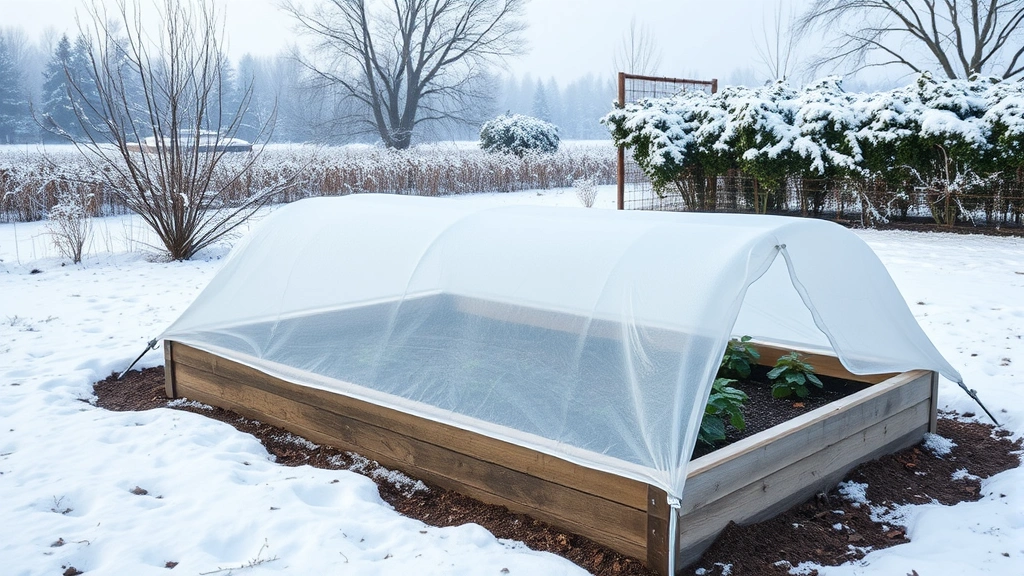
Cold frames and row covers represent the gardener’s most valuable winter tools, extending growing seasons by 4-6 weeks on both ends of the calendar. A cold frame—essentially a bottomless box with a transparent top—creates a microclimate that captures solar heat while protecting plants from wind and frost. Traditional wooden frames with recycled window sashes work beautifully, or purchase commercial aluminum models designed for easy venting and access.
Row covers made from lightweight spun fabric (typically 0.5-1.5 ounces per square yard) allow light and moisture penetration while providing 2-4 degrees Fahrenheit of frost protection. Heavier-weight covers rated for 2-4 degrees of protection offer superior insulation for regions experiencing severe cold snaps. Floating row covers simply drape over plants without support structures, making them ideal for small-scale winter gardening operations.
Proper ventilation prevents overheating on sunny winter days and reduces fungal disease pressure from excessive humidity. Open cold frames on days reaching 50°F or above, and ensure adequate air circulation under row covers by creating small vents or gaps. Monitor soil moisture carefully—plants under protective covers require less water than exposed plants, but soil shouldn’t dry out completely during dormancy.
For maximum winter protection in harsh climates, layer row covers or combine cold frames with additional insulation. Straw bales positioned around cold frame perimeters provide extra thermal mass, while burlap wrapping protects sensitive evergreens from desiccating winter winds. Snow acts as excellent natural insulation—don’t rush to remove it from plants unless ice buildup threatens branch breakage.
Winter Herb Gardens
Fresh herbs during winter seem like luxury, yet growing cold-hardy herbs extends your culinary garden through the dormant season. Parsley, chives, thyme, sage, and oregano survive winter in most zones and continue producing tender growth even under snow. Grow these herbs in protected container gardens positioned near south-facing walls where reflected heat maximizes warmth.
Tender herbs like basil, cilantro, and dill require more protection but thrive indoors under grow lights or in sunny south-facing windows. Start seeds in late summer for fall harvests before moving plants indoors as temperatures drop. Maintain indoor herbs in cool locations (55-65°F) with 12-14 hours of bright light daily to prevent leggy, weak growth.
Microgreens and herb sprouts offer another winter option, producing nutrient-dense harvests in 7-14 days using minimal space. Grow them on windowsills or under simple shop light setups, rotating trays every few days for even development. Winter herb gardens provide constant fresh harvests while improving indoor air quality and boosting morale during darker months.
Protecting Perennials and Shrubs
Established perennials and woody plants require specific winter protection strategies to survive harsh conditions. Mulching becomes essential—apply 2-4 inches of organic mulch (shredded bark, straw, or compost) around plant bases after the ground freezes to insulate roots and moderate temperature fluctuations. Never mulch directly against plant stems, which can promote rot and create rodent habitat.
Tender perennials and young shrubs benefit from burlap wrapping or rose cones that shield them from desiccating winds and heavy snow damage. Evergreens experience winter burn when exposed to direct sun combined with frozen soil that prevents root water uptake—position shade cloth or burlap screens on south and west-facing sides to reduce damage.
Prune damaged branches only after winter passes and new growth appears, allowing plants to compartmentalize wounds before growth resumes. Remove snow carefully from evergreen branches to prevent permanent deformation from weight, but allow accumulated ice to melt naturally rather than forcing removal that might damage new wood.
Container Gardening in Winter
Container gardening offers flexibility for winter cultivation, allowing you to move plants to protected locations and control growing conditions precisely. Use containers with adequate drainage holes and insulating properties—terracotta dries faster in winter’s low humidity, while plastic and glazed ceramic retain moisture longer. Group containers together to create microclimates and reduce individual plant exposure to harsh winds.
Position containers near garden benches and gathering spaces to encourage regular harvesting and plant monitoring. Elevate containers slightly off frozen ground using pot feet or wooden blocks to improve drainage and prevent root freezing. Wrap container exteriors with burlap or bubble wrap in harsh climates to insulate roots from extreme cold.
Winter container plants require less frequent watering than summer specimens, but ensure soil never completely dries out. Check moisture levels every few days and water thoroughly when the top inch feels dry. Use room-temperature water and apply it early in the day to minimize freeze damage to wet foliage.
Community Winter Gardening Projects
Winter gardening creates wonderful opportunities for building community goodwill through shared growing initiatives. Establish neighborhood winter gardens in common spaces, schoolyards, or community centers where multiple families can participate in cultivation and harvest. These collective gardens generate fresh produce for food banks while teaching gardening skills to participants of all ages.
Partner with local nonprofits, horticultural societies, and master gardener programs to coordinate winter growing workshops and plant distribution events. Host seed-saving sessions in late fall to prepare for winter planting, and organize winter harvest celebrations that highlight cold-season vegetables. Create garden gifts from your winter harvests—preserved herbs, dried vegetables, and homemade herbal teas make meaningful presents while promoting local food production.
Document your winter gardening journey through photos and journals, sharing successes and challenges with your gardening community. Contribute observations to citizen science projects tracking climate change impacts on growing seasons. Mentor new gardeners interested in year-round cultivation, passing along knowledge about seasonal timing, variety selection, and protective techniques that extend productivity beyond traditional growing seasons.
Consider starting a winter vegetable CSA (Community Supported Agriculture) share or farmers market booth offering cold-season harvests. This generates income while educating consumers about seasonal eating and local food systems. Partner with restaurants seeking fresh winter vegetables to create stable markets for your production, building economic and social resilience in your community.
FAQ
What’s the easiest winter vegetable for beginners?
Kale stands out as the most beginner-friendly winter vegetable. It tolerates extreme cold, requires minimal pest management, grows in poor soil, and produces continuously throughout winter. Plant in late summer for fall and winter harvests, and harvest outer leaves regularly to encourage continued production.
Can I grow winter vegetables in containers indoors?
Absolutely. Leafy greens, herbs, and microgreens thrive indoors under grow lights or in bright south-facing windows. Use quality potting soil, ensure adequate drainage, and maintain consistent moisture. Cool indoor temperatures (55-65°F) and 12-14 hours of light daily produce the best results.
When should I plant winter vegetables in my region?
Calculate your planting date by counting backward from your first frost date. Most winter vegetables need 4-8 weeks of growth before hard freezes. Consult your local USDA plant hardiness zone map and extension service for specific timing recommendations for your area.
How much frost protection do row covers provide?
Lightweight row covers (0.5-1.5 oz) protect plants from 2-4°F of frost. Heavier-weight covers (1.5-2.0 oz) provide up to 8°F of protection. Layering multiple covers or combining covers with cold frames extends protection further in extremely cold climates.
Do winter vegetables need fertilizer?
Winter vegetables grow slowly due to reduced light and temperature, so nitrogen requirements decrease significantly. Apply balanced, slow-release fertilizer or compost at planting time. Avoid high-nitrogen feeding that promotes tender growth vulnerable to frost damage.
What’s the difference between a cold frame and a row cover?
Cold frames are permanent or semi-permanent structures with transparent covers that create enclosed microclimates and provide 4-8°F of protection. Row covers are lightweight fabrics that drape directly over plants, providing 2-4°F of protection while allowing light and water penetration. Cold frames offer more protection but require more infrastructure; row covers offer flexibility and ease of use.
Can I harvest winter vegetables while snow covers the garden?
Yes. Many winter vegetables remain fresh under snow and improve in flavor after frost. Simply brush snow away from plants and harvest as needed. Root vegetables in the ground can be dug through snow and mulch layers, while leafy greens under row covers are easily accessible.


