Garden Salad Recipe: Chef’s Flavorful Tips for Growing and Preparing Fresh Greens
Creating the perfect garden salad begins long before you reach for a bowl and dressing. The journey starts in your garden, where fresh, crisp greens and vibrant vegetables transform into culinary masterpieces. Whether you’re a seasoned gardener or just beginning to explore homegrown produce, understanding how to cultivate the finest salad ingredients will elevate your meals from ordinary to extraordinary. This comprehensive guide walks you through every step, from planting to plate.
A truly memorable garden salad recipe relies on one fundamental principle: quality ingredients. When you grow your own vegetables, you control the freshness, flavor profile, and nutritional content. Store-bought salads often travel hundreds of miles before reaching your table, losing vitality and taste along the way. By contrast, vegetables harvested from your garden just minutes before meal preparation deliver unmatched crispness, vibrant colors, and robust flavors that no supermarket produce can match. The satisfaction of creating a salad entirely from your own garden is incomparable.
Essential Salad Greens to Grow
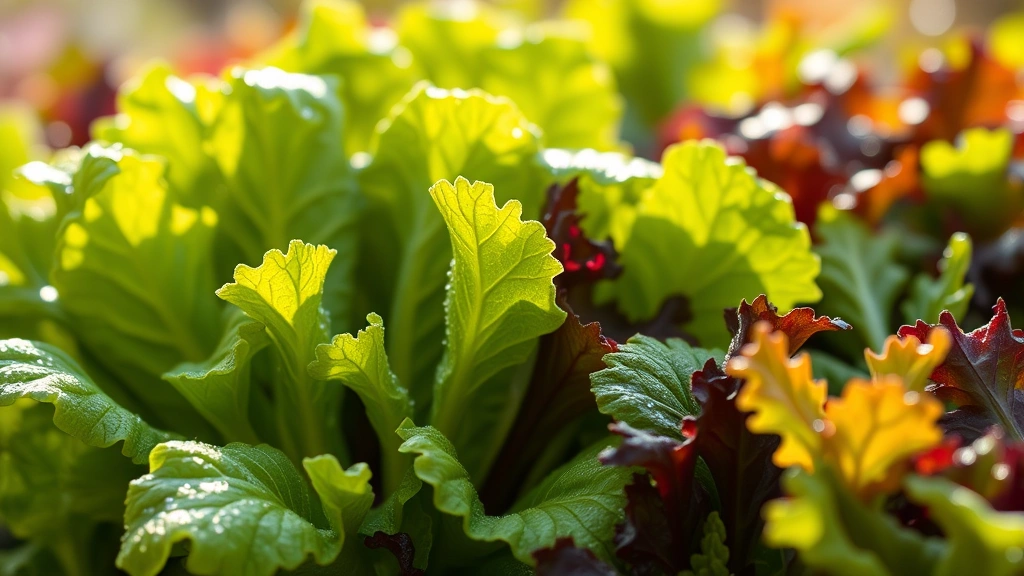
The foundation of any exceptional garden salad recipe starts with selecting the right greens. Lettuce varieties form the backbone of most salads, offering diverse textures and flavors. Butterhead lettuce provides tender, buttery leaves perfect for delicate salads, while romaine delivers crisp, sturdy leaves ideal for robust dressings. Loose-leaf varieties like oak leaf and red leaf offer continuous harvesting capabilities and striking visual appeal.
Beyond traditional lettuce, consider expanding your green repertoire. Arugula brings peppery notes that add complexity to simple dressings. Spinach contributes iron and a subtle earthiness that pairs beautifully with citrus vinaigrettes. Kale, though more assertive, creates satisfying salads when massaged with oil. Swiss chard offers colorful stems and mild flavor, while radicchio introduces beautiful burgundy hues and slightly bitter sophistication.
Microgreens and sprouts deserve special mention. These nutrient-dense additions germinate quickly indoors, providing year-round salad enhancements. Radish sprouts, broccoli microgreens, and mustard greens deliver concentrated flavors and impressive nutritional profiles in minimal space. For gardeners with limited room, raised bed gardening maximizes production while maintaining easy access to these delicate crops.
Building Your Salad Garden Foundation
Success with your garden salad recipe depends heavily on proper garden preparation. The foundation begins with understanding your location and available space. Full sun exposure—at least six to eight hours daily—ensures vibrant, flavorful greens. However, many salad varieties tolerate partial shade, particularly during hot summer months when shade prevents bolting and maintains tenderness.
Soil quality dramatically impacts your results. Best soil for a garden bed contains abundant organic matter, proper drainage, and balanced nutrients. Work compost into your beds to improve structure and fertility. Aim for slightly acidic soil with pH between 6.0 and 6.8. Testing your soil before planting reveals deficiencies and allows targeted amendments. Most universities and extension services offer affordable soil testing through their cooperative extension programs.
Consider your garden layout carefully. A vegetable garden layout that groups greens together simplifies maintenance and harvesting. Place taller plants where they won’t shade shorter varieties. Succession planting—sowing new seeds every two to three weeks—ensures continuous harvests throughout the growing season rather than one overwhelming abundance followed by scarcity.
Watering consistency proves critical for quality greens. Inconsistent moisture leads to bitter flavors and tough leaves. Most salad greens require approximately one inch of water weekly, delivered through drip irrigation or soaker hoses rather than overhead sprinklers. This approach keeps foliage dry, reducing disease pressure while directing moisture precisely where roots access it.
Seasonal Planting Guide
Timing your planting schedule around your region’s frost dates and temperature patterns ensures thriving salad gardens year-round. Spring represents prime planting season for most gardeners. Direct seed lettuce, spinach, and arugula as soon as soil becomes workable, typically two to three weeks before the last spring frost. These cool-season crops germinate reliably in temperatures between 55 and 65 degrees Fahrenheit.
Summer gardening requires strategic variety selection. Heat-tolerant lettuce types like Jericho and Salvius maintain quality during warm months. Provide afternoon shade using shade cloth to prevent bolting and bitterness. Prioritize heat-loving options like New Zealand spinach, which thrives when traditional spinach struggles. Swiss chard and kale continue producing through summer heat when properly maintained.
Fall planting often surprises new gardeners with spectacular results. Plant cool-season greens eight to ten weeks before your first expected frost. Fall crops develop slowly but yield remarkably flavorful harvests. Shorter days and cooling temperatures create ideal growing conditions. Many gardeners report fall lettuces taste superior to spring varieties due to slower development and perfect temperature conditions.
Winter gardening in mild climates extends salad seasons dramatically. Cold frames or row covers protect greens from frost while allowing continued growth. Hardy varieties like kale, mâche, and winter spinach survive freezing temperatures and actually improve in flavor after light frosts. In colder regions, consider indoor growing with grow lights to maintain fresh salad production.
Harvesting Techniques for Maximum Freshness
Proper harvesting techniques preserve quality and encourage continued production. For loose-leaf varieties, begin harvesting outer leaves once plants establish four to six true leaves. This cut-and-come-again approach provides continuous harvests while allowing the plant to produce new leaves from the center. Harvest early morning when leaves contain maximum moisture for optimal crispness.
Head lettuces require different timing. Harvest entire heads when they reach desired size, cutting at soil level with a sharp knife. Avoid tearing or bruising leaves, which accelerates deterioration. Harvest in cool morning hours before heat stress reduces crispness. For the most tender leaves, harvest before plants bolt or produce flowering stems.
Spinach and chard respond well to selective harvesting. Pinch or cut outer leaves while allowing central growth to continue. This technique extends production periods significantly. Harvest chard leaves when they reach six to eight inches long for optimal tenderness. Mature leaves become tougher and less suitable for fresh salads, though still valuable for cooking.
Microgreens require precise timing. Harvest when the first true leaves emerge, typically seven to fourteen days after sprouting. Cut just above soil level with clean scissors. This timing captures peak nutrition and flavor concentration. Daily harvesting prevents overgrowth and maintains tenderness perfect for your garden salad recipe.
Garden Salad Recipe and Preparation
Now for the moment you’ve been cultivating toward: creating your perfect garden salad recipe. This classic preparation showcases homegrown ingredients beautifully.
Fresh Garden Salad Recipe
Ingredients:
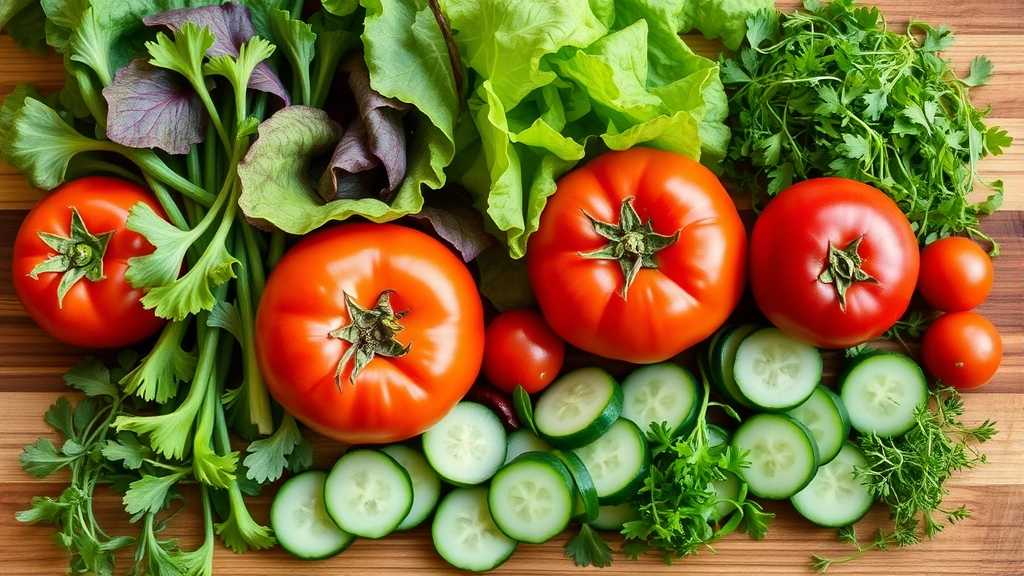
- 4 cups mixed fresh lettuce and greens (butterhead, romaine, arugula, spinach)
- 1 cup cherry tomatoes, halved
- 1 cucumber, thinly sliced
- ½ cup shredded carrots
- ¼ cup radish slices
- 2 tablespoons microgreens or sprouts
- ¼ red onion, thinly sliced
- ¼ cup fresh herbs (basil, dill, or parsley)
- 3 tablespoons extra-virgin olive oil
- 1 tablespoon fresh lemon juice or apple cider vinegar
- 1 teaspoon Dijon mustard
- Salt and freshly ground black pepper to taste
Instructions:
- Wash all greens and vegetables gently under cool water immediately after harvesting. Pat dry with clean paper towels or use a salad spinner to remove excess moisture.
- Tear or cut larger lettuce leaves into bite-sized pieces. Keep delicate greens intact when possible to preserve texture and appearance.
- Prepare your dressing by whisking together olive oil, lemon juice, mustard, salt, and pepper. Adjust ratios according to personal preference—most prefer a three-to-one oil-to-acid ratio for balanced flavor.
- Combine all vegetables and greens in a large bowl just before serving. Dress lightly to prevent wilting and sogginess.
- Toss gently to coat evenly, ensuring dressing reaches all components. Top with microgreens for visual appeal and concentrated flavor.
- Serve immediately while greens maintain maximum crispness and vibrancy.
The beauty of this garden salad recipe lies in its flexibility. Customize based on seasonal availability and personal preferences. Spring brings tender peas and asparagus tips. Summer offers abundant tomatoes, cucumbers, and fresh herbs. Fall introduces root vegetables and heartier greens. Winter provides storage crops and hardy winter varieties. Your evolving garden naturally guides your recipe variations.
Companion Planting for Flavor Enhancement
Strategic companion planting amplifies your garden salad recipe’s flavor profile while supporting overall garden health. Plant aromatic herbs near salad greens to enhance nearby crops. Basil improves lettuce flavor while deterring pests. Dill and cilantro add complexity and attract beneficial insects. These herbs transition seamlessly into your prepared salads.
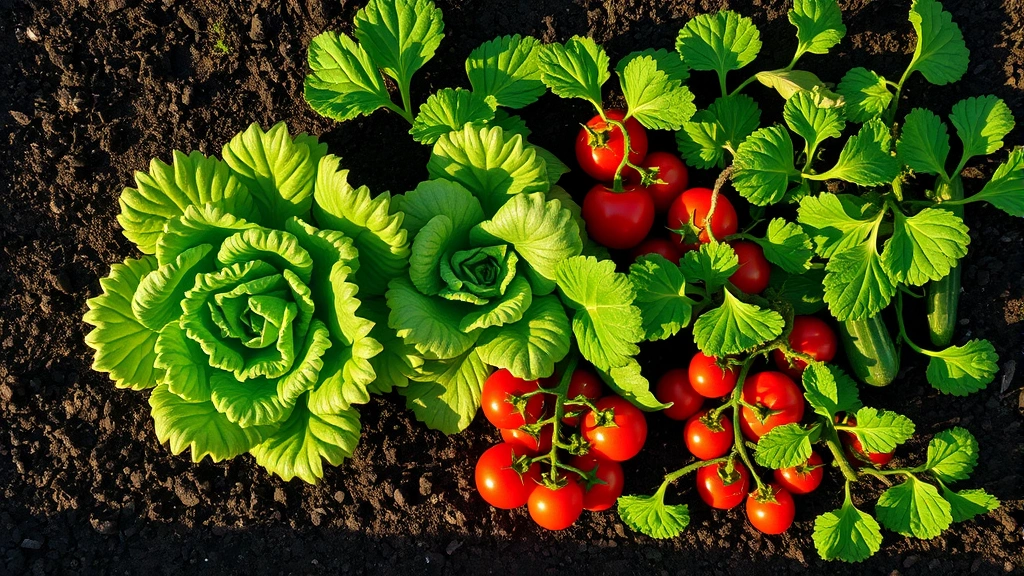
Vegetables grown nearby influence taste development. Tomatoes planted adjacent to lettuce don’t directly affect greens but create convenient harvesting locations for complete salads. Radishes protect lettuce from leaf miners while their peppery flavor complements mild greens perfectly. Carrots occupy different soil depths, reducing competition while providing complementary sweetness and crunch.
Marigolds and nasturtiums offer dual benefits. Their vibrant flowers add visual excitement to salads while their pest-deterrent properties protect greens. Edible nasturtium flowers deliver peppery notes similar to arugula, expanding your salad possibilities. These flowers attract pollinators and beneficial insects essential for overall garden health.
Avoid planting salad greens near heavy feeders like corn or brassicas that compete aggressively for nutrients. Instead, follow heavy feeders with greens to utilize residual soil fertility. This rotation strategy maximizes productivity across your entire growing space while maintaining soil health for future seasons.
Storage and Preservation Tips
Maximizing your harvest’s longevity extends your garden salad recipe enjoyment beyond immediate consumption. Proper storage maintains crispness and nutritional value. Store unwashed greens in breathable containers lined with paper towels. The towels absorb excess moisture that promotes decay. Maintain refrigerator temperatures between 32 and 40 degrees Fahrenheit for optimal preservation.
Most greens remain fresh for three to seven days when properly stored. Hardier varieties like kale and chard last longer than delicate butterhead or oak leaf lettuces. Spinach and arugula fall somewhere between. Check stored greens regularly, removing any deteriorating leaves before they compromise surrounding produce.
Washing timing impacts longevity. Unwashed greens store longer, but washing immediately before consumption ensures freshness and food safety. Gently rinse under cool water and pat dry thoroughly. Excess moisture accelerates deterioration and promotes mold growth.
For extended preservation, consider freezing or dehydrating. While frozen greens lose crispness unsuitable for fresh salads, they work beautifully in smoothies, soups, and cooked dishes. Dehydrated microgreens concentrate flavors and store for months. These preservation methods ensure your garden’s bounty extends through seasons when fresh production halts.
When implementing storage strategies, remember that homegrown produce’s superior quality means even slightly aged greens surpass supermarket alternatives. Your commitment to growing fresh salad ingredients guarantees nutritional superiority and flavor depth impossible to achieve otherwise.
FAQ
What’s the best garden salad recipe for beginners?
Start simple with basic lettuce, tomatoes, cucumbers, and a straightforward oil-and-vinegar dressing. As confidence grows, experiment with diverse greens and homemade vinaigrettes. This gradual approach builds skills while maintaining success and enjoyment.
How often should I harvest salad greens for continuous production?
Harvest outer leaves every three to five days once plants mature. This frequency maintains plant vigor while providing regular fresh greens. Avoid harvesting more than one-third of the plant at once to prevent stress and maintain productivity.
Can I grow salad greens in containers?
Absolutely! Containers work excellently for salad greens. Use containers at least six inches deep with drainage holes. Fill with quality potting mix and maintain consistent moisture. Container growing offers flexibility, accessibility, and protection from ground pests. Consider using a garden kneeler when tending containers at various heights for comfort and proper ergonomics.
What’s the optimal watering schedule for salad greens?
Water when the top inch of soil becomes dry, typically every one to two days depending on weather and soil type. Use drip irrigation or soaker hoses to deliver water directly to roots. Consistent moisture prevents bolting and maintains tender, flavorful leaves. An expandable garden hose simplifies watering tasks across larger garden spaces.
Which pests commonly affect salad gardens?
Aphids, flea beetles, and leaf miners represent common salad garden pests. Row covers provide excellent protection for young plants. Neem oil or insecticidal soap address infestations organically. Encouraging beneficial insects through companion planting prevents pest populations naturally. Regular inspection catches problems early before significant damage occurs.
How do I prevent my lettuce from bolting?
Bolting occurs when temperatures exceed 75 degrees Fahrenheit consistently. Provide afternoon shade during hot months, maintain consistent moisture, and harvest regularly. Choose heat-tolerant varieties for summer growing. In extreme heat, shift focus to heat-loving alternatives like New Zealand spinach or kale.
Can I grow salad greens year-round?
Yes! Combine seasonal outdoor growing with indoor methods using grow lights during winter. Cold frames extend fall and spring seasons significantly. Hardy winter varieties survive freezing temperatures in many regions. This multi-method approach ensures fresh salad greens throughout the year.
What makes homegrown salad greens taste better than store-bought?
Homegrown greens reach your table within hours of harvest, maintaining peak flavor and texture. You control growing conditions, eliminating pesticides and ensuring optimal ripeness. The freshness difference is remarkable—store-bought greens often travel for days, losing vitality and taste. Your garden salad recipe benefits from this incomparable quality difference.


