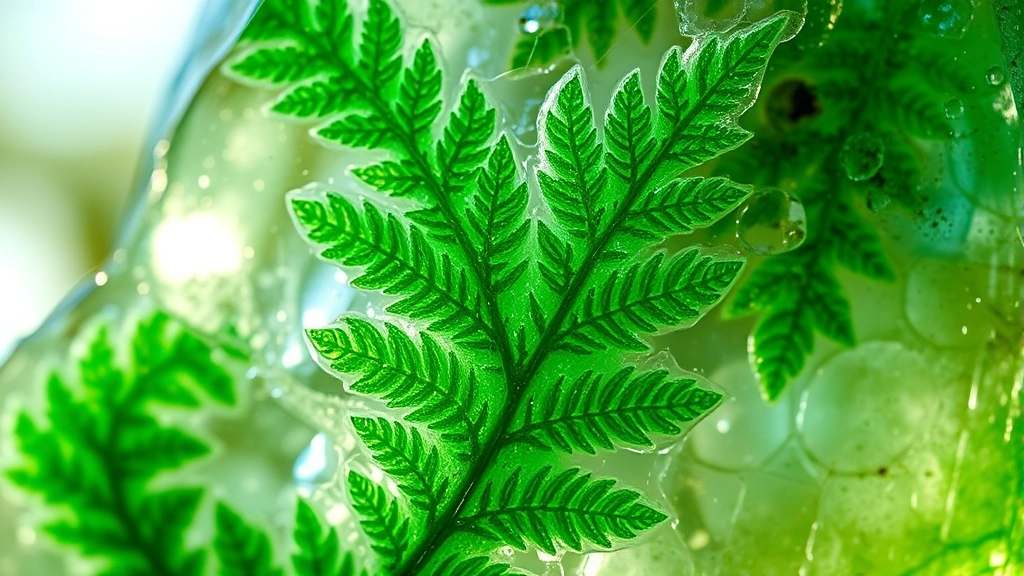
Garden quartz stands as one of nature’s most captivating gemstones, embodying the intricate beauty of mineral formations found within garden settings and natural landscapes. This unique variety of quartz contains visible inclusions of other minerals, creating stunning visual patterns that resemble miniature gardens trapped within stone. For gardeners and mineral enthusiasts alike, understanding garden quartz reveals the fascinating intersection between geology and horticulture, offering insights into how natural processes create these botanical-inspired treasures.
Whether you’re cultivating a physical garden or collecting mineral specimens, garden quartz represents a remarkable example of how nature creates art through time and geological processes. The inclusions found within garden quartz often resemble living plants, moss, and garden landscapes, which is precisely how this gemstone earned its evocative name. Understanding the formation, characteristics, and significance of garden quartz can deepen your appreciation for both gemology and the natural world surrounding your garden.
Understanding Garden Quartz Composition
Garden quartz fundamentally comprises silicon dioxide (SiO2), the same mineral composition as standard quartz varieties. However, what distinguishes garden quartz is the presence of mineral inclusions that create the distinctive garden-like appearance. These inclusions typically consist of chlorite, feldspar, mica, and other minerals that were trapped within the quartz during its crystalline formation process. The primary quartz matrix remains clear or slightly cloudy, allowing these inclusions to be clearly visible and create the botanical aesthetic that defines this gemstone.
The mineral inclusions within garden quartz create patterns that genuinely resemble miniature landscapes. Chlorite inclusions, which appear green, often create the most striking garden-like appearance, resembling moss, foliage, or vegetation. Iron oxide inclusions may appear as reddish or brownish tones, while feldspar inclusions can create white or translucent patterns. This combination of minerals working together within a single specimen produces the remarkable visual effect that makes garden quartz so appealing to both gemologists and gardening enthusiasts who appreciate nature’s artistic capabilities.
Understanding the chemistry behind garden quartz helps explain why these stones are so durable and suitable for various applications. The silicon dioxide matrix provides exceptional hardness, rating 7 on the Mohs hardness scale, making it resistant to scratching and suitable for jewelry, decorative pieces, and landscape applications. When considering garden quartz for your home or collection, recognizing its mineral composition ensures you understand its durability and care requirements.
Formation Process and Geological Origins
Garden quartz forms through a fascinating geological process that typically occurs over millions of years within specific environmental conditions. The formation begins when silicon dioxide solutions percolate through rock formations and cavities. As these solutions cool and concentrate, quartz crystals begin to precipitate and grow. During this crystallization process, if other minerals are present in the surrounding rock matrix, they become incorporated into the growing quartz crystal, creating the distinctive inclusions characteristic of garden quartz.
The geographical locations where garden quartz forms are particularly significant for understanding this gemstone. Major deposits exist in Brazil, particularly in the state of Minas Gerais, which is renowned for producing exceptionally clear specimens with vibrant green chlorite inclusions. Other notable sources include India, Madagascar, and various locations throughout South America. The specific geological conditions in these regions—including mineral-rich groundwater, appropriate temperature ranges, and extended time periods—create ideal circumstances for garden quartz formation. Exploring these geological origins connects directly to understanding how natural processes create the specimens we find in collections and decorative applications.
The time required for garden quartz formation spans geological epochs. Most specimens took hundreds of thousands to millions of years to develop their characteristic appearance. This extended formation period allowed multiple mineral-bearing solutions to percolate through the quartz crystal, depositing successive layers of inclusions that create the complex, layered appearance many specimens display. Understanding this temporal scale helps collectors appreciate the ancient history represented in each garden quartz specimen.
Visual Characteristics and Inclusion Types
The visual appeal of garden quartz depends entirely on the types and arrangements of mineral inclusions present within the specimen. The most desirable garden quartz displays clear, well-defined botanical patterns that genuinely resemble miniature gardens or landscapes. These patterns can range from delicate, fern-like formations to dense, moss-covered appearances, depending on the concentration and distribution of inclusions throughout the crystal.
Chlorite inclusions produce the classic green coloration associated with garden quartz. These green patterns often appear feathery or branching, resembling actual plant growth patterns. The intensity of the green color varies depending on chlorite concentration—some specimens display pale sage green, while others showcase deep, rich emerald tones. The most prized specimens feature vibrant, clearly defined green patterns that create unmistakable botanical imagery within the transparent quartz matrix.
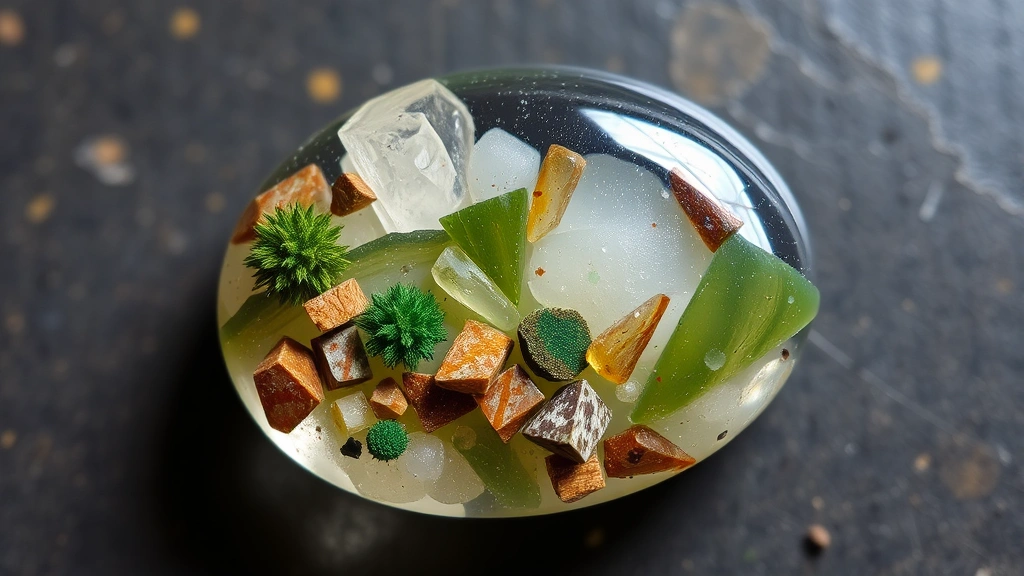
Beyond chlorite, other minerals create additional visual interest within garden quartz specimens. Goethite and limonite inclusions produce golden, amber, or reddish-brown coloration that can resemble soil or earth tones within the stone. Feldspar inclusions appear white or translucent, often creating cloud-like formations that enhance the landscape effect. Some specimens contain multiple inclusion types, creating complex, multi-colored scenes that resemble actual garden vistas with various plants, soil, and sky elements represented through different mineral compositions.
When examining garden quartz specimens, clarity of the primary quartz matrix significantly impacts visual quality. The clearest specimens allow inclusions to stand out dramatically against the transparent background. However, some collectors appreciate slightly cloudy or milky quartz matrices, as these can create atmospheric effects that enhance the landscape appearance. The orientation of inclusions matters considerably—specimens where inclusions cluster toward one end often resemble actual garden scenes more effectively than evenly distributed specimens.
Garden Quartz in Horticulture and Landscaping
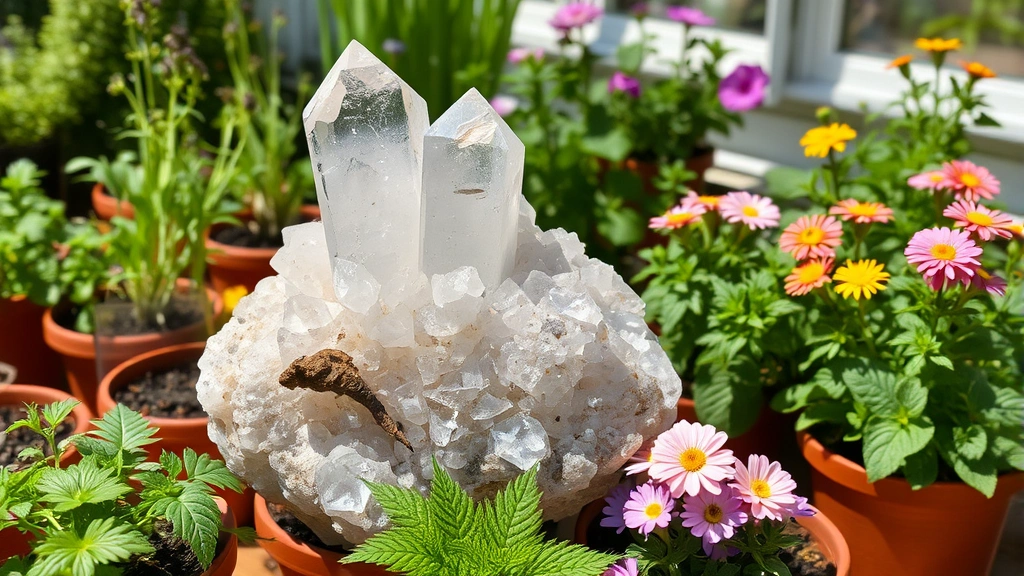
While garden quartz is primarily a gemstone, its aesthetic qualities make it increasingly popular in horticultural and landscaping applications. Many gardeners incorporate garden quartz specimens into butterfly garden plants displays, using the stones as decorative focal points that complement living plant collections. The botanical imagery within each stone creates a natural aesthetic that harmonizes with garden environments, making garden quartz an ideal choice for gardeners seeking to blend mineral collecting with horticultural interests.
In landscape design, garden quartz can serve multiple purposes. Larger specimens work beautifully as decorative accent stones in garden beds, rock gardens, or meditation spaces. The stones’ botanical appearance creates visual interest without requiring the maintenance demands of living plants. Many landscape designers recommend using garden quartz in drought-resistant gardens or xeriscaping projects, where the stones’ permanent beauty provides lasting visual appeal without water consumption. This makes garden quartz particularly valuable for environmentally conscious gardeners seeking sustainable landscape solutions.
Garden quartz also appears in specialized applications related to plant cultivation. Some gardeners place smaller specimens in potted plants or growing mint in pots as decorative elements that enhance container gardens. The stones’ natural appearance complements plant containers and creates interesting visual layers within garden displays. Additionally, certain herb garden enthusiasts use garden quartz specimens as botanical reference materials, appreciating how the mineral inclusions resemble actual herb plants they cultivate.
For those developing sunflower gardens or other specialized plantings, garden quartz provides thematic decoration that reinforces the garden’s botanical focus. Placing specimens near plant beds or incorporating them into garden pathways creates a cohesive aesthetic that blends mineral and botanical interests. The permanence of garden quartz contrasts beautifully with the seasonal changes of living plants, creating dynamic visual compositions throughout the year.
Collecting and Identifying Authentic Specimens
Identifying authentic garden quartz requires understanding key characteristics that distinguish genuine specimens from imitations or misidentified stones. Authentic garden quartz exhibits specific properties that collectors should recognize when evaluating potential acquisitions. The primary quartz matrix should display the characteristic hardness and clarity associated with genuine quartz, resisting scratching from ordinary materials while maintaining transparency.
Genuine garden quartz inclusions appear naturally distributed throughout the stone, without uniform patterns suggesting artificial creation. Collectors should examine specimens carefully, looking for inclusions that follow natural geological patterns rather than appearing painted, stained, or artificially inserted. Authentic specimens often display slight variations in inclusion density and coloration, reflecting the natural variations inherent in geological processes. Inclusions should be completely enclosed within the quartz matrix, not appearing on surfaces where they could be artificially applied.
When collecting garden quartz, sourcing from reputable gemstone dealers and established mineral suppliers ensures authenticity. Requesting documentation regarding specimen origin, particularly noting Brazilian or other recognized sources, provides confidence in authenticity. Many legitimate dealers provide detailed descriptions of specimen characteristics, inclusion types, and estimated age, information that supports informed collecting decisions. Avoid unusually inexpensive specimens that lack proper documentation, as these may represent misidentified stones or artificial creations.
Professional gemological examination can definitively confirm garden quartz authenticity. Certified gemologists use specialized equipment including magnification, specific gravity testing, and refractive index measurement to verify genuine specimens. For serious collectors investing in significant specimens, professional certification provides valuable documentation and authentication. This investment proves worthwhile for high-value pieces or when building serious collections.
Metaphysical Beliefs and Cultural Significance
Beyond its geological and aesthetic properties, garden quartz holds significant meaning in various cultural and metaphysical traditions. In crystal healing practices, garden quartz is believed to promote growth, renewal, and connection with nature. Practitioners suggest that the stone’s botanical appearance creates a symbolic link to plant life and natural cycles, making it valuable for those seeking to strengthen their relationship with the natural world. Many gardeners appreciate garden quartz specifically for these metaphysical associations, viewing the stones as spiritual representations of their horticultural pursuits.
Various cultures incorporate garden quartz into decorative and spiritual practices. In Feng Shui, garden quartz is sometimes recommended for creating balanced, nature-connected living spaces. The stone’s botanical imagery aligns with principles emphasizing harmony with natural elements. Some practitioners suggest placing garden quartz in specific locations within homes or gardens to promote positive energy flow and connection with natural growth processes. These cultural applications reflect the universal human appreciation for nature’s artistic capabilities represented within these remarkable stones.
The metaphysical traditions surrounding garden quartz emphasize themes of grounding, stability, and growth—concepts that resonate strongly with gardeners and plant enthusiasts. While scientific evidence doesn’t support metaphysical claims, many individuals find genuine value in the symbolic and psychological benefits of surrounding themselves with objects representing nature and growth. For gardeners, this psychological connection may enhance their appreciation for the natural world and their horticultural endeavors.
Caring for Your Garden Quartz Collection
Proper care ensures your garden quartz specimens maintain their beauty and value for decades. Despite quartz’s exceptional hardness, garden quartz specimens require thoughtful handling and storage to prevent damage to the crystal structure. Storing specimens in stable environments with consistent temperature and humidity prevents stress fractures that could damage the stone. Avoid exposing garden quartz to extreme temperature fluctuations, which can cause internal stress and potentially crack the crystal matrix.
Cleaning garden quartz requires gentle techniques that preserve both the quartz matrix and the mineral inclusions. Use lukewarm water and mild soap to gently clean specimens, avoiding harsh chemicals or abrasive scrubbing that could damage surface clarity or affect the appearance of inclusions. For stubborn dirt, soft brushes specifically designed for mineral specimens work effectively without causing damage. Avoid ultrasonic cleaners and steam cleaning, as these intense methods can potentially affect the stone’s internal structure and inclusion appearance.
When displaying garden quartz, consider lighting carefully to showcase the inclusions effectively. Natural or soft artificial light typically reveals the botanical patterns most beautifully, while harsh lighting can create glare that obscures the delicate inclusion details. Displaying specimens on gentle slopes or angles often presents the most visually interesting perspectives, allowing viewers to appreciate the botanical imagery from optimal angles. Protective cases or display stands prevent accidental damage while keeping specimens clean.
For gardeners incorporating garden quartz into outdoor landscape applications, consider seasonal protection. While quartz withstands outdoor conditions well, extreme weather events, heavy snow loads, or intense sun exposure over extended periods can affect surface appearance. Temporarily relocating specimens during severe weather protects them from unnecessary stress. Regular inspection ensures specimens remain in excellent condition throughout the seasons, maintaining their aesthetic appeal and value.
When using garden hoses for watering nearby plants or cleaning landscape areas, protect garden quartz specimens from direct high-pressure water spray, which could dislodge specimens or cause damage. Similarly, when using garden kneelers in areas where specimens are displayed, exercise care to avoid accidentally stepping on or crushing valuable pieces. These simple precautions ensure your collection remains beautiful and valuable indefinitely.
FAQ
What exactly is garden quartz made of?
Garden quartz consists of silicon dioxide (SiO2) as its primary component, with visible inclusions of other minerals like chlorite, feldspar, mica, and iron oxides. These inclusions create the distinctive garden-like appearance that defines this gemstone variety.
Where does garden quartz come from?
Major garden quartz deposits exist in Brazil, particularly Minas Gerais, along with significant sources in India, Madagascar, and various South American locations. Brazilian specimens are often considered highest quality, featuring vibrant green chlorite inclusions and excellent clarity.
How can I identify authentic garden quartz?
Authentic garden quartz displays naturally distributed inclusions throughout the quartz matrix, with no uniform patterns suggesting artificial creation. The primary quartz should exhibit genuine hardness and clarity, with inclusions appearing completely enclosed within the stone rather than on surfaces.
Is garden quartz suitable for jewelry?
Yes, garden quartz’s hardness rating of 7 on the Mohs scale makes it suitable for jewelry applications. However, it’s best suited for pendants, earrings, or brooches rather than rings or bracelets, which experience more frequent contact and potential damage.
Can garden quartz be used in gardening applications?
While primarily a gemstone, garden quartz works beautifully as decorative landscaping stone, accent pieces in garden beds, or decorative elements in potted plant displays. Its botanical appearance creates natural aesthetic appeal without requiring maintenance.
How should I store garden quartz specimens?
Store garden quartz in stable environments with consistent temperature and humidity. Use protective cases or display stands, avoid extreme temperature fluctuations, and keep specimens away from harsh chemicals or high-pressure water spray.
What do the inclusions in garden quartz represent?
The inclusions resemble actual botanical elements—chlorite creates green, plant-like patterns; iron oxides produce earth-tone coloration; and feldspar creates cloud-like formations. Together, these create the miniature landscape appearance that defines garden quartz.
How old is garden quartz?
Most garden quartz specimens formed over hundreds of thousands to millions of years through gradual crystallization processes and mineral deposition. This extended formation period creates the complex, layered inclusion patterns characteristic of quality specimens.


