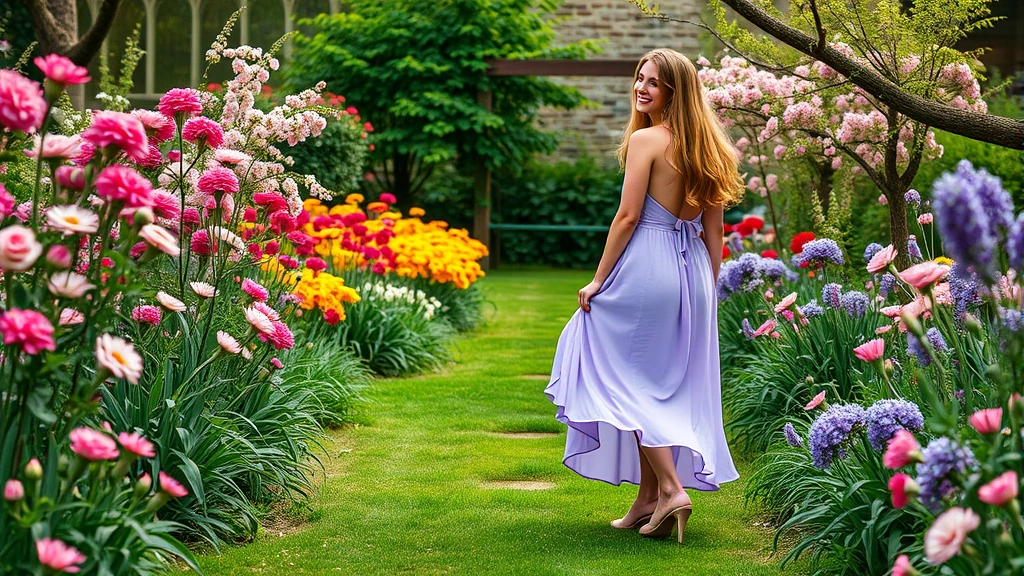
Planning to attend a garden party wedding? The setting demands thoughtful consideration of your attire. A garden wedding guest dress should harmonize with natural surroundings while maintaining elegance and comfort. Whether you’re navigating a spring celebration among blooming flowers or an autumn gathering under mature trees, your clothing choices can either enhance or detract from the enchanting atmosphere. This guide explores practical styling advice grounded in horticultural aesthetics and seasonal awareness.
Garden venues present unique challenges and opportunities for fashion. Unlike indoor receptions, outdoor celebrations demand attention to terrain, weather patterns, and the visual landscape itself. Your dress should complement the botanical backdrop while allowing freedom of movement across potentially uneven ground. Understanding how to coordinate your appearance with the natural environment transforms you from a guest into a harmonious element of the celebration.
Understanding Garden Wedding Aesthetics
Garden weddings celebrate the intersection of human celebration and botanical beauty. The plants, flowers, and landscape design create a living backdrop that influences appropriate guest attire. A well-chosen dress should acknowledge this botanical context rather than compete with it. Consider the specific garden’s character: formal English gardens demand different styling than wildflower meadows or contemporary manicured landscapes.
The color of surrounding vegetation plays a crucial role in your outfit selection. If the garden features predominantly green foliage with colorful flowering plants, softer, more muted tones in your dress allow the garden to remain the visual focal point. Conversely, gardens with minimal flowering might support bolder color choices. This principle aligns with how plant propagation and cultivation creates diverse visual landscapes throughout the year.
Consider the garden’s maturity and maintenance level. Established gardens with mature trees and shrubs create romantic, intimate atmospheres suited to flowing, elegant fabrics. Newly developed gardens or container-focused spaces might feel more contemporary, allowing for modern dress silhouettes. The botanical composition directly influences what styles appear most harmonious within the space.
Seasonal Color Palettes and Plant Timing
Spring garden weddings coincide with peak flowering periods. Pastels like soft pink, lavender, pale yellow, and mint green complement cherry blossoms, tulips, and flowering shrubs. These colors echo the natural color palette without appearing costume-like. Avoid neon or overly saturated versions of spring colors, which can clash with delicate blooms.
Summer gardens showcase lush green foliage with diverse flowering plants. Jewel tones—emerald, sapphire, deep coral—provide sophisticated contrast against verdant backgrounds. White and cream dresses offer timeless elegance in summer settings, particularly when gardens feature abundant flowering. Consider that summer heat demands breathable fabrics; understanding how garden soil preparation affects plant health also reminds us that thriving gardens require optimal conditions, much like your comfort requires appropriate fabric choices.
Autumn garden parties feature warm foliage tones, golden light, and late-season bloomers. Rust, burgundy, bronze, chocolate brown, and burnt orange harmonize beautifully with fall landscapes. Jewel tones like deep plum and forest green also work exceptionally well. These colors complement the season’s natural color transitions and golden-hour lighting.
Winter garden weddings are less common but increasingly popular. Evergreen foliage dominates, with perhaps frosted elements or early spring bulbs emerging. Deep jewel tones, white, silver, and champagne create elegant contrast. Consider that winter gardens often feature architectural plant structures; your dress can echo these clean lines through tailored silhouettes.
Fabric Selection for Outdoor Comfort
Natural fabrics excel in garden settings for both aesthetic and practical reasons. Linen, cotton, and silk breathe well in outdoor temperatures while appearing appropriately formal. Linen’s slight texture complements natural surroundings better than synthetic alternatives. Cotton blends offer wrinkle resistance without sacrificing comfort. Pure silk provides elegance but requires careful handling on potentially muddy terrain.
Weight matters significantly. Lightweight fabrics prevent overheating in warm weather but may require layering in cooler seasons. Medium-weight fabrics offer versatility across shoulder seasons. Heavy fabrics like velvet work beautifully for winter garden events but become uncomfortable in warm conditions. Test your dress choice in outdoor settings if possible before the event.
Avoid overly shiny or reflective fabrics that create visual discord in natural light. Matte finishes harmonize better with botanical settings. Similarly, heavily embellished dresses with excessive sequins or metallic details can appear out of place in garden environments. Simple elegance trumps elaborate ornamentation in outdoor botanical spaces.
Consider fabric maintenance. Gardens present exposure to moisture, pollen, and potential soil contact. Fabrics that resist wrinkles and staining provide practical advantages. Darker colors hide potential marks better than very light shades, though pale colors often appear more harmonious in spring and summer gardens.
Footwear Considerations for Garden Terrain
Garden terrain varies dramatically. Formal gardens feature manicured lawns and gravel paths, while naturalistic gardens include uneven ground, mulch, and potential obstacles. Your footwear must balance style with stability and practicality.
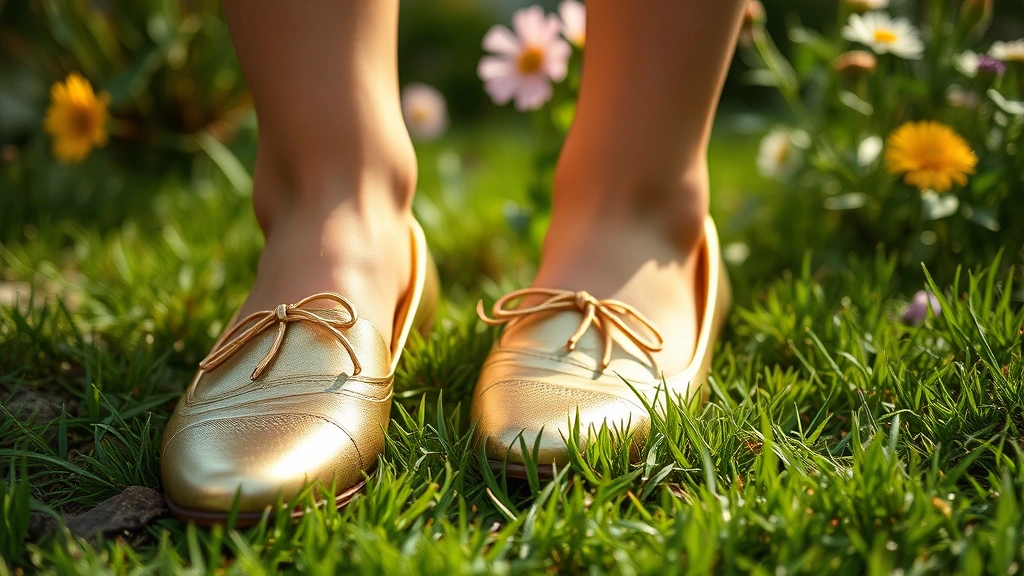
Flat shoes or low heels provide stability on uneven surfaces. Metallic flats, embellished ballet flats, or dressy sandals offer elegance without sacrificing safety. If you prefer heels, chunky or block heels distribute weight more effectively than thin stilettos, which sink into soft ground or catch on gravel. Wedge heels provide height while maintaining stability.
Consider the specific garden’s surface. Gravel paths require closed-toe shoes to prevent stones from entering open footwear. Grass lawns allow more shoe flexibility. Mulch-covered areas benefit from shoes with good grip. Many garden-savvy guests choose metallic or jewel-toned flats that appear elegant while remaining practical.
Avoid white or very light-colored shoes unless the garden features formal hardscaping. Soil, pollen, and organic matter will inevitably contact your footwear. Gold, silver, bronze, or jewel-toned shoes hide inevitable marks while complementing various dress colors. Some guests even select shoes matching their dress for streamlined elegance.
Accessory Choices That Enhance Natural Settings
Accessories should enhance rather than overwhelm. In garden settings, restraint creates sophistication. Garden accessories serve functional purposes in cultivation, while fashion accessories should serve aesthetic purposes in celebration.
Jewelry benefits from simplicity in botanical spaces. Delicate pieces in gold, silver, or rose gold work beautifully. Avoid chunky costume jewelry that competes with natural surroundings. Pearl jewelry offers timeless elegance particularly suited to garden celebrations. Statement pieces work only if they complement rather than dominate the botanical backdrop.
Hats and fascinators require careful consideration. Wide-brimmed hats provide sun protection and photograph beautifully in garden settings, particularly for daytime events. Choose styles in neutral colors or subtle patterns. Fascinators should be understated; elaborate designs appear theatrical in natural light. Some gardens feature beautiful shade; confirm whether hat wearing is practical for the specific venue.
Clutches and small bags should coordinate with your dress without overwhelming your silhouette. Metallic bags, structured clutches, or simple leather options work well. Avoid overly casual bags; garden weddings still demand formal accessory choices. Consider that you’ll navigate potentially muddy terrain; ensure your bag is easy to carry while moving across uneven ground.
Wraps and shawls serve dual purposes: warmth and elegance. Lightweight pashminas, silk wraps, or tailored jackets provide layering options while adding sophistication. Choose wraps that complement your dress color or provide subtle contrast. This layering approach aligns with how growing plants in containers requires attention to environmental conditions—just as plants need protection from temperature fluctuations, your outfit should adapt to outdoor temperature variations.
Weather-Appropriate Layering Strategies
Outdoor events present unpredictable weather challenges. Strategic layering allows you to remain comfortable and elegant throughout the celebration. Begin with a base dress appropriate to your venue’s temperature, then add layers for flexibility.
Lightweight cardigans, structured blazers, or tailored jackets provide warmth without bulk. Choose styles that complement your dress rather than appearing mismatched. A coordinating blazer in a similar color creates streamlined elegance. Contrasting jackets work if they intentionally complement your overall aesthetic.
Shawls and wraps offer elegant layering without the structured feel of jackets. Pashminas in neutral tones work with virtually any dress. Silk wraps provide sophisticated draping. Consider the event’s formality level when selecting wrapping styles; casual wraps suit afternoon garden parties, while more structured wraps work for evening celebrations.
Temperature fluctuations require planning. Spring and autumn garden weddings often feature cool mornings warming to comfortable afternoons, then cooling again for evening celebrations. Bring a wrap you can easily remove and reapply as needed. This flexibility ensures comfort throughout the event without requiring dress changes.
Footwear layering also matters. Bring backup shoes if you’re uncertain about garden terrain. Some guests keep flat shoes in their car, changing if heels prove impractical. This practical approach prevents the discomfort of inappropriate footwear while maintaining your elegant appearance.
Practical Tips for Garden Party Elegance
Confirm the garden venue’s specific characteristics before finalizing your outfit. Formal gardens, botanical gardens, country estates, and naturalistic landscapes each demand different styling approaches. Contact the hosts or check event details for venue descriptions. This research ensures your dress harmonizes with the actual setting rather than a generic garden concept.
Consider the event’s time of day. Morning and afternoon garden parties typically feature brighter light and warmer temperatures, allowing lighter fabrics and colors. Evening celebrations often require warmer layers and may benefit from slightly richer colors that photograph well in golden-hour or artificial lighting.
Photography planning influences outfit choices. Garden backdrops create beautiful photographs; your dress should complement rather than blend into the scenery. Solid colors often photograph better than busy patterns in natural settings. Consider how your dress appears in photographs against green foliage and flowering plants.
Test your outfit in advance if possible. Wear your dress and shoes around your home to ensure comfort and confidence. Walk on various surfaces to verify footwear stability. Sit down to confirm the dress drapes appropriately when seated. This preparation prevents day-of surprises and ensures you feel genuinely comfortable.
Bring practical items appropriate to outdoor settings. A small umbrella or parasol provides sun and light rain protection while adding elegant accessories. Insect repellent in a non-greasy formulation prevents bites without staining fabrics. A small clutch with tissues, lipstick, and breath mints maintains freshness throughout the event.
Understand the garden’s plant life and potential allergens. If you have pollen allergies, position yourself away from heavily flowering plants and consider antihistamines before the event. Some gardens feature fragrant plants; if strong scents trigger headaches, bring medication or position yourself in less fragrant areas.
Coordinate with other guests if you’re part of a group. Avoid everyone wearing identical colors or styles, which can appear costume-like. Instead, aim for complementary color palettes that create visual harmony without appearing planned. This approach respects the garden’s visual importance while allowing individual style expression.
Consider the couple’s aesthetic preferences. If the bride and groom have shared their vision for the celebration, align your outfit with their stated preferences. Some couples request specific color palettes or dress codes; honoring these requests shows respect while ensuring visual cohesion throughout the event.
Remember that garden weddings celebrate natural beauty. Your role as a guest includes enhancing the celebration without dominating attention. Elegant simplicity, appropriate colors, and comfortable confidence create the most harmonious garden party appearance. When your outfit feels natural within the botanical setting, you’ve achieved successful garden wedding guest styling.
Seasonal awareness informs every aspect of garden party dressing. Spring gardens burst with renewal energy; your dress should echo this vitality through fresh colors and flowing fabrics. Summer gardens showcase abundance; jewel tones and classic silhouettes work beautifully. Autumn gardens display transitional beauty; warm colors and rich textures complement the season’s natural palette. Winter gardens offer minimalist elegance; your dress can echo the season’s architectural clarity.
Beyond clothing choices, understanding garden environments enriches your appreciation of the celebration. Gardens represent significant investments of time, knowledge, and care. Just as selecting proper garden tools ensures successful cultivation, selecting appropriate attire ensures successful celebration participation. Your respectful acknowledgment of the botanical setting through thoughtful clothing choices honors both the venue and the hosts.
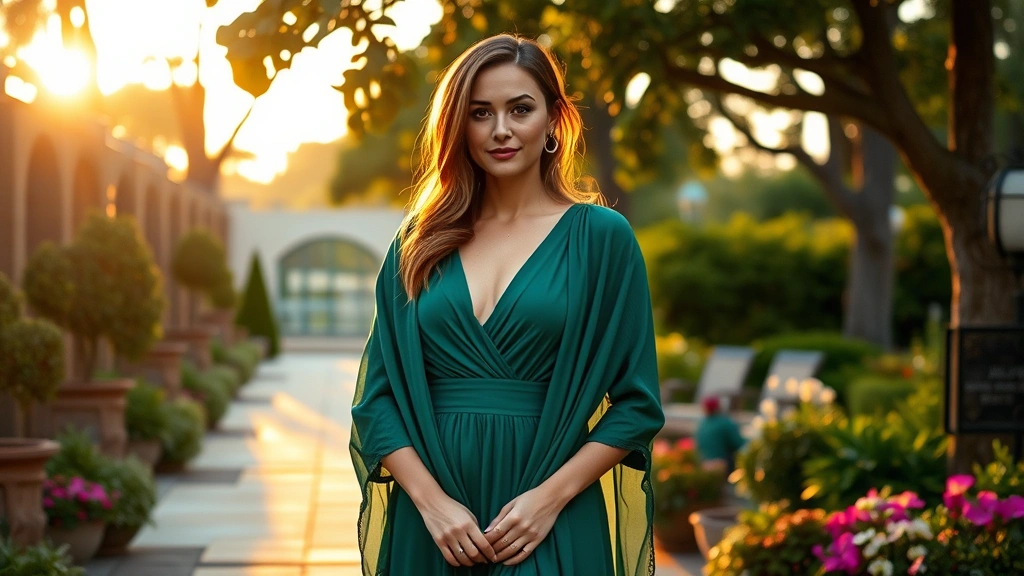
The most successful garden wedding guest outfits balance multiple considerations: seasonal appropriateness, venue compatibility, personal comfort, and elegant presentation. Your dress should allow you to move freely across varied terrain, maintain comfort despite outdoor temperature fluctuations, and harmonize with natural surroundings. When these elements align, you’ll feel confident, comfortable, and genuinely part of the celebration.
Garden parties represent opportunities to celebrate in nature’s presence. Your attire should reflect this honor through thoughtful choices that enhance rather than distract. Whether you select classic elegance, contemporary styling, or romantic femininity, ensure your choices acknowledge the botanical beauty surrounding the celebration. This approach transforms your outfit from simple clothing into a meaningful contribution to the event’s overall aesthetic harmony.
FAQ
What colors work best for spring garden weddings?
Soft pastels—blush pink, lavender, pale yellow, mint green, and light blue—complement spring blooms beautifully. These colors echo the season’s natural palette without overwhelming delicate flowering plants. Avoid neon or overly saturated versions, which can clash with spring’s gentle aesthetic.
Can I wear white to a garden wedding as a guest?
Yes, white works beautifully for garden weddings unless the invitation specifies otherwise. White harmonizes with most garden settings and photographs wonderfully. Ensure your white dress isn’t bridal in style; a guest dress in white works perfectly when it differs from the bride’s wedding gown.
What shoes are appropriate for garden terrain?
Flat shoes, low heels, block heels, and wedges provide stability on uneven ground. Metallic flats, dressy sandals, or embellished options offer elegance while remaining practical. Avoid thin stilettos that sink into soft ground. Choose colors that hide soil marks—gold, silver, bronze, or jewel tones work better than white or very light shades.
Should I avoid patterns in garden settings?
Subtle patterns work beautifully in gardens. Small florals, delicate geometric designs, and understated prints complement botanical settings. Avoid large, bold patterns that compete with the garden’s natural patterns and colors. Solid colors often photograph better and provide cleaner visual lines in natural settings.
How do I stay cool in a garden wedding dress?
Choose lightweight natural fabrics like linen, cotton, or silk. Select sleeveless or short-sleeved styles in warm weather. Avoid heavy fabrics, excessive layers, and dark colors that absorb heat. Bring a lightweight wrap for temperature fluctuations. Ensure your dress allows air circulation and won’t cling uncomfortably in warm conditions.
What accessories complement garden wedding settings?
Delicate jewelry in gold, silver, or rose gold works beautifully. Simple clutches, structured bags, or metallic options coordinate well. Lightweight wraps, pashminas, or silk shawls provide elegant layering. Hats and fascinators should be understated. Choose accessories that enhance rather than overwhelm your overall appearance.
How do I prepare for unpredictable garden weather?
Bring a lightweight wrap or shawl for temperature changes. Keep a small umbrella or parasol for sun and light rain protection. Wear footwear suitable for the specific garden’s terrain. Choose fabrics that resist wrinkles and staining. Have backup shoes available if needed. Check weather forecasts before the event and adjust your outfit accordingly.


