Garden Obelisk Ideas: Expert Design Tips for Vertical Growing
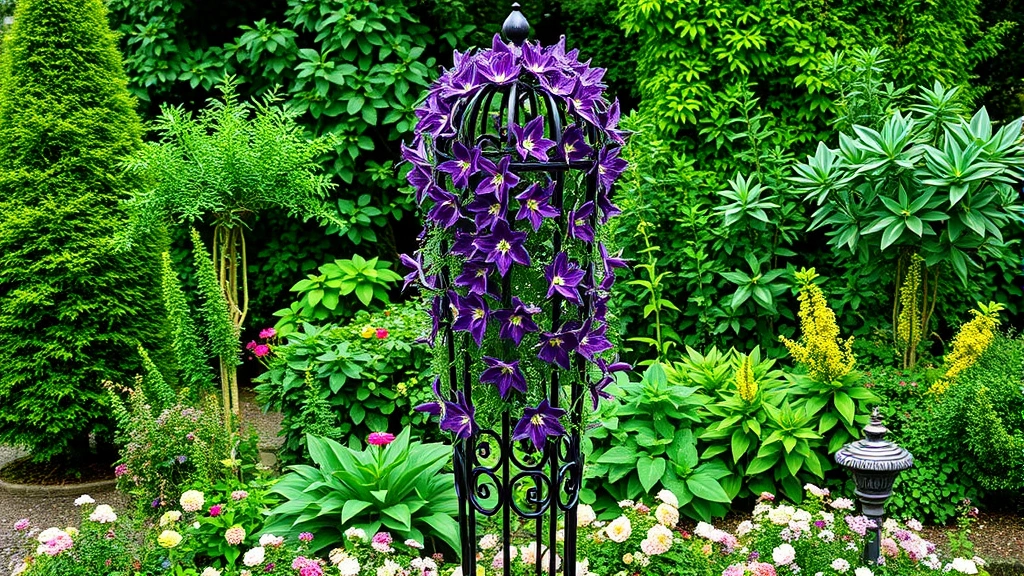
A garden obelisk is one of the most elegant and functional structures you can add to your outdoor space. Whether you’re looking to maximize growing space, create visual interest, or add architectural charm, obelisks serve as both practical climbing supports and stunning focal points. These vertical garden structures have been used for centuries to train climbing vines, support vegetables, and define garden spaces with style.
The beauty of incorporating a garden obelisk into your landscape design lies in its versatility. From traditional wrought iron designs to modern copper finishes, obelisks can complement any garden aesthetic while solving real growing challenges. In this comprehensive guide, we’ll explore creative design ideas, material options, placement strategies, and plant selections to help you maximize the potential of this timeless garden feature.
Understanding Garden Obelisk Structures
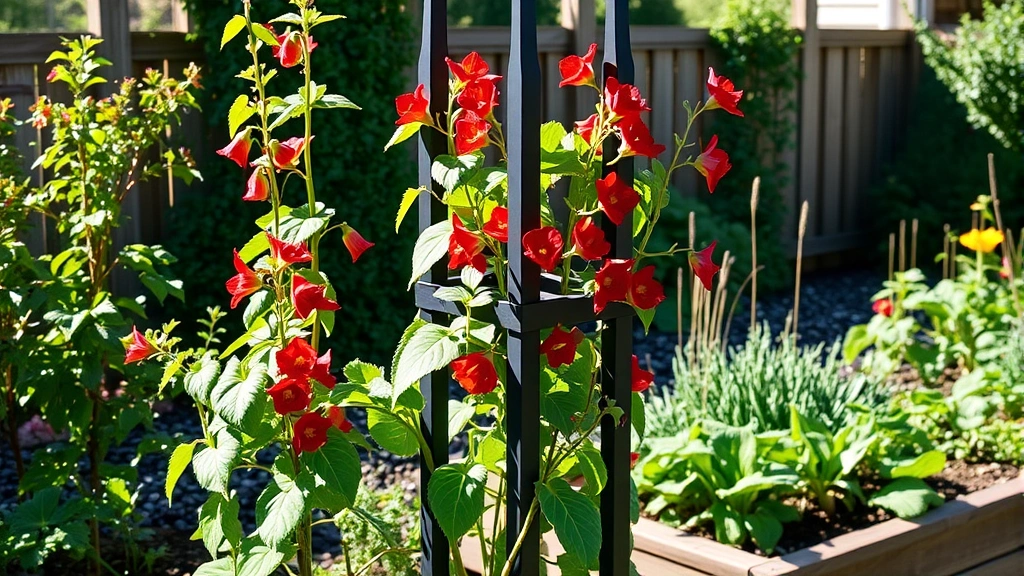
A garden obelisk is essentially a tall, four-sided pyramidal framework designed to support climbing plants and vines. Unlike traditional trellises or arbors, obelisks create a three-dimensional growing space that can be viewed from all angles, making them ideal for central garden locations or prominent landscape features. The geometric shape naturally guides plant growth upward while creating visual drama in any garden setting.
The structure typically features a pointed top and widens gradually toward the base, creating stability while allowing for dense foliage coverage. This classic design has proven effective for centuries because it combines functionality with aesthetic appeal. Modern gardeners appreciate obelisks for their ability to transform small spaces into lush vertical gardens, reduce ground-level disease pressure on climbing plants, and create natural privacy screens or windbreaks.
When planning your garden soil preparation, consider that obelisk-grown plants benefit from consistent moisture and nutrient availability at the base. The concentrated root zone requires thoughtful soil amendment and regular feeding schedules to support vigorous vertical growth.
Material Options and Durability
Selecting the right material for your garden obelisk determines its longevity, aesthetic impact, and maintenance requirements. Each material offers distinct advantages and considerations for different garden environments and design preferences.
Wrought Iron remains the classic choice for traditional gardens. Wrought iron obelisks develop a beautiful patina over time and can last for decades with minimal maintenance. They’re exceptionally strong, supporting heavy climbing plants like clematis and honeysuckle without sagging. The downside is their weight, which requires sturdy installation, and they benefit from occasional rust treatment or protective coatings.
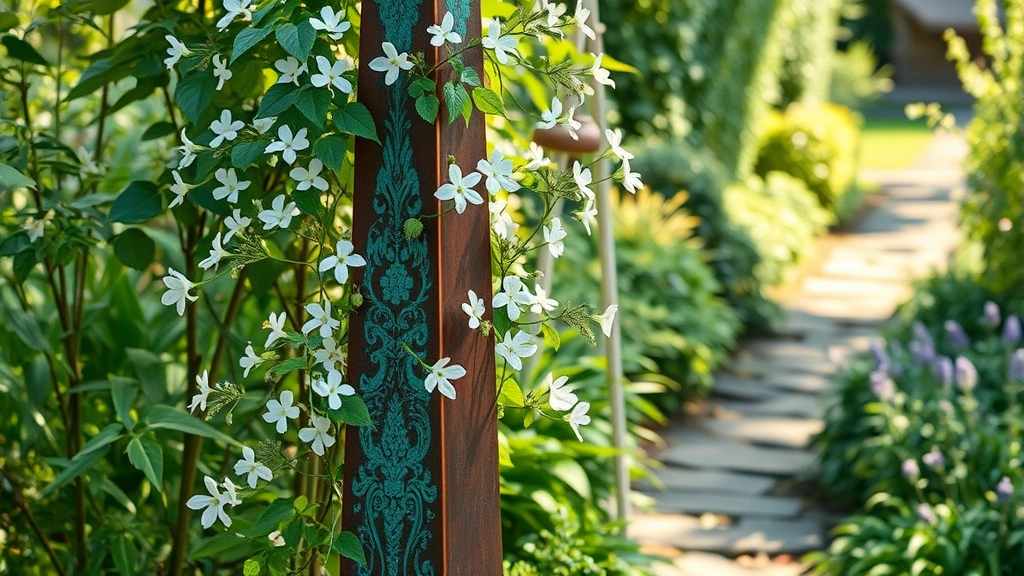
Copper obelisks offer premium aesthetics and natural antimicrobial properties. Copper develops a distinctive green patina that adds character to garden designs. While more expensive initially, copper requires virtually no maintenance and becomes more beautiful with age. The material won’t rust and provides excellent durability in coastal or humid climates.
Wood obelisks provide warm, natural appeal and blend seamlessly into traditional cottage gardens. Pressure-treated lumber, cedar, or redwood varieties resist rot and insect damage. Wooden obelisks are lighter than metal alternatives, making installation easier. However, they require periodic staining or sealing to maintain appearance and prevent deterioration, typically every 2-3 years.
Steel obelisks offer modern design possibilities with excellent strength-to-weight ratios. Powder-coated steel comes in numerous colors and finishes, allowing customization to match garden themes. Steel is more affordable than copper or wrought iron while providing comparable durability when properly finished. Black or dark-colored steel obelisks create striking contemporary focal points.
Bamboo obelisks provide eco-friendly, lightweight options perfect for easy-to-grow vegetable gardens and Asian-inspired landscapes. Bamboo is naturally sustainable and requires minimal processing. These structures work well for smaller climbing plants and herbs. While less durable than metal alternatives, quality bamboo obelisks can last 5-7 years with basic maintenance.
Sizing Your Garden Obelisk
Choosing the correct size ensures your obelisk proportions match your garden space and plant requirements. Too small, and you’ll restrict plant growth; too large, and your structure dominates the landscape without purpose.
Standard heights range from 4 to 8 feet, with 6 feet being the most popular choice for residential gardens. This height provides adequate growing space for most climbing plants while remaining accessible for training and maintenance. Consider your sightlines and how the obelisk will be viewed from different vantage points in your garden.
Base width typically measures one-third to one-half of the total height. A 6-foot obelisk should have a base diameter of 2-3 feet, providing stability while remaining visually proportionate. Wider bases increase stability for heavy vine coverage and windy locations.
Spacing considerations matter when placing multiple obelisks. Position them at least 8-10 feet apart to create distinct focal points rather than a cluttered appearance. In smaller gardens, a single statement obelisk works better than multiple structures.
Consider the mature size of plants you’ll grow. Vigorous varieties like trumpet vine or climbing hydrangea need taller structures with wider spacing between framework pieces. Delicate climbers like clematis varieties work beautifully on compact obelisks with narrower spacing.
Plant Selection Guide
Successful obelisk gardens depend on selecting appropriate climbing plants suited to your climate, light conditions, and maintenance preferences. Different plant types offer varying aesthetic qualities and growth habits.
Flowering Vines create spectacular seasonal displays. Clematis varieties offer extensive color options from deep purple to pale pink, blooming at different times throughout the season. Trumpet vine produces vibrant orange-red flowers attracting hummingbirds. Morning glory creates delicate blue or pink blooms daily. Climbing roses add classic elegance with fragrant flowers. These flowering plants typically require full sun (6+ hours daily) and well-draining soil.
Foliage Climbers provide year-round visual interest. Ivy varieties offer evergreen coverage in shade or partial shade, though they require regular pruning to prevent overwhelming the structure. Climbing hydrangea develops lacy white flowers with attractive peeling bark. Clematis armandii produces fragrant white flowers and maintains foliage year-round in mild climates. These plants excel at creating privacy screens and softening architectural lines.
Edible Climbers combine beauty with function. Pole beans grow rapidly and produce edible harvests, perfect for raised garden beds with obelisk support. Cucumber varieties climb gracefully, producing fruit at convenient heights. Peas offer delicate foliage and sweet edible pods. Kiwi vines produce fragrant flowers followed by nutritious fruit in warmer climates. These productive plants require consistent moisture and regular feeding.
Perennial Climbers provide long-term structure. Honeysuckle returns reliably each year with fragrant tubular flowers and attracts pollinators. Clematis jackmanii offers reliable deep purple blooms. Akebia produces unusual maroon flowers with vanilla fragrance. These established plants require less intensive management once established and create permanent garden features.
Annual Climbers offer flexibility and seasonal variety. Sweet peas provide delicate flowers and fragrance, blooming prolifically in cool seasons. Scarlet runner beans produce ornamental red flowers with edible beans. Nasturtiums offer cheerful flowers and edible leaves. These plants complete their lifecycle in one season, allowing you to refresh your obelisk display annually.
Design Placement Strategies
Strategic placement transforms a garden obelisk from a simple plant support into a powerful design element that enhances your entire landscape. Consider sight lines, garden zones, and functional relationships when selecting locations.
Focal Point Placement positions obelisks at garden termination points or intersection of pathways. This draws the eye and creates visual structure in the landscape. Obelisks at the end of a pathway encourage exploration and create garden rooms. Placing them at garden corners softens hard angles and creates visual interest from multiple viewpoints.
Entrance Framing uses paired obelisks to mark garden entries or gate openings. This classic technique creates a sense of arrival and defines transitions between spaces. Matching obelisks with identical climbing plants on each side creates formal symmetry, while asymmetrical plantings offer contemporary appeal.
Vertical Layering integrates obelisks into mixed borders. Position them behind shorter perennials and shrubs to create depth and dimension. This technique maximizes space in small gardens while creating natural-looking plant communities. Obelisks help support back-border plants that might otherwise flop or require staking.
Shade Creation positions obelisks to provide dappled shade for heat-sensitive plants. Vigorous vines create filtered light that reduces afternoon heat intensity. This technique proves especially useful in hot climates where afternoon shade extends growing seasons for shade-preferring plants. Combined with herb garden spaces, obelisks create ideal microclimates for shade-loving culinary herbs.
Privacy Screening uses obelisks to create living boundaries. Multiple obelisks spaced 3-4 feet apart with dense vines create effective visual screens. This technique works beautifully for separating garden zones, blocking unwanted views, or creating private sitting areas within larger landscapes.
Installation and Maintenance
Proper installation ensures obelisk stability and longevity. Begin by selecting well-draining soil and preparing garden soil with organic matter amendments. Loosen soil 12-18 inches deep to accommodate root development and provide good drainage.
Installation Steps start with positioning the obelisk and driving support stakes into the ground. For metal obelisks, use a rubber mallet to drive the leg spikes into compacted soil. Wooden structures may require drilling pilot holes to prevent splitting. Ensure vertical alignment using a level on multiple sides. Backfill around the base with amended soil, firming gently to eliminate air pockets.
Anchoring Methods vary by structure type and location. In windy areas, use ground anchors or guy-wires for additional stability. Concrete footings provide permanent installation for heavy structures. Removable bases allow seasonal repositioning in areas with significant seasonal changes.
Plant Training begins shortly after installation. Gently guide young vine stems toward the obelisk framework, securing them loosely with soft plant ties. Avoid tight bindings that restrict growth. Train plants in the direction of strongest growth, typically toward the warmest sun exposure. Regular pruning directs growth and prevents tangling.
Seasonal Maintenance keeps obelisks functioning optimally. In spring, inspect structures for winter damage and apply protective coatings if needed. Throughout the growing season, monitor plant growth, removing dead stems and directing vigorous growth. Provide consistent moisture, especially during establishment years. In fall, cut back perennial vines after frost, leaving framework visible. Winter inspection allows early detection of damage requiring off-season repairs.
Pest and Disease Management requires vigilance. Dense vine coverage can harbor spider mites, aphids, or powdery mildew. Ensure adequate air circulation through regular pruning. Monitor for disease symptoms and treat with appropriate organic or conventional methods. Inspect the obelisk structure itself for rust, rot, or insect damage requiring treatment or repair.
Creative Design Ideas
Transform your garden obelisk from a simple plant support into a stunning focal point with these innovative design approaches.
Multi-Plant Combinations create dynamic seasonal displays. Plant fast-growing annuals like nasturtiums at the base while slower-growing perennials like clematis establish themselves. The annuals provide immediate color while the perennials develop, eventually taking over as the annuals fade. This technique maximizes visual interest throughout the growing season.
Lighting Integration extends obelisk enjoyment into evening hours. String warm LED lights through the framework, creating magical nighttime focal points. Solar-powered stake lights positioned around the base illuminate the structure while adding subtle ambiance. This technique proves especially effective for obelisks near seating areas or entertainment spaces.
Container Planting positions obelisks in large containers filled with premium potting soil, perfect for patios, decks, or small gardens. Container-grown obelisks offer mobility and flexibility, allowing seasonal repositioning. Combine obelisks with complementary container plantings at ground level for coordinated displays. This approach works beautifully for growing propagated plants and expanding your growing space.
Seasonal Themes refresh obelisk displays throughout the year. Spring features flowering bulbs like hyacinths or tulips at the base with clematis vines overhead. Summer showcases vegetables like beans or cucumbers with continuous harvests. Fall highlights ornamental vines with dramatic foliage color. Winter displays evergreen structures with frost-covered framework creating sculptural beauty.
Companion Planting surrounds obelisks with complementary plants. Underplant with shade-tolerant hostas, heuchera, or ferns. Add color with coral bells, Japanese forest grass, or sedums. This layered approach creates rich, textured garden compositions while maximizing garden space and creating interesting plant communities.
Material Mixing combines different obelisk styles for contemporary visual interest. Mix metal and wooden structures, vary heights and colors, or blend traditional and modern designs. This eclectic approach works well in larger gardens, creating distinct zones while maintaining cohesive design themes.
Water Feature Integration positions obelisks adjacent to ponds, fountains, or water gardens. Reflected in water, obelisks create doubled visual impact. The moisture-rich microclimate benefits moisture-loving climbing plants. This combination technique creates peaceful garden retreats with multi-sensory appeal.
FAQ
What’s the best climate for garden obelisks?
Garden obelisks work in virtually all climates. Cold regions benefit from deciduous varieties that provide winter structure while allowing light penetration. Warm climates suit evergreen options providing year-round coverage. Select climbing plants appropriate for your USDA hardiness zone, and choose obelisk materials suited to your climate’s weather extremes.
How long do garden obelisks typically last?
Lifespan depends on material selection and maintenance. Wrought iron and copper obelisks last 20-30+ years with minimal care. Steel obelisks last 15-20 years with proper coating maintenance. Wooden structures require replacement every 8-12 years. Bamboo obelisks last 5-7 years. Quality construction and regular maintenance extend lifespan significantly.
Can I use an obelisk for vegetable gardening?
Absolutely! Obelisks excel for growing pole beans, peas, cucumbers, and tomatoes. The vertical growth pattern improves air circulation, reducing disease pressure while maximizing harvest accessibility. Ensure consistent moisture and regular feeding for productive vegetable obelisks. This technique maximizes yields in limited garden space.
How do I prevent obelisk vines from becoming overgrown?
Regular pruning maintains desired shapes and prevents tangled growth. Prune in late winter before spring growth begins, removing dead wood and cutting back vigorous stems. Throughout the growing season, remove crossing stems, dead flowers, and excessive growth. Proper training from the beginning prevents problems requiring major renovation.
What’s the easiest climbing plant for obelisks?
Sweet peas, morning glory, and climbing beans offer excellent beginner-friendly options. These vigorous growers establish quickly and tolerate various conditions. For perennial options, clematis jackmanii and honeysuckle prove reliable and forgiving. Start with these tough varieties while gaining obelisk gardening experience.
Should I use fertilizer for obelisk plants?
Yes, obelisk plants benefit from regular feeding. Apply balanced fertilizer monthly during the growing season for flowering varieties. Vegetable-growing obelisks need higher nitrogen initially, transitioning to phosphorus-rich formulas during fruiting. Container-grown obelisks require more frequent feeding than in-ground installations due to limited nutrient reserves.


