How to Deter Garden Moles? Pest Control Expert Tips
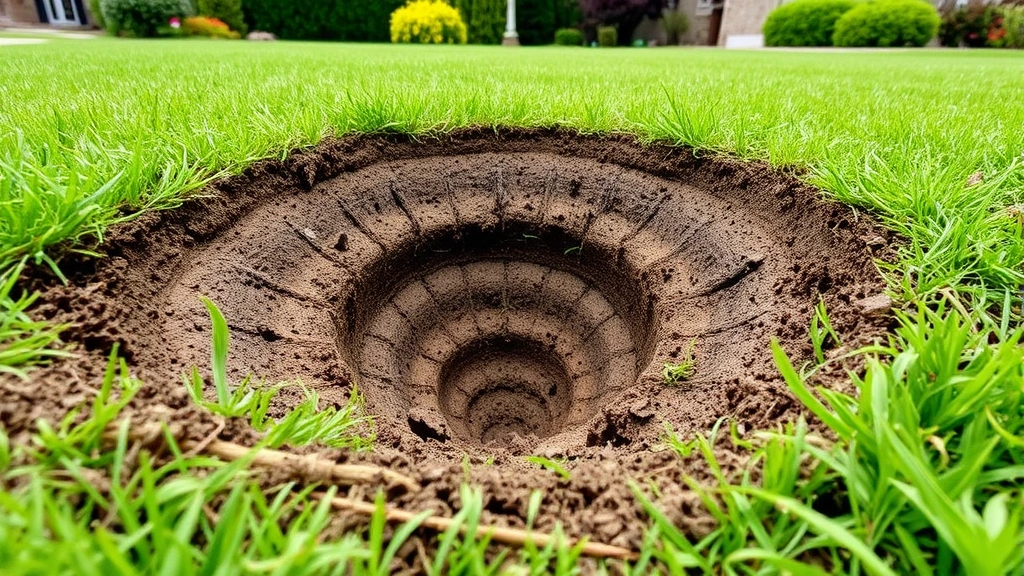
Garden moles are among the most frustrating pests that homeowners encounter. These small, burrowing mammals create extensive tunnel networks beneath your lawn and garden beds, destroying plant roots, disrupting soil structure, and creating unsightly mounds that mar your landscape. Unlike many garden pests that feed on plants directly, moles are primarily insectivores seeking grubs, earthworms, and other soil-dwelling invertebrates. However, their relentless tunneling causes significant damage to gardens, lawns, and the root systems of your prized plants. Understanding mole behavior and implementing effective deterrent strategies is essential for protecting your outdoor space.
The good news is that you don’t need to resort to harmful chemicals or lethal traps to manage your mole problem. Professional gardeners and pest control experts have developed numerous humane, effective methods to discourage moles from making your garden their home. This comprehensive guide explores proven techniques, from physical barriers to sensory deterrents, helping you reclaim your garden and maintain a healthy growing environment for your vegetables and ornamental plants.
Understanding Garden Mole Behavior and Biology
Before implementing deterrent strategies, it’s crucial to understand why moles invade gardens in the first place. Moles are attracted to yards with abundant soil invertebrates, particularly grubs and earthworms. A single mole can consume up to 80% of its body weight daily, requiring constant foraging. They’re most active during spring and fall when soil moisture is optimal for tunneling, though they remain active year-round in temperate climates.
Garden moles are solitary creatures that establish territories and create two types of tunnels: deep tunnels used for nesting and travel, and shallow feeding tunnels just beneath the soil surface. These shallow tunnels are the ones you notice as ridges or raised lines across your lawn. Understanding this behavior helps explain why certain deterrent methods work better than others. Moles rely heavily on their sense of touch and smell, making them vulnerable to sensory-based repellents.
Interestingly, moles are not rodents but insectivores belonging to the family Talpidae. This distinction matters when selecting control methods, as strategies effective against rodents may not work against moles. Their small eyes and poor vision mean they navigate primarily through touch and smell, using their highly sensitive snouts to detect prey vibrations and scents in the soil.
Physical Barriers and Underground Protection
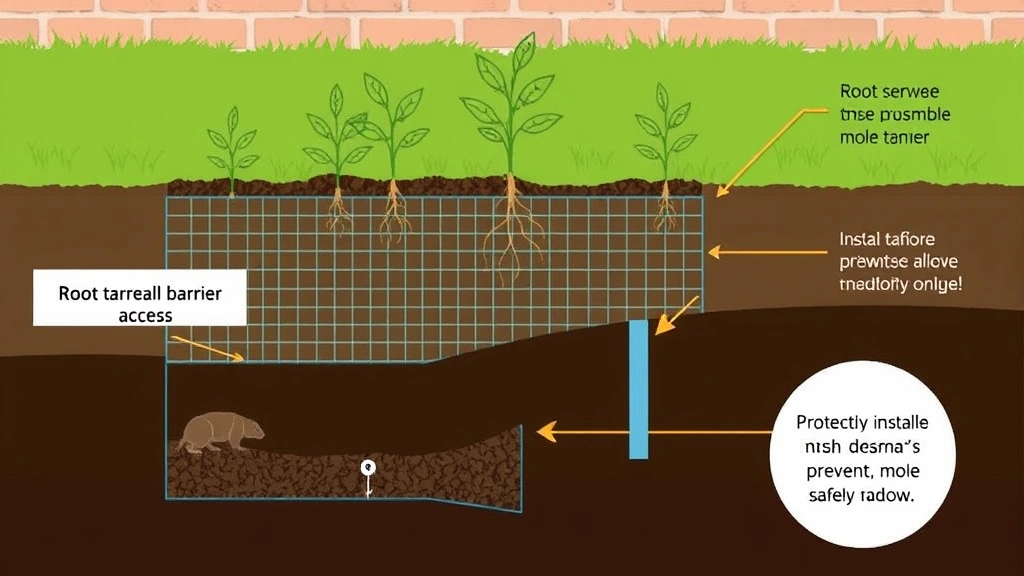
One of the most effective long-term solutions for mole prevention is installing physical barriers beneath your garden beds. If you’re planning a new garden or renovating existing raised beds, consider installing vegetables in raised garden beds with protective underground barriers. Hardware cloth or galvanized mesh barriers installed 12 inches deep and extending slightly above ground level can prevent moles from accessing your planting areas.
For existing gardens, you can create barriers by lining the bottoms of planting beds with quarter-inch hardware cloth or sturdy mesh. This material allows water and nutrients to pass through while blocking mole tunnels. When installing barriers, ensure they extend slightly above the soil surface to prevent moles from simply burrowing around the edges. Overlap all seams by at least six inches and secure the barrier firmly to prevent shifting or gaps.
Another protective approach involves creating underground fencing around garden perimeters. Dig a trench at least 12 inches deep along the garden boundary and insert a flexible barrier material, bending it slightly outward at the base to prevent moles from tunneling beneath it. This method works particularly well for protecting vertical garden installations and raised bed systems.
Some gardeners have found success using buried copper barriers, as moles appear to dislike copper’s properties. While copper mesh is more expensive than hardware cloth, it’s more durable and may provide longer-lasting protection. Combined with other deterrent methods, physical barriers create a comprehensive defense system against persistent moles.
Sensory Deterrents and Sonic Devices
Moles possess highly developed sensory systems that can be exploited through carefully chosen deterrents. Sonic and vibration-based devices emit ultrasonic frequencies or ground vibrations designed to disturb moles and encourage them to relocate. These devices come in solar-powered or battery-operated models and are placed directly in mole tunnels or active areas.
The effectiveness of sonic devices varies depending on mole species, soil conditions, and device quality. Some gardeners report excellent results, while others find them less effective. The most successful approach combines multiple deterrent methods rather than relying on sonic devices alone. When using sonic deterrents, placement is critical—position them along known tunnel routes and active mound areas for maximum impact.
Vibration-based deterrents work by creating ground disturbances that mimic predator activity, encouraging moles to avoid the area. Wind-powered vibration stakes that create mechanical vibrations as they move can be effective, particularly when placed strategically throughout affected areas. These devices are non-toxic, safe for children and pets, and environmentally friendly.
Another sensory approach involves castor oil-based repellents. Moles dislike the taste and smell of castor oil, and when applied to soil, it can discourage feeding and tunneling activity. Commercial castor oil granules or liquid formulations can be watered into affected areas according to product directions. This method requires regular reapplication, especially after rain, but poses no risk to beneficial insects or plants.
Natural Repellents and Botanical Solutions
Many gardeners prefer using natural substances to deter moles without introducing synthetic chemicals into their garden ecosystem. Plant-based repellents leverage scents and compounds that moles find objectionable, making your garden an inhospitable environment.
Castor bean plants and castor oil derivatives are among the most widely recommended natural mole deterrents. When castor oil is mixed with soap and water, it creates an emulsion that penetrates soil effectively. Apply this mixture every two to three weeks during active mole season for sustained deterrent effects. The bitter taste and distinctive odor make treated areas unappealing to moles seeking food.
Garlic and chili pepper extracts offer another natural approach. These pungent botanicals can be mixed with water and applied to soil or combined with other deterrent substances. Some gardeners create their own repellent mixtures by blending crushed garlic, cayenne pepper, and liquid dish soap with water, then applying the solution to mole-active areas.
Planting deterrent plants around garden perimeters provides ongoing protection. While moles won’t be directly repelled by plant presence, certain plants like crown imperial (Fritillaria imperialis) and castor bean plants emit compounds that deter moles. Additionally, encouraging natural predators like owls and snakes supports long-term mole management through ecological balance.
Some gardeners report success using coffee grounds mixed into soil. The strong scent and slight toxicity to certain soil organisms may discourage mole activity. This method also improves soil structure and adds organic matter, providing dual benefits to your garden.
Habitat Modification Strategies
Eliminating the conditions that attract moles is often more effective than treating symptoms after infestation occurs. Since moles seek grubs and earthworms, reducing these food sources makes your garden less appealing. However, this requires careful balance—earthworms provide essential soil benefits, and eliminating all grubs may impact beneficial insects.
Proper lawn maintenance reduces grub populations naturally. Healthy, well-maintained turf with appropriate watering and fertilization resists pest infestations better than stressed lawns. Aerate your lawn in spring and fall to improve drainage and reduce conditions favorable to grub development. Avoid over-watering, which creates moist soil environments that attract both grubs and moles.
When using garden shade cloth or other garden infrastructure, ensure proper installation to prevent creating moist microclimates that attract moles. Similarly, mulched garden beds should be maintained at appropriate depths—excessive mulch retains moisture and creates ideal conditions for mole activity.
Compacted soil discourages mole tunneling, as it requires more effort to excavate. While you don’t want excessively hard soil that prevents plant root development, moderate soil compaction in strategic areas can deter moles from establishing tunnels. Conversely, loose, rich soil with abundant organic matter attracts moles, so adjust soil amendments based on your mole management goals.
Removing brush piles, dense ground covers, and other shelter areas eliminates safe zones where moles rest between feeding sessions. Keep grass mowed to appropriate heights and remove fallen leaves and debris where moles might hide.

Professional Pest Management Options
When home remedies prove insufficient, professional pest management services offer effective solutions. Licensed pest control professionals have access to specialized equipment and techniques unavailable to homeowners. They can assess your specific mole situation, identify tunnel systems, and implement targeted treatments.
Professional services often combine multiple approaches: trapping, habitat modification, and targeted repellent applications. Professionals understand mole behavior patterns and can predict where moles are most likely to establish new tunnels, allowing for strategic intervention.
Some pest control companies specialize in humane mole removal, using live traps and relocation rather than lethal methods. Others employ mole-specific traps designed to work with mole behavior patterns. While professional services involve costs, they often provide faster results and longer-lasting protection than DIY methods alone.
When selecting a professional service, choose licensed, insured providers with experience in mole management. Ask about their methods, warranty periods, and follow-up service options. Many reputable services offer guarantees on their work and provide ongoing monitoring to catch new mole activity early.
Seasonal Mole Control Approaches
Mole activity varies seasonally, and adjusting your control strategies accordingly improves effectiveness. Spring and fall represent peak mole activity periods when soil moisture levels are optimal for tunneling and food sources are abundant. Intensify deterrent efforts during these seasons.
In spring, apply repellents and activate sensory deterrents before moles become established. Early intervention prevents populations from growing and reduces the severity of tunnel networks. Spring is also the ideal time to install physical barriers in new garden areas.
Summer activity decreases as soil dries and moles move deeper underground seeking moisture and food. However, this doesn’t mean moles disappear—they simply tunnel deeper and become less visible. Maintain deterrent efforts throughout summer, particularly during periods of adequate rainfall.
Fall brings renewed mole activity as they prepare for winter, building deeper nesting tunnels and accumulating food reserves. This is an excellent time to implement intensive control measures, as moles are actively tunneling and more susceptible to deterrents.
Winter activity depends on your climate. In cold regions, moles tunnel less frequently and may remain dormant in deep tunnels. In milder climates, winter activity continues, requiring year-round management. Regardless of climate, maintain barrier installations and monitoring systems throughout the year.
When planning garden renovations or installing new beds with garden gloves and tools, coordinate timing with low mole activity periods when possible. This reduces disruption to your mole management efforts and allows new installations to become established before peak mole season.
FAQ
What attracts moles to gardens?
Moles are primarily attracted to gardens with abundant grubs, earthworms, and other soil-dwelling invertebrates. They’re not attracted to plants themselves but to the food sources in your soil. Moist, well-maintained lawns and gardens with rich soil typically support larger populations of mole prey, making them attractive to moles seeking food.
Are moles dangerous to humans or pets?
Moles are not aggressive and rarely bite. They’re solitary creatures that avoid confrontation. However, they can carry parasites and diseases, so it’s advisable to avoid direct contact. Most importantly, moles don’t pose direct threats to humans or pets, making humane deterrent methods both ethical and practical.
How long does it take for mole deterrents to work?
Results vary depending on the deterrent method and mole population. Physical barriers provide immediate protection but require proper installation. Sensory and chemical deterrents typically show results within two to three weeks of consistent application. Some methods work better as preventative measures than treatments for existing infestations. Combining multiple approaches accelerates results.
Can I use poison to kill moles?
While poison is available, it’s generally not recommended. Moles are insectivores, making traditional rodent poisons ineffective. Additionally, poisoned moles may die in tunnels, creating odor problems. Humane deterrent and removal methods are safer for your family, pets, and the broader garden ecosystem.
Do mole removal services guarantee permanent solutions?
Most reputable services cannot guarantee permanent mole elimination, as new moles can migrate into treated areas. However, quality services provide warranties on their work and offer follow-up monitoring. Ongoing maintenance and preventative measures are essential for long-term mole management. Consider services that offer seasonal treatments during peak mole activity periods.
What’s the best time to implement mole control?
The best time is before moles become established. Spring represents an ideal window for implementing preventative measures before peak activity. However, you should begin control efforts as soon as you notice mole activity. Early intervention prevents populations from growing and reduces tunnel network expansion.
Can companion planting help prevent moles?
While certain plants like chrysanthemum garden plants may have mild deterrent properties, planting alone won’t eliminate mole problems. However, incorporating deterrent plants as part of a comprehensive management strategy, combined with physical barriers and other methods, provides better results than any single approach.
How do I know if I have moles or voles?
Moles create raised tunnel ridges and mounds of excavated soil. Voles create surface runways and feed on plants. Moles are insectivores with front paws adapted for digging, while voles are rodents with typical rodent features. Identifying which pest you have ensures you implement appropriate control methods.


