Explore Garden City Beach SC: Local Gardener’s Guide
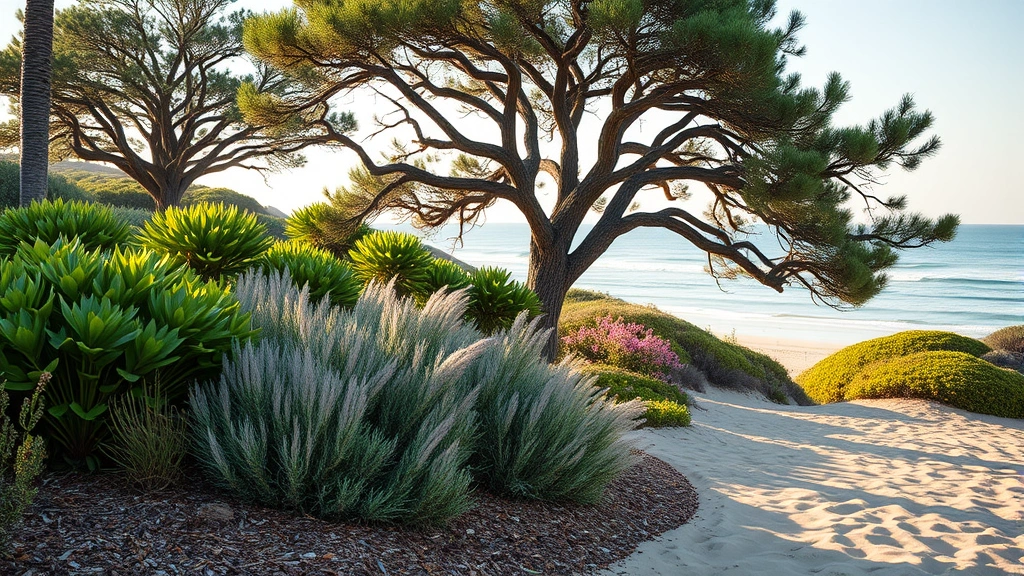
Garden City Beach, South Carolina, offers a unique coastal gardening environment that challenges and rewards local plant enthusiasts. Nestled in Horry County along the Atlantic coast, this charming beach community presents distinct seasonal patterns, salt-air conditions, and sandy soils that require specialized gardening knowledge. Whether you’re a seasoned gardener relocating to the area or a newcomer eager to establish your first coastal garden, understanding the local climate, soil composition, and plant varieties suitable for this region is essential for success.
The coastal geography of Garden City Beach creates a microclimate distinctly different from inland South Carolina. Salt spray, sandy substrates, and warm, humid summers combined with mild winters shape every gardening decision. This comprehensive guide explores the practical strategies, plant selections, and seasonal considerations that will help you thrive as a gardener in this beautiful beach community.
Understanding Garden City Beach Climate Conditions
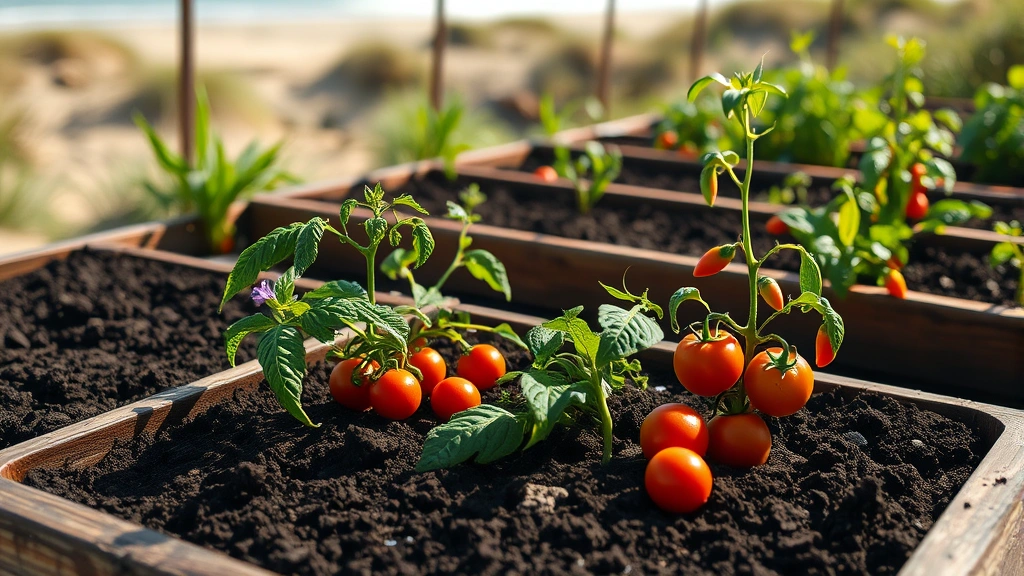
Garden City Beach operates within USDA Hardiness Zone 8b, which means average minimum winter temperatures range from 15 to 20 degrees Fahrenheit. This zone classification is crucial for selecting perennials, shrubs, and trees that will survive winter dormancy without protection. The growing season extends approximately 240 days, providing ample opportunity for warm-season crops and heat-loving ornamentals.
The maritime climate brings consistent ocean breezes that moderate temperature extremes but also create challenging conditions for tender plants. Summer temperatures typically reach the low 90s Fahrenheit, while humidity levels remain elevated year-round due to coastal proximity. This combination accelerates evaporation from soil and foliage, requiring thoughtful watering strategies and plant selection focused on salt and wind-tolerant varieties.
Hurricane season from June through November presents a significant consideration for coastal gardeners. Strong winds and salt spray damage foliage, break branches, and can temporarily increase soil salinity. Selecting wind-resistant plants and employing strategic windbreaks becomes essential for protecting your garden investment.
Soil Preparation and Amendment
The sandy soils prevalent throughout Garden City Beach present both advantages and challenges. Sand drains exceptionally well, preventing waterlogging and root rot in a region with substantial rainfall. However, sandy soils lack organic matter, nutrient-holding capacity, and the structure necessary for optimal plant growth. Most vegetables and ornamentals struggle in pure sand without significant amendment.
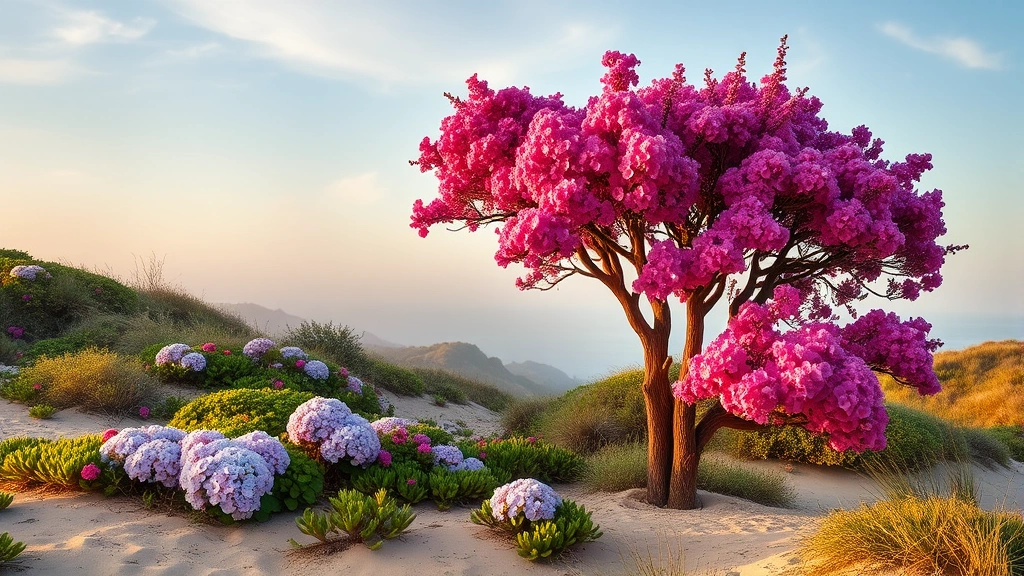
Begin soil improvement by incorporating 3 to 4 inches of compost, aged manure, or other organic matter into the top 8 to 12 inches of existing soil. This amendment increases water retention, improves nutrient availability, and establishes beneficial microbial communities essential for plant health. When constructing a raised garden, you have the advantage of controlling soil composition entirely. Fill raised beds with a mixture of 40% compost, 30% peat moss or coconut coir, and 30% coarse sand for optimal drainage and nutrient balance.
Consider using Vego garden beds or similar elevated systems to bypass native soil challenges entirely. These systems allow you to establish perfectly balanced growing medium while improving drainage in areas prone to standing water during heavy rains. Elevated beds also warm faster in spring, extending your growing season by several weeks.
Soil testing through Clemson University’s Extension Service provides detailed analysis of pH, nutrient levels, and organic matter content. Most Garden City Beach soils tend toward slight acidity (pH 6.0-6.5), which suits most plants but may require lime additions for acid-sensitive species. Annual soil testing guides amendment decisions and prevents nutrient imbalances.
Best Plants for Coastal Gardening
Selecting salt-tolerant, wind-resistant plants dramatically increases gardening success in Garden City Beach. The challenge of coastal gardening has produced numerous plant varieties specifically adapted to maritime conditions.
Trees and Shrubs: Live oaks, bald cypress, and Eastern red cedars thrive in coastal South Carolina. Crape myrtles provide summer color and accept salt spray better than many ornamentals. For screening and windbreaks, consider wax myrtle, yaupon holly, and salt-tolerant privets. These species withstand salt spray, sandy soils, and coastal wind patterns while requiring minimal supplemental care once established.
Hydrangeas perform exceptionally well in Garden City Beach, producing massive flower displays in pink, blue, or white depending on soil pH and variety selection. Oakleaf hydrangeas tolerate partial shade and coastal conditions better than panicle varieties. Butterfly bush, while sometimes considered invasive inland, thrives in coastal gardens and attracts pollinators throughout warm months.
For shade gardening areas, explore shade garden options including native ferns, hellebores, and hostas. Beneath established oaks and pines, these understory plants create layered interest while accepting the challenging conditions of coastal shade.
Herbaceous Plants and Perennials: Coreopsis, black-eyed Susans, and daylilies provide reliable summer color with minimal maintenance. Salvia, catmint, and Russian sage tolerate salt spray and sandy soils while attracting beneficial insects. Butterfly garden plants including milkweed, zinnias, and verbena flourish in coastal conditions and support essential pollinator populations.
Native coastal plants like sea oats, beach rosemary, and coastal morning glories anchor dunes while requiring no supplemental irrigation or fertilization. These species have evolved specifically for Garden City Beach’s unique conditions and deserve prominent placement in landscape designs.
Vegetables and Edibles: Cool-season crops including lettuce, broccoli, and cabbage thrive during fall, winter, and early spring when temperatures remain moderate. Warm-season vegetables like tomatoes, peppers, and okra flourish during summer months. How to grow cucumbers in pots offers excellent strategies for container vegetable production in sandy soils. Sweet potatoes, adapted to sandy conditions, produce abundantly with minimal care.
Seasonal Gardening Calendar
Spring (March-May): Begin garden preparation in mid-March as soil temperatures warm above 50 degrees Fahrenheit. Plant warm-season vegetables after the last frost date, typically around April 15th. Establish new perennials and shrubs while soil moisture remains adequate. Apply pre-emergent herbicides before warm-season weeds germinate. Prune winter-damaged branches from ornamentals and fertilize established plants as new growth emerges.
Summer (June-August): Maintain consistent watering as heat and coastal breezes accelerate evaporation. Monitor for spider mites and scale insects, which thrive in hot, dry conditions. Deadhead flowering plants to encourage continued blooms. Harvest vegetables regularly to maintain productivity. Prepare for hurricane season by securing loose objects, pruning weak branches, and ensuring drainage systems function properly. Begin planning fall vegetable gardens in late July.
Fall (September-November): Plant cool-season vegetables including lettuce, spinach, broccoli, and cabbage. Reduce watering as temperatures moderate and rainfall increases. Divide overcrowded perennials and plant spring bulbs in October. Clean fallen leaves and debris to prevent fungal diseases. Monitor for salt spray damage after coastal storms and rinse foliage with fresh water when possible.
Winter (December-February): Most outdoor gardening slows significantly, but planning and soil preparation continue. Prune dormant shrubs and trees. Apply winter mulch to marginally hardy perennials. Start seeds indoors in February for spring transplanting. Maintain drainage around beds to prevent standing water and root rot. This season offers excellent opportunity for garden design improvements and infrastructure projects.
Managing Salt Spray and Wind
Salt spray represents the most distinctive challenge for Garden City Beach gardeners. Ocean breezes carry salt particles that damage foliage, reduce photosynthesis, and can accumulate in soil to toxic levels. Understanding salt management strategies protects your garden investment.
Plant selection provides the primary defense against salt damage. Locate salt-sensitive plants in protected microclimates, perhaps on the lee side of buildings or behind established windbreaks. Create living windbreaks using salt-tolerant trees and shrubs that absorb salt spray before it reaches more sensitive plants. Wax myrtle, Eastern red cedar, and yaupon holly effectively reduce wind velocity and salt particle penetration.
Structural windbreaks including fencing, walls, and pergolas redirect wind around gardens rather than blocking it completely, which can create turbulent eddies. Solid barriers should allow approximately 50% wind penetration for optimal protection. Lattice fencing, shade cloth, or strategically planted shrubs achieve this balance.
Rinse foliage with fresh water after heavy salt spray events, particularly following nor’easters or tropical storms. This simple action removes salt particles before they cause permanent damage. Early morning rinsing prevents salt from concentrating as water evaporates during the day.
Monitor soil salinity through regular testing. If salt accumulates excessively, leaching through heavy watering helps flush salts from the root zone. Organic matter incorporation improves soil structure and water infiltration, supporting this leaching process. In extreme cases, replacing contaminated soil may be necessary.
Irrigation and Water Management
Despite coastal proximity and regular rainfall, Garden City Beach gardeners must manage water carefully. Sandy soils drain rapidly, requiring frequent irrigation during dry periods. Conversely, heavy summer thunderstorms and tropical systems can deliver excessive moisture, causing temporary waterlogging.
Installing a garden irrigation system provides consistent moisture delivery while conserving water. Drip irrigation, soaker hoses, and micro-sprinklers apply water directly to plant roots, minimizing evaporation and foliar wetting that encourages fungal diseases in humid conditions. Automated systems adjust watering frequency based on rainfall and seasonal demand.
Mulching with 2 to 3 inches of organic material (shredded hardwood bark, pine straw, or compost) moderates soil temperature, suppresses weeds, and reduces evaporative losses. This practice is particularly valuable in sandy soils where moisture retention is naturally poor. Maintain mulch several inches away from plant stems to prevent rot and pest damage.
Rainwater harvesting through cisterns and rain barrels captures abundant coastal precipitation for use during dry periods. This practice reduces municipal water consumption while providing plants with chlorine-free water. A modest 55-gallon barrel supplies supplemental irrigation for small gardens during extended dry spells.
Observe local water restrictions and conservation guidelines. During drought conditions, focus irrigation on newly planted specimens and vegetables. Established ornamentals typically survive with natural rainfall supplemented by strategic watering during peak summer heat.
Local Resources and Community
Horry County’s gardening community offers excellent resources and support for local growers. Clemson University Extension Service provides research-based information, soil testing, and educational programs specifically adapted to South Carolina’s coastal regions. Master Gardener programs train volunteers to answer gardening questions and promote sustainable practices.
The American Horticultural Society offers resources for regional gardening and plant selection guidance. Local native plant societies promote species adapted to Garden City Beach’s unique ecosystem while supporting local biodiversity.
The USDA Plant Hardiness Zone Map and Plant Database provides detailed information about plant ranges, hardiness ratings, and growing requirements. Cross-referencing your selections with USDA data ensures appropriate plant choices for coastal South Carolina.
Visit native plant society chapters to connect with experienced local gardeners and learn about plants thriving in your specific microclimate. Garden clubs throughout Horry County host meetings, garden tours, and plant sales featuring regionally appropriate specimens.
Botanical gardens and public gardens throughout the region display plants thriving in coastal conditions, providing inspiration and reference for your own landscape designs. Many offer workshops and educational programs addressing specific coastal gardening challenges.
Local nurseries and garden centers employ knowledgeable staff familiar with Garden City Beach growing conditions. Building relationships with reputable local growers ensures access to appropriate plant varieties and expert advice tailored to your specific location and gardening goals.
FAQ
What is the best time to plant vegetables in Garden City Beach?
Cool-season vegetables including lettuce, broccoli, and cabbage thrive from October through March, with optimal planting occurring in September through November. Warm-season crops like tomatoes and peppers plant after April 15th when soil temperatures exceed 60 degrees Fahrenheit. Okra and sweet potatoes, particularly suited to sandy coastal soils, plant in late May through June.
How often should I water my garden in Garden City Beach?
Sandy soils require watering every 2 to 3 days during hot, dry periods, particularly for vegetables and newly established plants. Established ornamentals tolerate less frequent watering. During rainy seasons, reduce irrigation to prevent waterlogging. Mulching reduces watering frequency by 30 to 40 percent through moisture retention.
Which trees survive salt spray best in coastal South Carolina?
Live oaks, Eastern red cedars, bald cypress, crape myrtles, and wax myrtles demonstrate exceptional salt tolerance. These species form excellent windbreaks and landscape anchors in Garden City Beach gardens. Avoid salt-sensitive species like Eastern white pines and most fruit trees without protective placement.
Can I grow fresh vegetables successfully in Garden City Beach?
Absolutely. Cool-season crops flourish during fall, winter, and spring months. Warm-season vegetables including tomatoes, peppers, okra, and squash produce abundantly during summer with appropriate irrigation and fertilization. Container gardening and raised beds overcome sandy soil challenges while providing optimal growing conditions.
How do I prevent hurricane damage to my garden?
Select wind-resistant plants, establish living windbreaks, and prune weak branches before hurricane season. Secure loose objects, ensure proper drainage, and consider temporary protection for tender plants. After storms, rinse foliage to remove salt spray and remove damaged branches promptly to prevent disease entry.
What soil amendments work best for Garden City Beach gardens?
Compost, aged manure, and peat moss improve sandy soils dramatically. Incorporate 3 to 4 inches into the top 8 to 12 inches of soil for vegetable gardens. For ornamentals, annual mulching with organic material provides gradual soil improvement as decomposition increases organic matter. Raised beds and quality potting soil eliminate native soil limitations entirely.


