
Best Wrought Iron Garden Chairs? Designer Picks for Style and Comfort
When it comes to creating an inviting outdoor retreat, few elements rival the timeless elegance of wrought iron garden chairs. These classic furnishings combine aesthetic sophistication with remarkable durability, making them a favorite among landscape designers and gardening enthusiasts alike. Whether you’re designing a Victorian-inspired garden sanctuary or a contemporary outdoor dining area, wrought iron chairs offer versatility that few other materials can match. Their intricate scrollwork and sturdy construction have made them a staple of garden design for centuries, and today’s market offers options ranging from vintage reproductions to modern interpretations that complement any gardening style.
Selecting the right wrought iron garden chairs involves more than just picking something that looks attractive. You’ll want to consider factors like comfort, weather resistance, maintenance requirements, and how the chairs integrate with your overall garden design. This guide explores the designer favorites, quality considerations, and practical tips for choosing wrought iron seating that will enhance your outdoor space while standing the test of time. Whether you’re planning a cozy reading nook surrounded by flower garden ideas or a formal dining area, understanding what makes certain wrought iron chairs exceptional will help you make an informed investment.
Why Wrought Iron Remains a Garden Design Classic
Wrought iron has maintained its popularity in garden design for good reason. Unlike aluminum or plastic alternatives, authentic wrought iron possesses a weight and presence that commands attention while creating an atmosphere of permanence and stability. The material’s ability to be hand-forged into elaborate designs means each piece carries artistic merit beyond mere functionality. Designers appreciate wrought iron because it bridges the gap between industrial craftsmanship and refined aesthetics, offering visual interest through decorative scrollwork, finials, and detailed embellishments that enhance any garden’s character.
The enduring appeal of wrought iron garden chairs also stems from their remarkable longevity. When properly maintained, these chairs can last for generations, becoming heirloom pieces that accumulate character and patina over time. This durability makes them an economically sound choice despite higher initial investment compared to mass-produced alternatives. Beyond practicality, wrought iron carries cultural significance and historical prestige that resonates with gardeners who appreciate tradition and craftsmanship. Many gardeners incorporate these chairs into spaces designed around shade garden concepts, creating comfortable retreats where the architectural beauty of the seating becomes part of the landscape composition.
Top Designer Picks for Wrought Iron Garden Chairs
Design professionals consistently recommend several styles that exemplify quality wrought iron craftsmanship. The Victorian scroll-back chair remains an industry favorite, featuring ornate armrests and curved backrests that combine elegance with surprising comfort. These chairs typically incorporate hand-forged details that catch light beautifully, creating visual depth in garden spaces. Another popular choice among designers is the bistro-style chair, which offers a more minimalist aesthetic while maintaining the durability and presence that wrought iron provides. These compact chairs work exceptionally well in smaller gardens or alongside intimate dining setups.
Contemporary designers increasingly favor transitional wrought iron designs that blend traditional metalwork with modern sensibilities. These pieces often feature cleaner lines and simplified scrollwork, making them adaptable to various garden styles from Mediterranean to Scandinavian-inspired outdoor spaces. Wingback wrought iron chairs have gained significant traction recently, offering enhanced comfort through extended side supports while maintaining the material’s classic appeal. For those planning vegetable gardens with adjacent seating areas, the Versailles garden chair style provides formal sophistication that complements both easy to grow vegetables for beginners and more ornamental plantings. Designers also highlight settee and bench options, which allow for flexible seating arrangements in larger garden spaces.
Quality Indicators and Construction Standards
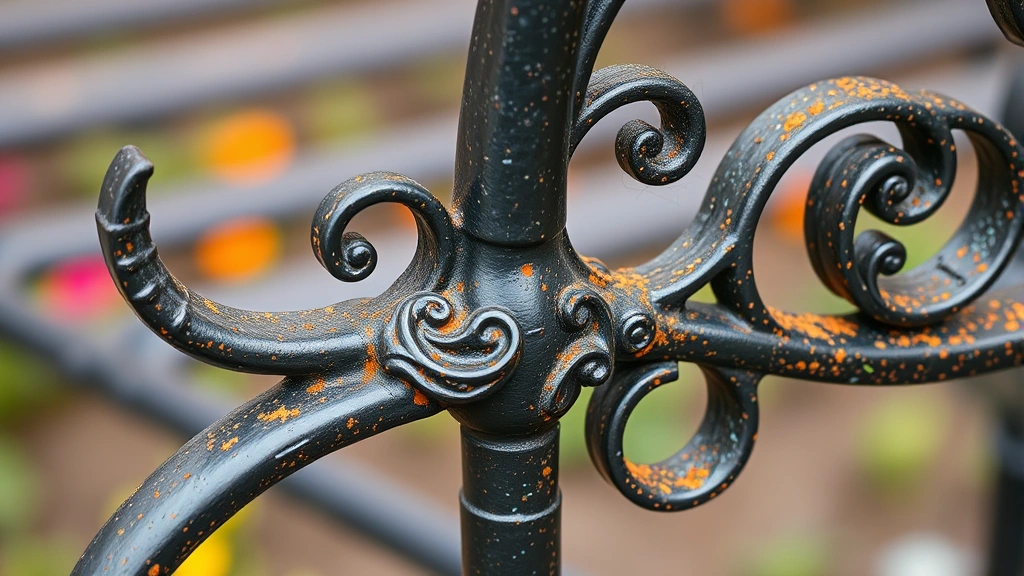
Distinguishing high-quality wrought iron chairs from inferior imitations requires understanding key construction characteristics. Authentic wrought iron should feel substantial, with a weight that reflects the material’s density and craftsmanship. Run your hand along the chair’s joints and connections—quality pieces feature seamless welds with minimal visible seams or rough edges. The scrollwork should be hand-forged rather than stamped, meaning each curve possesses subtle variations that demonstrate individual craftsmanship rather than mass-production uniformity.
Examine the finish carefully, as this directly impacts longevity and maintenance requirements. Premium wrought iron chairs receive multiple protective coatings, often starting with rust-resistant primer before topcoats of powder coating or high-quality paint. The best pieces feature finishes that withstand UV exposure without fading excessively or peeling within a few seasons. Look for chairs with reinforced joint construction, particularly where armrests connect to the seat frame. Quality manufacturers use additional bracing and support systems that prevent wobbling and ensure structural integrity over decades of use. Check whether cushioning options are available, as this indicates the manufacturer’s confidence in the chair’s design and their understanding of comfort requirements for extended outdoor use.
Comfort and Ergonomic Considerations
Many gardeners assume wrought iron chairs sacrifice comfort for style, but well-designed pieces prove this misconception wrong. The best wrought iron garden chairs incorporate thoughtful ergonomic features including properly angled backrests that support natural spinal alignment, seat depths that accommodate various body types, and armrest heights that align with seated elbow position. When evaluating comfort, sit in the chair for several minutes if possible, paying attention to how your weight distributes across the seat and whether the backrest provides adequate support.
Adding cushions significantly enhances comfort without compromising the chair’s aesthetic appeal. Weather-resistant outdoor cushions in coordinating colors or patterns allow you to personalize seating while improving support. Consider removable cushions with storage solutions for seasonal transitions, protecting your investment while maintaining comfort year-round. Designers frequently recommend pairing wrought iron chairs with complementary side tables for beverage placement and reading materials, creating functional outdoor living spaces. The height of the seat should allow comfortable entry and exit, particularly important if you’ll be using these chairs during extended gardening sessions where mobility matters. Test different chair models side-by-side to determine which proportions align best with your body type and intended use patterns.
Weather Resistance and Durability Factors
Wrought iron’s susceptibility to rust represents the primary durability concern, making protective finishes absolutely critical. High-quality chairs receive factory-applied coatings that create multiple barriers against moisture penetration. Powder coating, applied electrostatically and cured with heat, provides superior protection compared to traditional paint, often lasting 5-10 years before requiring touch-ups. Some premium manufacturers offer ceramic or specialized polymer coatings that extend this timeline further. The best wrought iron chairs feature galvanized or zinc-plated underlayers that provide additional rust prevention even if the topcoat experiences damage.
Environmental factors influence durability significantly. Chairs in coastal regions face accelerated corrosion from salt air, requiring more frequent maintenance and superior initial protection. Sheltered locations under eaves or within covered structures dramatically extend chair lifespan by limiting weather exposure. Direct sun exposure can fade finishes over time, though quality coatings resist UV degradation more effectively than budget alternatives. Designers often recommend positioning wrought iron chairs in areas where best soil for a garden bed practices extend to overhead protection through pergolas, shade structures, or strategic tree placement. This consideration proves especially important for gardeners in regions with significant rainfall or humidity. When properly protected and maintained, wrought iron chairs can remain structurally sound and visually appealing for 20-30 years or longer.
Maintenance and Seasonal Care
Proper maintenance extends wrought iron chair lifespan and preserves their beauty. Annual cleaning with mild soap and water removes accumulated dirt, pollen, and debris that can trap moisture against the metal. Inspect chairs regularly for scratches or chips in the protective coating, addressing these promptly to prevent rust development. Touch-up paint matching the original finish should be applied to any damaged areas before rust establishes itself. For chairs in harsh environments, consider applying a clear protective wax annually, which adds an additional moisture barrier without altering appearance.
Seasonal preparation protects chairs during winter months. In cold climates, consider moving chairs to covered storage or wrapping them with breathable protective covers that allow air circulation while blocking rain and snow. Never use plastic coverings that trap moisture, as this accelerates rust formation. Remove cushions and store them indoors before winter arrives, extending their lifespan significantly. Spring inspection should include checking all joints and connections for stability, tightening any loose fasteners before the primary outdoor living season begins. For those who maintain cucumbers in pots or other container gardens adjacent to seating areas, the same seasonal care principles apply—preparing outdoor spaces comprehensively ensures everything functions optimally throughout the year.
Style Integration with Garden Designs
Wrought iron chairs adapt remarkably well to diverse garden aesthetics. In formal gardens featuring symmetrical layouts and manicured plantings, matching pairs of ornate wrought iron chairs flank focal points like fountains or garden benches, creating strong visual anchors. Victorian and traditional gardens benefit from chairs with elaborate scrollwork and decorative details that echo historical design principles. Mediterranean-inspired gardens pair wrought iron seating with warm terracotta tones, stone pathways, and drought-tolerant plantings, creating cohesive outdoor rooms.
Contemporary gardens employ minimalist wrought iron designs with clean lines and geometric forms that complement modern architecture and plant selections. Transitional gardens blend traditional wrought iron with current design trends, creating spaces that feel both timeless and current. Color coordination matters significantly—black wrought iron provides classic contrast against colorful flower gardens and green foliage, while bronze or copper finishes offer warmer tones that harmonize with earth-toned landscapes. Designers frequently recommend considering the overall color palette when selecting chair finishes, ensuring the seating complements rather than competes with surrounding plantings. Positioning chairs to frame views of flower garden ideas or focal features creates intentional sightlines that enhance garden appreciation from a seated perspective.

Budget-Friendly Options Without Compromising Quality
Quality wrought iron chairs need not require premium pricing. Several manufacturers produce excellent pieces at moderate price points by focusing on essential design elements rather than elaborate ornamentation. Simpler scrollwork patterns reduce production time and labor costs while maintaining authentic wrought iron construction and durability. Bistro-style chairs consistently offer excellent value, providing comfortable seating with minimal decorative complexity. Shopping during off-season sales, particularly in late fall and winter months, can yield significant savings without quality compromise.
Consider purchasing single chairs rather than complete sets, allowing gradual collection building that spreads costs over time. This approach also enables mixing complementary styles and finishes, creating eclectic yet cohesive seating arrangements. Vintage and antique wrought iron chairs represent excellent value options, offering authentic craftsmanship and character at prices often below new reproductions. Inspect vintage pieces carefully for structural integrity and rust damage, but understand that surface patina adds historical authenticity and character. Many antique dealers and specialized garden furniture shops offer restoration services that return vintage chairs to functional condition while preserving their aged appearance. Local metalworkers often create custom wrought iron chairs at competitive prices, providing opportunities for personalized designs suited to specific garden spaces. When budgeting, factor in garden fertilizer and other ongoing garden maintenance costs, recognizing that quality seating represents a long-term investment that amortizes favorably over its extended lifespan.
FAQ
How much should I expect to spend on quality wrought iron garden chairs?
Quality wrought iron garden chairs typically range from $200-$600 per chair for new production pieces from reputable manufacturers. Designer or artisan-created pieces may exceed $1,000 per chair. Budget options exist in the $150-$250 range, though these often feature simpler designs and may require more frequent maintenance. Vintage and antique chairs vary widely based on age, rarity, and condition, ranging from $100-$500+ depending on provenance and quality.
Can wrought iron chairs stay outside year-round?
Yes, quality wrought iron chairs can remain outside year-round in most climates when properly maintained. However, covered storage or protective coverings during winter months significantly extends lifespan, particularly in regions with heavy snow, ice, or salt exposure. Regular inspection and touch-up maintenance prove essential for year-round outdoor placement, especially in harsh environments.
What’s the difference between wrought iron and cast iron chairs?
Wrought iron is hand-forged and worked, creating dense, durable material with superior malleability for detailed designs. Cast iron is poured into molds, resulting in less dense material more prone to brittleness and breakage. Wrought iron chairs are generally more durable and longer-lasting, though both can be attractive. Cast iron pieces typically cost less but may require more careful handling to prevent damage.
Are cushions necessary for wrought iron chairs?
While not strictly necessary, cushions significantly improve comfort for extended seating periods. Quality weather-resistant outdoor cushions protect the metal while providing support. Many gardeners use seasonal cushions, removing them during winter storage to extend cushion lifespan and simplify seasonal transitions.
How do I prevent rust on wrought iron chairs?
Prevent rust through proper protective coatings, regular cleaning, prompt repair of damaged finishes, and strategic placement under cover or shade when possible. Annual inspection allows early detection of developing rust, which can be addressed before spreading. In coastal or high-humidity areas, additional protective wax applications provide enhanced rust prevention.
Can I paint wrought iron chairs a different color?
Yes, repainting wrought iron chairs is straightforward when done properly. Clean thoroughly, apply rust-preventative primer, then apply quality outdoor paint in your desired color. Professional painters or refinishers can achieve superior results, particularly for elaborate pieces requiring careful attention to detailed areas. Repainting refreshes older chairs while allowing color customization.


