Emily’s Garden: Beginner’s Guide to Success
Starting a garden can feel overwhelming, but Emily’s Garden philosophy proves that anyone can cultivate a thriving outdoor space with the right approach and mindset. Whether you’re dreaming of fresh vegetables, colorful flowers, or a peaceful retreat, this comprehensive guide will walk you through every step of your gardening journey. From choosing the perfect location to harvesting your first crops, you’ll discover that gardening success is more achievable than you might think.
Emily’s Garden began as a simple backyard project and has blossomed into a testament to what dedication, patience, and proper planning can achieve. This guide distills years of practical experience into actionable advice designed specifically for beginners who want to avoid common pitfalls and experience quick wins. By following these foundational principles, you’ll establish habits and knowledge that will serve your garden for seasons to come.
Choosing Your Garden Location and Space
The foundation of Emily’s Garden success starts with selecting the right location. Before purchasing a single seed or tool, spend time observing your property throughout the day. Note where sunlight falls during morning, afternoon, and evening hours. Most vegetables and flowering plants require at least six to eight hours of direct sunlight daily, though some shade-tolerant plants can thrive with less.
Consider proximity to your home, water sources, and existing structures. A garden location near your kitchen makes harvesting convenient and encourages regular visits. Easy access to a garden hose or water spigot reduces the burden of hand-watering during dry spells. You might also think about aesthetic value—a visible garden serves as daily motivation and a beautiful focal point for your landscape.
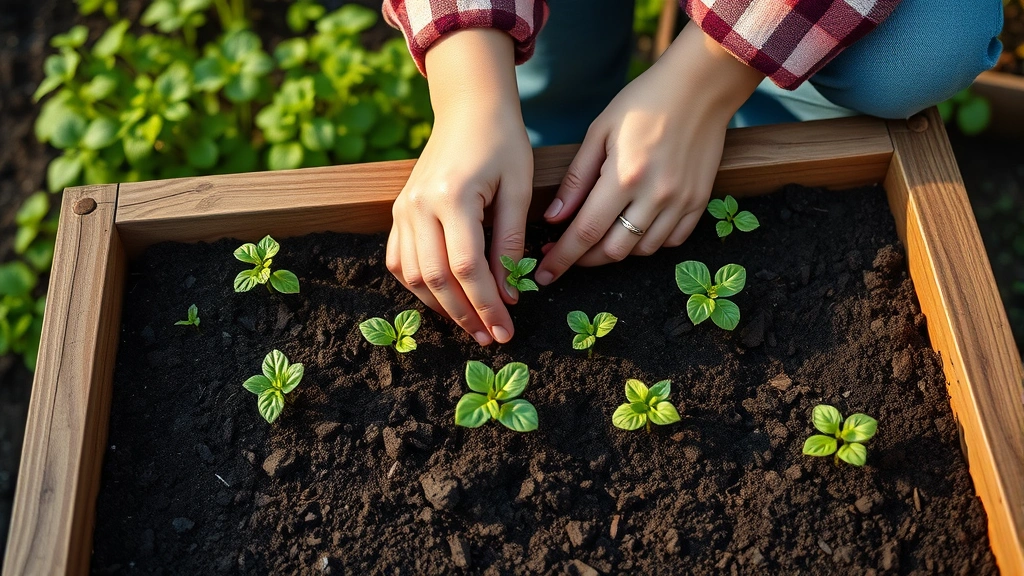
Space requirements depend on your ambitions. Container gardening requires minimal room and works beautifully on patios, balconies, or small yards. raised garden beds offer excellent drainage and soil control in compact spaces. Traditional in-ground gardens need more room but provide unlimited growing potential. Start small—even a 4×4 foot bed produces surprising abundance for beginners.
Emily’s Garden recommends beginning with one manageable space rather than overextending yourself. You can always expand next season once you understand your climate, soil, and personal commitment level. Many successful gardeners started with a single container or small bed and gradually increased their growing area as confidence grew.
Understanding Your Soil and Sunlight
Healthy soil is the heartbeat of any thriving garden. Before planting, invest time in understanding what you’re working with. Soil composition, pH levels, and nutrient content dramatically affect plant success. The simplest approach involves getting a soil test through your local agricultural extension office, which provides detailed analysis and specific recommendations for your region.
If professional testing isn’t immediately available, conduct a basic texture test at home. Fill a clear jar with water and add soil from your garden area. Shake vigorously and let it settle for 24 hours. Sand settles first (bottom layer), silt settles next (middle layer), and clay settles last (top layer). This visual breakdown reveals your soil’s composition and drainage characteristics.
Most plants prefer loamy soil—a balanced mixture of sand, silt, and clay with plenty of organic matter. You can dramatically improve poor soil by adding compost, aged manure, or other organic amendments. Many beginning gardeners find that garden fertilizer combined with quality compost creates excellent growing conditions within a single season.
Sunlight exposure is equally critical. Use a sun calculator app or simply observe your garden space throughout the day. Full sun means six or more hours of direct sunlight. Partial shade provides three to six hours. Deep shade receives less than three hours. Match plant selections to your light conditions rather than fighting nature. This alignment dramatically increases success rates and reduces frustration.
Essential Tools and Materials
You don’t need an extensive arsenal to start Emily’s Garden successfully. Quality basics serve beginners far better than numerous specialized tools. A hand trowel, garden fork, pruning shears, and hand cultivator handle most tasks. A sturdy garden spade, watering can or hose, and work gloves round out the essentials. Visit your local garden center and hold tools before purchasing—ergonomic fit matters tremendously for comfortable gardening.
Invest in a few garden tools of good quality rather than cheap versions that wear out quickly. Stainless steel resists rust and lasts decades. Comfortable handles prevent hand fatigue during extended gardening sessions. Proper tools make work easier and more enjoyable, encouraging regular maintenance and care.
Beyond hand tools, consider your infrastructure needs. Raised beds require lumber and hardware cloth for rodent protection. Container gardening needs pots with drainage holes and quality potting soil. Mulch helps retain moisture and suppress weeds. Compost bins accelerate organic matter decomposition. Start with what you need immediately and add specialized equipment as your garden evolves.
A garden journal becomes invaluable for tracking planting dates, successes, failures, and observations. Note which varieties thrived in your conditions, when pests appeared, and what amendments helped most. This personalized record becomes your gardening bible, guiding decisions year after year. Many experienced gardeners credit their journals with preventing repeated mistakes and building systematic knowledge.
Selecting Plants for Your Climate
Plant selection determines whether Emily’s Garden thrives or merely survives. Begin by identifying your USDA hardiness zone using the USDA Plant Hardiness Zone Map. This designation indicates average annual minimum temperatures and guides perennial plant selection. Understanding your zone prevents heartbreak from planting species that cannot survive your winters.
Next, consider your growing season length. The number of frost-free days between spring and fall freezes determines which vegetables and annuals you can cultivate successfully. Cool-season crops like lettuce, brocc, and peas tolerate frost and prefer temperatures below 75°F. Warm-season crops like tomatoes, peppers, and basil require soil and air temperatures above 60°F and produce best in heat.
For beginners, gardening tips for beginners emphasize starting with forgiving plants. Zucchini, tomatoes, lettuce, herbs, and marigolds rarely disappoint. These reliable performers build confidence while teaching fundamental gardening skills. As you gain experience, experiment with more challenging or unusual varieties.
Native plants deserve special consideration in any garden design. These species evolved in your local climate and require minimal supplemental water, fertilizer, or pest management once established. Native plants also support local pollinators and wildlife, creating ecological benefits beyond your garden boundaries. Many native plants offer stunning flowers and interesting foliage.
Check seed catalogs and local nurseries for varieties suited to your specific location. Regional gardening guides provide invaluable information about timing, variety recommendations, and seasonal tasks. Don’t hesitate to ask experienced gardeners at your local nursery about their top recommendations—their knowledge reflects years of observation in your exact climate.

Watering and Maintenance Fundamentals
Proper watering stands among the most critical yet misunderstood aspects of Emily’s Garden care. Most plant problems stem from either too much or too little water. The goal is consistent moisture—not soggy, not bone-dry. Water deeply but less frequently rather than shallow, daily sprinkling. Deep watering encourages strong root development that makes plants more drought-tolerant.
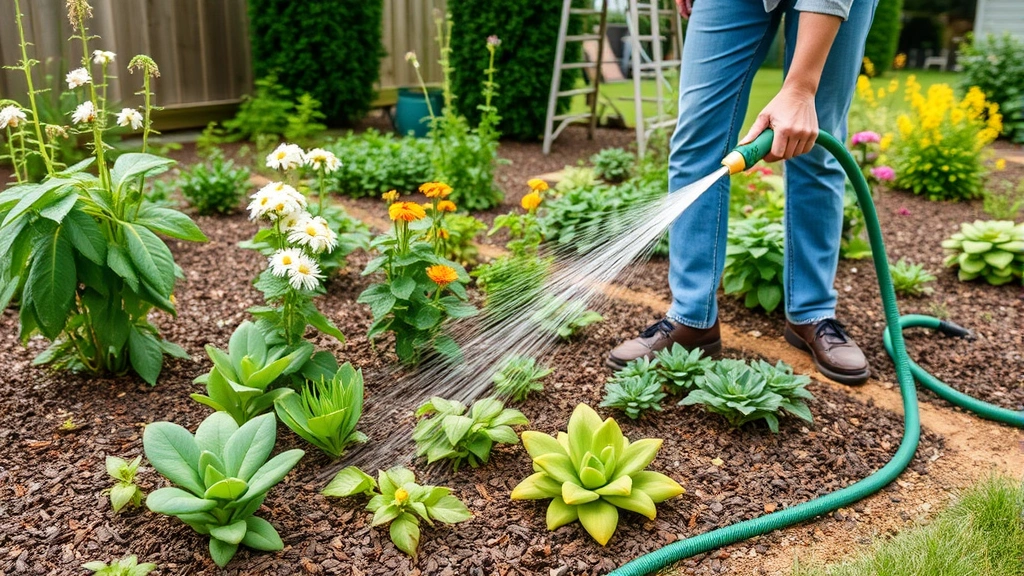
Water early in the morning when possible. This timing allows foliage to dry quickly, reducing fungal disease risk. Avoid wetting leaves on susceptible plants like tomatoes and squash. Direct water to the soil surface using soaker hoses or drip irrigation systems. These delivery methods conserve water while delivering it exactly where plants need it.
The best watering indicator is soil moisture. Stick your finger two inches into the soil. If it feels dry at that depth, water thoroughly until moisture reaches the root zone. Sandy soils need more frequent watering than clay soils. Container plants dry faster than in-ground beds. Seasonal changes affect water needs—spring and fall require less water than hot summer months.
Mulching dramatically reduces watering needs while suppressing weeds and moderating soil temperature. Apply two to three inches of organic mulch like wood chips or shredded leaves around plants, keeping it a few inches away from stems. As mulch decomposes, it enriches your soil with organic matter. This simple practice pays dividends throughout the growing season.
Regular maintenance prevents small problems from becoming disasters. Scout your garden several times weekly, looking for pest damage, disease symptoms, or nutrient deficiencies. Remove weeds when small—they’re easier to pull and compete less aggressively with garden plants. Deadhead spent flowers to encourage continued blooming. Pinch growing tips on herbs to promote bushier growth.
Common Beginner Mistakes to Avoid
Learning from others’ experiences accelerates your path to Emily’s Garden success. Overcrowding represents the most common beginner mistake. Enthusiastic new gardeners plant too densely, creating competition for resources and poor air circulation that invites disease. Follow spacing recommendations on seed packets and plant labels, even when gardens look sparse initially. Plants fill in remarkably quickly.
Planting too early kills more gardens than late planting. Soil temperature matters as much as air temperature. Cool soil rots seeds and transplants. Wait until soil has warmed appropriately for your plants. A soil thermometer removes guesswork. Most vegetable seeds germinate best in soil above 60°F, with many preferring 70°F or warmer.
Ignoring light requirements frustrates beginners who plant shade-lovers in full sun or sun-lovers in shade. Visit your garden at different times to accurately assess light availability. When in doubt, choose shade-tolerant plants for uncertain locations. growing cucumbers in pots and other container gardening allows you to relocate plants if light conditions prove unsuitable.
Inconsistent watering causes more plant deaths than pests or disease. Establish a routine and stick to it. Drip irrigation systems or soaker hoses eliminate guesswork by delivering consistent moisture. If you struggle with remembering, set phone reminders or water at the same time daily.
Neglecting soil improvement handicaps your entire operation. Adding organic matter annually transforms poor soil into rich growing medium. Compost, aged manure, leaf mold, and other organic amendments feed soil organisms that create healthy, productive growing conditions. Your soil improves year after year if you commit to adding organic matter.
Many beginners also underestimate pest and disease pressure. Scout regularly and identify problems early. Most issues respond well to simple interventions—removing affected leaves, spraying with water, or introducing beneficial insects. Waiting until problems become severe limits your options and creates frustration.
FAQ
What’s the best time to start a garden?
Spring offers the most obvious starting point, but you can begin gardening virtually any season. Fall is excellent for establishing perennials and cool-season crops. Winter gardening is possible in mild climates. Summer allows for succession planting of warm-season crops. The best time to start is whenever you’re ready and willing to commit to basic care. Success depends more on effort than timing.
How much space do I need for Emily’s Garden?
You can garden successfully in as little as a few square feet using containers. A 4×4 foot raised bed produces substantial vegetables for a small family. Larger gardens offer more variety and abundance but require more maintenance. Start small and expand as your experience and enthusiasm grow. Container gardening makes productive gardens possible on patios, balconies, and tiny yards.
Can I garden if I have poor soil?
Absolutely. Even the worst soil improves dramatically with consistent organic matter additions. Raised beds and containers allow you to start with quality soil immediately while improving native soil over time. Many successful gardeners inherited terrible soil but transformed it through patience and amendment. Your soil is a work in progress, not a permanent limitation.
How often should I water my garden?
This depends on your climate, soil type, plant selection, and season. Generally, most plants need about one inch of water weekly, delivered through rainfall or irrigation. Check soil moisture before watering—don’t water on a schedule if soil is already moist. Morning watering is best. Drip irrigation delivers water efficiently and consistently.
What plants are easiest for beginners?
Herbs like basil, parsley, and mint are nearly foolproof. Vegetables including zucchini, tomatoes, lettuce, and peas offer reliable production. Flowers like marigolds, zinnias, and sunflowers thrive with minimal care. Native plants suited to your region require less maintenance than exotic species. Start with these proven performers before experimenting with challenging varieties.
Do I need to use chemicals in my garden?
No. Most home gardens thrive without synthetic pesticides or herbicides. Regular scouting catches problems early when simple interventions work. Removing affected plant parts, encouraging beneficial insects, and maintaining healthy soil prevent most issues. Many gardeners never use chemicals and grow abundantly. Start chemical-free and only consider interventions if problems become unmanageable.
How do I know if my plants are healthy?
Healthy plants have vibrant foliage, strong growth, and good color. Yellow leaves, spots, wilting, or stunted growth indicate problems. Check soil moisture first—many issues stem from watering problems. Look for pest damage or disease symptoms. Nutrient deficiencies cause specific discoloration patterns. Early identification and intervention prevent minor issues from becoming serious problems.


