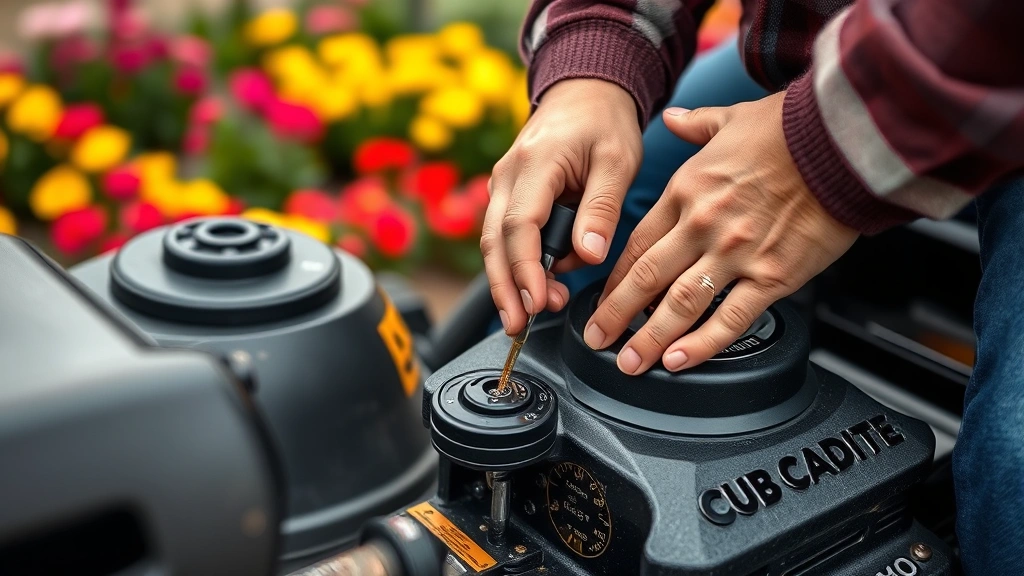
Cub Cadet Garden Tractor: Pro Maintenance Tips
A Cub Cadet garden tractor is a valuable investment for any serious gardener managing larger plots, preparing raised garden beds, or maintaining expansive landscapes. These compact yet powerful machines handle everything from tilling soil to hauling materials, making them indispensable for both residential and semi-commercial gardening operations. However, like all mechanical equipment, your Cub Cadet requires consistent, knowledgeable maintenance to perform reliably season after season.
Whether you’re cultivating a vegetable garden layout that spans hundreds of square feet or managing pathways around your cut flower garden, understanding proper tractor maintenance prevents costly repairs and extends equipment lifespan significantly. This comprehensive guide walks you through essential maintenance procedures, seasonal preparations, and troubleshooting strategies that professional landscapers and master gardeners use to keep their Cub Cadet tractors in peak working condition.
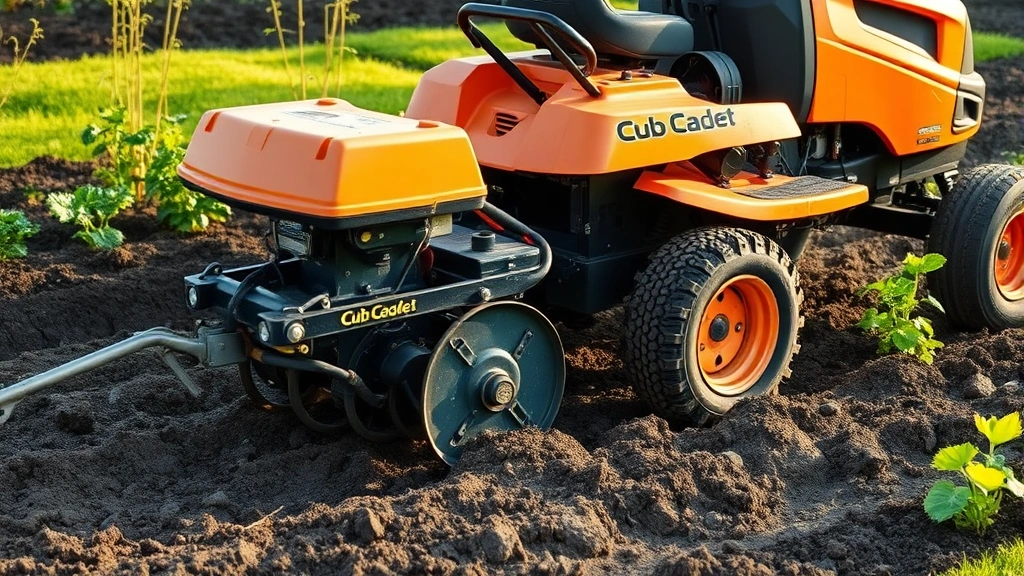
Understanding Your Cub Cadet Engine
The heart of any Cub Cadet garden tractor is its engine, which typically features either a single-cylinder or twin-cylinder design depending on your model. Most modern Cub Cadet tractors use Kohler or Kawasaki engines, both renowned for durability and consistent performance. Understanding your specific engine type helps you perform maintenance more effectively and identify potential issues before they become serious problems.
Single-cylinder engines in compact Cub Cadet models are lightweight and fuel-efficient, making them ideal for smaller garden operations and tilling tasks. Twin-cylinder engines provide more power and smoother operation, beneficial when you’re regularly hauling heavy loads or working through tough soil conditions. Regardless of engine type, your Cub Cadet’s performance depends directly on proper air filtration, fuel quality, and spark plug maintenance.
Check your engine’s air filter every 50 operating hours, or more frequently if you work in dusty conditions. A clogged air filter restricts oxygen flow, reducing fuel efficiency and engine power. For annual maintenance, replace your air filter completely rather than attempting to clean it, as modern filters aren’t designed for reuse. Similarly, inspect your fuel system regularly—stale gasoline left in the tank over winter causes significant engine problems, so use fuel stabilizer or completely drain the tank before extended storage periods.

Oil Changes and Fluid Management
Regular oil changes represent the single most important maintenance task for your Cub Cadet garden tractor. Engine oil lubricates moving parts, reduces friction, and carries away contaminants that accumulate during operation. Neglecting oil changes accelerates engine wear and significantly shortens your tractor’s lifespan.
Change your Cub Cadet’s engine oil every 50 operating hours or at least once per season, whichever comes first. Most models use 10W-30 or SAE 30 oil, though you should verify your specific manual’s requirements. When changing oil, also replace the oil filter—using a fresh filter ensures you’re removing trapped contaminants that could otherwise circulate through your engine again.
Beyond engine oil, your Cub Cadet requires attention to other critical fluids. Hydraulic fluid powers your tractor’s lift system and implements, so check hydraulic fluid levels monthly and top up as needed using the correct specification fluid for your model. Transmission fluid keeps your drivetrain operating smoothly; check levels with a dipstick when the engine is warm and stationary. If you notice discolored or burnt-smelling fluid, schedule a complete fluid change immediately, as this indicates excessive heat or internal damage.
Coolant maintenance matters significantly if you operate your Cub Cadet in extreme temperatures or for extended periods. Most models use a 50/50 mix of antifreeze and water. Check coolant levels when the engine is cold, and flush the entire cooling system annually. Never remove the radiator cap when the engine is hot, as pressurized coolant can cause serious burns.
Belt and Blade Inspection
Your Cub Cadet’s belt system transmits power from the engine to the mower deck, implements, and other attachments. Belts wear gradually over time, becoming frayed, cracked, or glazed. Inspect belts visually every 25 operating hours, looking for signs of damage or excessive wear. A worn belt slips during operation, reducing cutting efficiency and causing uneven grass or soil tilling.
Replace belts annually or whenever you notice visible damage. Keep spare belts on hand during peak gardening season, as a broken belt can leave you unable to work until replacements arrive. When installing new belts, ensure proper tension—too loose and they slip, too tight and they cause premature bearing wear. Most Cub Cadet models include adjustment procedures in their owner’s manual; follow these precisely for optimal performance.
Mower blades require equally diligent attention. Dull blades tear grass and plant material rather than cutting cleanly, creating ragged edges that stress your plants and increase disease susceptibility. Sharpen blades every 20-25 operating hours using a metal file or professional sharpening service. Always disconnect the spark plug wires before working near blades, and never reach underneath the mower deck while the engine is running.
Blade balance is critical—an unbalanced blade vibrates excessively, causing operator fatigue and accelerating bearing wear. After sharpening, weigh both blade ends; they should be equal. If one side is heavier, remove small amounts of metal from the heavier side until balanced. Replace blades entirely if they’re cracked, bent, or worn beyond safe sharpening limits.
Seasonal Preparation Strategies
Seasonal transitions demand specific maintenance routines that prepare your Cub Cadet for upcoming work or protect it during dormant periods. Spring preparation, before your primary gardening season begins, involves thorough inspection and refreshing of all systems after winter storage.
Begin spring preparation by changing all fluids—oil, hydraulic fluid, transmission fluid, and coolant. These fluids absorb moisture during storage, reducing their effectiveness and potentially causing corrosion. Replace air filters and spark plugs even if they appear serviceable; fresh filters and plugs ensure reliable starting and smooth operation throughout the season. Check all hoses for cracks or leaks, replacing any that show deterioration.
Inspect your tractor’s battery thoroughly. Clean corrosion from terminals using a wire brush and baking soda solution, then apply dielectric grease to prevent future corrosion. If your battery is over three years old or shows weak cranking power, replace it before the season begins. Test your starter and alternator function to ensure electrical systems are fully operational.
Fall preparation focuses on protecting your Cub Cadet during winter storage. Thoroughly clean your tractor, removing all grass clippings, soil, and debris that can trap moisture and promote rust. Drain fuel completely or add fuel stabilizer and run the engine for 15 minutes to circulate treated fuel through the carburetor and fuel system. This prevents gum buildup that clogs fuel lines during storage.
Before winter storage, change all fluids while the engine is warm, ensuring contaminants are flushed completely. Remove the battery and store it in a cool, dry location, or connect it to a battery maintainer to prevent discharge. Inflate tires to proper pressure and consider placing the tractor on blocks to prevent flat spots on tires during months of inactivity. Store your Cub Cadet in a covered location away from moisture and temperature extremes.
Transmission and Drivetrain Care
Your Cub Cadet’s transmission and drivetrain systems transfer power from the engine to the wheels and implements, making them crucial for overall performance. Most Cub Cadet models use hydrostatic transmissions, which are remarkably reliable when properly maintained but expensive to repair if neglected.
Check transmission fluid levels monthly when the engine is warm. Hydrostatic transmissions require specific fluid that maintains proper viscosity and hydraulic properties. Using incorrect fluid or allowing levels to drop below the minimum mark causes sluggish operation and potential internal damage. Top up transmission fluid using only the manufacturer-specified type, which you’ll find in your owner’s manual or on the transmission housing itself.
Transmission cooling is essential, particularly during heavy work or hot weather. Many Cub Cadet models include transmission coolers that keep fluid temperatures within safe operating ranges. Keep cooler fins clean and free from debris that restricts airflow. If your transmission runs hot—evidenced by sluggish operation or reduced responsiveness—have a professional inspect your cooling system immediately.
The drive belt that connects the engine to your hydrostatic transmission deserves special attention. This belt endures tremendous stress and wears faster than mower deck belts. Inspect it monthly and replace it at the first sign of fraying or cracking. A broken drive belt leaves your tractor immobile, making preventive replacement a worthwhile investment.
Differential and axle maintenance ensures smooth, even power distribution to both rear wheels. Check differential fluid levels annually and top up as needed. If you notice one wheel spinning faster than the other during turns, or if you experience pulling to one side, have your differential inspected by a qualified technician, as internal wear may require professional service.
Tire Maintenance and Traction
Proper tire maintenance directly impacts your Cub Cadet’s traction, stability, and fuel efficiency. Most garden tractor models use R-3 or R-4 agricultural tires designed for soft ground and variable terrain. These tires feature deep treads that grip soil effectively but require specific pressure management for optimal performance.
Check tire pressure monthly using an accurate gauge. Most Cub Cadet models specify tire pressures between 14-20 PSI for rear tires and 12-18 PSI for front tires, though your specific model may vary. Proper pressure ensures even weight distribution, improves traction, and prevents premature wear. Under-inflated tires cause excessive sidewall flexing and heat buildup, while over-inflated tires reduce ground contact and traction.
For enhanced traction in wet or soft soil conditions—common when preparing container growing areas or maintaining landscaped properties—many gardeners add ballast weight to rear tires. Liquid ballast (calcium chloride solution) improves traction without the expense of heavier wheel weights. This is particularly valuable when pulling heavy implements or working in muddy conditions.
Inspect tires regularly for cuts, punctures, or excessive wear. Small cuts can be patched, but deep cuts or sidewall damage require tire replacement. Uneven wear patterns indicate alignment problems or improper pressure; address these issues immediately to prevent further deterioration. Rotate tires annually to promote even wear, and replace tires when tread depth falls below 1/4 inch.
Clean tires thoroughly after working in wet or muddy conditions, removing accumulated soil that can harden and cause imbalance. Dry, hardened soil also traps moisture against tire sidewalls, accelerating deterioration. A simple rinse with a garden hose prevents these problems and extends tire lifespan significantly.
Common Issues and Solutions
Even with diligent maintenance, Cub Cadet garden tractors occasionally develop issues. Recognizing common problems and understanding their causes helps you address them quickly and prevent more serious damage.
Starting Problems: If your Cub Cadet won’t start or starts reluctantly, suspect fuel system issues first. Stale gasoline, clogged fuel filters, or carburetor buildup prevent proper fuel flow. Drain old fuel, clean or replace fuel filters, and run fresh fuel through the system. If the engine still won’t start, check spark plugs—corroded or fouled plugs prevent ignition. Replace plugs with the correct type for your engine.
Overheating: An overheating engine indicates cooling system problems. Check coolant levels immediately—low coolant is the most common cause. Inspect hoses for leaks or kinks that restrict flow. Clean radiator fins and cooling ducts of grass and debris. If overheating persists, the thermostat may be stuck closed, requiring replacement by a qualified technician.
Loss of Power: Reduced engine power often stems from air filter restriction or fuel system issues. Replace your air filter and check fuel quality. Clogged fuel lines or a failing fuel pump also cause power loss; have these components inspected if filter replacement doesn’t resolve the problem. Carbon buildup in the combustion chamber can reduce power—a professional engine cleaning may be necessary.
Transmission Slippage: If your Cub Cadet moves sluggishly or fails to respond quickly to speed changes, transmission fluid levels may be low or the fluid may be degraded. Check and top up fluid immediately. If slippage continues, the transmission may require professional service, as internal wear can’t be addressed through maintenance alone.
Unusual Noises: Grinding, squealing, or knocking sounds indicate specific problems. Squealing usually means belt slippage—adjust tension or replace belts. Grinding suggests blade contact with debris or foreign objects; stop immediately and inspect the mower deck. Knocking may indicate internal engine problems requiring professional diagnosis.
Uneven Cutting or Tilling: If your Cub Cadet produces uneven results, check blade balance and sharpness first. Dull or unbalanced blades cause inconsistent performance. Verify that your tractor isn’t tilted due to tire pressure differences or suspension issues. Implement wear can also affect performance—inspect tines or blades for damage.
FAQ
How often should I perform maintenance on my Cub Cadet garden tractor?
Establish a maintenance schedule based on operating hours. Check fluid levels monthly, inspect belts and blades every 25 operating hours, change oil every 50 hours or annually, and perform comprehensive seasonal maintenance before winter storage and spring use. Keep detailed maintenance records to track service dates and identify patterns.
What’s the best fuel for my Cub Cadet tractor?
Use fresh, unleaded gasoline with an octane rating of 87 or higher. Avoid gasoline containing more than 10% ethanol, as ethanol-blended fuels can cause fuel system problems in older equipment. Add fuel stabilizer during storage periods to prevent gum buildup and fuel degradation.
Can I use my Cub Cadet for tasks other than mowing?
Absolutely. Cub Cadet tractors accept numerous attachments including tillers for soil preparation, aerators for lawn care, spreaders for fertilizer application, and dump carts for material hauling. These capabilities make them invaluable for comprehensive garden management beyond basic mowing.
How do I winterize my Cub Cadet properly?
Drain fuel or add stabilizer, change all fluids, replace air filters and spark plugs, clean the entire tractor, remove and store the battery separately, and store the tractor in a covered location. Consider placing it on blocks to prevent tire damage during months of inactivity.
What should I do if my Cub Cadet won’t start after winter storage?
Check fuel quality first—stale fuel is the most common culprit. Drain old fuel and replace with fresh gasoline. Replace spark plugs and check the battery charge. If the engine still won’t start, have a professional inspect the carburetor and fuel system for blockages requiring professional cleaning.
Is professional service necessary, or can I handle all maintenance myself?
Basic maintenance like oil changes, filter replacements, and belt inspection are straightforward for most gardeners. However, transmission service, engine repairs, and complex electrical work require professional expertise. Know your limits and consult qualified technicians for work beyond your skill level.