Nestled on Mount Desert Island in Bar Harbor, Maine, the Asticou Azalea Garden stands as one of the most spectacular botanical destinations in New England. This 2.3-acre masterpiece showcases over 70 varieties of azaleas, rhododendrons, and companion plants in a meticulously curated landscape that draws thousands of visitors each spring and early summer. Whether you’re a devoted gardener seeking inspiration or a casual nature enthusiast, understanding how to maximize your visit unlocks the true magic of this horticultural treasure.
Created in 1956 by Charles K. Savage, the garden represents a lifetime of passion for cultivating Asian-inspired landscapes with native Maine plants. The thoughtful design incorporates winding paths, peaceful water features, and strategic plant placement that creates intimate garden rooms throughout the grounds. Visiting Asticou Azalea Garden offers more than just beautiful blooms—it provides valuable lessons in landscape design, plant selection, and seasonal gardening that you can apply to your own outdoor spaces.

Best Times to Visit for Peak Blooms
Timing your visit to Asticou Azalea Garden is crucial for experiencing the garden at its absolute finest. The azalea bloom season typically runs from late May through early June in Maine’s coastal climate, though this varies slightly depending on spring weather patterns. Early May visitors may catch the tail end of rhododendron blooms, while late June visitors can enjoy the lush green foliage and secondary flowering displays.
For guaranteed peak bloom conditions, plan your trip for the third and fourth weeks of May. During this window, the majority of azaleas reach their flowering zenith, creating an explosion of color across the garden’s landscape. The early morning hours—ideally between 8 and 10 a.m.—offer the most dramatic lighting for viewing blooms, as the sun illuminates the flowers while shadows remain deep and colorful.
Weather patterns significantly impact bloom timing. A warm spring with temperatures above 60°F accelerates flowering, potentially moving peak bloom earlier than usual. Conversely, a cold spring delays blooms by several weeks. Checking the garden’s official website or calling ahead helps confirm current bloom status before making the drive to Bar Harbor.
Consider visiting on weekdays rather than weekends to enjoy a more peaceful experience. Saturday and Sunday afternoons attract larger crowds, particularly during peak bloom season. Arriving early in the morning on a weekday provides the optimal combination of beautiful blooms, excellent light for photography, and a serene atmosphere for reflection and note-taking.

Navigating the Garden Layout and Key Areas
The Asticou Azalea Garden’s design intentionally creates a sense of discovery, with winding paths revealing new vistas at every turn. Understanding the layout helps you allocate your time effectively and ensures you don’t miss significant plantings. The main entrance leads through a gate into the central garden area, where the most concentrated azalea plantings surround a tranquil pond.
The pond serves as the garden’s focal point, reflecting blooming plants and creating a meditative quality that embodies Japanese aesthetic principles. Walking the perimeter of this water feature takes approximately 15-20 minutes at a leisurely pace. The paths are well-maintained and suitable for most mobility levels, though some sections feature gentle inclines.
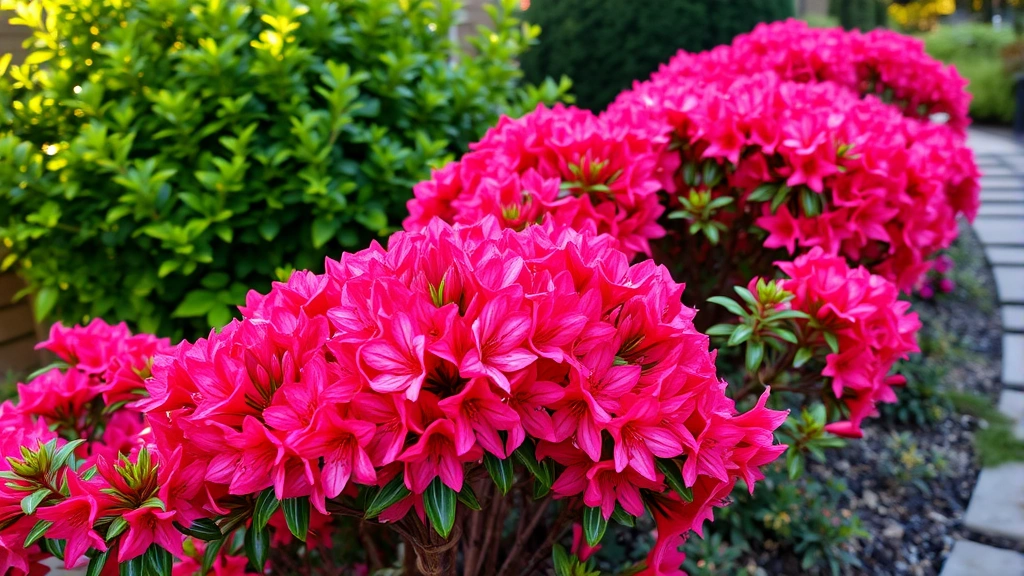
The northern section of the garden features predominantly pink and red azaleas, creating a warm color palette. This area feels more open and airy compared to other zones. The southern portion showcases white and pale-colored varieties, offering a cooler, more ethereal atmosphere. The western edge includes specimen rhododendrons and mature shade trees that frame the entire composition.
Several shade garden areas throughout Asticou feature companion plantings that enhance the azaleas. Hostas, ferns, and Japanese maples provide textural contrast and extend the visual interest beyond the flowering season. These shade-loving plants offer excellent inspiration if you’re planning shade plantings in your own landscape.
The garden’s upper terraces, accessible via steps near the main entrance, provide elevated viewpoints that showcase the entire composition. This vantage point is particularly valuable for understanding the garden’s overall design principles and how individual plantings contribute to the larger landscape vision.
Understanding Azalea Varieties on Display
Asticou Azalea Garden features an exceptional collection of both deciduous and evergreen azalea varieties. Recognizing these different types enhances your appreciation of the plantings and informs decisions if you’re starting a flower garden with similar plants.
Deciduous azaleas dominate the spring display, offering vibrant colors in shades of pink, red, orange, yellow, and white. Popular varieties include Exbury hybrids, known for their large flowers and extended bloom season. The ‘Gibraltar’ azalea, with its striking orange-red flowers, is a visitor favorite that photograph beautifully against the green landscape backdrop.
Evergreen azaleas, primarily Kurume and Satsuki types, provide structure and form year-round. These compact varieties work excellently in raised garden bed designs and foundation plantings. At Asticou, evergreen azaleas create defined edges and focal points throughout the garden.
Rhododendrons, closely related to azaleas and sharing similar growing requirements, contribute significantly to the garden’s spring display. Large-leafed varieties like ‘Catawbiense’ and ‘Roseum Elegans’ provide structure and extend the blooming period. Understanding the distinction between azaleas and rhododendrons—azaleas typically have smaller leaves and more delicate flowers—helps you appreciate the diverse plant palette.
The garden’s plant labels, found throughout the property, provide botanical names and cultivar information. Recording these names in a notebook or photographing labels helps you remember specific varieties you’d like to grow at home. Many azalea varieties available in nurseries are directly represented at Asticou, making the garden an excellent place to see mature specimens before purchasing.
Photography Tips and Scenic Spots
Asticou Azalea Garden’s composition and plant selection create countless photographic opportunities. Understanding the garden’s best angles and lighting conditions maximizes your photography success.
The pond reflection shots offer the most iconic images. Position yourself on the western bank early in the morning when the water surface is calm and the sun illuminates blooming azaleas across the water. Use a tripod if available to capture sharp reflection images, and experiment with different focal lengths to frame the composition.
Close-up flower photography works exceptionally well in the northern section where pink and red azaleas cluster densely. Overcast days provide ideal lighting for macro photography, as diffused light eliminates harsh shadows on delicate petals. Bring a macro lens or close-focus capability to capture the intricate flower structures.
The upper terraces provide landscape photography opportunities that showcase the garden’s overall design. Wide-angle lenses work best for these elevated vantage points, allowing you to capture the relationship between plant masses and the surrounding landscape.
Avoid using flash photography, which washes out flower colors and disturbs the natural ambiance. Instead, increase your camera’s ISO and use wider apertures to compensate for lower light levels beneath shade trees. The soft, filtered light under mature trees actually produces superior flower photography compared to harsh direct sunlight.
Bring a plant identification guide or use a smartphone app to document interesting varieties. Photographing plant labels ensures you capture accurate botanical information for reference at home. These records prove invaluable when selecting azaleas for your own landscape projects.
Practical Visitor Information and Logistics
Asticou Azalea Garden is located at 3 Azalea Lane in Northeast Harbor, approximately 12 miles from downtown Bar Harbor. The garden operates seasonally, typically opening in late April and closing in October. Spring visits require checking current hours, as opening times vary based on bloom conditions and seasonal staffing.
Admission is modestly priced, with discounts available for children, seniors, and garden club members. No reservations are required for individual visitors, though group visits benefit from advance notice. The garden welcomes photography for personal use, though commercial photography requires permission from management.
Parking is available in a small lot adjacent to the garden entrance. During peak bloom season weekends, parking can fill quickly. Arriving early or visiting on weekdays virtually eliminates parking challenges. The garden is approximately a 10-minute drive from Bar Harbor’s downtown area, making it easily accessible for those staying in town.
The garden’s terrain includes gravel and paved paths suitable for most visitors. However, some sections feature stairs and uneven surfaces that may challenge visitors with mobility limitations. Benches positioned throughout the garden provide rest areas for those who need them. The garden does not permit strollers on all paths, so check current policies if visiting with young children.
Bring water and wear comfortable walking shoes, as a complete garden tour typically takes 45 minutes to two hours depending on your pace. Sunscreen and insect repellent are recommended, particularly during peak season when mosquitoes can be active in shaded areas near the pond. The garden has limited shade in some areas, so hats or umbrellas provide helpful sun protection.
Inspiration for Your Own Garden
Visiting Asticou Azalea Garden provides invaluable design inspiration for home gardeners. The thoughtful plant combinations and landscape principles demonstrated throughout the property translate directly to residential garden projects.
The garden exemplifies how to create visual interest through color coordination and seasonal progression. Observe how cool-colored white and pale pink azaleas calm the eye, while hot-colored reds and oranges energize the landscape. These principles apply whether you’re designing a small foundation planting or a larger perennial border.
The use of evergreen plants as structural elements deserves particular attention. Evergreen azaleas and rhododendrons provide year-round form and serve as anchors for seasonal flowering displays. Incorporating similar evergreen structure in your home landscape ensures visual interest even after spring blooms fade.
Water features, like the central pond at Asticou, create focal points and add movement and sound to gardens. Even small residential landscapes benefit from water elements—a birdbath, fountain, or small pond creates visual interest and attracts wildlife while evoking the peaceful quality Asticou achieves on a larger scale.
The garden’s Japanese-inspired aesthetic emphasizes simplicity, balance, and the beauty of natural materials. Stone pathways, carefully pruned plants, and minimal ornamentation create a refined atmosphere. These principles work in any landscape style, from formal gardens to naturalistic plantings.
Shade garden design at Asticou demonstrates how to create rich, layered plantings in challenging light conditions. The combination of hostas, ferns, and shade-tolerant shrubs creates depth and texture while accommodating the azaleas’ preference for dappled light. Learn more about caring for bonsai trees and other specimen plants that can accent shade gardens similarly to how Asticou displays exceptional individual specimens.
Take detailed notes and photographs during your visit, recording plant combinations and design techniques that resonate with your aesthetic preferences. This documentation becomes an invaluable reference when planning your own garden improvements.
FAQ
What is the best month to visit Asticou Azalea Garden?
May is the ideal month for visiting Asticou Azalea Garden. Late May specifically offers peak azalea bloom conditions, though early June can still provide excellent viewing. The exact timing depends on spring weather patterns, so checking the garden’s website before visiting ensures you catch peak bloom.
Can I bring my dog to Asticou Azalea Garden?
Dogs are generally not permitted in the garden to protect the delicate plantings and ensure a peaceful environment for all visitors. However, policies may vary, so contacting the garden directly before your visit confirms current pet policies.
How long does a typical visit to Asticou Azalea Garden take?
Most visitors spend 45 minutes to two hours exploring the garden. The actual duration depends on your pace, photography interests, and how thoroughly you want to study the plant combinations. Leisurely visitors who sit and reflect may spend three hours or more.
Is Asticou Azalea Garden wheelchair accessible?
While the garden features some paved paths suitable for wheelchairs, not all areas are fully accessible due to stairs and uneven terrain. Visitors with mobility concerns should contact the garden directly to discuss specific accessibility needs and potential accommodations.
What should I wear when visiting Asticou Azalea Garden?
Comfortable walking shoes with good traction are essential, as paths include gravel and some uneven surfaces. Bring sunscreen, a hat, and insect repellent. Layers work well since Maine coastal weather can be variable, even in late spring and early summer.
Are there dining options near Asticou Azalea Garden?
The garden itself has no food service facilities. However, Northeast Harbor and Bar Harbor, both within short driving distance, offer numerous restaurants and cafes. Pack a picnic lunch if you prefer to dine near the garden.
Can I purchase azaleas or plants at Asticou Azalea Garden?
The garden does not operate a plant nursery or gift shop. However, many varieties on display at Asticou are available through local nurseries and mail-order specialists. Use your visit to identify specific cultivars you’d like to grow, then source them through commercial nurseries.
What is the admission cost for Asticou Azalea Garden?
Admission is modestly priced with discounts for children, seniors, and members of garden clubs and horticultural societies. Check the garden’s official website for current pricing and any special promotions or events.