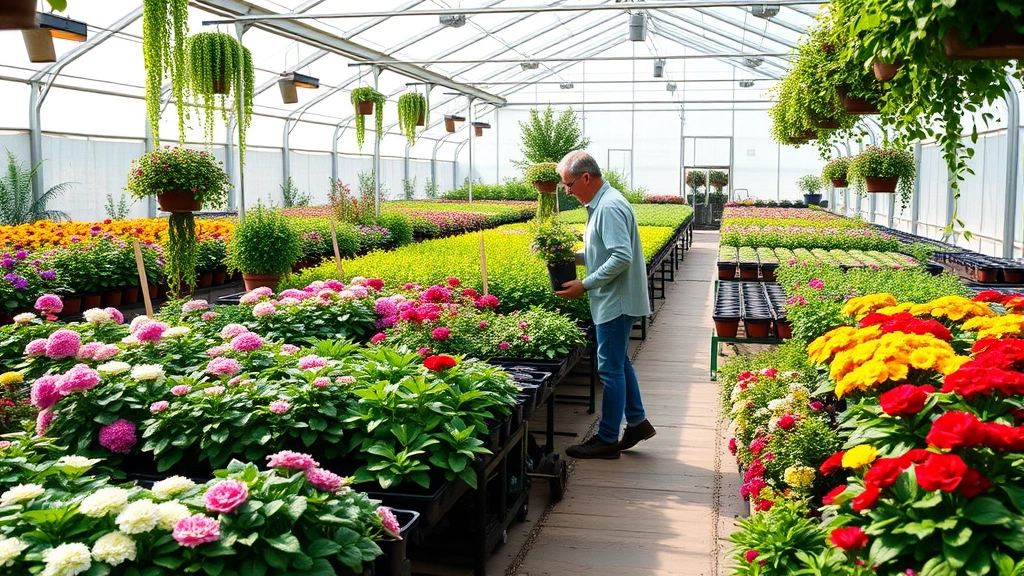
Visit West Seattle Nursery? Local’s Favorite Tips
West Seattle’s gardening community has long relied on quality local nurseries to transform yards into thriving green spaces. Whether you’re a seasoned gardener or just starting your first container garden, knowing what to expect and how to make the most of your visit can save time, money, and frustration. This guide shares insider tips from Seattle gardeners who’ve made West Seattle nurseries their go-to destination for plants, supplies, and expert advice.
The Pacific Northwest climate offers unique opportunities for gardeners, with its mild winters and moderate summers creating ideal conditions for diverse plant species. Local nurseries in West Seattle understand these conditions intimately and stock plants specifically suited to our region’s USDA hardiness zones and rainfall patterns. Before you visit, understanding what you’re looking for and when to shop makes all the difference.
Best Times to Visit West Seattle Nurseries
Timing your nursery visit strategically can significantly enhance your shopping experience. Early morning visits, particularly on weekdays, offer several advantages: staff members are more available for detailed questions, the selection is at its freshest, and you’ll avoid weekend crowds. Many experienced gardeners recommend arriving right when the nursery opens, especially during peak seasons.
Spring represents the busiest season at West Seattle nurseries, typically from March through May. During this period, expect fuller inventory but also expect crowds. If you’re searching for specific plants or want personalized attention, consider visiting on a weekday afternoon instead. Summer months bring different stock as nurseries shift focus to heat-tolerant perennials and container plants suitable for Seattle’s drier season.
Fall is often overlooked but offers exceptional opportunities for planting. September through November is ideal for installing trees, shrubs, and perennials because plants can establish root systems before winter dormancy. Winter visits work well for planning and purchasing supplies, though live plant selection diminishes significantly. Many local nurseries use winter to reorganize and prepare for spring, making it a perfect time to discuss garden projects with staff without time pressure.
What to Look for in Healthy Plants
Identifying healthy plants before purchase prevents problems down the line. Examine foliage carefully—leaves should be vibrant in color with no yellowing, browning, or spotting unless those are natural plant characteristics. Gently turn pots to inspect the undersides of leaves, where pest infestations often hide. Look for webbing, sticky residue, or tiny insects that indicate spider mites, aphids, or scale.
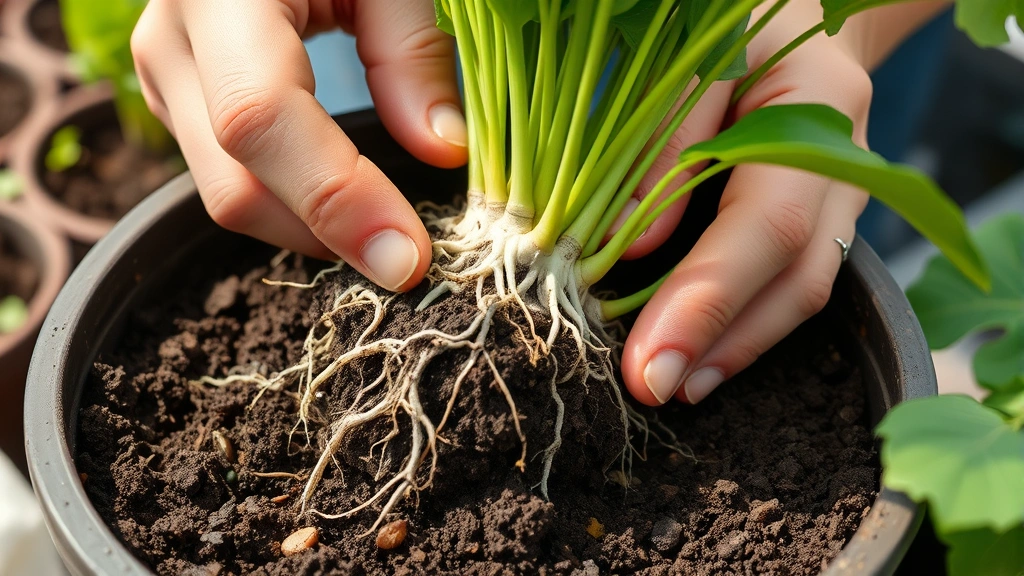
Root health is equally important. If possible, gently lift a plant from its pot (most nurseries allow this). Healthy roots appear white or light-colored and fill the pot without being densely root-bound. Avoid plants with roots circling the pot’s interior or emerging from drainage holes excessively. Soil should feel moist but not waterlogged or completely dry and compacted.
The plant’s overall shape matters too. Select plants with multiple stems branching from the base rather than single weak stems. Avoid plants with broken branches, damaged leaves, or signs of neglect like dust accumulation. When selecting perennials or shrubs, look for stocky, compact growth rather than tall, leggy specimens. Don’t hesitate to ask nursery staff about a plant’s specific care requirements—their expertise is invaluable for matching plants to your garden conditions.
For container plants, check that containers have adequate drainage holes. If drainage is blocked or the pot feels unusually heavy, the plant may have been overwatered. Healthy plants in proper containers will feel appropriately weighted for their size—heavy enough to indicate adequate moisture but not waterlogged.
Seasonal Plant Selection Guide
Seattle’s maritime climate supports an impressive range of plants throughout the year. Spring nurseries stock bedding annuals, cool-season vegetables, and flowering perennials. This is prime time for purchasing small garden ideas plants like pansies, snapdragons, and primrose. Vegetable starts for cool-season crops—lettuce, peas, broccoli—appear in abundance.
By summer, nurseries transition to heat-loving annuals, drought-tolerant perennials, and herbs. This season is perfect for finding plants suited to rain garden plants that manage Seattle’s seasonal wet periods. Ornamental grasses, sedums, and Mediterranean herbs flourish in summer displays. Container gardeners should visit during this period for cascading annuals and sun-loving combinations.
Fall brings cool-season vegetables, ornamental kale, mums, and ornamental cabbages. Many gardeners don’t realize fall is an excellent planting season for trees and shrubs. Butterfly garden plants like asters and sedum are at their peak now, supporting pollinators preparing for winter. This is also when native plants often appear, supporting local ecosystems.
Winter inventory is smaller but includes hellebores, winter-flowering heathers, and evergreen structures for garden architecture. Many nurseries stock gift plants, holiday decorations, and supplies. It’s an excellent time to purchase tools, soil amendments, and plan spring projects without the pressure of immediate planting season.
Creating Your Shopping List
Successful nursery visits begin before leaving home. Start by assessing your garden’s conditions: sunlight patterns, soil type, moisture levels, and existing plants. Observe how sun moves across your yard throughout the day. Note which areas stay consistently moist and which dry out quickly. This information is crucial for selecting plants that will thrive rather than struggle.
Photograph the areas you want to improve. Bring these photos to the nursery—staff can help you select appropriate plants for specific conditions. Measure spaces where you plan to add plants, noting the height and width available. Consider the mature size of plants, not just their current nursery container size.
Research plants you’re interested in before visiting. Make a prioritized list with must-haves and nice-to-haves. Include plant names, preferred sizes, and color preferences. When considering herb garden sage or other culinary herbs, note whether you want them for kitchen access or ornamental value.
Think about your budget realistically. Quality nursery plants cost more than big-box alternatives but establish better and receive superior care. Allocate funds for soil amendments, which are often more important than the plants themselves. Include supplies like mulch, compost, or specialized fertilizers in your budget.
Building Relationships with Staff
West Seattle nursery staff members are gardening enthusiasts who genuinely care about plant success. Building relationships with them transforms your shopping experience. Ask staff for their personal recommendations—they know what thrives in Seattle’s specific microclimate. Share details about your garden challenges, and they’ll suggest solutions based on real local experience.
Don’t hesitate to ask questions that seem basic. Nursery professionals expect questions about watering frequency, light requirements, pest management, and hardiness. They’ve likely heard every question before and appreciate customers who want to get things right. Their knowledge extends beyond what’s written on plant tags.
Return to the same nursery regularly. Staff will begin recognizing you and remembering your projects. This familiarity allows for more personalized recommendations. Some nurseries offer customer loyalty programs or email lists about new arrivals and special sales. Subscribing to these services keeps you informed about seasonal stock and can alert you to hard-to-find plants.
Attend any workshops or classes offered by local nurseries. These educational opportunities deepen your gardening knowledge while supporting local businesses. Many West Seattle nurseries host seasonal workshops on topics like native plant gardening, composting, or pest management. These sessions often reveal insider tips that transform your gardening success.
Budget-Friendly Shopping Strategies
Quality plants don’t require spending excessively if you shop strategically. Visit nurseries at the end of seasons when inventory clearance occurs. Late spring sales offer discounted annuals, and fall sales feature perennials and shrubs at reduced prices. However, purchase only plants that genuinely fit your garden—bargains mean nothing if the plant doesn’t thrive in your conditions.
Consider purchasing smaller sizes. A young perennial in a 4-inch pot costs significantly less than a mature specimen in a gallon container. With proper care and soil preparation, small plants quickly catch up to larger specimens within a season or two. This approach works particularly well for perennials that spread or fill out over time.
Buy plants in off-seasons. Winter is often the cheapest time to purchase evergreen shrubs and trees since demand is lower. Spring bulbs purchased in fall cost less than spring-planted bulbs. Timing purchases to lower-demand periods stretches your gardening budget.
Invest in soil amendments rather than expensive plants. Rich, well-prepared soil allows even inexpensive plants to thrive. Compost, aged manure, and peat moss create conditions where plants flourish. This investment pays dividends across your entire garden rather than benefiting just one plant.
Join nursery mailing lists and follow them on social media for sales announcements and special promotions. Some nurseries offer discounts for first-time customers or bulk purchases. Ask about contractor discounts if you’re planning substantial garden projects.
Specialty Plants and Rare Finds
West Seattle nurseries often stock specialty plants beyond standard offerings. Many carry native plant selections supporting local ecosystems and pollinators. Native plants typically require less maintenance once established because they’re naturally suited to local conditions. Ask staff about native options for your specific growing conditions.
Specialty nurseries within the West Seattle area focus on particular plant types—Japanese maples, dwarf conifers, shade plants, or edibles. Building relationships with these specialists gives you access to rare cultivars and expert-specific knowledge. They often propagate unusual varieties unavailable elsewhere.
Unusual herbs and heirloom vegetables appear seasonally at many nurseries. If you’re interested in growing specialty plants for culinary use, ask staff about available varieties. Many nurseries source from local propagators specializing in heritage varieties. Pre-ordering unusual plants ensures availability when you need them.
Specimen plants—mature shrubs or trees selected for exceptional form or size—are available at quality nurseries for focal points and structural elements. These plants command premium prices but instantly mature garden designs. A well-chosen specimen can define a garden’s entire aesthetic.
Ask nursery staff about plants arriving soon. Many nurseries receive shipments throughout the season. If you’re searching for something specific, inquire whether it’s coming soon. Staff can often reserve plants for you or notify you when rare items arrive.
FAQ
What should I bring when visiting a West Seattle nursery?
Bring your garden photos, measurements of planting spaces, notes about sun exposure and soil conditions, a prioritized plant list, and your budget. A wagon or cart helps transport purchases, and comfortable walking shoes are essential since you’ll likely spend more time browsing than expected. Bring a notebook for jotting down nursery staff recommendations and plant care details.
Can I return plants if they don’t thrive?
Most quality nurseries offer reasonable return policies, typically 30 days with receipt. However, returns depend on proper planting and care. Always keep your receipt and ask about specific return policies when purchasing. Staff can often provide care advice that prevents problems requiring returns.
When should I visit to avoid crowds?
Weekday mornings in spring offer the best combination of full inventory and minimal crowds. Early afternoon on weekdays works well during summer and fall. Avoid weekends during spring and early summer when crowds peak. Winter visits are consistently less crowded.
How do I know if a plant is right for my garden?
Match the plant’s light, moisture, and hardiness requirements to your specific growing conditions. Consult with nursery staff about your yard’s characteristics. They can recommend plants thriving in similar Seattle microclimates. When in doubt, ask staff to explain care requirements in detail.
Should I plant immediately after purchase?
Plant as soon as possible after purchase, ideally within a few days. If you can’t plant immediately, keep plants watered and in appropriate light conditions. For trees and shrubs, fall and early spring are optimal planting times. For annuals and perennials, timing depends on frost dates and specific plant requirements.
What’s the difference between nursery plants and big-box store plants?
Local nurseries typically provide superior plant quality, more knowledgeable staff, better plant care before purchase, and higher survival rates. Plants receive individual attention rather than mass-market treatment. Local nurseries also stock plants specifically suited to Seattle’s climate rather than generic nationwide selections.


