Create a Butterfly Garden? Expert Tips & Guide
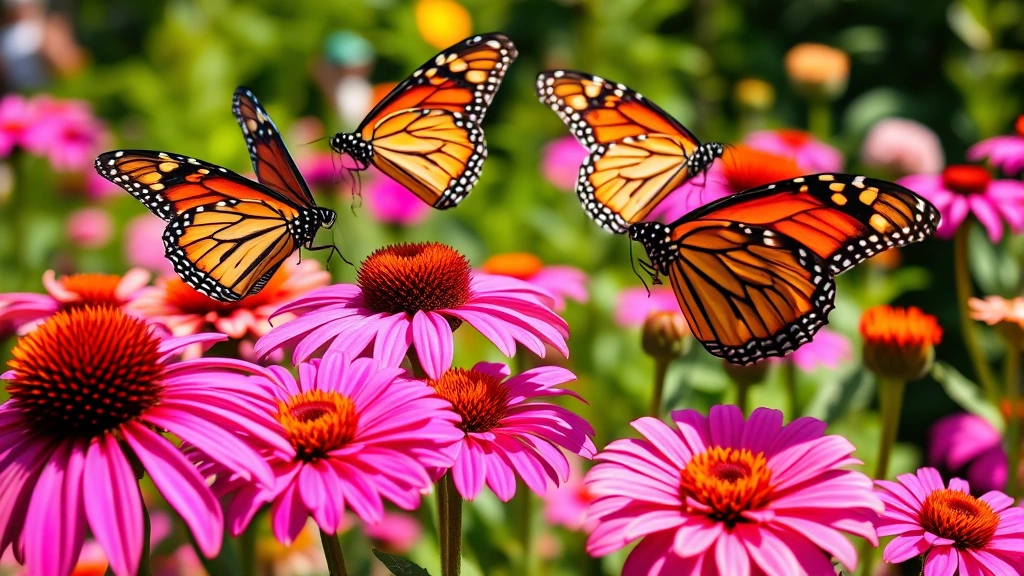
Attracting butterflies to your garden transforms it into a living sanctuary of color, movement, and natural beauty. A butterfly garden isn’t just visually stunning—it supports crucial pollinators that sustain our ecosystems. Whether you have a sprawling backyard or a modest patio space, creating an environment where butterflies thrive is entirely achievable with the right knowledge and plants.
The key to success lies in understanding what butterflies need: nectar sources for adults, host plants for caterpillars, shelter from wind and predators, and water. By incorporating these elements thoughtfully, you’ll transform your outdoor space into a thriving butterfly haven that delights throughout the growing season.
Understanding Butterfly Needs
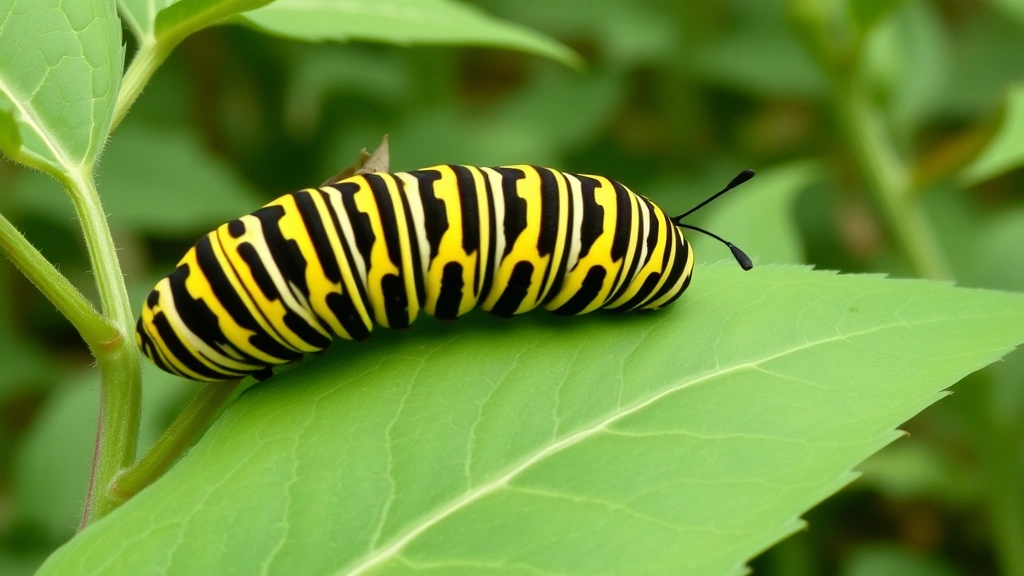
Before planting a single flower, it’s essential to understand the butterfly lifecycle and habitat requirements. Butterflies undergo complete metamorphosis: egg, caterpillar (larva), chrysalis (pupa), and adult. Each stage requires different resources. Adult butterflies need nectar for energy and reproduction, while caterpillars are voracious plant eaters that depend entirely on specific host plants for survival.
The most successful butterfly gardens provide both. Many gardeners focus exclusively on pretty flowering plants but forget that caterpillars won’t develop without their preferred host plants. This oversight explains why some gardens see few butterflies despite abundant blooms. Research from the North American Butterfly Association emphasizes that native plants are crucial—they’ve co-evolved with local butterfly species over millennia.
Understanding your region’s climate zone and which butterfly species naturally occur there is your first step. Native butterflies have specific preferences for host plants, nectar sources, and habitat conditions. A garden designed around these preferences will attract more butterflies with less effort than fighting against nature.
Selecting Nectar Plants
Nectar plants provide the fuel adult butterflies need. The best nectar sources bloom over an extended season, ensuring food availability from spring through fall. Aim for a succession of blooms rather than one spectacular display.
Spring bloomers: Phlox, bleeding heart, wild lupine, and coneflowers establish early nectar sources. These plants are particularly important as butterflies emerge from winter dormancy and need immediate energy.
Summer stars: Zinnias, black-eyed Susans, bee balm, and Joe-Pye weed provide peak nectar during butterfly season. These robust bloomers tolerate heat and often self-seed, reducing maintenance year to year.
Fall favorites: Asters, sedums, ironweed, and blazing star keep butterflies fed as they prepare for migration or hibernation. Fall blooms are particularly critical for monarch butterflies preparing their epic southern journey.
Choose flowers in clusters of the same species—butterflies can locate and efficiently feed from grouped plants. Colors matter too: purple, pink, orange, and red flowers attract butterflies most readily. White and yellow flowers work well, though some butterfly species show color preferences.
When gardening with native plants, you’ll find they’re naturally adapted to your local butterflies. Native wildflowers often outperform exotic ornamentals in attracting regional butterfly species. Consider visiting your local botanical garden or native plant nursery to identify species suited to your area.
Host Plants for Caterpillars
This is where many butterfly gardens fail. Host plants are the plants on which butterfly caterpillars feed. Without them, you’ll have flowers but no butterflies completing their lifecycle in your garden. Different butterfly species require specific host plants:
Monarchs: Milkweed species are the only host plant. Common milkweed, swamp milkweed, and showy milkweed all work depending on your region. Milkweed’s toxins make monarchs poisonous to predators—an essential survival adaptation.
Swallowtails: Parsley, dill, fennel, and citrus plants host different swallowtail species. Black swallowtails favor parsley family plants, while tiger swallowtails prefer cherry and ash trees.
Fritillaries: Violet species are essential. These often-overlooked plants are crucial for several butterfly species. Plant them in shaded areas where they naturally thrive.
Painted Ladies: Thistles, mallows, and lupines support these colorful butterflies. While thistles can become invasive, they’re worth incorporating in controlled areas.
Resist the urge to remove caterpillar-eaten leaves. Yes, they look damaged, but that damage means butterflies are completing their lifecycle in your garden. This is success, not failure. The more “messy” your garden tolerates, the more butterflies you’ll support.
Combine rain garden techniques with native host plants to create moisture-loving habitat zones. Many native host plants prefer slightly moist conditions, making rain gardens ideal for establishing milkweed and violet colonies.
Garden Layout and Design
Strategic layout maximizes your butterfly garden’s appeal and functionality. Consider these design principles:
Grouping and clustering: Plant nectar sources in groups of three to five of the same species. Butterflies locate flowers more easily when they’re clustered, and they feed more efficiently on grouped plants. This arrangement also creates visual impact in your garden design.
Height variation: Incorporate plants of varying heights to create visual interest and accommodate different butterfly feeding preferences. Tall plants like Joe-Pye weed can reach six feet, while creeping phlox stays under a foot. This vertical diversity provides shelter and creates microclimates.
Sun exposure: Butterflies are cold-blooded and need sunlight to warm their wings before flying. Position your butterfly garden in a location receiving at least six hours of direct sun daily. Morning sun is particularly important for warming butterflies after cool nights.
Wind protection: Strong winds make flying difficult for butterflies. Locate your garden where natural windbreaks—trees, shrubs, or structures—provide shelter without creating dense shade.
When planning garden layout, consider dedicating a specific zone to butterfly plants rather than scattering them throughout a mixed border. This concentration creates a butterfly destination that’s easier to maintain and more attractive to visiting species.
Water Sources and Shelter
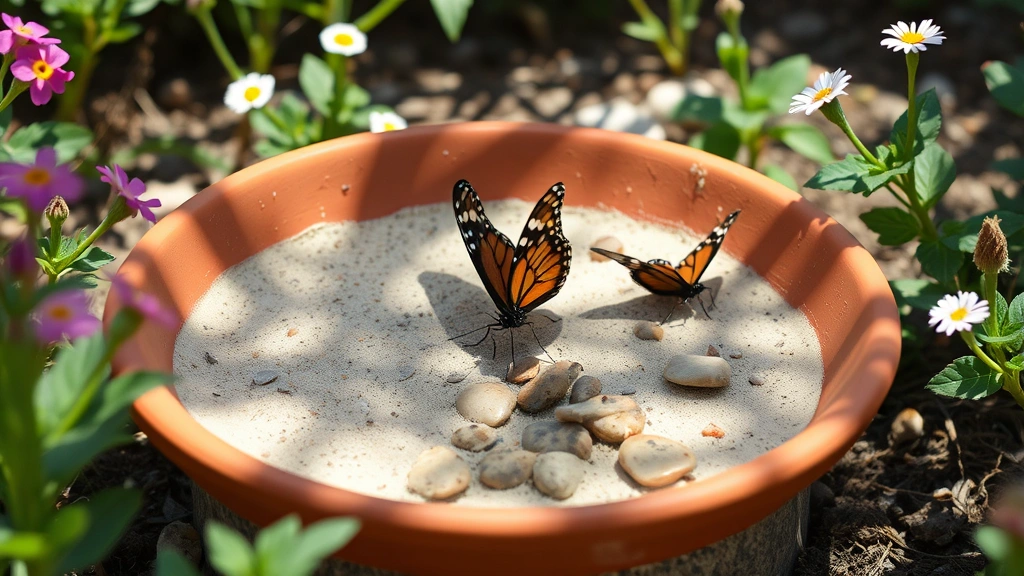
While butterflies drink nectar, they also need water and minerals. Provide shallow water sources where butterflies can safely drink without drowning. A butterfly puddling station—a shallow dish filled with sand or soil kept consistently moist—is an excellent addition. Butterflies gather at these stations to extract minerals, creating spectacular photo opportunities.
Create puddling stations by filling a terracotta saucer with sand and keeping it moist. Add a pinch of salt or composted manure for minerals butterflies crave. Place multiple stations throughout your garden, as butterflies are territorial and won’t share.
Shelter is equally important. Butterflies need protection from heavy rain, strong wind, and extreme heat. Dense shrubs, tall grasses, and even dead wood provide refuge. Many gardeners remove all “dead” plant material, but leaving some standing provides crucial winter shelter and overwintering sites for butterfly pupae.
Consider installing butterfly houses—small wooden structures with narrow openings where butterflies shelter during storms or cool nights. These simple additions significantly increase butterfly comfort and survival rates.
Seasonal Considerations
Butterfly gardening changes throughout the year. Spring is establishment time—plant new perennials and annuals as soil warms. Early spring bloomers feed emerging butterflies that overwintered locally.
Summer is peak butterfly season. Deadhead spent flowers to encourage continued blooming, but leave some flowers to set seed—butterflies need consistent food sources. Water during dry spells, particularly new plantings. This is also prime caterpillar season, so expect to see damaged foliage on host plants.
Fall is critical for migratory species. Monarchs need abundant late-season nectar to fuel their multi-thousand-mile journey. Avoid pesticides entirely, as they kill caterpillars and adult butterflies alike. Even “butterfly-safe” pesticides can disrupt this delicate ecosystem.
Winter management depends on your region. In cold climates, leave standing plant material and seed heads for overwintering chrysalises and adult butterflies seeking shelter. In spring, cut back dead material once new growth appears. This timing ensures you don’t accidentally remove overwintering butterflies.
When incorporating pumpkin plants or other vegetables near your butterfly garden, choose organic growing methods. Pesticide drift damages butterfly populations and contaminates nectar plants.
Common Mistakes to Avoid
Pesticide use: This is the single biggest mistake. Pesticides kill butterflies in all life stages. Even organic options like neem oil harm caterpillars. Accept some plant damage—it’s the cost of supporting butterflies.
Exotic plants only: While some exotic plants provide nectar, native plants support the complete butterfly lifecycle. Prioritize natives, supplementing with non-invasive exotics if desired.
Ignoring host plants: Gardens without host plants become butterfly rest stops, not breeding grounds. You’ll see butterflies passing through but won’t support population growth.
Over-tidiness: Fallen leaves, dead wood, and plant litter provide crucial habitat. Compost piles, brush piles, and unmulched areas support butterflies and other beneficial insects.
Watering mistakes: Overhead watering can damage delicate wings and blooms. Use soaker hoses or drip irrigation instead. This also reduces disease and conserves water.
Monoculture planting: Planting only one type of flower creates feast-or-famine conditions. Stagger bloom times to ensure year-round food availability. When improving garden soil for butterfly plants, focus on organic matter rather than chemical fertilizers that encourage excessive vegetative growth at the expense of flowers.
Avoid double-flowered varieties whenever possible. These ornamental cultivars often lack the accessible nectar and pollen single-flowered varieties provide. Butterflies can’t navigate complex flower structures, so simpler blooms serve them better.
Don’t use coffee grounds or other amendments that might contain residual pesticides near butterfly plants. Even trace amounts can harm developing caterpillars.
FAQ
What’s the best time to plant a butterfly garden?
Spring and fall are ideal for planting perennials and shrubs. Spring planting gives plants the entire growing season to establish before winter. Fall planting (after summer heat) allows root development during cool months. Annuals should be planted after the last frost date in your region. Check your local USDA Plant Hardiness Zone for specific timing.
How large should a butterfly garden be?
Size matters less than plant diversity and host plant inclusion. Even a small container garden with milkweed and nectar plants attracts butterflies. However, larger gardens (at least 100 square feet) support more diverse butterfly populations. Start small and expand as you learn what works in your space.
Can I create a butterfly garden in containers?
Absolutely. Container gardens work well for apartment dwellers or those with limited space. Use large containers (at least 12 inches deep) filled with quality potting soil. Include dwarf or compact varieties of nectar plants and at least one host plant. Water containers more frequently than in-ground gardens, as they dry quickly.
Which butterfly species are easiest to attract?
Monarchs, black swallowtails, and painted ladies are relatively easy to attract in most regions. These species are adaptable and use common host plants. Monarchs specifically respond well to milkweed plantings. Contact your local extension service for region-specific recommendations.
Do I need to supplement nectar with feeders?
Nectar feeders (sugar water solutions) can help during early spring or late fall when natural food is scarce. However, they’re not necessary if you’ve planted adequately. If you use feeders, change the solution every three days and clean feeders thoroughly to prevent mold and disease.
How do I prevent butterflies from being eaten by birds?
Dense shrubs and shelter plants provide refuge from predators. Birds prefer open areas where they can spot prey easily. Creating a “messy” garden with tall grasses and brush piles protects butterflies without eliminating bird visitors. Many gardeners enjoy both birds and butterflies—they coexist successfully when adequate shelter exists.
What should I do about milkweed toxins in monarch caterpillars?
Milkweed toxins make monarchs poisonous to predators—this is beneficial, not harmful. It’s an evolutionary adaptation that protects monarchs from being eaten. You don’t need to do anything; the system works perfectly on its own.
Can native plant societies help me choose species?
Absolutely. Your local native plant society or cooperative extension service provides invaluable guidance on species selection, sourcing, and care. Many offer plant sales featuring native species suited to your specific region and conditions.


