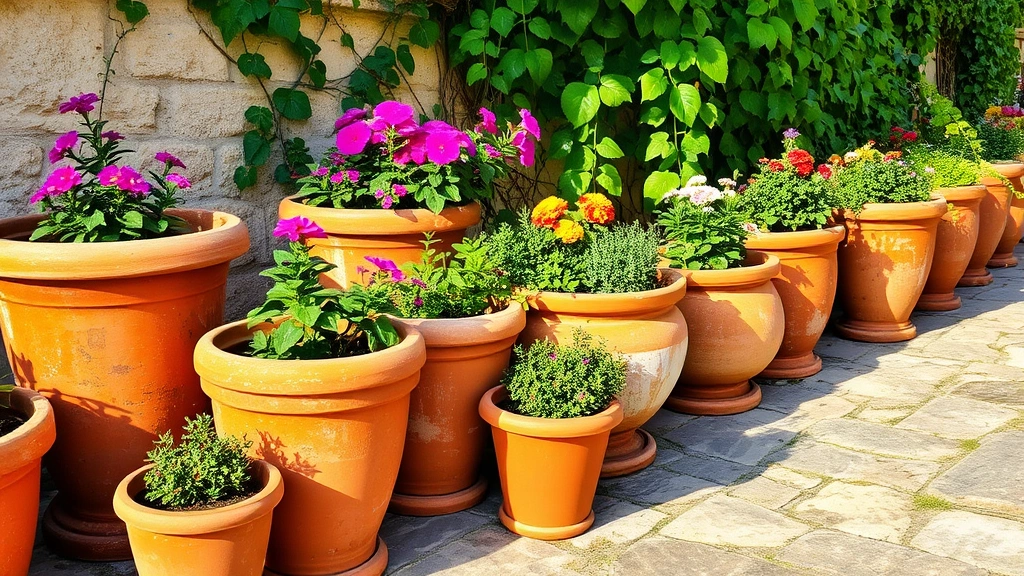
Terracotta large garden pots remain a timeless choice for gardeners seeking both aesthetic appeal and functional durability. These classic containers, crafted from natural clay, offer superior breathability that promotes healthy root systems while adding warmth and character to any outdoor space. Whether you’re cultivating herbs, vegetables, or ornamental plants, selecting the right terracotta pot can transform your gardening experience and elevate your garden’s visual impact.
The appeal of terracotta extends beyond mere appearance. The porous nature of these clay vessels allows air and moisture to penetrate the walls, creating an ideal microclimate for plant roots. Unlike plastic alternatives, terracotta develops a beautiful weathered patina over time, becoming more attractive as seasons pass. For designers and serious gardeners alike, investing in quality large terracotta pots is investing in long-term garden success and enduring beauty.
Why Terracotta Remains the Gold Standard for Large Garden Containers
Terracotta’s superiority as a container material stems from its unique composition and properties. Unlike plastic pots that trap moisture and can develop root rot, terracotta’s porous structure allows continuous air exchange. This breathability prevents waterlogging and encourages robust root development, making it particularly valuable for moisture-sensitive plants. The material naturally regulates soil temperature, keeping roots cooler during scorching summers while providing insulation in transitional seasons.
The aesthetic dimension cannot be overlooked. Terracotta pots develop character through weathering, displaying attractive lichen growth and subtle color variations that enhance garden design. This natural patina makes even budget-friendly pots look established and curated over time. For designers creating cohesive outdoor spaces, terracotta’s warm earth tones complement virtually any landscape style—from Mediterranean gardens to contemporary minimalist designs. The material’s versatility allows seamless integration with stone pathways, wooden structures, and plant varieties.
Environmental considerations also favor terracotta. Made from natural clay without synthetic chemicals, these pots are fully recyclable and biodegradable at end-of-life. Supporting sustainable gardening practices means choosing materials that don’t persist in landfills for centuries. When you grow mint in pots or cultivate other herbs, terracotta’s natural properties actively support plant health rather than merely containing it.
Size Considerations: Finding the Perfect Large Pot
Selecting appropriate pot dimensions requires understanding your plants’ root requirements and growth patterns. Large terracotta garden pots typically range from 18 inches to 24+ inches in diameter, accommodating substantial root systems for mature plants, shrubs, and small trees. A pot that’s too small restricts growth and requires frequent watering; oversized containers retain excessive moisture and can lead to root diseases.
The general rule suggests using pots at least 12 inches deep for most perennials and 18+ inches for shrubs and small trees. For raised bed gardening applications, large terracotta pots can create attractive focal points while providing defined growing zones. Consider your plant’s mature size—a tomato plant needs minimum 18 inches depth, while ornamental grasses thrive in 20-24 inch pots.
Weight becomes a crucial factor with large terracotta containers. A 24-inch pot filled with moist soil can weigh 150+ pounds, requiring stable placement and careful consideration of deck load limits. Calculate total weight before positioning pots on elevated surfaces. Lighter alternatives exist, but quality terracotta’s weight provides stability in windy locations, preventing tip-overs that damage plants and pose safety hazards.
Top Designer Picks for Premium Terracotta Large Garden Pots
Experienced garden designers consistently recommend several superior terracotta brands known for craftsmanship and durability. Campania International produces hand-thrown pots with classical proportions and weather-resistant finishes, ideal for formal garden settings. Their large containers feature reinforced rims and optimal wall thickness, resisting freeze-thaw cycles that crack inferior products.
Frontera Furniture offers contemporary-styled terracotta pots that appeal to modern landscape designers. Their architectural forms complement minimalist gardens while maintaining traditional material benefits. These pots feature clean lines and proportional dimensions that photograph beautifully in design portfolios and garden publications.
For budget-conscious designers, Sunnydaze Decor provides quality large terracotta options without premium pricing. Their pots meet durability standards while maintaining authentic clay composition. Italian-manufactured Impruneta terracotta represents the luxury segment—these hand-crafted vessels use clay from specific Tuscan deposits, creating superior weather-resistance and developing magnificent patina.
Local pottery studios often produce exceptional large terracotta pots with unique character. Supporting regional artisans ensures quality craftsmanship while reducing carbon footprint from shipping. Many master potters create custom sizing and special glazes that distinguish your garden from standard commercial landscapes.
Drainage and Soil Preparation Essentials
Proper drainage forms the foundation of successful container gardening with terracotta. Verify that your large pot has adequate drainage holes—minimum quarter-inch diameter, preferably multiple holes distributed across the bottom. Terracotta’s porosity helps, but drainage holes remain essential for preventing water accumulation.
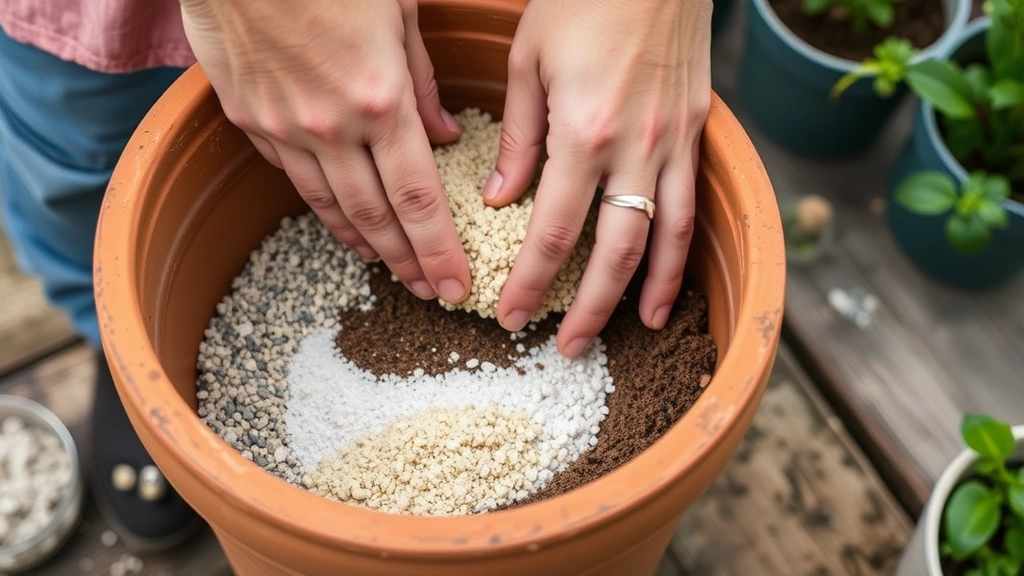
Layer your pot strategically: place broken terracotta shards or stones over drainage holes to prevent soil loss while maintaining water flow. Add 1-2 inches of coarse gravel or perlite for enhanced drainage. This foundation prevents root rot while allowing water to escape freely. For a comprehensive approach to water management, review our guide on garden irrigation systems to understand optimal moisture delivery for container gardens.
Select high-quality potting soil rather than garden soil, which compacts in containers and restricts drainage. Premium potting mixes combine peat moss or coco coir, perlite, and aged bark, creating ideal texture and aeration. Amend your soil with compost for nutrients and improved water retention—terracotta’s breathability means soil dries faster than in plastic containers, requiring slightly more organic matter.
For long-term plantings, refresh the top 3-4 inches of soil annually, removing old soil and replacing with fresh potting mix enriched with compost. This practice replenishes nutrients leached through drainage while revitalizing the growing medium without complete pot replacement.
Seasonal Care and Maintenance Strategies
Spring Preparation: As growing season approaches, inspect pots for winter damage. Clean terracotta exteriors with a soft brush to remove accumulated debris and algae. Repot plants that have outgrown their containers, moving them to larger terracotta vessels. Apply fresh mulch to soil surface to regulate moisture and suppress weeds.
Summer Management: Terracotta’s porous nature means rapid water loss during hot months. Check soil moisture daily, watering when top inch becomes dry. In extreme heat, large pots may require daily watering. Apply 2-3 inches of mulch to reduce evaporation and maintain consistent soil temperature. Position pots strategically to provide afternoon shade if plants prefer cooler conditions.
Fall Transitions: Reduce watering frequency as temperatures decline and plant growth slows. Allow soil to dry slightly between waterings. Prepare tender plants for dormancy or relocation indoors. This is optimal timing for rain garden installations where terracotta containers can serve as decorative edging or accent pieces.
Winter Protection: In cold climates, freeze-thaw cycles can crack terracotta. Empty pots completely and allow them to dry thoroughly before winter. Stack pots on their sides in protected storage, or cover stored pots with tarps. If leaving pots outdoors year-round, choose cold-hardy terracotta specifically treated for freeze resistance. Move tender perennials in containers to sheltered locations, elevating pots on pot feet to enhance drainage and prevent ground moisture absorption.
Plant Pairing Guide for Large Terracotta Containers
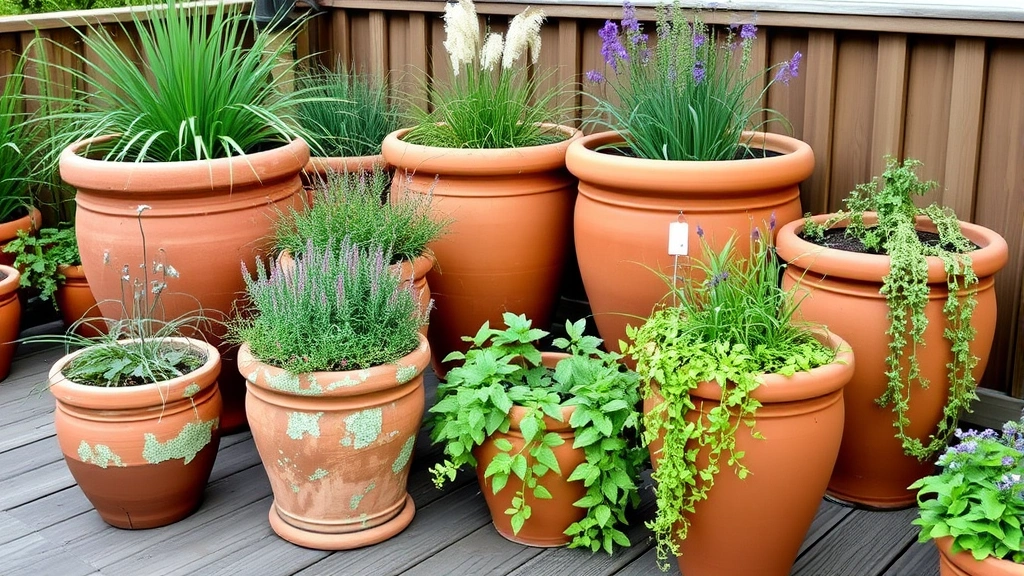
Large terracotta pots accommodate diverse plant combinations, from single specimen plantings to elaborate mixed containers. Specimen plantings showcase individual plants: ornamental grasses, dwarf conifers, Japanese maples, or flowering shrubs. These focal-point arrangements benefit from terracotta’s neutral backdrop, allowing plant form and texture to command attention.
Mixed containers combine complementary plants with varying heights, textures, and bloom times. A classic combination pairs trailing ivy or calibrachoa with upright ornamental grasses and seasonal flowers. The thriller-filler-spiller formula works beautifully in large pots: tall central plants (thriller), medium-height surrounding plants (filler), and trailing varieties (spiller) cascading over edges.
When you grow mint in pots, dedicate a large terracotta vessel to this vigorous herb—mint’s spreading nature and water requirements suit large containers perfectly. Combine mint with complementary herbs like basil or parsley for functional kitchen gardens. Terracotta’s warmth enhances Mediterranean herb growth, encouraging aromatic oil production.
Consider rain garden plants in large terracotta containers positioned near downspouts. Plants like sedges, rushes, and moisture-loving perennials thrive in larger vessels where soil remains consistently moist. This approach brings rain garden benefits to deck and patio spaces where in-ground installation isn’t feasible.
Seasonal rotations maximize terracotta investment. Spring bulbs transition to summer annuals, then fall mums and ornamental kale, finally evergreen arrangements for winter interest. This rotating approach keeps your garden fresh while using the same quality containers year-round.
Cost-Effective Sourcing and Budget Options
Quality terracotta large garden pots represent significant investment, but strategic sourcing reduces costs. Shop end-of-season sales in late summer and fall when nurseries discount outdoor merchandise. Many retailers offer 30-50% reductions on inventory clearance, allowing budget-conscious gardeners to acquire premium pots at mid-range prices.
Online retailers frequently offer competitive pricing with bulk purchase discounts. Comparing shipping costs is essential since terracotta’s weight significantly impacts delivery fees. Local pickup options from garden centers or pottery studios eliminate shipping expenses while supporting community businesses.
Estate sales and garden auctions provide authentic vintage terracotta pots at fraction of new prices. Weathered patina and established character make salvaged pots immediately look established in new gardens. Check condition carefully—hairline cracks may not affect function but should be verified before purchase.
Consider starting with 2-3 premium large terracotta pots as foundational elements, supplementing with quality mid-range options as budget allows. This approach prioritizes investment in signature containers while maintaining flexibility. Over time, a cohesive collection develops with pieces from various sources unified by thoughtful placement and plant selection.
DIY enthusiasts can commission local potters to create custom large terracotta pots at costs below commercial premium brands. Supporting artisans while obtaining personalized containers creates unique garden elements impossible to find mass-produced.
FAQ
Can large terracotta pots be left outside year-round in freezing climates?
Standard terracotta cracks in freeze-thaw cycles. In cold climates, empty pots completely, allow thorough drying, and store in protected locations. Alternatively, invest in cold-hardy terracotta specifically manufactured for freeze resistance, or move tender plants indoors and store pots in unheated garages or sheds.
How often should I water plants in large terracotta containers?
Frequency depends on temperature, humidity, plant type, and soil composition. Check soil moisture daily by inserting your finger 2 inches deep. Water when soil feels dry at this depth. During hot summers, daily watering may be necessary; in cool seasons, watering every 2-3 days suffices. Terracotta’s breathability increases evaporation compared to plastic.
What’s the difference between terracotta and ceramic pots?
Terracotta is unglazed clay fired at lower temperatures, maintaining porous properties. Ceramic pots are typically glazed and fired at higher temperatures, creating non-porous surfaces. Terracotta offers superior breathability; ceramic provides better moisture retention. Both are durable, but terracotta’s porosity makes it superior for plants preferring drier conditions.
Can I paint or seal terracotta pots?
Exterior painting with acrylic outdoor paint is possible, though it may reduce breathability slightly. Avoid sealing interior surfaces, as this prevents air exchange and defeats terracotta’s primary advantage. If you prefer sealed pots, ceramic or plastic alternatives are more appropriate choices.
How do I prevent terracotta pots from developing white salt deposits?
White deposits (efflorescence) result from mineral accumulation. Reduce by using filtered water, allowing soil to dry between waterings, and improving drainage. Scrub deposits with a stiff brush and vinegar solution. This is purely cosmetic and doesn’t indicate problems, though some gardeners prefer the clean appearance.
What size drainage hole is appropriate for large terracotta pots?
Minimum quarter-inch diameter holes are standard, with multiple holes distributed across the pot bottom preferred. Larger holes (half-inch to three-quarter-inch) enhance drainage for moisture-sensitive plants. Ensure holes are genuinely open—some manufacturers include decorative hole covers that reduce drainage effectiveness.