How to Start a Spice Garden: Expert Tips Inside
Growing your own spice garden transforms your cooking experience and brings fresh, aromatic flavors directly from your backyard to your kitchen. Whether you’re cultivating basil, cilantro, turmeric, or cumin, a well-planned spice garden eliminates the need for expensive store-bought dried herbs and spices while ensuring you know exactly how your ingredients are grown. Starting a spice garden requires minimal space, making it perfect for apartment dwellers, suburban gardeners, and anyone seeking culinary self-sufficiency.
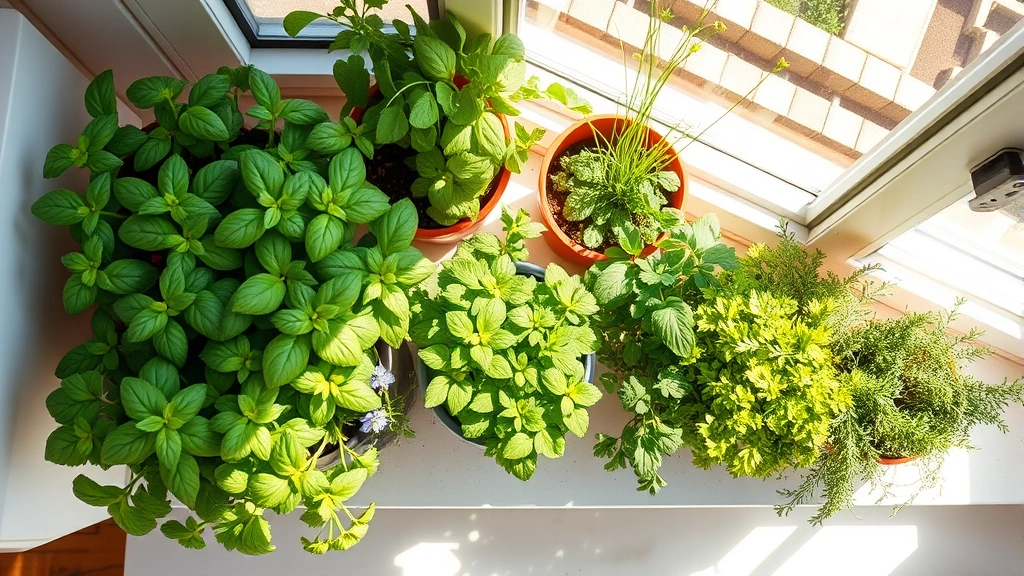
The beauty of cultivating spices at home lies in its accessibility and versatility. You can begin with just a few pots on a sunny windowsill or dedicate an entire raised garden bed to spice cultivation. Most culinary spices thrive in warm conditions with well-draining soil and consistent sunlight. This comprehensive guide walks you through every step of establishing a thriving spice garden, from selecting the right plants to harvesting and preserving your bounty.
Choosing the Right Spices for Your Garden
Selecting which spices to grow depends on your climate zone, available space, and culinary preferences. Begin by considering the difference between annual spices (basil, cilantro, dill) and perennial spices (oregano, thyme, rosemary). Annual spices complete their lifecycle in one growing season, making them ideal for beginners since you replant each year. Perennial spices establish themselves permanently and provide harvests for multiple seasons, offering better long-term value.
Popular beginner-friendly spices include basil, which thrives in warm weather and produces abundantly with minimal effort; cilantro, a cool-season herb that bolts quickly in heat but provides continuous harvests when succession planted; and parsley, an incredibly hardy herb tolerating partial shade. For those seeking perennial options, oregano, thyme, and rosemary establish deep root systems and require less frequent watering once established.
Consider growing cumin, coriander, and fennel from seed for authentic spice experiences. These warm-season annuals produce seeds used extensively in Indian, Middle Eastern, and Asian cuisines. Turmeric and ginger require longer growing seasons and warm climates but reward patient gardeners with rhizomes yielding multiple harvests. If you live in cooler zones, start these heat-lovers indoors 8-10 weeks before your last frost date.

Understanding Your Growing Conditions
Success with spice gardening depends fundamentally on matching plants to your environment. Most culinary spices demand 6-8 hours of direct sunlight daily, with Mediterranean herbs like rosemary and oregano requiring maximum light exposure. If your garden location receives only 3-4 hours of sunlight, focus on shade-tolerant options like mint, parsley, and cilantro, though they’ll still appreciate afternoon light.
Temperature requirements vary significantly among spices. Warm-season herbs including basil, cumin, and coriander need soil temperatures above 50°F and thrive when daytime temperatures reach 70-85°F. In contrast, cool-season spices like cilantro and dill germinate better in temperatures below 70°F and produce superior foliage before the summer heat triggers bolting. Understanding your local growing season and hardiness zone ensures you plant at optimal times.
Humidity levels affect spice garden performance significantly. Mediterranean herbs prefer drier conditions and struggle with excessive moisture, while basil and cilantro tolerate moderate humidity. Ensure adequate air circulation around plants to prevent fungal diseases, particularly in humid climates. This becomes especially important when growing spices indoors or in containers where air movement is naturally restricted.
Preparing Your Spice Garden Space
Proper site preparation establishes the foundation for a productive spice garden. Begin by preparing your garden soil with quality amendments that improve drainage and nutrient content. Most spices prefer slightly acidic to neutral soil (pH 6.0-7.0) with excellent drainage. Amend heavy clay soils with compost, aged bark, and perlite to prevent waterlogging, which causes root rot in Mediterranean herbs particularly susceptible to fungal issues.
For container gardening—an excellent option for apartment dwellers and those seeking flexibility—select containers with adequate drainage holes and appropriate sizing. Small herbs like thyme and oregano thrive in 6-8 inch pots, while basil and mint prefer 10-12 inch containers. Use a high-quality potting mix rather than garden soil, as commercial blends provide superior drainage and aeration crucial for container cultivation.
If establishing a dedicated spice garden bed, consider building a raised garden bed for improved drainage and easier access. Raised beds warm faster in spring, extend growing seasons, and allow precise soil amendments. Fill beds with a mixture of quality topsoil, compost, and perlite in a 40-40-20 ratio, creating an ideal growing medium for most culinary spices.
Ensure your spice garden location has convenient access to water sources. Consistent moisture management becomes critical during establishment and hot weather. If hand-watering isn’t practical, install reliable irrigation systems delivering water directly to plant roots, minimizing foliar wetness that encourages fungal diseases.
Planting and Propagation Methods
Spices propagate through two primary methods: seed starting and transplant establishment. Direct seeding works well for large-seeded spices like cumin, coriander, and beans, but requires patience since germination takes 10-20 days depending on variety and soil temperature. Start seeds indoors 6-8 weeks before transplanting for superior control over germination conditions and earlier harvests.
Create seed-starting containers using seed trays, yogurt cups with drainage holes, or recycled containers filled with sterile seed-starting mix. Sow seeds at depths specified on seed packets, typically 1-2 times the seed’s diameter. Maintain consistent moisture without waterlogging, and provide warm conditions (70-75°F) accelerating germination. Once seedlings develop true leaves (the second set appearing after cotyledons), thin crowded seedlings to prevent competition.
Transplanting seedlings into larger containers or garden beds occurs when plants develop 3-4 true leaves and establish visible root systems. Harden off seedlings by gradually exposing them to outdoor conditions over 7-10 days before permanent planting. This acclimatization process prevents transplant shock and strengthens plants for garden establishment.
Propagation via cuttings works exceptionally well for perennial herbs like rosemary, oregano, and thyme. Take 3-4 inch cuttings from healthy stems, removing lower leaves and dipping cut ends in rooting hormone powder. Insert cuttings into moist seed-starting mix or perlite, maintaining humidity with plastic domes or bags until roots develop (typically 2-4 weeks). This method produces genetically identical plants with mature characteristics faster than seed propagation.
Division works for established perennial spices that develop multiple crowns, including oregano, mint, and thyme. Carefully excavate plants, separate crowns while preserving roots, and replant divisions immediately in prepared soil. This technique rejuvenates aging plants while multiplying your spice collection.
Daily Care and Maintenance
Establishing consistent care routines ensures your spice garden thrives. Watering frequency depends on plant type, container size, soil composition, and weather conditions. Container spices typically require daily watering during hot weather, while in-ground plants need less frequent irrigation once established. Water when top soil inch feels dry, and always water at soil level rather than foliage to minimize fungal disease risk.
Mulching in-ground spice beds with 2-3 inches of organic material (shredded bark, straw, or compost) conserves moisture, regulates soil temperature, and suppresses weeds. Avoid piling mulch directly against plant stems, which creates rot risks. Mediterranean herbs prefer minimal mulch to maintain drier conditions around crown areas.
Fertilization requirements vary by plant age and growing method. Young transplants benefit from diluted liquid fertilizer applications every 2-3 weeks, while established plants in amended soil often require minimal supplementation. Avoid excessive nitrogen, which promotes leafy growth at the expense of spice production and flavor intensity. Use balanced fertilizers (10-10-10) or organic alternatives like fish emulsion and seaweed extracts.
Pinching and pruning dramatically improve spice garden productivity. Pinch off flower buds on basil and cilantro to extend leaf production, since flowering triggers senescence. For perennial herbs, prune regularly to encourage bushy growth and prevent leggy, unproductive plants. Remove no more than one-third of plant material during any single pruning session to avoid stress.
Indoor spice gardens require supplemental lighting if natural light is insufficient. Position LED grow lights 6-12 inches above plants, providing 12-16 hours of illumination daily. This becomes particularly important during winter months or in apartments with limited windows.
Harvesting and Preserving Spices
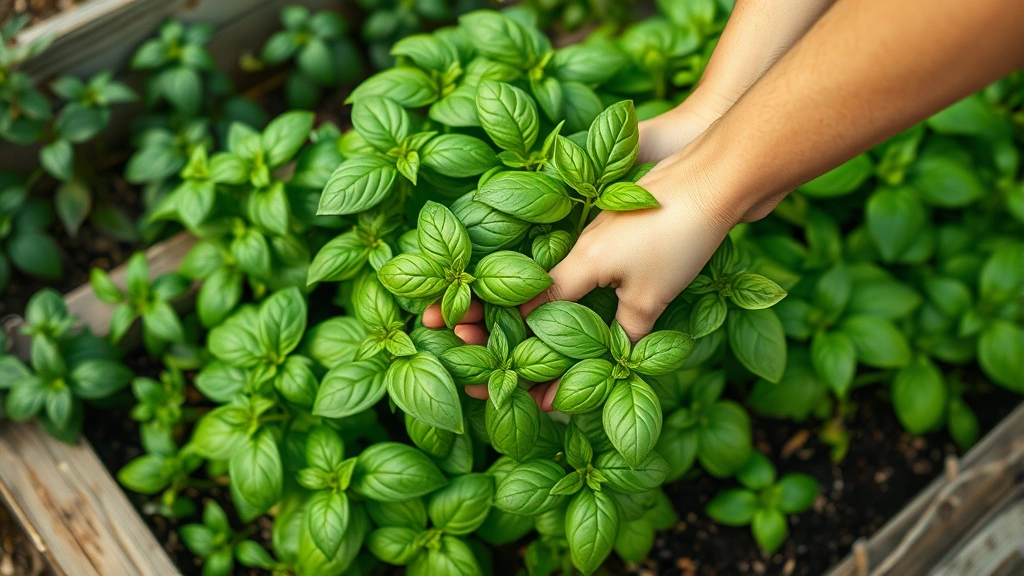
Proper harvesting timing maximizes flavor and spice yields. Begin harvesting leafy herbs once plants establish 6-8 inches of growth, pinching off top growth to encourage branching. Harvest cilantro and dill in early morning after dew dries but before heat intensifies flavor volatility. For basil, consistent harvesting prevents flowering and maintains tender, flavorful leaves throughout the season.
Seed-producing spices like cumin, coriander, and fennel require different harvesting approaches. Allow plants to mature fully, then harvest seed heads when they brown and pods begin splitting. Hang bundles in paper bags or cloth containers in warm, dry locations, allowing seeds to dry completely before storage. Properly dried seeds remain viable and flavorful for 3-5 years when stored in airtight containers away from light and heat.
Drying fresh herbs preserves your harvest for year-round use. Harvest leafy herbs in early morning, bundle stems loosely with twine, and hang upside-down in warm, dry, well-ventilated spaces away from direct sunlight. Drying typically takes 1-3 weeks depending on humidity and herb thickness. Once completely crispy, strip leaves from stems and store in airtight containers. Alternatively, use oven drying at lowest temperature (100-120°F) for 2-4 hours, checking frequently to prevent scorching.
Freezing preserves fresh herb flavor better than drying for basil and cilantro. Blanch herbs briefly in boiling water, shock in ice water, squeeze dry, and freeze in ice cube trays with water or oil. Pop frozen cubes into labeled bags for convenient cooking additions. This method maintains vibrant color and fresh flavor for 6-8 months.
For rhizome spices like turmeric and ginger, harvest after foliage yellows and dies back. Carefully excavate rhizomes, brush off soil, and store in cool, dark, well-ventilated spaces. Properly stored rhizomes remain viable for planting and consumption for months.
Common Pests and Disease Management
Spice gardens generally suffer fewer pest problems than vegetable gardens, but vigilance prevents serious infestations. Aphids occasionally cluster on new growth, particularly affecting basil and cilantro. Spray affected plants with strong water jets, removing aphids mechanically, or apply insecticidal soap following label directions. Encouraging beneficial insects like ladybugs and lacewings naturally controls aphid populations.
Spider mites thrive in hot, dry conditions, causing stippled, yellowing leaves on herbs, particularly rosemary and oregano. Increase humidity through regular misting or shower spray, and ensure adequate air circulation. Neem oil applications provide control if infestations develop.
Powdery mildew appears as white coating on leaves, particularly on herbs in humid conditions with poor air circulation. Improve ventilation, remove infected leaves, and apply sulfur-based fungicides if necessary. Prevention through proper spacing and air movement proves far more effective than treatment.
Root rot develops in waterlogged conditions, causing wilting and stem blackening despite adequate moisture. Prevent through excellent drainage, appropriate watering practices, and container selection with drainage holes. Once root rot develops, remove affected plants immediately to prevent spread.
Whiteflies occasionally infest indoor spice gardens, appearing as tiny white insects on leaf undersides. Yellow sticky traps monitor populations while encouraging natural predators. Neem oil sprays provide control if populations escalate.
Maintain garden cleanliness by removing dead foliage and spent plants promptly, eliminating pest and disease habitat. Monitor plants regularly, catching problems early when management proves easiest. Organic approaches emphasizing prevention, cultural practices, and biological controls typically prove most effective for spice garden pest management.
FAQ
Can I grow a spice garden indoors year-round?
Yes, many spices thrive indoors with adequate light. Basil, cilantro, parsley, and mint adapt well to indoor conditions. Provide 12-16 hours of bright light daily using grow lights, maintain temperatures between 65-75°F, and ensure good air circulation. Indoor plants may grow slower and require more frequent harvesting to maintain shape.
What’s the best time to start a spice garden?
Spring offers ideal conditions for most spices, allowing establishment before summer heat. In warm climates, fall provides excellent timing for cool-season herbs. For warm-season spices, wait until soil temperatures reach 50°F and frost danger passes. Indoor gardening allows year-round spice cultivation regardless of outdoor conditions.
How much space do I need for a productive spice garden?
Surprisingly little! A single 4×4 foot bed accommodates 12-16 plants, yielding abundant harvests. Alternatively, six to eight containers on a sunny windowsill or patio produce sufficient spices for regular cooking. Space requirements depend entirely on your culinary needs and available area.
Which spices are easiest for beginners?
Basil, oregano, thyme, parsley, and mint represent the easiest options. These herbs tolerate minor neglect, grow quickly, and produce abundantly with basic care. Start with these before attempting more demanding spices like turmeric or saffron.
Can I save seeds from my spice plants?
Absolutely! Seed-producing spices like cilantro, dill, cumin, and fennel readily produce viable seeds. Allow plants to mature fully, harvest dried seed heads, and store seeds in cool, dry conditions. Seeds from open-pollinated varieties breed true, though cross-pollination between nearby plants may occur.
How do I know when my spices are ready to harvest?
Leafy herbs are harvestable once plants reach 6-8 inches tall. Pinch off top growth regularly for continuous harvests. Seed spices mature when pods brown and begin splitting. Rhizome spices are ready when foliage yellows and dies back naturally, typically 6-10 months after planting.