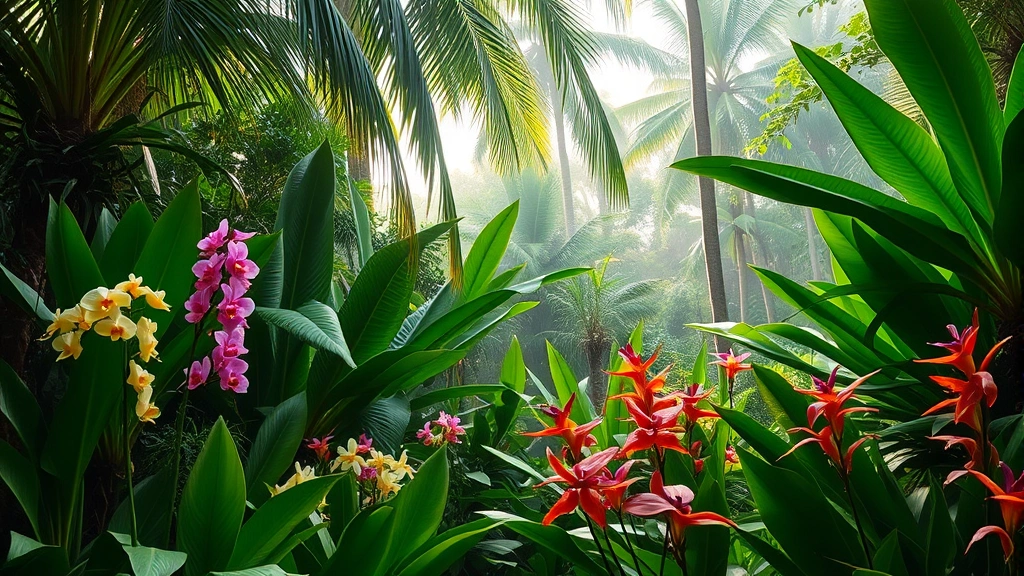
Siam Garden Plants: Horticulturist Insights for Tropical and Southeast Asian Gardening
Creating a Siam garden—inspired by the lush tropical landscapes of Thailand and Southeast Asia—transforms any growing space into an exotic paradise brimming with vibrant foliage, fragrant blooms, and unique plant specimens. Whether you’re cultivating a full tropical garden or incorporating select Siam-inspired plants into your existing landscape, understanding the specific needs of these botanical treasures is essential for success. Horticulturists and experienced gardeners recognize that Siam gardens thrive on humidity, warmth, and strategic plant selection that honors the region’s rich horticultural heritage.
The appeal of Siam garden design lies in its emphasis on layered plantings, water features, and plants that showcase dramatic textures and colors. From orchids and anthuriums to gingers and tropical shrubs, these gardens celebrate biodiversity while creating peaceful retreats that reflect Southeast Asian aesthetics. This comprehensive guide explores the best Siam garden plants, cultivation techniques, and design principles that professional horticulturists recommend for gardeners at every skill level.
Understanding Siam Garden Design Philosophy
Siam garden design draws inspiration from traditional Thai and Southeast Asian horticultural practices that emphasize harmony between natural elements and cultivated spaces. Unlike formal European gardens, Siam gardens celebrate organic shapes, layered plant communities, and the interplay of light and shadow through dense foliage. Horticulturists note that successful Siam gardens incorporate multiple vertical layers: emergent tall plants, mid-story shrubs, and ground-level groundcovers that create depth and visual interest.
The philosophical foundation of Siam gardening centers on creating microclimates that support diverse plant communities. By strategically placing taller specimens to create shade and humidity for shade-loving plants below, gardeners can maximize plant diversity within limited spaces. This approach also mirrors natural forest ecosystems found throughout Thailand and neighboring regions, where plants have evolved to thrive in specific microhabitat conditions.
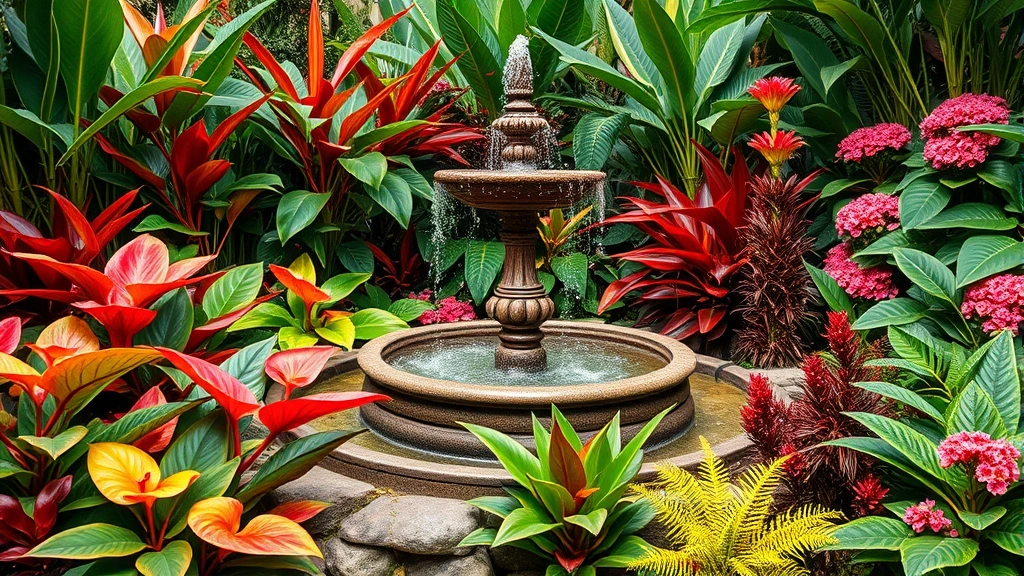
Water is another critical element in authentic Siam garden design. Whether through ornamental ponds, fountains, or strategic irrigation systems, water serves both aesthetic and practical purposes. The moisture it provides supports tropical plant growth while creating the ambient humidity that these plants crave. Many Siam gardens incorporate small water features that attract birds and beneficial insects while enhancing the garden’s sensory appeal.
Essential Tropical Plants for Siam Gardens
Building a thriving Siam garden begins with selecting plants that naturally flourish in tropical and subtropical conditions. Professional horticulturists recommend starting with hardy, reliable species before advancing to more temperamental specimens. The following plants form the backbone of most successful Siam gardens:
- Orchids (Orchidaceae family) – The quintessential Siam garden plant, offering unparalleled flower diversity and elegant foliage
- Anthuriums – Glossy-leaved tropical plants with distinctive waxy flowers in red, pink, white, and coral tones
- Gingers (Zingiber and Alpinia species) – Aromatic plants with dramatic flowers and ornamental foliage
- Heliconias – Bold, architectural plants with distinctive bird-like flower bracts
- Bromeliads – Epiphytic and terrestrial plants offering diverse forms, colors, and growth habits
- Ferns – Essential for creating lush, layered gardens with soft textures
- Alocasias and Colocasias – Large-leaved plants that provide dramatic foliage statements
- Tropical shrubs – Plumbago, ixora, and crotons add structure and seasonal color
When selecting plants for your Siam garden, consider both your climate zone and the specific microclimates within your garden space. Tropical plants generally prefer consistent warmth, high humidity, and protection from harsh winds. Even cold-hardy gardeners can create Siam gardens using containerized plants that move indoors during winter months, or by selecting cold-tolerant species that capture the aesthetic while enduring cooler temperatures.
Orchids: The Crown Jewels of Siam Gardening
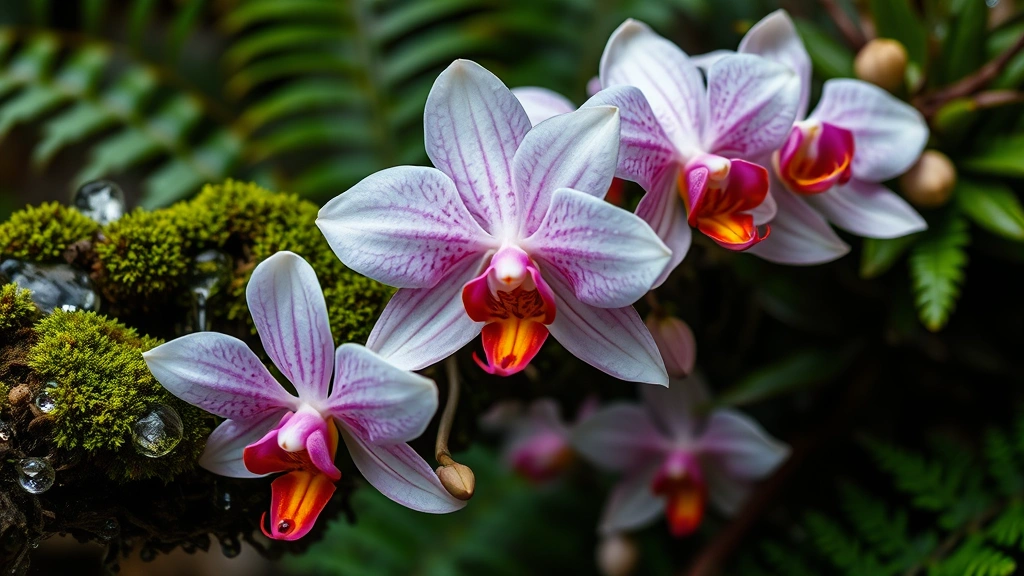
Orchids hold a sacred place in Thai culture and Siam garden design, representing elegance, refinement, and natural beauty. Thailand produces thousands of orchid species and hybrids, many of which thrive in home garden settings when provided appropriate conditions. Horticulturists emphasize that successful orchid cultivation requires understanding the specific needs of different orchid types rather than applying generic tropical plant care.
Phalaenopsis orchids (moth orchids) represent the most beginner-friendly option, tolerating lower light levels and moderate humidity that home gardeners can realistically provide. These elegant orchids produce long-lasting flowers in white, pink, purple, and multicolored patterns. Cattleyas offer dramatic, fragrant blooms and thrive in intermediate conditions with moderate light. Dendrobiums provide tall, showy flower spikes and adapt well to varied growing environments. For experienced gardeners, species orchids and smaller-flowered varieties offer authentic Southeast Asian character and often superior fragrance.
Orchids in Siam gardens typically grow as epiphytes—plants that naturally grow on trees in their native habitat. Rather than planting orchids in traditional soil, successful growers use specialized orchid media consisting of bark, sphagnum moss, and perlite that provide excellent drainage while retaining appropriate moisture. Orchids require bright, indirect light; consistent moisture during growing seasons; and careful attention to humidity levels. Many gardeners create dedicated orchid displays using garden structures and trellises to mount specimens at varying heights, creating stunning vertical gardens.
Watering orchids requires finesse—overwatering causes root rot while underwatering stresses plants. The key is allowing media to dry slightly between waterings while maintaining ambient humidity around 50-70%. During growing seasons, orchids benefit from weekly watering; during dormant periods, water less frequently. Feeding orchids with balanced, diluted fertilizer every two weeks during active growth supports blooming and healthy foliage development.
Gingers, Heliconias, and Dramatic Foliage Plants
Beyond orchids, gingers and heliconias provide the architectural drama that defines classic Siam gardens. These plants offer bold forms, striking flowers, and foliage that creates visual impact even when not blooming. Ginger plants (Zingiber officinale and ornamental varieties) produce fragrant flowers that range from delicate pastels to vibrant reds and oranges. Some varieties offer stunning variegated or colored foliage that persists throughout the growing season.
Heliconias—sometimes called lobster claws or false bird of paradise—create unmistakable statements with their distinctive, colorful flower bracts. These plants reach varying heights depending on species, with some compact varieties ideal for smaller gardens and others creating dramatic background plantings. Heliconias thrive in warm, humid conditions with bright light and consistent moisture. Their bold architectural forms complement the delicate flowers of orchids and anthuriums, creating balanced, visually dynamic garden compositions.
Large-leaved foliage plants like alocasias, colocasias, and anthurium clarinervium add textural richness and shade tolerance to Siam gardens. These plants often feature dramatic veining, unusual colors, or architectural leaf shapes that create visual interest independent of flowers. Begonias offer similar foliage drama with smaller stature, making them suitable for underplanting beneath taller specimens. Combining diverse foliage forms and sizes creates the layered, jungle-like aesthetic that characterizes authentic Siam gardens.
Establishing proper growing conditions for these plants involves mimicking their native tropical forest environment. Most thrive in bright, indirect light—conditions found beneath the forest canopy where dappled sunlight filters through upper-story trees. Consistent warmth (65-85°F) and humidity above 60% support vigorous growth. Many gardeners install automated irrigation systems that deliver consistent moisture while maintaining humidity through regular misting or humidification.
Water Features and Aquatic Plants
Water features represent essential design elements in traditional Siam gardens, serving aesthetic, ecological, and practical functions. Small ponds, fountains, or rain gardens create humidity gradients that benefit nearby plantings while adding sensory appeal through sight and sound. Aquatic plants like water lilies, lotus, and floating aquatic plants thrive in these features while providing additional visual interest and supporting beneficial insects and wildlife.
For gardeners without space for traditional ponds, alternative water features prove equally effective. Recirculating fountains, birdbaths with drip systems, and shallow water basins create localized humidity while requiring minimal maintenance. These features integrate seamlessly into smaller gardens while capturing the essential water-garden aesthetic that defines Siam design philosophy. Even simple misting systems that automatically humidify planting areas replicate the moisture-rich conditions that tropical plants prefer.
Aquatic plants suitable for Siam gardens include tropical water lilies in shades of pink, red, yellow, and white; lotus with their iconic pink or white flowers; and floating plants like water lettuce and frogbit. These plants require still water, warm temperatures, and adequate light to thrive. In cooler climates, many gardeners grow aquatic plants in containers that overwinter indoors, reintroducing them each spring when outdoor temperatures warm sufficiently.
Climate Control and Growing Conditions
Successful Siam gardening depends fundamentally on understanding and managing climate variables. Tropical plants evolved under specific conditions—consistent warmth, high humidity, bright indirect light, and protection from wind—that many gardeners must artificially create or approximate. Horticulturists recognize that climate management represents the single most important factor determining success with tropical plant collections.
Temperature consistency matters profoundly for tropical plants. Most thrive when temperatures remain between 65-85°F, with many orchids and other epiphytes preferring cooler nighttime temperatures (55-65°F) that trigger blooming. Cold drafts, heating vents, and temperature fluctuations stress tropical plants and inhibit flowering. For gardeners in cooler climates, creating dedicated growing spaces with climate control—whether conservatories, greenhouses, or wardrobes with grow lights and humidification—enables successful tropical plant cultivation.
Humidity represents another critical variable. Tropical plants evolved in environments with humidity levels of 70-90%, while most homes maintain 30-50% humidity. This dramatic difference stresses plants, causing leaf browning, reduced growth, and increased pest susceptibility. Creating humidity-rich microclimates through grouping plants closely, using pebble trays filled with water, installing humidifiers, or misting regularly helps compensate. Professional horticulturists often recommend humidity monitors to track ambient moisture levels and adjust environmental controls accordingly.
Light requirements vary among tropical plants, but most prefer bright, indirect light that mimics forest understory conditions. South and west-facing windows often provide excessive direct sun that bleaches foliage and stresses plants, while north-facing exposures typically offer insufficient light. East-facing windows often provide ideal conditions—gentle morning sun that energizes plants without afternoon intensity. Supplemental grow lights enable successful cultivation in lower-light spaces, extending growing possibilities for apartment dwellers and gardeners with limited window exposures.
Seasonal Care and Maintenance
Tropical plants follow growth cycles influenced by seasonal changes in light, temperature, and moisture availability. Understanding these patterns enables gardeners to provide appropriate care that supports healthy growth and abundant flowering. Most tropical plants experience active growth during longer, warmer days and reduced growth during cooler, shorter days—even in climate-controlled environments where these changes are subtle.
During active growing seasons (typically spring through early fall), tropical plants require consistent moisture, regular feeding, and attention to pest management. Warm, humid conditions create ideal environments for fungal diseases and pest populations, necessitating vigilant monitoring and prompt intervention. Maintaining good air circulation through gentle fans or strategic plant spacing reduces disease pressure while strengthening stems and foliage.
As days shorten and temperatures cool, reduce watering frequency and discontinue fertilizing most tropical plants. This seasonal adjustment triggers dormancy, reduces disease risk, and prepares plants for cooler conditions. Some tropical plants bloom in response to cooler temperatures or reduced light—a critical consideration when planning garden displays. Understanding individual plant requirements ensures you provide conditions that promote blooming rather than inhibit it.
Pest management in Siam gardens requires attention to common tropical plant pests including spider mites, mealybugs, scale insects, and thrips. Regular inspection of plant foliage—particularly leaf undersides where many pests congregate—enables early detection and intervention. Organic pest management strategies including insecticidal soaps, neem oil, and beneficial predatory insects prove effective while maintaining garden health. Quarantining new plants before introducing them to established collections prevents pest introductions.
Fertilizing tropical plants supports vigorous growth and flowering. Most prefer balanced fertilizers (equal nitrogen, phosphorus, and potassium ratios) applied at half strength every two weeks during growing seasons. Orchids benefit from specialized orchid fertilizers formulated for their unique nutritional needs. Flowering plants may benefit from slightly higher phosphorus ratios that support blooming. Always follow fertilizer label directions and apply diluted solutions to moist growing media to prevent root burn.
Design Integration with Existing Gardens
Incorporating Siam garden elements into existing landscapes requires thoughtful planning that honors both tropical aesthetics and practical growing conditions. Gardeners in temperate climates can create container-based Siam gardens that move indoors during winter, allowing year-round enjoyment while protecting tender plants. Alternatively, selecting cold-hardy plants that capture tropical aesthetics—such as cannas, gingers, and hardy ferns—enables permanent landscape integration in cooler zones.
Containerized Siam gardens offer exceptional flexibility, allowing gardeners to create dedicated tropical displays that cluster plants with similar requirements. Large decorative containers filled with rich, well-draining potting media support multiple plantings in artistic arrangements. Grouping containers together creates the dense, layered aesthetic characteristic of Siam gardens while simplifying care through concentrated watering and humidity management. During winter, moving containers to protected indoor spaces preserves tender plants until outdoor conditions warm sufficiently.
For gardeners with permanent outdoor tropical or subtropical climates, integrating Siam plants directly into landscape beds creates authentic, naturalistic gardens. Layering plants by height, texture, and seasonal interest creates dynamic compositions that evolve throughout the year. Combining raised garden beds with traditional in-ground plantings allows precise control over soil composition and drainage while accommodating plants with specific growing requirements.
Companion planting principles apply equally to Siam gardens. Combining complementary plants creates visually harmonious compositions while supporting ecological health. Tall specimen plants like heliconias provide shade for shade-tolerant orchids and begonias below. Ferns create soft textural contrast with bold-leaved alocasias and anthuriums. Fragrant gingers and jasmine integrate beautifully with visual focal points, engaging multiple senses and creating immersive garden experiences.
Hardscape elements including pathways, seating areas, and focal points ground Siam garden designs while providing practical access and enjoyment spaces. Natural materials like stone, wood, and gravel harmonize with organic plantings while creating visual structure. Water features—whether elaborate ponds or simple fountains—anchor garden compositions while providing essential humidity and ecological benefits. Creating intimate garden spaces encourages visitors to slow down, observe details, and appreciate the botanical artistry that Siam gardens celebrate.
Professional horticulturists recommend designing Siam gardens with both immediate visual impact and long-term evolution in mind. Young plants grow and mature, requiring strategic spacing that accommodates future size. Creating layered plantings that provide interest through multiple seasons ensures the garden remains engaging throughout the year. Incorporating seasonal bloomers that showcase succession of colors and forms creates dynamic, ever-changing displays that reward repeated observation.
When planning flower garden designs incorporating tropical elements, consider incorporating cut flowers that extend the garden’s enjoyment indoors. Many Siam garden plants—orchids, anthuriums, gingers, and heliconias—produce exceptional cut flowers that last weeks in floral arrangements. This dual-purpose approach maximizes the value of tropical plantings while creating opportunities to share botanical beauty throughout your home.
Documentation through photography helps track plant growth, seasonal changes, and design evolution over time. Creating a garden journal recording plant acquisitions, care notes, and seasonal observations builds institutional knowledge that improves future decision-making. Sharing experiences with other Siam garden enthusiasts through local garden clubs, online communities, and horticultural societies enriches the gardening experience while contributing to collective knowledge that benefits the broader gardening community.
FAQ
What is a Siam garden?
A Siam garden is an ornamental garden design inspired by Thai and Southeast Asian horticultural traditions, emphasizing tropical plants, layered plantings, water features, and the celebration of lush foliage and exotic flowers. These gardens create humid, shaded microclimates that support diverse plant communities while reflecting the aesthetic principles of traditional Thai garden design.
Can I grow Siam garden plants in cool climates?
Yes, cool-climate gardeners can successfully grow tropical plants using containerized systems that move indoors during winter, or by selecting cold-hardy plants that capture tropical aesthetics. Additionally, creating dedicated growing spaces with climate control—conservatories, greenhouses, or indoor growing areas with supplemental lighting—enables year-round cultivation of authentic tropical specimens.
How often should I water Siam garden plants?
Watering frequency depends on individual plant species, growing media, humidity levels, and season. Most tropical plants prefer consistently moist (but not waterlogged) growing media during active growth. Check soil moisture regularly—when the top inch feels dry, water thoroughly until it drains from container bottom. Reduce watering during dormant seasons. Orchids require slightly drier conditions between waterings, while moisture-loving plants like anthuriums and ferns prefer consistently moist media.
What humidity level do Siam garden plants need?
Most tropical plants thrive at humidity levels of 60-80%, though many tolerate 50-60% with supplemental misting. Creating humidity-rich microclimates through grouping plants closely, using pebble trays, installing humidifiers, or misting regularly helps achieve appropriate moisture levels. Monitoring with humidity meters enables precise environmental management.
Which Siam garden plants are easiest for beginners?
Beginner-friendly options include Phalaenopsis orchids, anthuriums, begonias, and hardy tropical shrubs like ixora and plumbago. These plants tolerate moderate care variations while producing beautiful foliage and flowers. Starting with reliable species builds confidence and horticultural knowledge before advancing to more temperamental tropical plants.
How do I prevent pests in Siam gardens?
Regular inspection, maintaining good air circulation, quarantining new plants, and promptly addressing infestations prevent pest problems. Organic pest management strategies including insecticidal soaps, neem oil, and beneficial predatory insects prove effective. Maintaining optimal growing conditions—appropriate humidity, light, and temperature—strengthens plant immunity and reduces pest susceptibility.
Can I use garden vegetables in Siam garden designs?
While Siam gardens traditionally emphasize ornamental plants, edible tropical plants like Thai basil, tropical fruits, and herb plants can integrate beautifully into garden designs that prioritize both aesthetics and productivity. Combining ornamental and edible plantings creates gardens that engage multiple senses while providing practical harvests.


