Top Shade Garden Plants? Botanist Recommendations
Creating a thriving shade garden requires understanding which plants naturally flourish in low-light conditions. Many gardeners mistakenly believe that shaded areas are gardening dead zones, but the reality is far different. Shade gardens offer unique opportunities to cultivate elegant, sophisticated plant displays featuring foliage textures, subtle color palettes, and shade-tolerant specimens that would struggle in full sun. Whether you’re working with dense tree shade, partial shade from structures, or dappled afternoon shadows, selecting the right shade garden plants transforms underutilized spaces into lush, productive growing areas.
Botanists and experienced horticulturists have long recognized that shade environments support remarkable plant diversity. From delicate woodland ferns to robust hostas, from vibrant impatiens to shade-tolerant herbs, these plants have evolved remarkable adaptations to thrive where sunlight is limited. This comprehensive guide draws on expert recommendations to help you select, plant, and maintain shade garden plants that will flourish for years to come, creating depth and visual interest in your landscape.
Understanding Shade Types
Before selecting shade garden plants, you must first understand the specific shade conditions in your garden. Shade isn’t simply shade—it exists on a spectrum from light dappled shade to dense, deep shade that receives minimal direct sunlight. Full shade typically means less than two hours of direct sun daily, while partial shade receives between two and four hours. Dappled shade, created by deciduous trees with filtered light throughout the day, offers intermediate conditions perfect for many shade-loving species.
The quality of shade also matters significantly. Morning shade differs from afternoon shade, with the latter typically cooler and less intense. Shade created by evergreen trees or north-facing walls proves more challenging than shade from deciduous trees that allow spring sunlight through bare branches. Observe your garden space throughout the day and across seasons to accurately categorize your shade conditions. This observation period—ideally spanning a full growing season—ensures you select shade garden plants perfectly matched to your specific microclimate.
Moisture levels in shaded areas often differ dramatically from sunny locations. Tree roots in shade gardens typically compete for water, while reduced evaporation means shade areas retain moisture longer. Understanding these moisture patterns helps prevent common problems like root rot from waterlogging or stress from inconsistent watering.

Best Foliage Plants for Shade
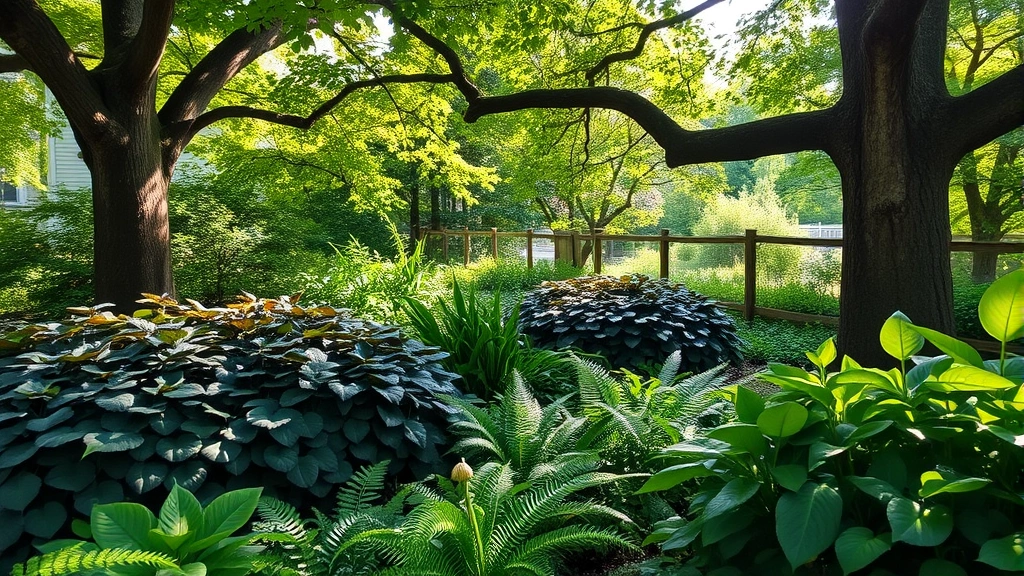
Foliage plants form the backbone of sophisticated shade gardens, providing year-round structure, texture, and visual appeal. Hostas rank among the most popular shade garden plants, offering enormous variety in leaf size, shape, and coloration. Blue-leaved varieties like ‘Blue Mouse Ears’ provide cool tones, while golden cultivars such as ‘Sum and Substance’ brighten darker corners. Hostas thrive in consistently moist soil and develop stunning texture as their leaves mature throughout the season.
Ferns represent another essential shade garden category. Lady ferns, Christmas ferns, and autumn ferns create delicate, feathery textures that contrast beautifully with broader-leaved companions. Ferns prefer consistently moist, well-draining soil rich in organic matter. Many fern species tolerate extremely dense shade where few other plants survive, making them invaluable for challenging locations beneath mature trees.
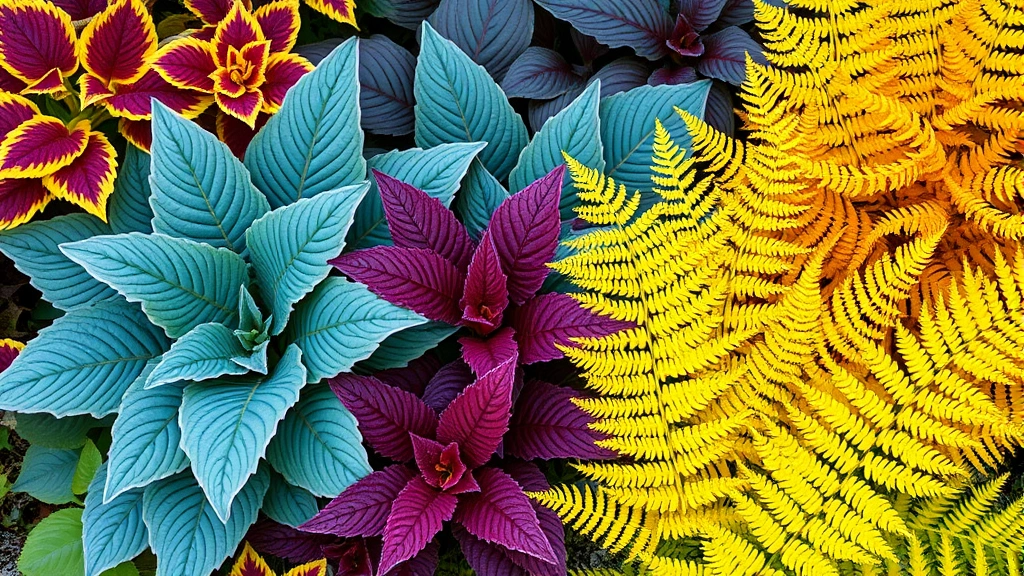
Heuchera (coral bells) brings remarkable foliage color to shade gardens, with leaves ranging from deep purple to brilliant lime green, often with metallic or burgundy undertones. These versatile shade garden plants produce delicate flower spikes in spring but are primarily valued for their outstanding foliage. Many cultivars also tolerate partial sun, offering flexibility in garden design.
Shade-tolerant sedges and ornamental grasses like Japanese forest grass provide movement and airiness in shade gardens. Their fine texture contrasts dramatically with bold hostas and ferns, creating dynamic visual compositions. Japanese forest grass particularly excels in moist, shaded locations where it develops luminous golden or variegated foliage.
Epimedium (fairy wings) offers delicate, heart-shaped foliage that often displays bronze or burgundy tones, particularly in spring and fall. These low-growing shade garden plants create excellent groundcovers beneath trees and larger perennials, reaching only 12-18 inches tall while spreading steadily over time. They tolerate dry shade better than many alternatives, making them valuable for areas beneath established trees.
Liriope (lilyturf) functions as a durable shade garden groundcover and edging plant, tolerating everything from dense shade to partial sun. This evergreen plant produces attractive purple or white flower spikes in late summer, adding seasonal interest while remaining attractive year-round.
Flowering Shade Garden Plants
While shade gardens needn’t rely exclusively on foliage, flowering shade garden plants add essential seasonal color and interest. Impatiens remain the quintessential shade flowering plant, offering continuous blooms from spring through frost in nearly every color imaginable. Modern impatiens varieties, including New Guinea impatiens and double-flowering types, provide exceptional variety for shade gardens. These tender annuals perform beautifully in containers and raised beds, though you can also direct-sow them in garden beds.
Begonias offer another excellent shade-flowering option, with wax begonias providing reliable color in dense shade while fibrous-rooted types add textural interest. Shade-tolerant astilbe produces feathery plumes in pink, white, red, or peach, thriving in moist, shaded locations. These perennials bloom mid-summer and provide attractive dried seed heads extending visual interest into fall.
Hellebores (Christmas roses) bloom during winter and early spring when few other plants flower, offering elegant nodding blooms in white, pink, burgundy, or bicolor combinations. These evergreen perennials tolerate deep shade and reward gardeners with consistent, long-lived performance. Their glossy foliage remains attractive year-round, contributing structure even when not in bloom.
Shade-tolerant hostas often produce attractive lavender or white flower spikes in summer, though many gardeners remove these to direct energy toward foliage development. However, fragrant hosta varieties like ‘Royal Standard’ offer delightfully scented flowers worth preserving in the garden display.
Brunnera (Siberian bugloss) produces delicate blue forget-me-not-like flowers over heart-shaped leaves, thriving in partial to dense shade. This underutilized shade garden plant offers exceptional value, with variegated cultivars adding foliage interest alongside seasonal flowers. Brunnera tolerates dry shade surprisingly well once established, making it valuable for challenging locations.
Digitalis (foxglove) brings architectural interest to shade gardens with tall spires of tubular flowers in pink, white, burgundy, or yellow. These biennial shade garden plants self-seed readily, creating naturalized drifts in appropriate locations. Their spotted throats and varying flower forms create exceptional visual interest.
Shade-Tolerant Herbs and Vegetables
Many gardeners assume herbs and vegetables require full sun, but numerous cultivars thrive in partial shade. Mint thrives in shade, actually preferring afternoon shade in hot climates where it prevents excessive drying. Learn more about growing mint in pots, which offers excellent control in shade gardens. Mint’s aggressive growth habit makes container cultivation particularly sensible.
Shade-tolerant lettuce varieties perform beautifully in partial shade, particularly during hot seasons when afternoon shade prevents bolting. Loose-leaf varieties like ‘Buttercrunch’ and ‘Red Sails’ tolerate shade particularly well. Discover comprehensive information about growing garden lettuce including shade-specific techniques. Spring and fall shade gardening extends your lettuce season remarkably.
Parsley grows excellently in partial shade, actually producing better flavor in dappled shade than full sun. Both flat-leaf and curly varieties tolerate shade, making them valuable additions to shade garden herb collections. These biennial herbs self-seed readily, creating sustainable herb gardens.
Shade-tolerant blueberries represent an exciting option for edible shade gardens. While blueberries prefer full sun, many cultivars tolerate partial shade reasonably well. Explore detailed information about growing blueberries in containers, which offers flexibility in shade garden placement. Container cultivation allows positioning blueberries in optimal light conditions while maintaining an edible shade garden aesthetic.
Shade-tolerant vegetables include spinach, arugula, kale, and chard, all performing adequately in partial shade. These cool-season crops actually benefit from afternoon shade during hot months, reducing bolting while maintaining tender, flavorful harvests. Succession planting in shade gardens extends your vegetable season substantially.
Shade-tolerant mushrooms represent an unconventional but rewarding option for shaded areas. Oyster mushrooms and shiitake varieties fruit productively in dappled shade, utilizing otherwise unproductive space. Growing mushrooms in shade gardens offers novelty and culinary rewards while requiring minimal space.
Creating Shade Garden Structure
Successful shade gardens require thoughtful structural planning. Layering different plant heights creates depth and visual interest in shade gardens. Tall shade garden plants like astilbe or hellebores form the back layer, mid-sized hostas and ferns create the middle layer, while low-growing epimedium and sedges form the foreground. This tiered approach maximizes light exposure for all plants while creating sophisticated garden compositions.
Hardscape elements become particularly important in shade gardens where visual interest relies more heavily on texture and structure. Pathways, seating areas, and focal points add human-scale interest. Consider garden pots and hanging baskets for flexible shade gardening solutions, allowing seasonal adjustments and specimen plant display. Containers offer exceptional versatility in shade gardens, enabling experimentation with plant combinations.
Raised beds improve drainage in naturally moist shade gardens while defining planting areas. Learn more about constructing a raised garden for specialized shade garden applications. Raised beds allow soil amendment and customization, particularly valuable in shade gardens where natural conditions may be suboptimal.
Shade garden design benefits from strategic lighting, which creates atmosphere while highlighting textural foliage. Uplighting on hostas and ferns creates dramatic evening effects, while pathway lighting improves functionality. Water features, whether fountains or simple basins, add auditory interest and create focal points in shade gardens.
Color coordination in shade gardens differs from sunny garden design. Pale foliage plants brighten dark corners, while silvery or variegated leaves create luminous effects. White or pale pink flowers provide visual pop against dark foliage, while deep burgundy flowers create subtle sophistication. Texture becomes paramount in shade gardens, so vary leaf shapes, sizes, and surfaces for dynamic visual interest.
Planting and Care Guidelines
Soil preparation determines shade garden success more than any other factor. Most shade garden plants prefer rich, organic-matter-amended soil that retains moisture while draining adequately. Incorporate 3-4 inches of compost into planting beds, working it into the top 8-10 inches of existing soil. This amendment improves both moisture retention and drainage while providing slow-release nutrients.
Planting timing matters significantly in shade gardens. Spring planting allows shade garden plants to establish root systems during the cooler season before summer heat stress. Fall planting also works well, allowing root development during cool weather while plants remain relatively dormant. Avoid planting in summer heat when transplant shock threatens shade garden plant survival.
Watering requirements vary by shade type and plant species. Shade gardens typically require less frequent watering than sunny gardens due to reduced evaporation, but consistent moisture proves essential for most shade-loving plants. Water deeply but less frequently, encouraging deep root development. Mulch shade gardens with 2-3 inches of organic material, which moderates moisture while improving soil as it decomposes.
Fertilizing shade gardens requires restraint. Excessive nitrogen promotes weak, leggy growth particularly problematic in low-light conditions. Use balanced fertilizers or slow-release options, applying at half the recommended rate. Many shade gardens benefit from annual compost applications rather than chemical fertilizers, providing steady nutrient availability.
Pruning and maintenance in shade gardens focuses on foliage quality. Remove damaged or diseased leaves promptly, improving appearance while preventing pest and disease spread. Divide overgrown hostas and ferns every 4-5 years, rejuvenating plants while creating new specimens. Deadheading flowering shade plants extends bloom periods, though leaving seed heads on some species provides winter interest and self-seeding.
Pest and disease management in shade gardens differs from sunny gardens. Dense shade reduces many pest populations while increasing disease risk from poor air circulation. Improve air flow by spacing plants appropriately, avoiding overcrowding. Remove fallen leaves that harbor disease organisms. Slugs and snails thrive in moist shade gardens; manage these pests through removal, barriers, or organic controls.
Seasonal shade garden maintenance keeps plantings healthy and attractive. Spring cleanup removes winter debris while dividing overgrown plants. Summer monitoring addresses pest or disease issues before they spread. Fall preparation includes removing damaged foliage and applying mulch for winter protection. Winter observation identifies areas needing adjustment in the coming season.
Consider flower arranging tips for creating beautiful displays from shade garden harvests. Many shade-grown plants like hellebores, astilbe, and hosta flowers create stunning cut arrangements, extending garden enjoyment indoors.
FAQ
What are the easiest shade garden plants for beginners?
Hostas, ferns, and liriope represent the easiest shade garden plants for beginners. These resilient species tolerate variable conditions while requiring minimal maintenance once established. Hellebores and brunnera also offer exceptional beginner-friendly performance with minimal care requirements. Start with these reliable performers while gaining experience before attempting more demanding shade-tolerant species.
Can I grow vegetables in a shade garden?
Yes, numerous vegetables thrive in partial shade. Lettuce, spinach, arugula, chard, and kale perform well with 3-4 hours of daily sunlight. Mint and parsley grow excellently in shade gardens. However, fruiting vegetables like tomatoes and peppers require full sun for optimal production. Shade vegetable gardening works best for cool-season crops or in climates where afternoon shade prevents bolting.
How much shade is too much for shade garden plants?
Most shade garden plants require at least 2-3 hours of indirect light daily. Deep shade beneath evergreen trees or on north-facing walls with minimal light challenges even shade-tolerant species. Ferns and certain hostas tolerate the deepest shade, but even these benefit from some indirect light. If your location receives virtually no direct sunlight, consider removing lower tree branches to increase dappled light.
What’s the difference between shade garden plants and sun plants?
Shade garden plants have evolved to photosynthesize efficiently in low-light conditions, developing larger leaves to capture more available light. Their leaves often contain more chlorophyll, appearing darker green. Shade garden plants typically grow more slowly than sun-loving species and often prefer cooler, moister conditions. Sun plants would become weak and leggy in shade, while shade plants often scorch in excessive direct sunlight.
How do I improve soil in shade gardens?
Amend shade garden soil with 3-4 inches of compost, working it into the top 8-10 inches of existing soil. Shade gardens often benefit from additional organic matter because tree roots compete for nutrients and moisture. Annual compost applications maintain soil quality. Add leaf mold from accumulated fallen leaves, which enriches soil while improving moisture retention—particularly valuable in shade gardens beneath trees.
Can shade garden plants grow in containers?
Absolutely. Container cultivation offers excellent flexibility for shade gardens, allowing seasonal adjustments and specimen display. Choose containers with drainage holes and use quality potting soil rather than garden soil. Container shade garden plants require more frequent watering since containers dry faster than in-ground beds. Combining multiple container plantings creates mobile shade gardens adaptable to changing light conditions.
When should I plant shade garden plants?
Spring and fall represent optimal planting times for shade garden plants. Spring planting allows root establishment during cool weather before summer stress. Fall planting enables root development during dormancy. Avoid summer planting when heat stress threatens transplant survival. Container-grown shade garden plants can be planted anytime the soil isn’t frozen, though spring and fall remain preferable for bare-root specimens.


