Creating the perfect raised bed garden dirt mixture is one of the most critical steps to gardening success. Whether you’re building your first elevated garden beds or optimizing an existing setup, the soil composition directly impacts plant health, drainage, nutrient availability, and overall yield. Many gardeners make the mistake of simply filling their beds with whatever topsoil is cheapest, only to discover poor drainage, compaction issues, or nutrient deficiencies mid-season.
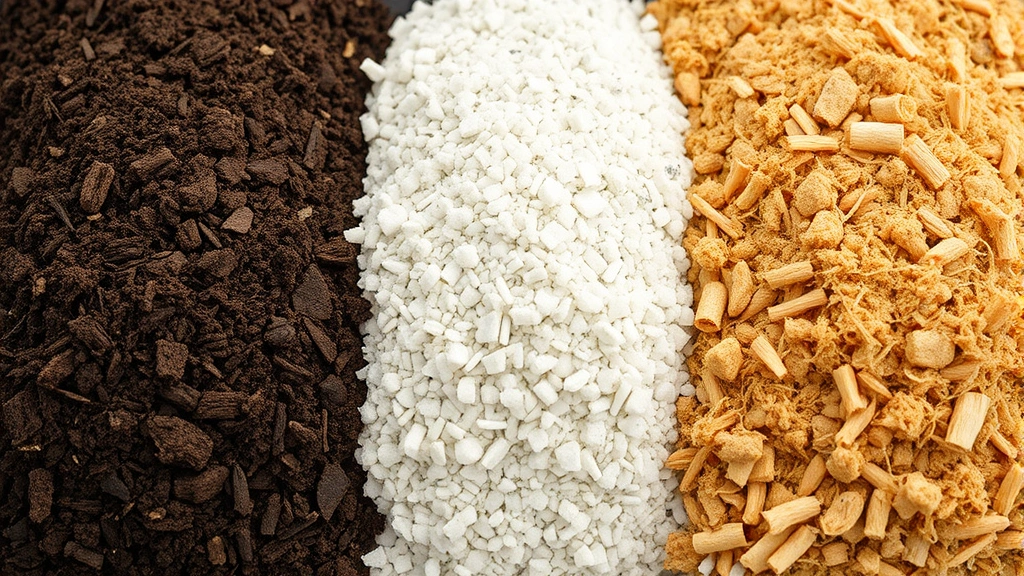
The expert gardener formula for raised bed garden dirt mixture combines three primary components in specific proportions: high-quality compost, peat moss or coconut coir, and coarse materials like perlite or vermiculite. This balanced approach creates an environment where plants thrive, water drains efficiently without washing away nutrients, and beneficial microorganisms flourish. Understanding why each component matters—and how to adjust the formula for your specific plants and climate—transforms raised bed gardening from a frustrating experiment into a reliable, productive system.
The Three-Component Foundation
Professional gardeners and university extension programs consistently recommend a three-part soil mixture for raised beds because it addresses the fundamental needs of container gardening: nutrition, drainage, and structure. Unlike in-ground gardens where roots can extend deep into native soil, raised beds create a contained environment where everything must be engineered for success.
The foundation of this system rests on understanding soil physics. Soil particles range from large (sand) to medium (silt) to tiny (clay). The spaces between particles—called pore spaces—serve two critical functions. Larger pores allow water and air to move through the soil, preventing waterlogging and root rot. Smaller pores hold water that plants can access during dry periods. The expert formula balances these competing needs by combining materials with different particle sizes.
When you use only topsoil in a raised bed, you’re essentially creating a container of heavy, compacted material that drains poorly and becomes increasingly dense over time. Adding organic matter and drainage materials prevents this problem while improving the biological activity that makes soil truly alive.

Compost: The Nutrient Powerhouse
Compost forms the backbone of any quality raised bed soil mixture, comprising 40-50% of the final formula. This decomposed organic matter provides essential nutrients—nitrogen, phosphorus, and potassium—along with trace minerals that plants require. Beyond nutrition, compost introduces beneficial microorganisms, fungi, and bacteria that form symbiotic relationships with plant roots, improving nutrient uptake and disease resistance.
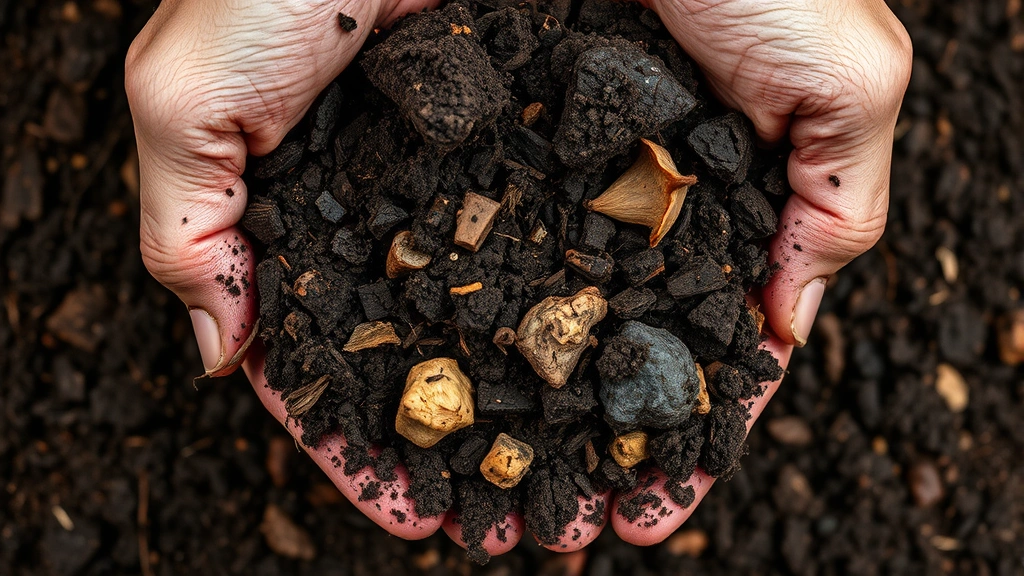
The quality of your compost dramatically affects results. Finished compost should be dark, crumbly, and earthy-smelling, with no recognizable original materials. If you’re purchasing compost, look for products that specify they’re fully aged and screened. Avoid compost that smells like ammonia (indicating incomplete decomposition) or contains wood chips larger than a pea.
You have three excellent options for sourcing compost:
- Homemade compost from your own kitchen scraps and yard waste costs nothing but requires 6-12 months of patience. Use a quality garden hoe to turn your pile regularly for faster decomposition.
- Municipal compost programs exist in many cities and provide free or low-cost finished compost made from community yard waste. Contact your local waste management department to find programs near you.
- Commercial compost from garden centers offers convenience and consistency, though at a higher cost. Premium brands often include beneficial microbes and fungi.
For raised beds, a blend works beautifully: use 60-70% of your compost from a reliable source and supplement with 30-40% homemade compost if available. This approach balances consistency with cost-effectiveness.
Moisture Retention Materials
The second critical component addresses water retention—keeping moisture available to plants during hot weather without creating soggy conditions. This is where peat moss or coconut coir enters the formula, typically comprising 20-30% of the mixture.
Peat moss has been the traditional choice for decades. It holds moisture exceptionally well, remains stable over multiple seasons, and has a slightly acidic pH (around 4.0) that benefits many plants. However, peat moss extraction damages peat bogs—irreplaceable ecosystems—making it environmentally problematic. Many gardeners now prefer alternatives.
Coconut coir (coconut fiber) offers a sustainable alternative with similar water-holding properties. Made from coconut husk byproducts, it’s renewable and requires less processing than peat. Coconut coir holds nearly as much water as peat moss but is more pH-neutral (around 6.0-6.5), which actually suits most vegetables better. The main drawback: it’s slightly more expensive than peat moss.
A third option is aged pine bark, which holds moisture while providing excellent structure. Some gardeners create a mixture using all three materials in equal parts, creating a moisture-retentive blend with superior long-term structure.
When measuring for your mixture, understand that these materials compress significantly when moistened. A cubic yard of dry peat moss becomes roughly 75% of that volume when saturated. Account for this compression when calculating quantities.
Drainage and Aeration Components
The final critical component—comprising 20-30% of your mixture—provides drainage and prevents compaction. Perlite and vermiculite are the standard choices, though they serve different purposes.
Perlite is volcanic glass that’s been heated until it pops like popcorn, creating lightweight, porous particles. It dramatically improves drainage and aeration, making it ideal for plants that prefer drier conditions. Perlite doesn’t hold nutrients or water, so it’s purely a structural amendment. It also remains stable over years, not breaking down like organic materials do.
Vermiculite is a mineral that expands when heated, creating accordion-like particles that hold water while still allowing air movement. Vermiculite actually holds nutrients and slowly releases them, making it both a structural and nutritive amendment. For raised beds, vermiculite works beautifully because it combines drainage benefits with water retention.
Some gardeners use coarse sand instead of perlite, which is budget-friendly but requires careful selection. Use only horticultural-grade sand, never construction sand, which compacts and defeats the purpose. Coarse sand also increases the weight of your mixture significantly.
For cement block raised bed gardens, which tend to warm soil more than wood-framed beds, using more perlite (30-35%) helps prevent overheating and maintains adequate aeration.
The Expert Formula Breakdown
The expert gardener formula for raised bed garden dirt mixture combines these three components in proven proportions:
- Finished compost: 40-50% (provides nutrients and beneficial biology)
- Peat moss or coconut coir: 20-30% (retains moisture)
- Perlite or vermiculite: 20-30% (ensures drainage and aeration)
For a 4x8x12-inch raised bed (approximately 32 cubic feet or 1.2 cubic yards), this translates to:
- 15-16 cubic feet of finished compost
- 8-10 cubic feet of moisture-retention material
- 8-10 cubic feet of drainage material
When purchasing materials, remember that bags are typically measured in cubic feet. A standard compost bag contains 2 cubic feet, so you’d need 7-8 bags for a single 4×8-foot bed.
This formula works exceptionally well for vegetables, herbs, and ornamental plants. However, specific plant needs may warrant adjustments:
- For vegetables and herbs: Use the standard formula. These plants appreciate the balanced nutrition and drainage.
- For acid-loving plants: Increase peat moss to 35% and reduce other components proportionally. Add sulfur to lower pH if needed.
- For succulents or cacti: Increase perlite to 40% and reduce compost to 30%, creating a much grittier, faster-draining mixture. See our guide to succulent garden design for more details.
- For heavy feeders like tomatoes or peppers: Increase compost to 55% and reduce other components, providing extra nutrition for these nutrient-hungry plants.
Mix these components thoroughly before filling your beds. Spread each material in layers, then use a garden hoe or shovel to blend everything together until color and texture are uniform. Proper mixing ensures even distribution of nutrients and consistent drainage throughout the bed.
Seasonal Adjustments and Amendments
The initial mixture creates an excellent foundation, but maintaining raised bed soil requires ongoing attention. Over time—typically 2-3 years—organic materials break down and compress, reducing the bed’s depth and nutrient content.
Annual top-dressing maintains soil health without complete replacement. Each spring, add 2-3 inches of fresh compost to the top of your beds. This replenishes nutrients, introduces new beneficial organisms, and restores depth lost to decomposition. This approach is far more economical than replacing all soil every few years.
Beyond compost, consider these seasonal amendments:
- Fall: Add aged manure (3-4 weeks old minimum) in late fall, allowing winter weather to integrate it. This provides slow-release nitrogen for spring growth.
- Spring: Work in balanced organic fertilizer (5-5-5 or similar) two weeks before planting to boost available nutrients.
- Summer: Side-dress heavy feeders with compost or diluted fish emulsion every 3-4 weeks during peak production.
- Winter (in mild climates): Plant cover crops like clover or winter rye to prevent erosion and add nitrogen through their decomposition.
Testing your soil every 2-3 years provides valuable information about nutrient levels and pH. Many university extension services offer affordable soil testing. Contact your local Sustainable Agriculture Research and Education program or USDA Natural Resources Conservation Service for testing options.
Building and Maintaining Your Beds
Once you’ve gathered your materials, the building process is straightforward. Construct your raised bed frame using cedar, composite material, or cement blocks, then layer materials as follows:
- Bottom layer: Add 2-3 inches of the drainage material (perlite or vermiculite). This prevents soil from compacting against the bed bottom and ensures water drains properly.
- Middle layers: Alternate between your compost and moisture-retention material, building up gradually. Mix as you go to ensure even distribution.
- Top layer: Finish with 1-2 inches of pure compost for the most nutrient-rich planting surface.
After filling, water your bed thoroughly and let it settle for a few days before planting. You’ll notice the level drops as materials compress—this is normal. Add another inch of compost if needed.
Watering technique matters significantly in raised beds. Use a quality garden hose with a gentle spray nozzle to water deeply but slowly, allowing water to penetrate to the bottom of the bed. Early morning watering reduces disease risk and allows plants to access moisture before the heat of the day. During summer, most raised beds need water every 2-3 days, sometimes daily in extreme heat.
Mulching the surface of your raised beds provides additional benefits. A 2-3 inch layer of straw, wood chips, or shredded leaves reduces evaporation, moderates soil temperature, suppresses weeds, and adds organic matter as it decomposes. Leave 2-3 inches of space around plant stems to prevent rot.
Your raised bed soil continues improving over time. Beneficial microorganisms colonize the medium, organic matter breaks down into humus (the most valuable soil component for nutrient and water retention), and the ecosystem becomes increasingly productive. Many gardeners report that their raised beds perform even better in year three or four than in year one, despite the decomposition of organic materials, because the biological activity reaches optimal levels.
FAQ
Can I use only topsoil in my raised bed?
While possible, topsoil alone performs poorly in raised beds. It compacts easily, drains inadequately, and provides inconsistent nutrition. The expert formula’s addition of compost and drainage materials is essential for success. If budget is extremely limited, at minimum add 40% compost to topsoil and 20% perlite.
Should I add fertilizer to my raised bed soil mixture?
The compost in your mixture provides substantial nutrition for the first season. Adding slow-release organic fertilizer (like fish meal or bone meal) at planting time helps, but isn’t essential if you use high-quality, well-aged compost. Start without added fertilizer and adjust based on plant performance.
How often should I replace raised bed soil completely?
Complete replacement isn’t necessary if you maintain beds properly. With annual top-dressing and amendment, the same soil can remain productive for 5+ years. Only replace if disease problems occur or if soil becomes severely compacted and depleted.
Can I use leaves or wood chips instead of peat moss?
Shredded leaves work reasonably well for moisture retention but break down quickly—within 1-2 years. Wood chips are too coarse and take years to decompose, potentially tying up nitrogen. For better results, use aged wood chips (3+ years old) mixed with peat moss or coconut coir.
What’s the best pH for raised bed soil?
Most vegetables prefer soil pH between 6.0-7.0 (slightly acidic to neutral). The expert formula typically produces pH around 6.2-6.5, which suits most plants perfectly. Test your soil if you’re growing acid-loving plants like blueberries, which prefer 4.5-5.5 pH.
Is coconut coir really better than peat moss?
Both work excellently. Coconut coir offers environmental benefits since it’s renewable, costs slightly more, and is pH-neutral. Peat moss is cheaper and slightly more stable long-term but raises environmental concerns. Choose based on your values and budget.


