Grow Rainbow Tomatoes? Expert Gardener Advice
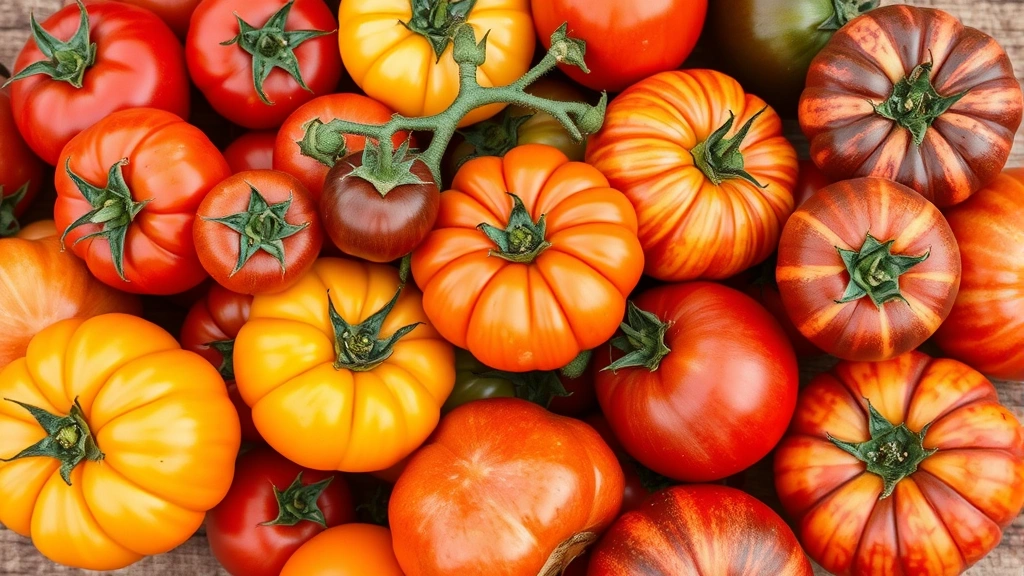
Rainbow tomatoes are one of the most visually stunning additions you can make to your vegetable garden. These heirloom varieties produce fruits in shades of red, orange, yellow, purple, and even striped combinations that transform a simple tomato patch into a living palette of color. Growing rainbow tomatoes isn’t just about aesthetics—these varieties often deliver complex, nuanced flavors that surpass conventional red tomatoes, making them a favorite among culinary gardeners and farmers market enthusiasts.
Whether you’re a seasoned gardener or just beginning your growing journey, rainbow tomatoes present an exciting opportunity to expand your cultivation skills. The key to success lies in understanding the specific needs of these heirloom varieties, from soil preparation and watering schedules to pest management and harvesting techniques. This comprehensive guide draws on expert horticultural practices to help you cultivate a thriving rainbow tomato garden that produces abundant, colorful harvests throughout the season.
Choosing the Right Rainbow Tomato Varieties
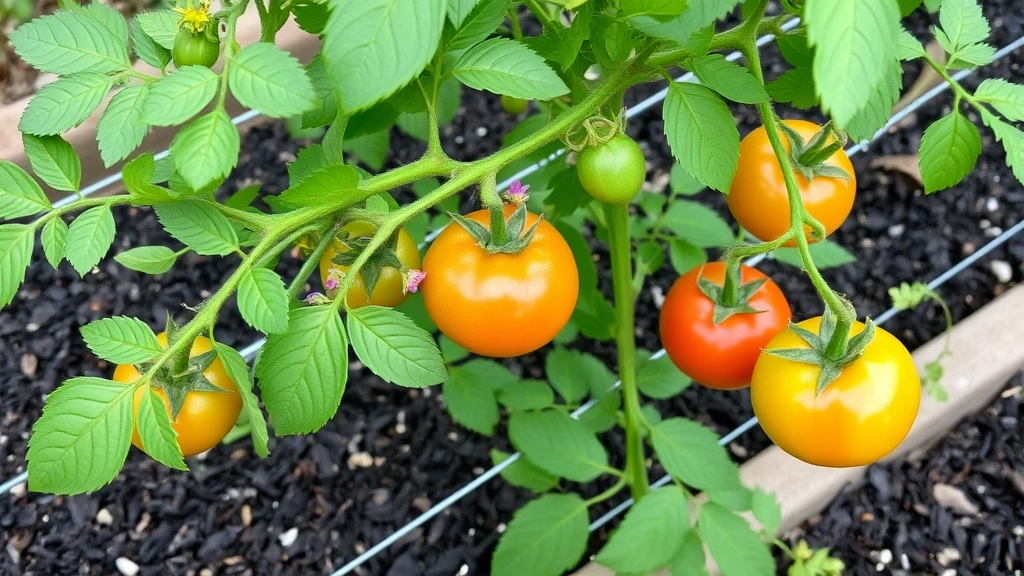
Selecting the appropriate varieties is the foundation of a successful rainbow tomato garden. Each color category offers distinct characteristics, flavor profiles, and growing requirements. Yellow varieties like ‘Ponderosa Yellow’ and ‘Golden Jubilee’ produce mild, sweet fruits that work beautifully in salads and fresh preparations. Orange tomatoes such as ‘Apricot’ and ‘Orange Blossom’ contain higher lycopene levels than yellow varieties and offer a perfect balance between sweetness and acidity.
Red heirloom varieties remain classics for good reason. ‘Cherokee Purple,’ ‘Brandywine,’ and ‘Mortgage Lifter’ are renowned for their complex, rich flavors and impressive size. Purple and black tomatoes like ‘Black Krim,’ ‘Kumato,’ and ‘Paul Robson’ contain anthocyanins, the same antioxidants found in blueberries, giving them their dark coloring and exceptional nutritional value. For striped varieties, ‘Green Zebra,’ ‘Mr. Stripey,’ and ‘Tigerella’ create stunning visual contrasts while delivering unique taste experiences.
When selecting varieties, consider your local climate zone and growing season length. Check the days to maturity for each variety—longer-season types like ‘Brandywine’ need 80-90 days, while faster varieties mature in 60-70 days. Consult your local extension service for region-specific recommendations to ensure your chosen varieties will thrive in your specific growing conditions.
Soil Preparation and Garden Setup
Rainbow tomatoes demand rich, well-draining soil with abundant organic matter. Begin soil preparation at least 2-3 weeks before planting by testing your soil pH and nutrient levels. Tomatoes prefer slightly acidic to neutral soil with a pH between 6.0 and 6.8. If your soil is too acidic, add lime; if too alkaline, incorporate sulfur or organic matter to lower the pH.
Incorporate 3-4 inches of compost or aged manure into your garden bed to improve soil structure and nutrient content. This amendment enhances water retention while maintaining proper drainage—essential for preventing root diseases and splitting. The best soil for a garden bed includes a balanced blend of organic matter, minerals, and beneficial microorganisms that support vigorous tomato growth.
Choose a location receiving at least 6-8 hours of direct sunlight daily, ideally 8-10 hours for optimal color development. Ensure adequate air circulation to reduce disease pressure. Space plants appropriately—determinate varieties need 24 inches between plants, while indeterminate types require 36-48 inches. Proper spacing prevents fungal infections and makes harvesting easier. If you’re in an area with irregular rainfall, consider creating a rain garden nearby to capture water for irrigation during dry periods.
Starting Seeds Indoors and Transplanting
Begin seeds indoors 6-8 weeks before your last spring frost date. Fill seed trays with sterile seed-starting mix, sow seeds ¼ inch deep, and maintain soil moisture without waterlogging. Maintain temperatures between 70-75°F for optimal germination, which typically occurs within 5-10 days. Once seedlings emerge, provide 14-16 hours of bright light daily using grow lights positioned 2-3 inches above seedlings.
When seedlings develop their first true leaves (the second set of leaves), thin them to one plant per cell or transplant into larger containers. Lower nighttime temperatures to 60-65°F to encourage stockier growth. Feed seedlings weekly with diluted liquid fertilizer once they’ve developed 2-3 sets of true leaves.
Harden off seedlings 7-10 days before transplanting by gradually exposing them to outdoor conditions. Start with 1-2 hours in a sheltered location, gradually increasing exposure over a week. Plant seedlings deeper than they grew in containers—bury the stem up to the lowest leaves to encourage stronger root development. Water thoroughly after transplanting and protect young plants from strong winds for the first few days.
Watering and Nutrition Strategies
Consistent watering is critical for rainbow tomato success. These plants need approximately 1-2 inches of water weekly, depending on rainfall and temperature. Water deeply at soil level rather than overhead to minimize fungal disease pressure. Early morning watering allows foliage to dry quickly, reducing disease risk. Install drip irrigation or soaker hoses to deliver water directly to the root zone efficiently.
Mulch plants with 2-3 inches of organic material like straw or wood chips to maintain soil moisture, regulate temperature, and suppress weeds. Avoid mulching too close to the stem to prevent rot. Inconsistent watering causes problems like blossom-end rot and fruit cracking, so maintain steady moisture throughout the growing season.
Feed plants every 2-3 weeks with balanced fertilizer once flowering begins. Tomatoes benefit from adequate phosphorus and potassium for fruit development. Avoid excessive nitrogen, which promotes foliage at the expense of fruit production. Many gardeners swear by calcium-rich amendments like crushed eggshells or gypsum to prevent blossom-end rot. Consider foliar feeding with diluted liquid fertilizer every 2-3 weeks to supplement soil nutrients and improve nutrient uptake.
Supporting Your Tomato Plants
Indeterminate varieties (those that grow continuously throughout the season) require sturdy support systems to prevent branch breakage under heavy fruit load. Garden arch trellis structures work beautifully for creating vertical growing spaces that maximize garden efficiency. Traditional tomato cages work for determinate varieties but often prove insufficient for vigorous heirloom types.
Install support systems at planting time to avoid damaging roots later. Stakes, cages, or string trellising systems all work effectively. As plants grow, secure stems loosely with soft ties or fabric strips, allowing room for stem expansion. Prune suckers (shoots growing between the main stem and branches) on indeterminate varieties to focus energy on fruit production and improve air circulation. Determinate varieties require minimal pruning.
Remove lower leaves once plants reach 12-18 inches tall to improve air circulation and reduce soil-borne disease transmission. Continue removing leaves gradually throughout the season, always maintaining at least 6-8 healthy leaves above the top fruit cluster. This practice significantly reduces disease pressure while allowing sunlight to reach ripening fruit.
Managing Pests and Diseases
Rainbow tomatoes face similar pest and disease challenges as conventional varieties. Common pests include hornworms, whiteflies, and spider mites. Scout plants regularly for early pest detection. Hand-pick large pests like hornworms, or use organic insecticides containing neem oil or spinosad for infestations. Encourage beneficial insects like ladybugs and parasitic wasps by planting companion herbs like mint in pots nearby to attract natural predators.
Fungal diseases like early blight, late blight, and powdery mildew pose serious threats in humid conditions. Prevent these by ensuring excellent air circulation, watering at soil level, removing infected leaves immediately, and avoiding working with wet plants. Apply sulfur or copper fungicides at the first sign of disease. Space plants adequately and mulch properly to minimize fungal spore splash from soil.
Bacterial diseases like bacterial spot and bacterial wilt have no cure once established, making prevention essential. Use disease-resistant varieties when available, rotate crops annually, disinfect tools between plants, and remove infected plants entirely. Many heirloom varieties lack disease resistance, so monitor closely and maintain excellent cultural practices to compensate.
Harvesting and Storage
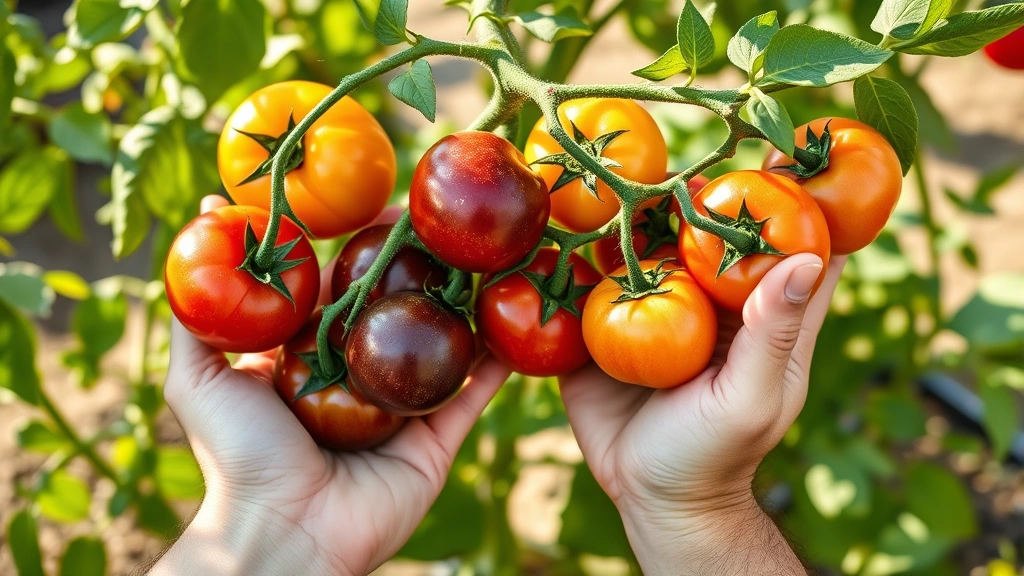
Rainbow tomatoes develop their signature colors as they ripen, but exact timing depends on variety. Most varieties reach harvest readiness 60-90 days after transplanting. Pick tomatoes when they’ve developed full color and yield slightly to gentle pressure. Fully ripe tomatoes detach easily from the plant with a gentle twist.
Harvesting ripe fruit encourages continued production, so pick regularly throughout the season. If frost threatens before season’s end, harvest mature green tomatoes and ripen them indoors. Place them in a single layer in a cardboard box at room temperature away from direct sunlight. They’ll ripen in 1-2 weeks, developing full flavor and color.
Store ripe tomatoes at room temperature to preserve flavor—refrigeration damages cell walls and mutes the complex taste compounds these heirloom varieties develop. Use tomatoes within 1-2 weeks of ripening for best quality. For longer storage, freeze whole tomatoes, make sauce, or can according to safe food preservation guidelines. Consider using quality garden scissors for clean harvesting that minimizes plant damage.
FAQ
What’s the difference between determinate and indeterminate rainbow tomato varieties?
Determinate varieties grow to a fixed height (usually 3-4 feet), produce fruit over a concentrated period, and are ideal for canning. Indeterminate varieties grow continuously, producing fruit throughout the season until frost, reaching 6+ feet, and are better for fresh eating and extended harvests.
Can I save seeds from my rainbow tomatoes?
Yes, but only from heirloom and open-pollinated varieties. Hybrid varieties won’t produce seeds true to type. Ferment seeds in water for 2-3 days to remove the gel coating, rinse thoroughly, dry completely on paper plates, and store in cool, dry conditions. Seeds remain viable for 4-5 years.
Why are my rainbow tomatoes splitting or cracking?
Fruit splitting results from inconsistent watering, particularly heavy watering after dry periods. Maintain steady soil moisture, mulch heavily, and water deeply but infrequently rather than light daily watering. Choose crack-resistant varieties when possible, and harvest slightly early if splitting becomes problematic.
How do I get better color development in my tomatoes?
Ensure plants receive 8-10 hours of direct sunlight daily for optimal color development. Avoid excessive nitrogen fertilization, which promotes foliage at fruit’s expense. Maintain consistent watering and adequate potassium levels. Some gardeners report that pruning excessive foliage slightly earlier in the season improves color intensity by increasing sun exposure to fruit.
What’s the best way to preserve the flavor of heirloom tomatoes?
For fresh use, store at room temperature and consume within 1-2 weeks of ripening. For preservation, make fresh sauce or salsa without cooking, freeze whole tomatoes for later cooking, or can according to tested recipes. Avoid canning whole tomatoes at high temperatures, as this destroys the delicate flavor compounds that make heirlooms special.


