Menards Garden Center: Shop Like a Pro!
Menards garden center locations offer an extensive selection of plants, seeds, tools, and landscaping supplies that can transform your outdoor space into a thriving garden. Whether you’re a seasoned gardener or just starting your first vegetable plot, understanding how to navigate Menards’ garden offerings and make smart purchasing decisions will help you maximize your budget and achieve gardening success.
Shopping at a Menards garden center requires strategy. With countless options available—from perennials and annuals to soil amendments and hardscape materials—knowing what to look for, when to shop, and how to evaluate plant quality can mean the difference between a flourishing garden and disappointing results. This guide walks you through the essential tips for shopping like a pro at your local Menards garden center.
Timing Your Garden Center Visits
The timing of your Menards garden center visits dramatically affects plant selection and pricing. Early morning hours, particularly on weekdays, offer the best shopping experience with fully stocked shelves and minimal crowds. Arrive early to inspect plants before others have handled them and potentially damaged foliage or root systems.
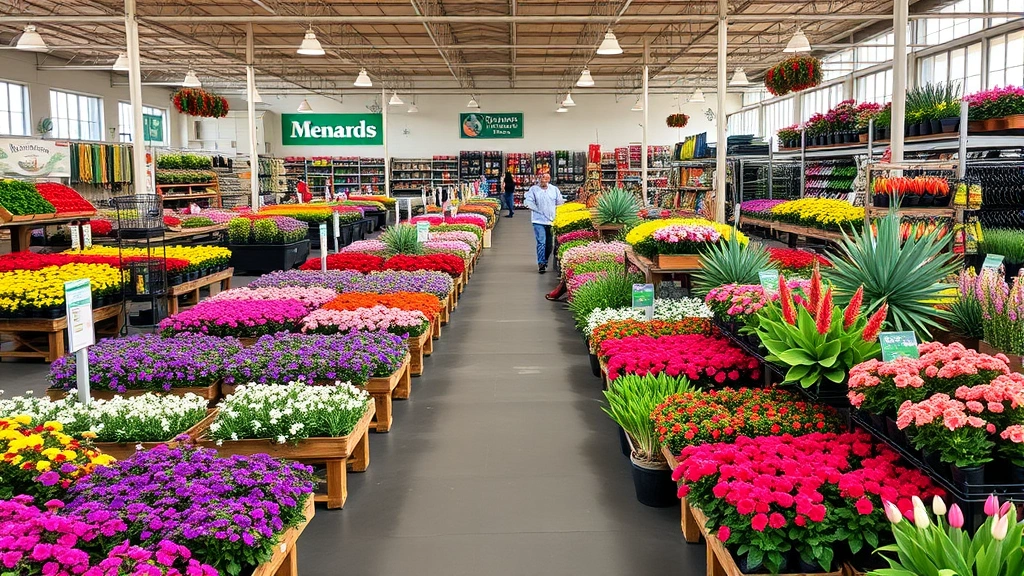
Spring represents peak season for Menards garden centers, typically from late March through May. During this period, inventory reaches maximum capacity with an impressive array of annuals, perennials, vegetables, and herbs. However, prices may be slightly higher, and competition for the best specimens intensifies. If you’re flexible with timing, shopping in early spring before peak season hits allows you to secure quality plants at better prices.
Fall shopping, generally from August through October, presents another excellent opportunity. Many gardeners overlook autumn planting, yet this season is ideal for establishing perennials and cool-season vegetables. Menards often discounts summer inventory to make room for fall selections, providing significant savings on remaining stock. You can also plan your vegetable garden layout for next season while fall plants are available.
Rainy days typically mean fewer shoppers at garden centers, giving you more time to carefully examine plants and ask staff questions without feeling rushed. The calm atmosphere allows better decision-making about which specimens will work best for your garden design.
Evaluating Plant Quality
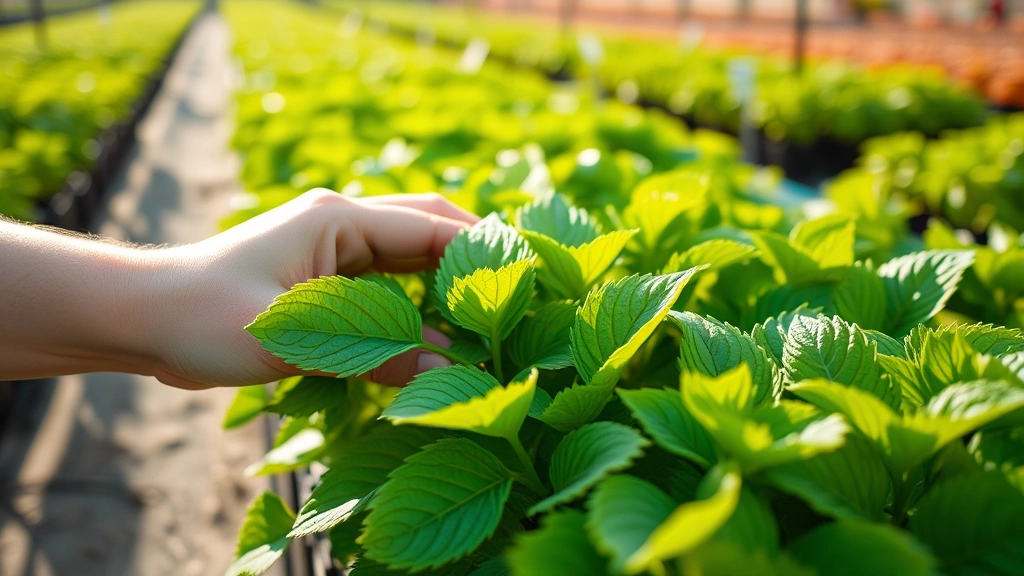
Examining plant health before purchasing is crucial for gardening success. Start by inspecting the overall appearance: leaves should be vibrant, firm, and free from brown edges or spots. Yellowing foliage may indicate nutrient deficiency, overwatering, or disease. Gently touch leaves to ensure they feel turgid rather than limp or papery.
Check the undersides of leaves carefully for pest infestations. Common indoor and outdoor pests like spider mites, whiteflies, and mealybugs often hide on leaf undersides. If you notice webbing, sticky residue, or tiny insects, move on to another specimen. A single infested plant can compromise your entire garden.
Examine the soil moisture by gently pressing the top layer. The soil should feel slightly moist but not waterlogged. Soil that’s soggy or pulling away from pot edges indicates poor drainage or irregular watering—both red flags for plant health. Conversely, soil that’s rock-hard and pulling away from sides suggests the plant has been underwatered.
Look at the root system by carefully lifting the plant and inspecting the drainage holes. Healthy roots appear white or light tan and are barely visible through the holes. Dark, mushy roots indicate root rot, a serious problem that’s difficult to reverse. If roots are tightly wound in circles (root-bound), the plant has been in its container too long and may struggle to establish in your garden.
Inspect stems for damage, breaks, or signs of disease. Woody stems should be sturdy and upright. For herbaceous plants, stems should feel firm and show no soft spots or discoloration. Avoid plants with damaged stems, as they’re more vulnerable to disease and may not recover.
Understanding Soil and Amendments
Menards garden centers stock various soil types, each suited for different gardening applications. Potting soil differs from garden soil—potting soil is lighter, fluffier, and designed for containers, while garden soil is denser and better for in-ground planting. Understanding these differences prevents costly mistakes.
For raised beds, select a quality mix combining topsoil, compost, and peat moss or coconut coir. When making raised garden beds, the soil quality directly impacts your plants’ success. A 50-30-20 ratio of topsoil to compost to peat moss creates an excellent growing medium that retains moisture while maintaining proper drainage.
Compost amendments improve soil structure, water retention, and nutrient content across all garden types. Look for dark, crumbly compost with an earthy smell. Avoid compost that’s gray, smells sour, or contains visible wood chips or straw, which indicate incomplete decomposition. Quality compost accelerates plant establishment and reduces fertilizer needs.
pH-specific amendments matter significantly for certain plants. Blueberries and azaleas require acidic soil, so purchase sulfur or acidifying fertilizers if you’re growing acid-loving plants. Conversely, if your soil tests alkaline, composted pine needles or aluminum sulfate help lower pH. Menards staff can often recommend amendments based on your local soil conditions.
Mulch selection impacts moisture retention and temperature regulation. Organic mulches like shredded bark break down over time, improving soil, while inorganic options like river rock provide permanent solutions. For vegetable gardens, aged wood chips or straw work well. Consider purchasing mulch in bulk if you’re covering large areas—you’ll save considerably compared to individual bags.
Selecting Seeds and Seedlings
Menards garden centers offer both seeds and seedlings, each with distinct advantages. Seeds cost significantly less and provide satisfaction in watching plants develop from germination. However, they require proper storage conditions and earlier starting times. Seedlings offer immediate gratification and skip the germination phase, making them ideal for beginners or those with limited space.
When purchasing peas or other vegetable seedlings, choose stocky, compact plants with true leaves rather than leggy specimens with long stems. Leggy seedlings struggle to establish and often fail to produce well. The plant’s color should be healthy green without yellowing or purpling, which indicates stress.
Check seed packet dates carefully. Seeds lose viability over time, so purchase current-year packets whenever possible. Avoid packets with damage or moisture exposure. If buying previous-season seeds at discount, test germination rates by placing a few seeds between moist paper towels for the required germination period before planting your entire garden.
For pumpkin plants and other warm-season crops, purchase seedlings closer to your last frost date. This prevents plants from becoming root-bound or stressed while waiting for planting time. Conversely, cool-season crops like lettuce and spinach should be purchased early enough to establish before summer heat arrives.
Consider your climate zone when selecting varieties. Menards typically labels plants with USDA hardiness zones, helping you choose species that thrive in your region. Hardy perennials should match or exceed your zone number. Tender annuals work anywhere but must be replanted yearly in cold climates.
Tools and Equipment Essentials
Quality tools make gardening more enjoyable and efficient. Menards stocks basic hand tools through professional-grade equipment. Invest in ergonomic shovels and spades with cushioned handles—they reduce hand fatigue during extended gardening sessions. Look for tools with solid construction; wooden handles should be smooth and free from splinters, while metal components should feel substantial.
A quality spade differs from a shovel: spades have flat, sharp edges ideal for edging and digging, while shovels have curved scoops better for moving loose materials. For most gardeners, one quality spade and one shovel cover basic needs. Avoid purchasing cheap multi-tool sets; you’ll use only a few items, and quality suffers when manufacturers cut corners.
Hand tools deserve equal attention to larger equipment. A quality hand trowel, pruning shears, and cultivator make regular maintenance easier. Stainless steel tools resist rust and last longer than painted steel, though they cost more initially. Your investment pays dividends over years of use.
Watering equipment significantly impacts gardening success. A soaker hose delivers water directly to soil, reducing evaporation and fungal diseases compared to overhead sprinklers. Timer-controlled systems ensure consistent watering even when you’re busy or away. For containers, a quality watering can with a fine rose (spray head) prevents soil compaction and seed displacement.
Protective equipment protects your health and improves comfort. Quality gardening gloves prevent blisters and thorn injuries. Wide-brimmed hats and UV-protective clothing reduce sun exposure during long gardening sessions. Knee pads make kneeling comfortable during planting and weeding tasks.
Hardscape Materials and Edging
Menards garden centers stock extensive hardscape materials for creating defined garden spaces and pathways. When edging gardens with stones, consider both aesthetic and functional aspects. Natural stone provides rustic charm and durability, while plastic edging offers affordability and easy installation.
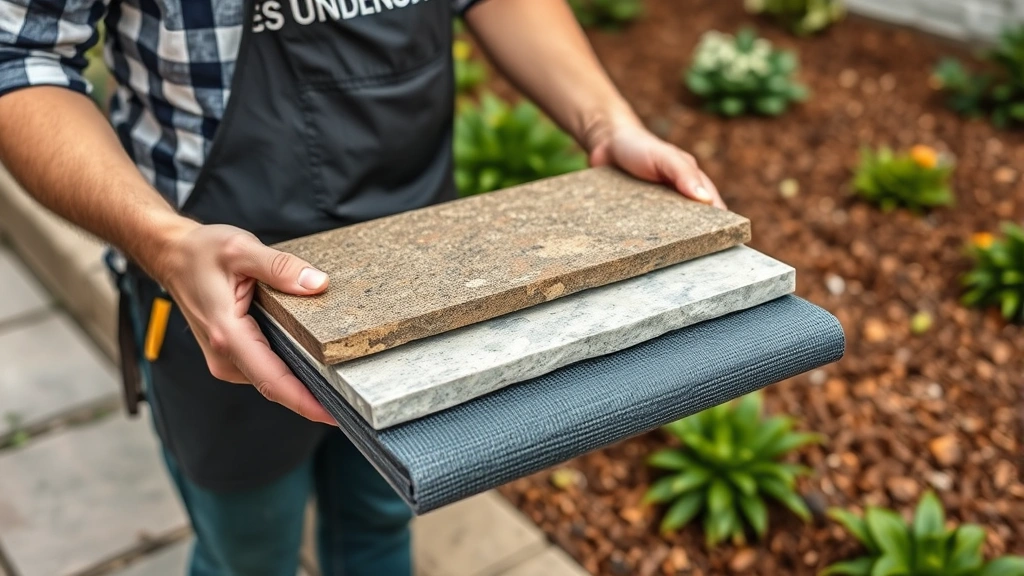
Stone selection impacts your garden’s visual appeal and long-term maintenance. Slate, granite, and limestone offer premium appearance and exceptional durability. River rock provides softer aesthetics but can scatter during heavy rains. Avoid thin, flaky stone that breaks easily under foot traffic or freeze-thaw cycles.
Pathway materials range from mulch and gravel to pavers and flagstone. Mulch paths are budget-friendly but require annual replenishment. Gravel drains well and works in various styles. Pavers and flagstone provide permanent solutions perfect for high-traffic areas. Calculate your project’s square footage before shopping to ensure you purchase adequate materials.
Landscape fabric prevents weed growth beneath mulch and hardscape materials. Quality landscape fabric breathes, allowing water penetration while blocking weed seeds. Cheap plastic barriers trap moisture and eventually break down, creating problems. Invest in proper landscape fabric to reduce future weeding.
For garden shade cloth applications, Menards carries various densities suited for different purposes. Thirty percent shade cloth works for plants needing partial shade, while seventy percent blocks intense afternoon sun. Shade cloth installation requires proper support structure, so budget for stakes and fasteners alongside the material itself.
Seasonal Shopping Strategy
Smart seasonal shopping maximizes your garden center budget. Spring clearance sales occur as garden centers transition inventory to summer items. Late May and early June often feature significant discounts on spring plants. Similarly, late summer brings markdowns on remaining summer annuals as fall inventory arrives.
Fall planting season offers exceptional opportunities. Many gardeners focus solely on spring planting, leaving fall stock underappreciated and discounted. Perennials, shrubs, and trees establish excellent root systems during cool months, giving them advantages over spring plantings. Fall shopping provides the same plant selection at better prices.
Winter presents unique opportunities for dormant trees and shrubs. Bare-root plants cost significantly less than container-grown specimens. Menards may carry dormant roses, fruit trees, and ornamental shrubs at substantial discounts. These plants require careful handling and immediate planting, but savings justify the effort.
Plan purchases around seasonal needs rather than impulse buying. Create a garden wish list during off-seasons, noting specific varieties and quantities. When shopping season arrives, you’ll make deliberate choices rather than emotional purchases. This approach prevents overbuying and ensures plants receive proper care immediately after purchase.
Join Menards’ loyalty program to access exclusive sales and discounts. Many locations offer special promotions during peak gardening seasons. Email notifications alert you to sales on items you need, helping you budget effectively and avoid overspending.
FAQ
What’s the best time to shop at Menards garden center?
Early morning on weekdays provides the best selection and shopping experience. Spring offers maximum inventory but higher prices, while fall presents excellent selections at discounted rates. Shopping after rainy weather means fewer crowds and more time for careful plant selection.
How can I tell if a plant is healthy before buying?
Examine foliage for vibrant color and firm texture. Check leaf undersides for pests. Inspect roots through drainage holes—white roots are healthy, dark mushy roots indicate problems. Feel the soil moisture; it should be slightly moist. Avoid plants with damaged stems or yellowing leaves.
Should I buy seeds or seedlings?
Seeds cost less and provide satisfaction in growing from germination, but require earlier starting and proper care. Seedlings offer immediate results and work well for beginners. Consider your experience level, available space, and timeline when deciding.
What soil should I buy for raised beds?
Mix topsoil, compost, and peat moss or coconut coir in a 50-30-20 ratio for optimal growing medium. This combination provides nutrients, drainage, and water retention. Avoid using garden soil alone in raised beds; it compacts and drains poorly.
How do I know which plants will thrive in my climate?
Check plant labels for USDA hardiness zones. Your zone number should match or be lower than the plant’s recommended zone. Menards staff can help identify plants suited to your region and provide care recommendations for optimal success.
Is landscape fabric necessary?
Quality landscape fabric prevents weed growth and reduces maintenance. It allows water penetration while blocking weeds. While not absolutely necessary, it saves time and effort over seasons, making the investment worthwhile for most gardeners.
What tools do I really need to start gardening?
Essential tools include a quality spade, shovel, hand trowel, and pruning shears. Add a watering can or soaker hose for irrigation. Quality matters more than quantity; invest in durable tools that will last years rather than cheap multi-tool sets that break easily.


