Memorial Garden Stones: Expert Selection Guide
Creating a memorial garden is a meaningful way to honor and remember loved ones while cultivating a beautiful outdoor space. Memorial garden stones serve as lasting tributes that blend functionality with heartfelt remembrance. Whether you’re designing a dedicated memorial garden or incorporating commemorative elements into your existing landscape, selecting the right stones requires careful consideration of materials, durability, inscription options, and placement strategies.
This comprehensive guide walks you through every aspect of choosing memorial garden stones, from understanding different stone types to evaluating weather resistance and customization features. By the end, you’ll have the knowledge to select stones that will beautifully honor your loved ones for generations to come.
Understanding Memorial Stone Materials
The foundation of any memorial garden stone selection begins with understanding the available materials. Each stone type offers distinct aesthetic qualities, durability characteristics, and price points that influence your final decision.
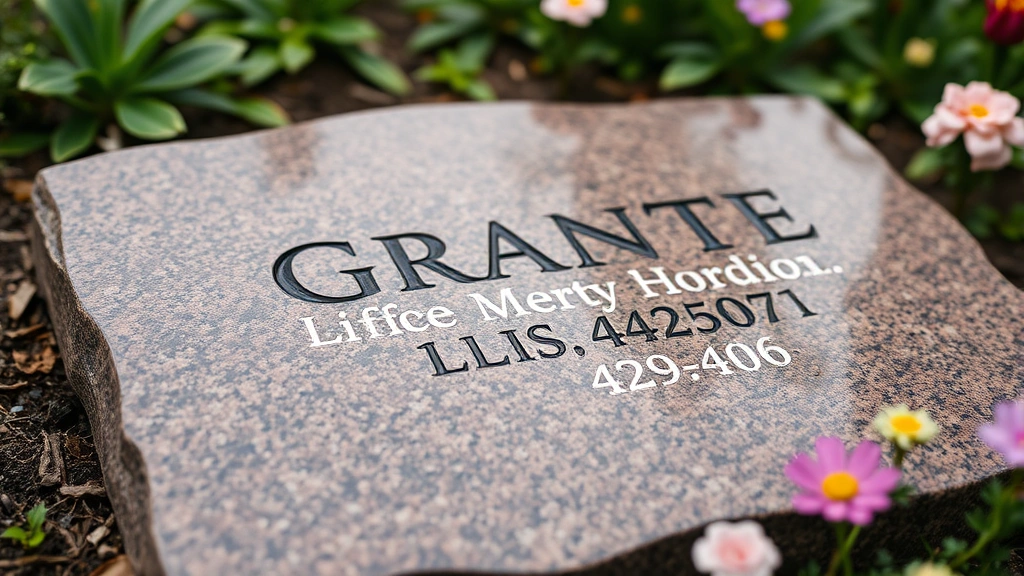
Granite stands as one of the most popular choices for memorial stones. This igneous rock is composed of quartz, feldspar, and mica, creating a naturally speckled appearance that ranges from light gray to deep black. Granite’s exceptional hardness makes it highly resistant to weathering, erosion, and discoloration. The stone can withstand decades of exposure to rain, frost, and UV rays without significant degradation. Its polished surface provides an elegant backdrop for inscriptions, and the dense structure prevents water penetration that could cause cracking.
Marble offers a classic, sophisticated appearance with its white or light-colored surface and natural veining. However, marble is softer than granite and more susceptible to acid rain, which can etch the surface over time. If you choose marble, plan for more frequent maintenance and consider protective sealants. Marble works beautifully in protected locations or covered memorial gardens.
Limestone provides an affordable alternative with warm, natural tones. This sedimentary rock develops character as it ages, weathering gracefully over time. However, limestone is porous and softer than granite, making it vulnerable to erosion, particularly in areas with acidic rainfall. Limestone suits memorial gardens in dry climates or locations with natural protection from the elements.
Slate brings a rustic, natural aesthetic with its layered appearance and muted color palette. Slate splits naturally along grain lines, creating unique textures. While beautiful, slate is relatively soft and prone to flaking in freeze-thaw cycles. It works best in moderate climates and protected locations within your memorial garden.
Sandstone offers warm earth tones and a naturally textured surface. Like limestone, sandstone is porous and softer, requiring careful placement and regular maintenance. It suits memorial gardens in arid regions where moisture exposure is minimal.
Consider pairing your memorial stone with complementary garden features. You might incorporate elevated garden beds to frame the memorial area or create an organized, aesthetically pleasing display around your chosen stone.
Durability and Weather Resistance
Memorial stones endure decades of environmental exposure, making durability assessment critical. The stone you select must withstand freeze-thaw cycles, moisture penetration, UV radiation, and chemical weathering from rain and atmospheric pollutants.
Freeze-Thaw Cycles: In climates experiencing winter freezes, water penetration becomes a serious concern. Water absorbed into porous stones expands when frozen, creating internal stress that leads to cracking and spalling. Granite’s density minimizes water absorption, making it superior in these conditions. Test the stone’s porosity by observing how quickly water beads up on the surface—dense stones are better performers.
Acid Rain and Chemical Weathering: Acidic precipitation dissolves carbonate minerals in limestone, marble, and sandstone, gradually eroding the stone’s surface. Granite and slate resist acid rain effectively due to their mineral composition. If you live in an area with documented acid rain issues, granite becomes the clear choice for long-term preservation.
UV Radiation: Extended sun exposure can fade inscriptions and alter stone color. Darker stones absorb more heat and may develop thermal stress. Light-colored stones reflect more radiation but may show discoloration more readily. The location within your memorial garden—whether in full sun or partial shade—influences which materials will maintain their appearance longest.
Ground Moisture: Stones placed directly on damp soil absorb moisture from below, leading to deterioration. Consider installing a gravel or sand base beneath memorial stones to improve drainage and reduce ground contact. This simple step significantly extends stone longevity.
Inscription Options and Personalization
The inscription transforms a stone into a personal memorial. Understanding inscription methods, font options, and design possibilities ensures your stone captures the essence of the person you’re honoring.
Engraving Methods: Sand blasting creates deep, crisp letters by propelling sand at high pressure against the stone surface. This method works excellently on granite and produces highly legible, lasting inscriptions. Chemical etching uses acid to create surface depressions, offering a subtle appearance but less durability than sand blasting. Laser engraving provides precise detail and works on various stone types, though it may create less depth than traditional methods.
Font Selection: Choose fonts that balance aesthetics with legibility. Serif fonts (like Times New Roman) convey tradition and formality, while sans-serif fonts (like Arial) offer modern, clean appearance. Avoid overly decorative fonts that may be difficult to read from a distance. Test font choices by viewing samples from your stone supplier before committing to your design.
Inscription Content: Traditional inscriptions include the person’s name, birth and death dates, and a short phrase or epitaph. Some families add favorite quotes, religious symbols, or references to the person’s passions and interests. Consider the space available on your chosen stone shape and size when planning inscription length.
Design Elements: Many memorial stones incorporate decorative elements alongside text. Floral motifs, religious symbols, hobby-related imagery, or silhouettes personalize the stone. Discuss design options with your stone supplier, as some elements work better on certain stone types and with specific engraving methods.
Multilingual Inscriptions: If honoring someone from a different cultural background, consider bilingual inscriptions that honor their heritage. Many stone suppliers have experience with various alphabets and writing systems.
Design Styles and Shapes
Memorial stones come in numerous shapes and styles, each conveying different moods and fitting distinct garden aesthetics.
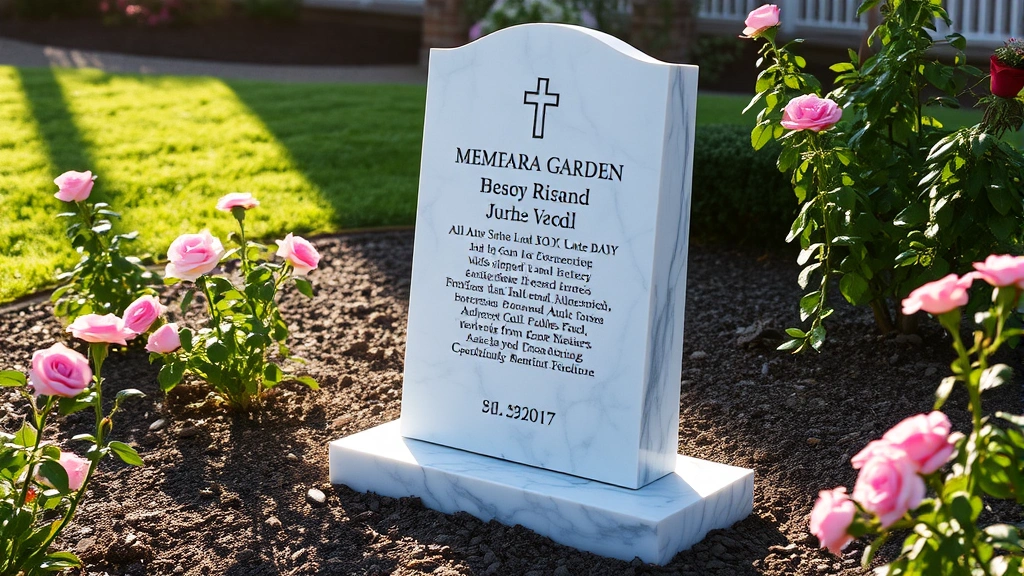
Traditional Upright Stones: Rectangular or pointed stones that stand vertically create classic, formal memorials. These traditional designs suit formal gardens and cemetery-style memorial spaces. They command visual attention and make inscriptions highly visible from a distance.
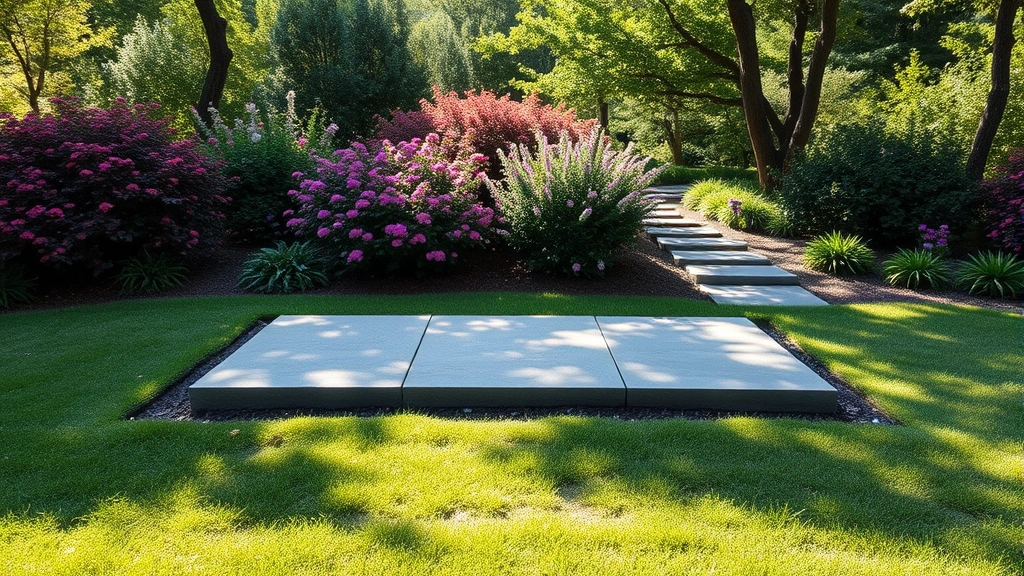
Flat Lying Stones: Horizontal stones flush with or slightly above ground level create understated, peaceful memorials. These work beautifully in natural garden settings and allow flowers and plantings to surround the stone naturally. They’re safer in high-traffic areas and create less visual obstruction.
Bench Memorials: Stone benches serve dual purposes—honoring a loved one while providing seating for reflection. These substantial stones create focal points within memorial gardens and encourage visitors to pause and remember.
Boulder and Natural Stones: Unpolished boulders with simple plaques create naturalistic memorials that blend seamlessly into garden landscapes. These work exceptionally well if you’re growing native plants or creating fairy garden style spaces with natural aesthetics.
Custom Shapes: Some suppliers offer custom stone shapes reflecting a person’s interests—musical instruments for musicians, tools for craftspeople, or hobby-specific silhouettes. Custom shapes cost more but create truly unique memorials.
Placement and Garden Integration
Strategic placement transforms a memorial stone from a standalone object into an integrated garden feature that honors while enhancing your outdoor space.
Location Selection: Choose a spot that receives appropriate light for readability without excessive heat exposure. Partial shade protects the stone from UV damage while maintaining legibility. Avoid areas prone to water pooling or erosion. Consider visibility—place stones where family and visitors naturally walk and pause.
Surrounding Plantings: Create a dedicated memorial garden bed around your stone. Incorporate perennial plants that bloom at significant times of year, flowering shrubs that provide year-round interest, or easy to grow vegetables for beginners if the person enjoyed gardening. Select plants requiring minimal maintenance so the garden remains beautiful without becoming burdensome.
Hardscaping Elements: Create a defined memorial space using gravel, mulch, or stepping stones. A circular or rectangular bed around the stone provides visual definition and makes maintenance easier. Consider adding a small water feature, bird feeder, or decorative elements that reflect the person’s interests.
Pathways: If creating a larger memorial garden, establish pathways leading to the stone. This encourages visitors to explore the space and creates a journey of remembrance.
Seasonal Considerations: Plan plantings that provide interest throughout the year. Spring bulbs, summer bloomers, fall foliage plants, and winter evergreens ensure the memorial garden remains visually appealing in every season. This ongoing beauty honors the person’s memory continuously.
Budget Considerations
Memorial stone costs vary dramatically based on material, size, complexity, and customization. Understanding pricing helps you make informed decisions within your budget.
Material Costs: Granite typically ranges from $500-$3,000 for a standard memorial stone, with premium grades and larger sizes commanding higher prices. Marble costs similarly but requires more maintenance. Limestone and sandstone offer more affordable options ($300-$1,500) but need more frequent care. Slate falls in the mid-range ($400-$2,000).
Customization Costs: Complex inscriptions, custom shapes, and detailed engraving increase prices. Simple text inscriptions add $100-$300, while custom designs may add $500-$2,000. Discuss your budget with suppliers—they can often suggest cost-effective designs that achieve your vision.
Installation Costs: Professional installation ensures proper placement and longevity. Installation typically costs $200-$800 depending on stone weight and site conditions. Some suppliers include installation in their pricing.
Long-term Maintenance Costs: While granite requires minimal maintenance, softer stones need periodic sealing and cleaning ($100-$300 annually). Factor ongoing care into your total investment when selecting materials.
Planting and Garden Development: Budget for surrounding plantings and hardscaping. A modest memorial garden bed with perennials costs $300-$800 initially, with minimal ongoing maintenance if designed well.
Maintenance and Care
Proper maintenance preserves your memorial stone’s appearance and ensures it remains a beautiful tribute for generations.
Regular Cleaning: Clean stones annually using soft brushes and mild soap solutions. Avoid harsh chemicals or pressure washing, which can damage engravings and soften stone surfaces. For granite, simple water and mild detergent suffice. Marble and softer stones need gentler treatment.
Sealing: Porous stones benefit from periodic sealing to prevent staining and water penetration. Granite may be sealed every 2-3 years, while limestone and sandstone need more frequent sealing. Discuss sealing schedules with your stone supplier based on your specific stone type and climate.
Lichen and Moss Removal: In damp climates, lichen and moss may grow on stones. Remove these gently with soft brushes and appropriate cleaning solutions. Avoid aggressive scrubbing that damages the stone or inscription.
Surrounding Garden Maintenance: Keep plantings around your memorial stone healthy and well-maintained. Remove dead plant material, manage weeds, and refresh mulch as needed. A well-maintained garden honors the memory far better than a neglected space.
Weather Monitoring: After severe weather, inspect stones for new cracks or damage. Address damage promptly to prevent deterioration. In northern climates, monitor freeze-thaw cycles and ensure proper drainage around the stone.
Professional Restoration: If stones show significant weathering or damage, consult professional restoration specialists. They can repair cracks, re-engrave faded inscriptions, and restore the stone’s original beauty.
FAQ
What’s the best stone material for outdoor memorial gardens?
Granite is generally the best choice for outdoor memorials due to its exceptional durability, resistance to weathering, and minimal maintenance requirements. It withstands freeze-thaw cycles, acid rain, and UV exposure better than other materials. However, your climate and specific location within your memorial garden may make other materials suitable. Consult with local stone suppliers familiar with your region’s weather patterns.
How long do memorial stones typically last?
Granite memorial stones can last 100+ years with proper placement and minimal maintenance. Marble, limestone, and sandstone typically last 30-50 years outdoors before showing significant weathering, though they can last longer in protected locations. Proper installation, adequate drainage, and regular maintenance significantly extend any stone’s lifespan.
Can memorial stones be personalized with photos?
Yes, many modern stone suppliers offer photo engraving using laser technology or ceramic photo plaques mounted on stones. Quality photo engraving creates lasting, detailed images that can be read from a distance. Discuss photo engraving options with suppliers—some stones work better for this technique than others.
Should memorial stones be placed in sun or shade?
Partial shade is ideal for memorial stones. Full sun exposure can fade inscriptions over time and cause thermal stress in dark stones, while complete shade may encourage lichen growth in damp climates. A location receiving morning sun and afternoon shade provides good balance, protecting the stone while maintaining inscription legibility.
What plants work best around memorial stones?
Low-maintenance perennials, flowering shrubs, and groundcovers work beautifully. Consider plants blooming at meaningful times—spring bulbs for renewal, roses for love, or native plants reflecting the person’s interests. Avoid aggressive spreading plants that may damage the stone’s base. If the person enjoyed gardening, you might plant how to grow cucumbers in pots or their favorite vegetables in adjacent areas.
How much does a typical memorial stone cost?
Basic granite memorial stones cost $500-$1,500, while premium grades or larger stones may reach $3,000+. Marble costs similarly, while limestone and sandstone offer more affordable options ($300-$1,500). Custom designs, complex inscriptions, and installation add to the base price. Discuss your budget with suppliers to find options meeting your financial parameters.
Can memorial stones be moved or relocated?
Yes, stones can be moved, though this requires professional help due to their weight and the need to preserve inscriptions and prevent damage. Moving costs typically range $300-$1,000 depending on distance and stone size. Plan stone placement carefully to minimize the need for relocation, but know that moves are possible if circumstances change.
What’s the difference between cemetery stones and garden stones?
Garden memorial stones typically feature more decorative designs and varied shapes suited to landscape integration. Cemetery stones follow specific size and design regulations. Garden stones offer greater personalization freedom and aesthetic flexibility, allowing them to blend naturally into residential landscapes while maintaining their commemorative purpose.


