How to Garden by Lake Garda? Local Expert Tips
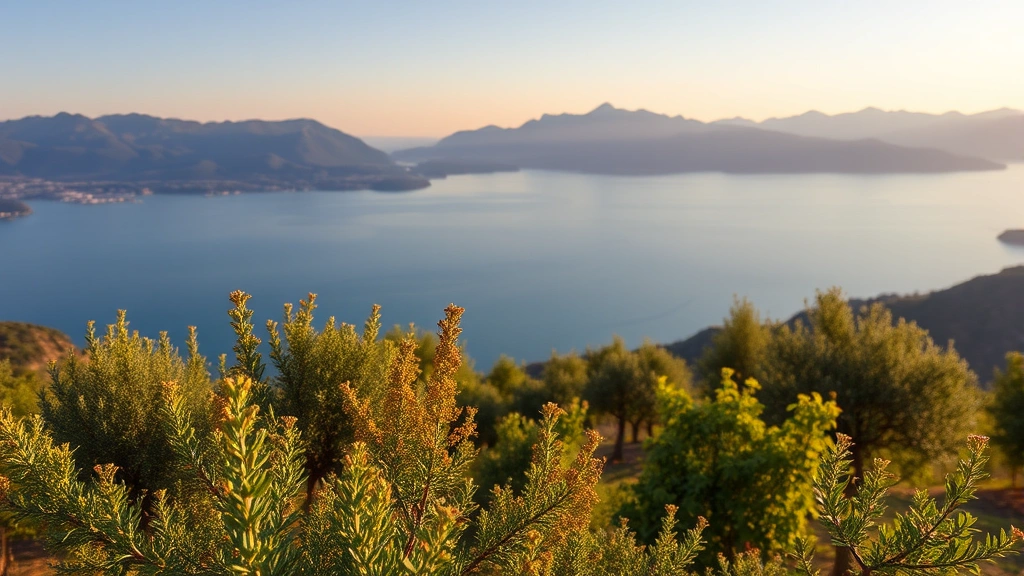
Lake Garda, Europe’s largest lake nestled between Lombardy, Veneto, and Trentino in northern Italy, offers gardeners a unique Mediterranean microclimate with distinct advantages and challenges. The lake’s thermal mass moderates temperatures year-round, creating a sweet spot for cultivating plants that thrive in warm, sheltered conditions. However, this picturesque setting demands specific knowledge about local soil composition, water management, and seasonal timing to ensure gardening success along its pristine shores.
Whether you’re a permanent resident or maintaining a seasonal villa garden, understanding Lake Garda’s horticultural peculiarities will transform your outdoor space into a flourishing oasis. The region’s famous lemon terraces and olive groves have thrived for centuries, proving that with proper techniques, this location is exceptionally rewarding for passionate gardeners. This comprehensive guide shares local expert insights to help you maximize your gardening potential in this stunning Italian landscape.
Understanding Lake Garda’s Unique Climate
Lake Garda’s climate classification falls between Mediterranean and subtropical, influenced significantly by the lake’s massive water body. The lake acts as a thermal regulator, absorbing heat during summer months and releasing it gradually through autumn and winter. This phenomenon keeps the shoreline considerably warmer than inland areas at similar latitudes—often 3-5°C warmer during winter months. Temperatures rarely dip below -5°C along the southern shores, while northern regions experience slightly more severe winters.
The region receives approximately 800-1000mm of annual rainfall, with significant precipitation concentrated in spring (April-May) and autumn (September-October). Summer months are relatively dry, requiring gardeners to implement strategic irrigation systems to maintain plant health. Wind patterns deserve particular attention: the Sarca wind blows from the north during winter, while the Ora wind brings afternoon breezes from the south during summer. These consistent wind patterns influence plant selection and placement significantly.
Local gardening experts from the Garda region emphasize that understanding these microclimatic variations is fundamental. The lake creates distinct zones: the immediate shoreline experiences the most temperate conditions, while hillside properties face cooler temperatures and stronger winds. Properties on the eastern shore receive more direct afternoon sun, while western locations benefit from afternoon shade during hot summer months.
Soil Preparation and Amendment Strategies
Lake Garda’s soils vary considerably depending on location and elevation. The southern regions feature more calcareous soils with higher pH levels (7.5-8.5), reflecting limestone geology. Northern and eastern areas contain more acidic soils with better organic matter content. Before beginning any planting project, conduct a comprehensive soil test through local agricultural extension services to determine pH, nutrient content, and texture composition.
The process of preparing garden soil for thriving gardens requires special attention in this region. Many Lake Garda soils are relatively shallow, particularly on hillside locations, with limestone bedrock appearing just 30-60cm below the surface. Gardeners must incorporate substantial organic amendments to improve water retention and nutrient availability. Work 7-10cm of well-composted organic matter into the top 25-30cm of soil before planting.
For alkaline soils common in southern lake areas, sulfur amendments can gradually lower pH over multiple seasons. However, many Mediterranean plants actually prefer higher pH levels, so rather than fighting your soil chemistry, consider selecting plants naturally adapted to your specific soil type. Aged compost, peat moss alternatives, and leaf mold significantly improve soil structure and microbial activity. Local gardeners recommend sourcing composted materials locally when possible, as materials adapted to regional conditions integrate more effectively.
Rock mulches prove particularly valuable around Lake Garda, as they warm the soil during cool seasons and provide thermal mass that moderates temperature fluctuations. However, maintain 5-7cm clearance from plant stems to prevent moisture-related diseases. Organic mulches like wood chips decompose relatively quickly in the region’s humid conditions and require annual replenishment.
Water Management and Irrigation
While Lake Garda provides abundant water, accessing and managing it for garden use requires careful planning. Most properties rely on municipal water systems or private wells, making efficient irrigation essential for both economic and environmental reasons. Installing a proper irrigation system transforms gardening success and reduces water consumption by 30-40% compared to hand watering.
Drip irrigation systems perform exceptionally well in Lake Garda gardens, delivering water directly to plant root zones while minimizing evaporative losses. During the dry summer months (July-August), most plants require supplemental watering every 2-3 days. Spring and autumn typically provide adequate natural rainfall, though monitoring soil moisture remains important. The region’s humidity levels, ranging from 65-80% annually, reduce overall water requirements compared to drier Mediterranean locations.
Timing irrigation applications for early morning hours (5:00-8:00 AM) prevents fungal diseases exacerbated by overnight leaf wetness. Evening watering, while sometimes convenient, encourages powdery mildew and other moisture-related pathogens common in the region’s humid microclimate. Afternoon watering proves least efficient due to higher evaporation rates and afternoon wind patterns.
Rainwater harvesting systems capture the region’s significant spring and autumn precipitation for summer use. Installing 1000-2000 liter collection tanks connected to roof gutters provides substantial water reserves without municipal dependence. This approach proves particularly valuable during the occasional dry springs that occur every 7-10 years.
Best Plants for Lake Garda Gardens
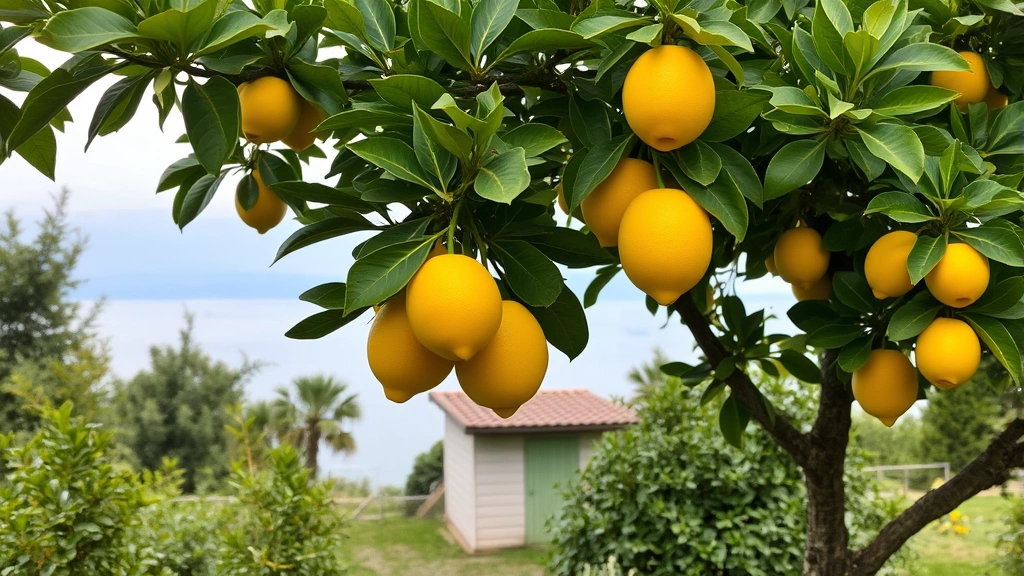
The region’s climate supports an impressive range of Mediterranean and subtropical plants. Citrus cultivation represents the historical foundation of Lake Garda horticulture—lemons, oranges, and grapefruits thrive in the temperate microclimate. While large-scale lemon terraces have declined, home gardeners successfully maintain productive citrus trees in protected locations. Select cold-hardy varieties like Limone di Garda IGP (Protected Designation of Origin) lemons, which have survived the region’s occasional severe winters for centuries.
Olive trees form another cornerstone of local gardening tradition. Ancient specimens with massive trunks dot the landscape, producing excellent oil in good years. Young olive trees require 3-5 years before significant production, but their longevity and aesthetic appeal justify the investment. Choose varieties suited to the northern climate like Frantoio or Leccino rather than purely southern cultivars.
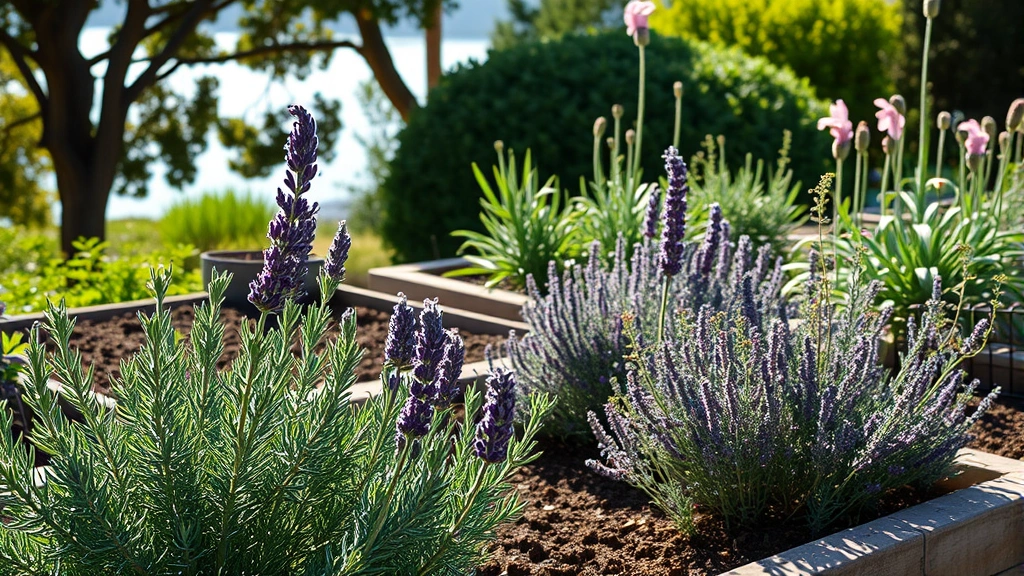
Mediterranean herbs flourish throughout the region. Growing an herb garden featuring rosemary, lavender, oregano, thyme, and sage provides culinary rewards while requiring minimal maintenance once established. These plants prefer well-drained soils and full sun exposure, thriving with minimal supplemental watering after establishment.
Deciduous fruit trees including apples, pears, cherries, and plums perform well in higher elevation properties where winter chilling requirements are satisfied. Lower elevation gardens may struggle with insufficient winter cold for proper dormancy. Stone fruits like apricots and peaches thrive in protected, south-facing locations near the shoreline.
Ornamental plants suited to the region include bougainvillea (in protected locations), agapanthus, pittosporum, photinia, and various palm species. Hydrangeas perform exceptionally well, particularly in northern and eastern locations with afternoon shade. The region’s humidity and moderate temperatures create ideal conditions for these shade-tolerant bloomers.
Seasonal Gardening Calendar
January-February: Winter pruning of fruit trees and ornamental plants occurs during dormancy. Remove dead wood, crossing branches, and diseased material. Plant bare-root trees and shrubs while dormant. Monitor for frost damage and provide protection to tender plants during occasional severe cold snaps. This period offers excellent opportunity for major garden structures like garden arches and trellises.
March-April: Spring awakening brings active growth and planting season. Sow cool-season vegetables including lettuce, spinach, peas, and broccoli. Transplant seedlings started indoors. Apply balanced fertilizers to support new growth. Watch for early pest activity, particularly aphids and spider mites. Spring rains provide abundant natural watering, but monitor soil moisture in sheltered locations.
May-June: Warm weather encourages vigorous growth and flowering. Plant tender annuals and warm-season vegetables after the last frost (typically mid-May in southern areas, early June in northern zones). Establish consistent watering routines as temperatures increase. Deadhead spent flowers to encourage continued blooming. Begin monitoring for fungal diseases in humid conditions.
July-August: Summer heat and dry conditions dominate. Water deeply and frequently, focusing on new plantings and container plants. Afternoon shade cloth protects sensitive plants from excessive sun exposure. Harvest vegetables and herbs regularly. Reduce nitrogen fertilization to prevent excessive soft growth vulnerable to pests. This period challenges gardeners with heat stress and water demands.
September-October: Autumn brings cooler temperatures and increased rainfall. Plant cool-season vegetables including peas and other cool-season crops. Prepare gardens for winter by removing summer annuals and adding compost. Prune summer-flowering shrubs after bloom. Begin reducing irrigation frequency as natural precipitation increases.
November-December: Final preparations for winter include heavy mulching of tender plants and frost-sensitive specimens. Harvest remaining fruits and vegetables. Plant spring-flowering bulbs for early-season color. Protect newly planted trees and shrubs with burlap wrapping during harsh wind events. Plan next season’s garden layout during quieter winter months.
Mediterranean Herb Cultivation
An herb garden represents the quintessential Lake Garda garden feature, providing culinary, medicinal, and ornamental value. Mediterranean herbs evolved in low-nutrient, well-drained soils, making them remarkably self-sufficient once established. However, initial establishment requires attention to drainage and sunlight.
Rosemary thrives in full sun and exceptionally well-drained soil. Plant in raised beds or on slopes where water drains rapidly. Avoid heavy clay locations where winter moisture causes root rot. Harvest regularly to maintain compact growth and promote productivity. Annual pruning after flowering maintains shape and vigor.
Lavender similarly demands excellent drainage and full sun exposure. The region’s humidity occasionally challenges lavender cultivation, particularly in sheltered, low-lying areas. Improve drainage by incorporating coarse sand and gravel into planting holes. Reduce watering significantly during dormant winter months. The plant’s aromatic flowers provide cutting material and dried flower crafts.
Oregano and thyme spread readily and require minimal maintenance. These creeping herbs work excellently as ground covers on hillside gardens where foot traffic is minimal. Shear back annually in spring to prevent woody growth and promote fresh foliage production. Both species tolerate poor soils and irregular watering once established.
Sage varieties including common sage, purple sage, and tricolor sage flourish throughout the region. These long-lived perennials provide year-round foliage and attractive flowers. Prune heavily after flowering to prevent excessive woody growth. Replace plants every 5-7 years as they naturally decline with age.
Basil, while technically an annual in Lake Garda’s climate, grows vigorously during warm months. Start seeds or transplants after all frost danger passes (mid-May). Pinch growing tips regularly to encourage bushy growth and delay flowering. Harvest abundantly throughout summer for fresh use and preservation. The plant typically declines with autumn’s cooler temperatures.
Pest and Disease Management
Lake Garda’s humid microclimate creates ideal conditions for various plant diseases, particularly fungal pathogens. Powdery mildew affects roses, hydrangeas, and various ornamental plants, especially in sheltered locations with poor air circulation. Improve airflow through strategic pruning and spacing. Apply sulfur-based fungicides during early infection stages, or use neem oil for organic management.
Downy mildew and gray mold (Botrytis) thrive in the region’s humid conditions. Avoid overhead watering and water only in early morning hours. Remove infected foliage promptly and improve air circulation. Ensure adequate spacing between plants to promote drying after rain or watering.
Common insect pests include spider mites, aphids, and scale insects. Spider mites proliferate during hot, dry periods despite the region’s overall humidity. Monitor leaf undersides for fine webbing and yellowing. Strong water spray dislodges mites, while horticultural oils provide control for significant infestations. Avoid excessive nitrogen fertilization, which promotes tender growth attractive to spider mites.
Olive fly and Mediterranean fruit fly occasionally affect citrus and olive crops. Monitor fruit development closely and remove fallen fruit promptly. Yellow sticky traps help monitor fly populations. Organic spinosad-based products provide effective control without persistent chemical residues.
Integrated pest management principles work exceptionally well around Lake Garda. Encourage natural predators by planting native flowering plants, maintaining water sources, and avoiding broad-spectrum pesticides. Many beneficial insects including ladybugs, lacewings, and parasitic wasps control pest populations naturally when habitat conditions support their populations.
Building or purchasing barn garden sheds provides essential storage for tools, supplies, and equipment while creating a functional garden workspace. The region’s rainfall and humidity necessitate proper ventilation in storage structures to prevent tool rust and equipment deterioration. Positioning sheds on elevated, well-drained sites protects from moisture accumulation.
Design Considerations for Lake Garda Properties
Garden design around Lake Garda benefits from incorporating terracing on sloped properties. Traditional stone terraces prevent erosion, create level planting areas, and provide visual interest. Modern terracing can employ railway sleepers, composite materials, or stone walls depending on aesthetic preferences and budget considerations. Terraced designs naturally improve drainage while creating microclimatic variations suitable for diverse plant selections.
Wind exposure significantly influences plant selection and garden layout. Northern and exposed properties require windbreaks using hardy shrubs like photinia, pittosporum, or native screening plants. Establishing windbreaks takes 2-3 years to provide meaningful protection, so plan accordingly. Conversely, south-facing, sheltered locations can support tender specimens like bougainvillea and tender citrus varieties.
Water features including small fountains, birdbaths, or reflecting pools enhance gardens while creating humidity microclimates. These features attract beneficial insects and birds while providing visual interest and soothing water sounds. Position water features in shaded areas to minimize algae growth and evaporative losses.
Shade structures prove valuable in lower elevation gardens with intense summer sun. Pergolas supporting climbing plants create dappled shade while maintaining air circulation. Canvas shade cloths provide temporary protection during heat waves. Positioning shade structures on western exposures provides afternoon relief during the hottest months.
Resources and Local Expertise
Connecting with local gardening communities provides invaluable knowledge specific to Lake Garda’s unique conditions. The Agraria organization in Brescia offers regional horticultural expertise and extension services. Local horticultural societies organize seasonal meetings and garden tours showcasing successful Lake Garda gardens.
The Orto Flora botanical garden near Lake Garda displays Mediterranean plants suited to the region’s climate and provides educational programs. Visiting established gardens provides inspiration and practical insights. Many local nurseries specialize in regionally appropriate plants and provide personalized recommendations based on specific property conditions.
CREA (Council for Agricultural Research and Economics) maintains detailed databases of plant varieties suited to northern Italian growing conditions. Master gardener programs operating through regional agricultural extension offices provide certified training and ongoing support for home gardeners seeking advanced knowledge.
FAQ
What’s the best time to plant trees around Lake Garda?
Late autumn (November-December) and early spring (February-March) represent optimal planting windows when trees are dormant or entering active growth. Winter planting allows root establishment before spring growth demands. Spring planting suits tender species requiring protection during harsh winters. Avoid summer planting when heat stress challenges establishment.
Can I grow citrus successfully in my Lake Garda garden?
Absolutely. Citrus thrives throughout Lake Garda’s region, particularly in protected, south-facing locations near the shoreline. Cold-hardy varieties like Limone di Garda lemons, oranges, and grapefruits survive the region’s occasional severe winters. Young trees require winter protection during their first 3-5 years. Mature trees develop impressive cold tolerance and productivity.
How often should I water my garden during summer?
Most established plants require deep watering every 2-3 days during July-August’s dry season. New plantings need more frequent watering, potentially daily during hot periods. Container plants require daily watering or even twice-daily watering during heat waves. Morning watering proves most efficient, as afternoon watering loses significant water to evaporation.
Which herbs thrive with minimal care around Lake Garda?
Rosemary, lavender, oregano, thyme, and sage require minimal supplemental watering once established and thrive in poor soils. These Mediterranean herbs evolved in the region’s climate and require only occasional pruning and harvesting. Avoid overwatering and heavy fertilization, which promote disease susceptibility.
How do I prevent powdery mildew in my garden?
Improve air circulation through strategic pruning and adequate plant spacing. Water only in early morning hours and avoid wetting foliage. Apply sulfur-based fungicides at first disease signs. Remove heavily infected foliage and dispose of it away from garden areas. Select disease-resistant plant varieties when available.
What’s the ideal soil pH for Lake Garda gardens?
Most Lake Garda soils naturally range from pH 7.0-8.5, with southern areas trending toward higher alkalinity. Rather than fighting natural soil chemistry, select plants adapted to your specific pH. Mediterranean plants, citrus, and olives actually prefer slightly alkaline conditions. Conduct soil testing through local extension services to determine your specific soil pH.


