Jam Garden Design Ideas: Expert Insights Inside
Creating a dedicated jam garden transforms your outdoor space into a productive paradise of berry bushes, stone fruits, and culinary herbs. Whether you’re a seasoned preservationist or a beginner exploring homemade jam production, designing a garden specifically for jam-making ingredients requires thoughtful planning, proper spacing, and knowledge of which plants thrive together. A well-designed jam garden combines aesthetics with functionality, providing abundant harvests while maintaining visual appeal throughout the seasons.
A jam garden isn’t simply a random collection of berry plants. It’s a carefully orchestrated ecosystem where fruit-bearing shrubs, supporting perennials, and complementary herbs work in harmony. The best jam gardens blend productivity with beauty, offering fragrant blooms in spring, lush foliage in summer, and generous harvests in late summer through fall. This comprehensive guide explores expert-backed design strategies, plant selection criteria, layout techniques, and maintenance practices that will help you cultivate the perfect jam garden.
Understanding Your Jam Garden Foundation
Before planting a single seedling, successful jam gardeners assess their climate zone, available sunlight, and soil conditions. Most jam fruits prefer full sun—at least six to eight hours daily—which maximizes sugar content and flavor intensity. The foundation of any productive jam garden begins with understanding your USDA hardiness zone and local growing season length.
Consider your garden’s microclimate carefully. South-facing slopes warm faster in spring, benefiting early bloomers like strawberries and asparagus. North-facing areas provide afternoon shade, which helps preserve delicate berry quality during hot summers. Evaluate drainage patterns after heavy rain; jam fruits like blackberries and raspberries tolerate moisture better than stone fruits, which demand excellent drainage to prevent root rot.
Visit your local Botanica Garden Center to assess available varieties suited to your region. Local nurseries often stock cultivars proven to perform in your specific climate, increasing your success rate significantly. Speak with experienced staff about which jam fruits produce the heaviest yields in your area and which varieties cross-pollinate effectively for better fruit set.
Essential Plants for Jam Production
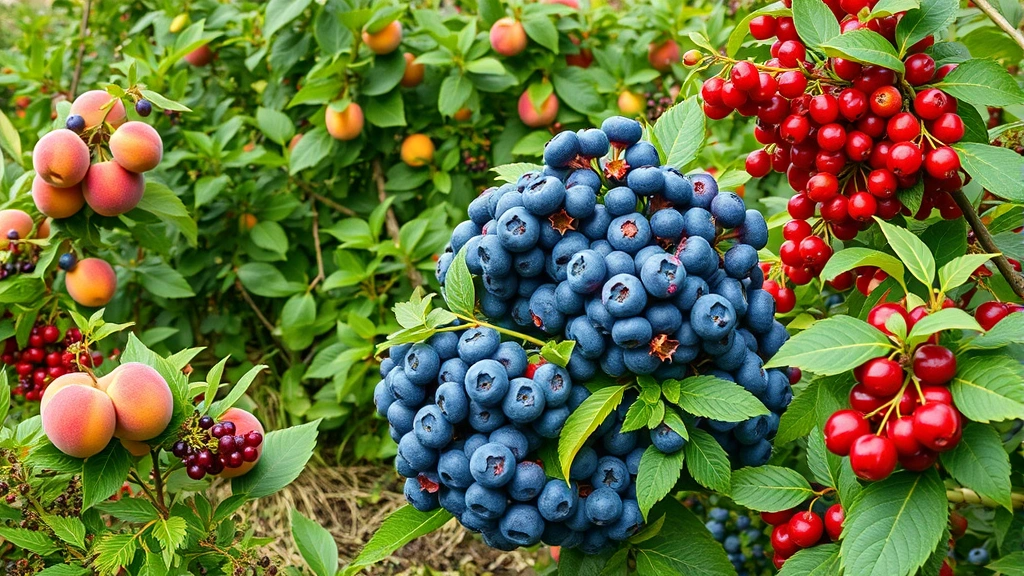
The backbone of any jam garden consists of high-pectin fruits that gel naturally and develop complex flavors. Strawberries, raspberries, blackberries, and blueberries form the classic berry foundation, while stone fruits like apricots, plums, and peaches add depth and sophistication to preserves.
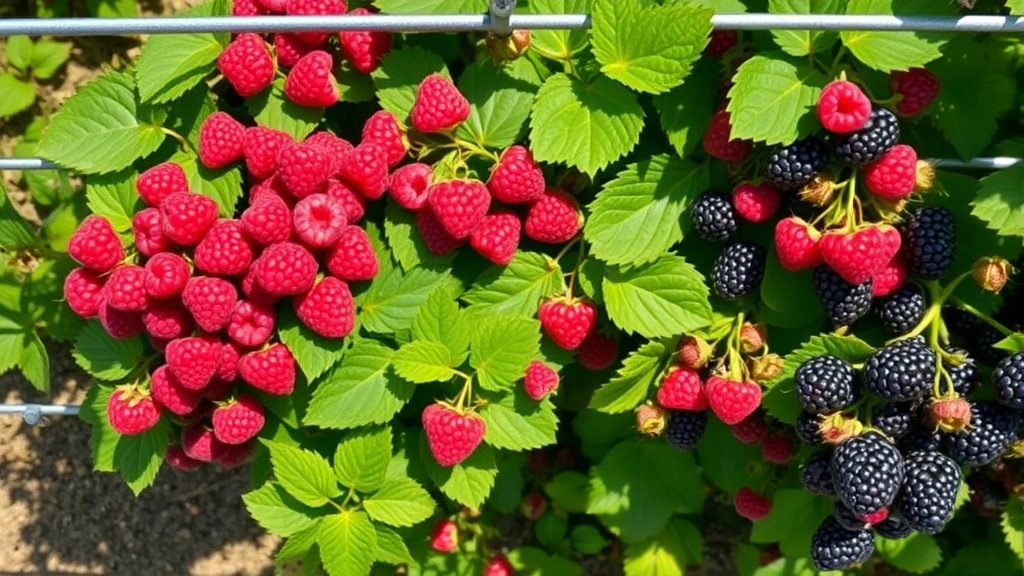
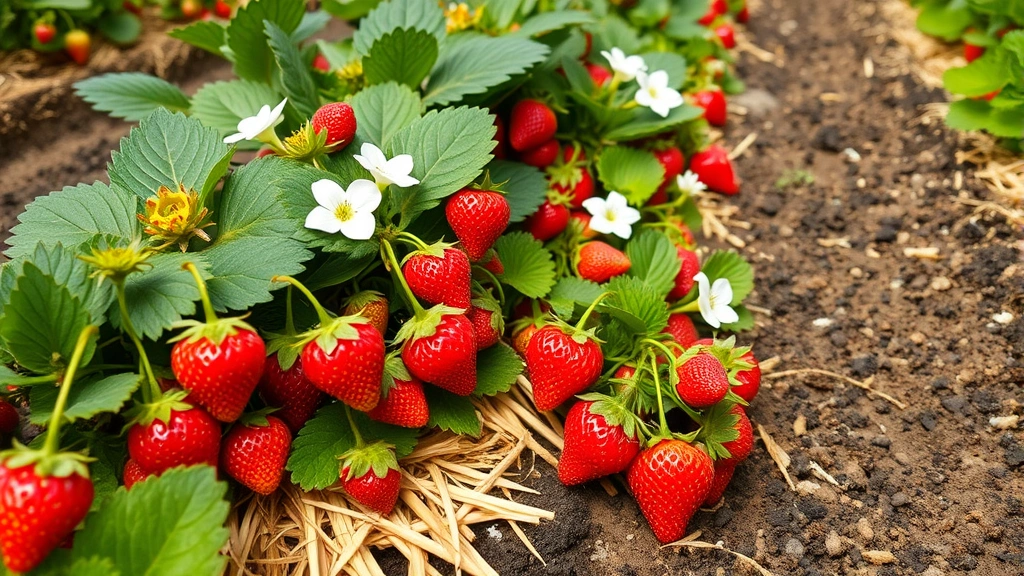
Berry Bushes and Canes: Raspberries and blackberries are prolific producers, often yielding five to ten pounds per mature plant annually. These vigorous canes require sturdy support systems and regular pruning to maintain productivity. Blueberries demand acidic soil (pH 4.5-5.5) and perform beautifully in containers or dedicated beds amended with sulfur. Strawberries offer spring beauty combined with early-season harvests; everbearing varieties produce through fall.
Stone Fruits: Apricot, plum, and peach trees contribute natural pectin and distinctive flavors to jam recipes. Most require cross-pollination, so plant at least two compatible varieties within fifty feet of each other. These trees mature slowly—expect significant production after three to five years—but reward patience with decades of harvests.
Currants and Gooseberries: Often overlooked, red currants and gooseberries are pectin powerhouses, naturally high in acids that promote gel formation. They tolerate partial shade better than berries, making them valuable for less-than-ideal locations. These compact shrubs produce reliably with minimal fuss.
Incorporate culinary herbs that enhance jam flavors: mint, lemon balm, lavender, and thyme add complexity and aroma. Growing these alongside fruit plants creates a sensory garden that delights throughout the season. Consider visiting your regional herb garden sage resources for specialized growing techniques.
Design Layout and Spacing Strategies
Successful jam garden design balances density with accessibility. Crowded plantings reduce air circulation, promoting fungal diseases, while excessive spacing wastes valuable garden real estate. Professional jam gardeners typically organize plantings by fruit type and maturation schedule.
Vertical Layering: Design your jam garden using three distinct height zones. Tall elements—fruit trees and sturdy trellises supporting brambles—form the canopy layer at eight to fifteen feet. Mid-story shrubs like currants, gooseberries, and standard blueberries occupy four to six feet. Ground-level strawberries, herbs, and perennials create the understory, maximizing productivity in limited space.
Spacing Guidelines: Strawberries need twelve to eighteen inches between plants. Raspberry and blackberry canes require four to six feet between rows with plants spaced three feet apart within rows. Blueberry bushes need four to six feet of space to mature fully. Fruit trees demand twenty to thirty feet between specimens, depending on rootstock vigor. When space is limited, consider dwarf rootstocks and intensive training systems like espaliers.
Access Pathways: Design wide enough paths—at least three feet—to accommodate harvest baskets and future pruning. Mulched pathways reduce weeds while providing comfortable footing during berry-picking season. Consider installing a small potting bench or workspace where you can clean and sort harvests immediately after picking, preserving fruit quality.
Soil Preparation and Amendments
Jam fruits demand well-draining, nutrient-rich soil. Most perform optimally in slightly acidic conditions (pH 6.0-6.8), though blueberries require significantly more acid (4.5-5.5). Testing your soil before planting prevents years of struggling with unsuitable conditions.
Order quality garden soil on sale from reputable suppliers, or amend existing soil thoroughly. Incorporate three to four inches of compost into the top eight to twelve inches of soil before planting. This improves drainage in clay soils while increasing water-holding capacity in sandy soils. Blueberry beds especially benefit from dedicated amendments: mix sulfur into soil six months before planting to lower pH, then add peat moss or composted pine needles to maintain acidity.
Apply two to three inches of organic mulch around plants annually. Straw, wood chips, and pine needles serve multiple purposes: they insulate roots, suppress weeds, moderate soil temperature, and gradually decompose into humus. Avoid mulching directly against plant stems, which invites rot and pest damage.
Consider soil fertility carefully. Jam fruits don’t require excessive nitrogen, which promotes leafy growth at the expense of fruit production. A balanced fertilizer applied in early spring, supplemented by compost additions annually, typically provides sufficient nutrients. Have soil tested every three years to monitor nutrient levels and pH, adjusting amendments accordingly.
Seasonal Planting and Harvesting Timeline
Strategic planning ensures continuous jam-making opportunities from early summer through fall. Early-season strawberries begin production in May or June, followed by raspberries in June and July. Mid-summer brings blueberries and currants, while late-summer and fall feature blackberries, stone fruits, and everbearing raspberries.
Spring Planting (March-May): Bare-root fruit plants ship during dormancy, arriving in early spring. Plant immediately upon arrival, keeping roots moist and protected from wind. Containerized plants can be planted throughout the growing season but establish more quickly when planted in spring. Install support structures—trellises, stakes, and training wires—before plants leaf out.
Early Summer Harvest (June-July): Strawberries peak in June; pick daily as berries ripen. Raspberries fruit heavily in July; pick every other day to prevent overripe berries from falling. Remove ripe berries gently, leaving the core attached to the plant. This is also the time to deadhead spent strawberry flowers and remove raspberry canes that fruited the previous year.
Mid to Late Summer (August-September): Blueberries ripen gradually; pick when fully dark for maximum sweetness. Blackberries follow, requiring careful hand-picking to avoid thorns. Stone fruits ripen in succession; apricots typically finish by August, while plums and peaches continue through September. Harvest stone fruits when they yield slightly to gentle pressure but remain firm enough to handle without bruising.
Fall Considerations (October-November): Everbearing raspberries and blackberries produce until frost. Prepare plants for dormancy by ceasing fertilization and reducing water as temperatures cool. Plant new bare-root plants in fall in mild climates; spring planting is preferable in cold regions where winter damage is a concern.
Companion Planting in Jam Gardens
Strategic companion planting enhances jam garden productivity while deterring pests naturally. Certain plant combinations support each other’s growth and attract beneficial insects that pollinate flowers and prey on pest species.
Beneficial Combinations: Plant borage near berry bushes; its nectar-rich flowers attract pollinators and parasitic wasps that control aphids. Nasturtiums act as trap crops for aphids, protecting adjacent plants. Marigolds repel spider mites and other pests while adding color. Garlic and chives planted throughout the garden deter Japanese beetles and other leaf-eating insects.
Incorporate nitrogen-fixing plants like clover in pathways and between plantings. As clover decomposes, it enriches soil with nitrogen, reducing supplemental fertilizer needs. Avoid planting members of the Brassica family (cabbage, broccoli) near raspberries, as they share similar pest challenges.
The pea growing guide offers excellent companion planting strategies applicable to jam gardens. Peas fix nitrogen while their vertical growth doesn’t shade berry plants excessively. Rotate peas through different sections annually to distribute nitrogen fixation benefits throughout the garden.
Consider aesthetic companion planting as well. Ornamental grasses, flowering perennials, and flowering shrubs interspersed among fruiting plants create visual interest while supporting pollinator populations. Lavender, catmint, and coneflowers bloom when berry production peaks, attracting bees and butterflies that improve fruit set.
Pest and Disease Management
Jam gardens attract both beneficial and problematic insects. Integrated pest management—combining cultural practices, biological controls, and targeted interventions—maintains garden health while preserving fruit quality.
Common Jam Garden Pests: Japanese beetles skeletonize foliage on stone fruits and brambles. Hand-pick early morning beetles into soapy water, or apply neem oil to affected plants. Spider mites thrive in hot, dry conditions; increase humidity through regular misting and ensure adequate water during droughts. Cane borers tunnel into raspberry and blackberry canes; prune affected canes below the damaged area and destroy them.
Disease Prevention: Fungal diseases like powdery mildew and gray mold thrive in humid, crowded conditions. Maintain proper spacing, prune selectively to improve air circulation, and avoid overhead watering late in the day. Remove and destroy infected plant material immediately. In severe cases, sulfur dust or fungicidal sprays labeled for food crops provide control.
Anthracnose affects raspberries and blackberries, causing purple spots on canes. Remove infected canes at ground level and destroy them. Sterilize pruning tools between cuts using a ten-percent bleach solution to prevent disease spread. Replant new canes in different locations within your garden to break disease cycles.
Encourage beneficial insects by avoiding broad-spectrum pesticides. Ladybugs, lacewings, parasitic wasps, and ground beetles consume enormous quantities of pests. Provide habitat through diverse plantings, water sources, and shelter. Many beneficial insects overwinter in leaf litter and dead wood; maintain a small pile of brush or leaves in a garden corner to encourage their residence.
Monitor plants regularly—weekly during growing season—catching pest and disease problems early when interventions are most effective. Early detection prevents minor issues from becoming major problems requiring intensive treatment.
Frequently Asked Questions
How much space do I need for a productive jam garden?
A modest jam garden producing ten to fifteen jars monthly requires approximately two hundred square feet. This accommodates several blueberry bushes, raspberry and blackberry canes, a few strawberry plants, and a small fruit tree. Larger operations producing fifty or more jars annually benefit from five hundred to one thousand square feet, allowing diverse plantings and proper spacing.
Can I grow jam fruits in containers?
Absolutely. Blueberries, currants, and strawberries thrive in containers, offering flexibility for small spaces and easier soil pH management. Use quality potting mix, ensure adequate drainage holes, and water consistently. Container plants require more frequent watering and feeding than in-ground plants but occupy minimal space. Dwarf fruit tree varieties perform well in twenty-five to thirty-gallon containers.
What’s the best time to plant jam garden fruits?
Bare-root plants establish best when planted in early spring before budbreak or in fall after growth ceases. Container plants can be planted anytime during the growing season but establish more quickly in spring or fall. Avoid planting during extreme heat or drought, which stresses newly planted specimens.
How long before I harvest significant quantities?
Strawberries and raspberries produce within their first year, yielding modest harvests. Blueberries and blackberries reach good production in their second and third years. Fruit trees require three to five years before producing substantial crops. Plan for gradually increasing harvests as plants mature, reaching peak production after five to seven years.
Do I need multiple plants for pollination?
Most berry plants are self-fertile, requiring only one plant for fruit production. Fruit trees vary; some are self-fertile while others require cross-pollination. Research specific cultivars before purchasing. When in doubt, plant two compatible varieties to ensure reliable fruit set and increase genetic diversity, which often improves overall productivity.
What’s the ideal pH for jam garden soil?
Most jam fruits prefer slightly acidic soil between pH 6.0 and 6.8. Blueberries require more acid (4.5-5.5) and need dedicated soil amendment. Test your soil before planting; if pH is too high, incorporate sulfur six months before planting. If pH is too low, add lime to raise it. Retest every three years to monitor changes and adjust amendments accordingly.
How do I prevent birds from eating my berries?
Netting is the most effective bird deterrent; install netting over plants as berries begin ripening. Remove netting during the day to allow pollinator access, or use permanent structures designed for both pollination and bird protection. Reflective tape, predator decoys, and noise makers provide temporary deterrence but prove less reliable than physical barriers. Some gardeners plant extra berries specifically to share with wildlife.


