A well-designed garden fence serves multiple purposes: it defines your garden’s boundaries, provides privacy, protects plants from wildlife, and creates a polished aesthetic that enhances your entire property. Whether you’re establishing a new garden space or upgrading an existing one, selecting the right fence type can dramatically transform both the functionality and visual appeal of your outdoor area. Landscaping professionals consistently recommend choosing fences that complement your garden’s style while addressing practical concerns like climate, maintenance requirements, and the specific plants you’re growing.
The fence you choose impacts everything from how your butterfly garden plants thrive to how effectively your garden is protected from deer and rabbits. In this comprehensive guide, we’ll explore the most popular garden fence options, their benefits, installation considerations, and how to select the perfect style for your unique growing space.
Wooden Fences for Classic Garden Appeal
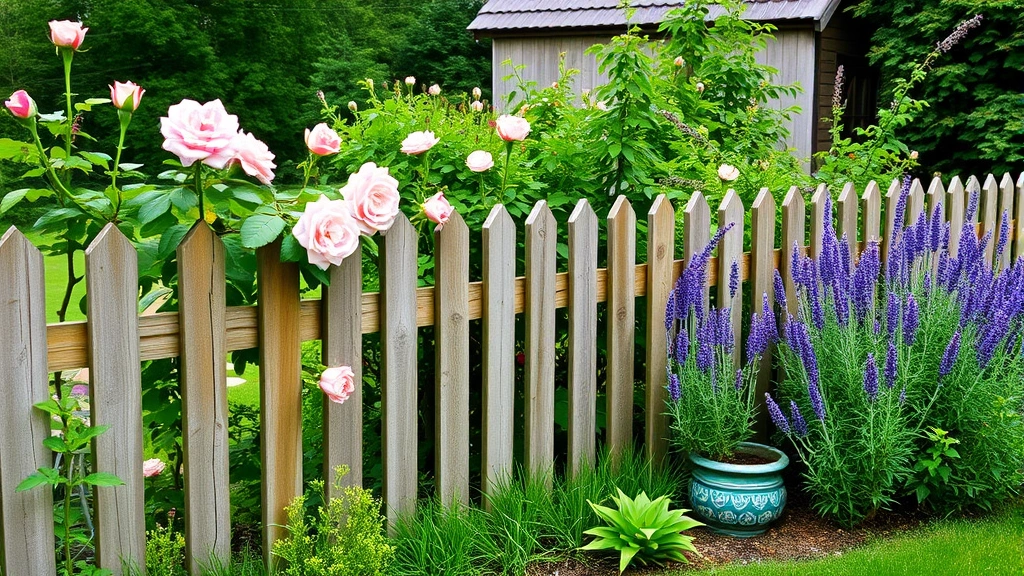
Wooden fences remain the most popular choice among gardeners and landscaping professionals worldwide. Their natural aesthetic seamlessly integrates with garden environments, and they offer exceptional versatility in design. Traditional picket fences create charming cottage-garden vibes perfect for cut flower garden layouts, while privacy-style wooden fences with solid panels provide complete seclusion for your growing space.
The primary advantages of wooden fencing include affordability, ease of customization, and the ability to paint or stain them to match your garden design. Cedar and redwood are premium choices offering natural rot resistance and beautiful grain patterns that age gracefully. Pressure-treated pine provides a budget-friendly alternative with reliable durability when properly maintained. For gardeners establishing raised garden bed clearance areas, wooden fences can be constructed to exact specifications that complement your garden infrastructure.
However, wooden fences require regular maintenance including staining or sealing every 3-5 years to prevent rot and insect damage. In humid climates or areas with significant rainfall, wood may develop mildew or decay faster. The lifespan typically ranges from 15-20 years depending on wood quality and climate conditions. Professional landscapers often recommend wooden fences for gardeners willing to invest time in upkeep, or those in drier climates where wood preservation is simpler.
Metal Fencing Options and Their Benefits
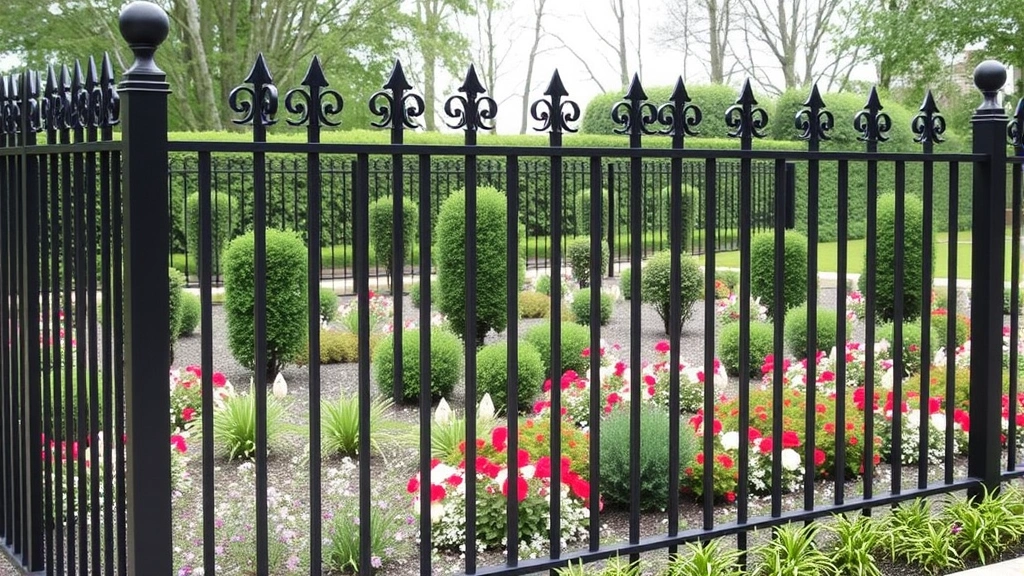
Metal fences, particularly wrought iron and aluminum varieties, offer durability and sophisticated aesthetics that appeal to formal garden designs and Asian garden styles. Wrought iron provides unmatched elegance with ornamental details, though it requires periodic painting to prevent rust and represents a significant investment. Aluminum offers a lighter-weight alternative with excellent rust resistance, making it ideal for coastal properties or humid regions where corrosion is a concern.
Chain-link fencing serves functional purposes effectively, particularly for vegetable gardens needing wildlife protection. While not aesthetically striking in its basic form, chain-link can be enhanced with climbing vines and plants that soften its industrial appearance. Steel fencing provides strength and security, available in various styles from modern minimalist designs to traditional Victorian patterns. Metal fences typically last 30-50 years with minimal maintenance beyond occasional cleaning and touch-up painting.
The primary consideration with metal fencing involves initial cost, which exceeds most wooden options. Installation requires professional expertise, particularly for ornamental designs. Metal fences conduct heat and may create temperature fluctuations affecting nearby plants. Additionally, metal fencing offers no privacy unless you incorporate climbing vegetation or complementary planting schemes. Landscapers frequently recommend metal fences for gardeners prioritizing longevity and minimal maintenance over privacy or budget constraints.
Vinyl and Composite Fences for Low Maintenance
Vinyl fencing has revolutionized garden fence options by offering wood-like aesthetics without maintenance demands. These fences resist rot, insect damage, and weather deterioration, maintaining their appearance for 20-30 years with only occasional cleaning. White vinyl creates crisp, clean garden boundaries, while colored options accommodate various design schemes. Composite materials blend wood fibers with plastics, offering authentic wood appearance with superior durability.
For busy gardeners or those with limited time for upkeep, vinyl and composite fences represent excellent investments. They require no staining, sealing, or painting. Simply rinse with water to remove dust and debris. These materials don’t splinter, creating safer environments for children and pets navigating your garden space. Installation costs fall between wooden and premium metal options, with professional installation recommended for optimal results.
The disadvantages include higher upfront costs compared to basic wooden fences, and potential brittleness in extremely cold climates where temperature fluctuations cause expansion and contraction. Some gardeners find vinyl aesthetics less natural-looking than wood, though modern options have improved significantly. Vinyl fences also conduct less sound than wooden alternatives, which may matter for noise-sensitive garden locations. These options work particularly well for gardeners maintaining garden tool storage areas and equipment zones requiring clean, professional appearances.
Living Fences and Natural Barriers
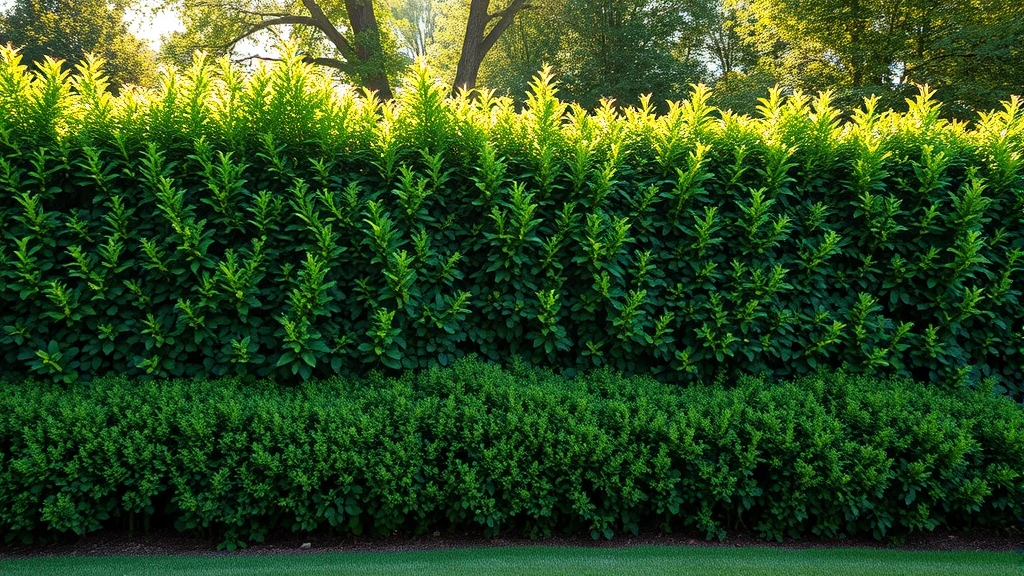
Living fences created from shrubs and hedging plants offer the most organic solution for garden boundaries. Hedgerows provide wildlife habitat, improve air quality, and create stunning seasonal interest through flowers and foliage changes. Common hedging plants include privet, boxwood, holly, and bamboo species. Living fences develop character over time, becoming denser and more impressive as they mature.
The advantages of living fences include complete privacy, wildlife support, and aesthetic appeal that improves with age. They require no construction materials beyond initial plantings, and they can be shaped into decorative patterns or topiary designs. Living fences also provide natural sound barriers and wind protection for delicate garden plants. For environmentally conscious gardeners, hedgerows support pollinators and beneficial insects crucial for garden productivity.
Establishment requires patience, typically 3-5 years for hedges to reach full privacy and aesthetic potential. Regular pruning and shaping maintain desired forms and density. Some species grow slowly, requiring years to achieve substantial height. Hedging plants need adequate space to develop properly, which may not suit smaller garden properties. Seasonal leaf drop in deciduous varieties means temporary transparency during winter months. Professional landscapers recommend living fences for long-term gardeners committed to establishing mature landscape features.
Specialty Fences for Specific Garden Types
Different garden types benefit from specialized fence designs addressing specific requirements. Garden border edging works alongside fences to create defined planting zones while managing soil migration. Vegetable gardens require sturdy fencing with underground barriers preventing burrowing animals from accessing crops. Height of 4-6 feet deters deer effectively, while buried fencing extends 12 inches underground to stop rabbits and groundhogs.
Ornamental gardens benefit from decorative fencing styles showcasing plants rather than obscuring them. Lattice fences with open designs allow light penetration while supporting climbing vegetables and flowering vines. Japanese-inspired gardens pair beautifully with bamboo or modern minimalist metal fencing creating zen-like atmospheres. Mediterranean gardens suit rustic wooden or terracotta-colored composite fences complementing warm plant palettes.
Container gardens and urban spaces often utilize tall narrow fences maximizing vertical growing space. Trellis-integrated fences provide immediate plant support infrastructure. Fruit gardens benefit from sturdy fencing supporting espaliered trees and berry bushes while protecting harvests from wildlife. Shade gardens work well with open-design fencing allowing dappled light while creating boundaries. Each garden style benefits from thoughtful fence selection enhancing both function and aesthetics.
Installation and Maintenance Considerations
Professional installation ensures proper fence construction with correct post depth, alignment, and material fastening. Posts typically require 3-foot burial depth in stable soil, with concrete footings preventing shifting and leaning. Spacing between fence elements affects both aesthetics and functionality—wider spacing creates open feels while closer spacing maximizes privacy and wildlife protection. Professional landscapers verify property lines before installation, preventing expensive disputes with neighbors.
Maintenance requirements vary significantly by fence type. Wooden fences need annual inspections for rot, insect damage, and loose boards. Staining or sealing every 3-5 years protects wood and maintains appearance. Metal fences require rust monitoring and touch-up painting as needed. Vinyl and composite fences need occasional cleaning and inspection for cracks or damage. Living fences demand regular pruning, watering during establishment, and fertilization supporting healthy growth.
Budget considerations extend beyond initial installation costs. Factor in long-term maintenance expenses, potential repairs, and eventual replacement timelines. Wooden fences may require complete replacement after 20 years, while vinyl fences last significantly longer with lower maintenance costs. Metal fences demand higher upfront investment but offer exceptional longevity. Living fences require patience and ongoing care but provide increasing value as they mature.
Climate significantly impacts fence longevity and maintenance demands. Humid regions favor rot-resistant materials like metal or vinyl. Dry climates suit wooden fences that age beautifully without moisture-related deterioration. Cold climates with freeze-thaw cycles challenge vinyl and composite materials, while hot sun exposure can fade colors and cause material brittleness. Professional landscapers assess local climate conditions when recommending specific fence types.
FAQ
What’s the most affordable garden fence option?
Pressure-treated wooden picket fencing offers the most budget-friendly option for gardeners. Basic chain-link fencing costs similarly but lacks aesthetic appeal. Living fences from fast-growing shrubs provide economical long-term solutions despite longer establishment periods. Budget typically ranges from $5-15 per linear foot for basic wooden fencing, compared to $20-50+ for premium materials.
How tall should a garden fence be for wildlife protection?
Deer require 5-6 feet height to prevent jumping over fences. Rabbits and groundhogs need buried fencing extending 12 inches underground and 2-3 feet above ground. Small animals like squirrels may require covered tops. Consult local wildlife management resources and extension services for species-specific recommendations in your region.
Can I paint or stain vinyl fencing?
Vinyl fencing shouldn’t be painted or stained as coatings interfere with the material’s self-cleaning properties and weather resistance. Vinyl’s color is integral to the material. If you desire different colors, select from available vinyl options or consider alternative materials like wood or composite that accept stains and paints.
What’s the best fence material for windy locations?
Metal fencing withstands wind better than most materials due to its strength and rigid structure. Solid wooden fences may experience wind stress requiring reinforced posts. Open designs like lattice or chain-link reduce wind resistance. Avoid tall solid fences in extremely windy areas without proper engineering and support structures.
How do I choose between privacy and visibility in fence design?
Consider your garden’s purpose and location. Privacy fences suit vegetable gardens and seating areas requiring seclusion. Open designs work better for showcasing ornamental gardens and allowing light penetration. Partial solutions like batten fencing offer compromises between privacy and views. Landscape designers often recommend mixed approaches combining solid sections with open areas.
Are living fences better for the environment?
Living fences provide significant environmental benefits including wildlife habitat, pollinator support, carbon sequestration, and improved air quality. However, they require resources for establishment and ongoing maintenance. The environmental impact depends on plant species selection, water usage, and local ecosystem considerations. Native hedging plants offer superior environmental benefits compared to non-native ornamental varieties.


