Visiting Ho’omaluhia Botanical Garden: Insider Tips for the Perfect Day
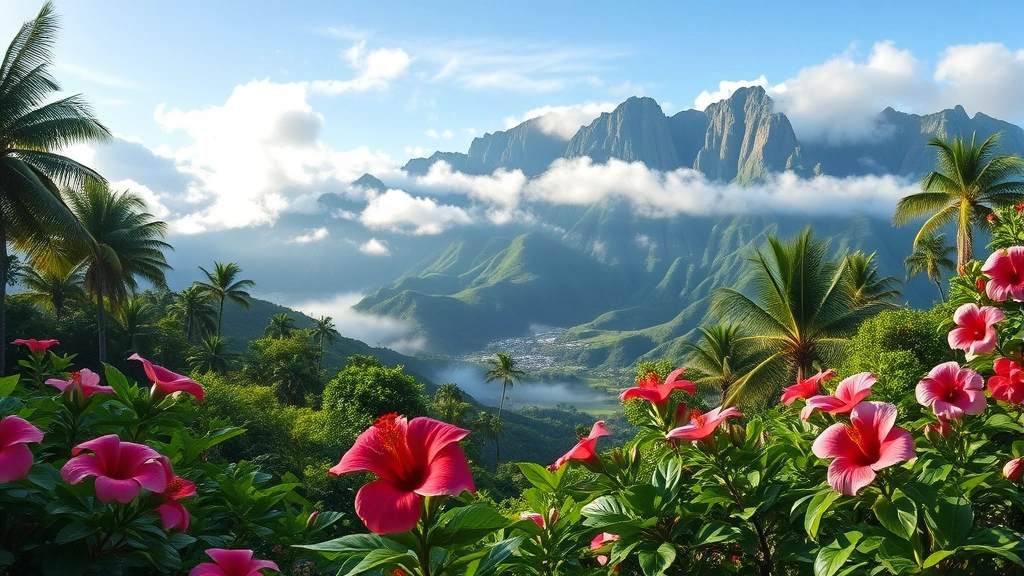
Ho’omaluhia Botanical Garden, nestled at the foot of the Ko’olau Mountains in Kaneohe, Hawai’i, stands as one of the most breathtaking botanical destinations in the Pacific. This 400-acre public garden showcases an extraordinary collection of tropical plants from around the world, with towering cliffs providing a dramatic natural backdrop that makes every visit feel like stepping into paradise. Whether you’re a serious gardener seeking inspiration from flowering displays, a nature photographer hunting the perfect shot, or simply someone looking to escape into lush tropical beauty, the Ho’omaluhia botanical garden visitor center serves as your gateway to an unforgettable experience.
Planning a successful visit to this magnificent garden requires more than just showing up with a camera. Understanding the best times to visit, navigating the various garden sections, preparing for Hawai’i’s tropical climate, and knowing insider secrets can transform your experience from pleasant to truly extraordinary. This comprehensive guide shares everything you need to know about maximizing your time at Ho’omaluhia, from arrival strategies to hidden gems that most casual visitors never discover.
Planning Your Visit to Ho’omaluhia
Ho’omaluhia Botanical Garden operates as a free public garden managed by the City and County of Honolulu, making it one of Hawai’i’s most accessible botanical experiences. The garden opens daily from 9:00 AM to 4:00 PM, with the last entry typically around 3:30 PM. Arriving early, ideally between 8:45 and 9:15 AM, gives you several distinct advantages: the garden is less crowded, lighting is optimal for photography, temperatures are cooler, and plants appear fresher with morning dew still present.
The Ho’omaluhia botanical garden visitor center is your first stop, and it deserves more than a quick glance. This facility provides invaluable resources including maps, current plant bloom information, educational displays about Hawaiian native plants, and staff expertise. The visitor center staff can provide real-time recommendations about which areas are currently in peak bloom, recent weather impacts on specific plant collections, and suggestions tailored to your interests. If you’re interested in understanding plant propagation and growing techniques, the center often has educational materials connecting botanical displays to home gardening applications.
Parking is abundant and free, with the main lot located near the visitor center. The garden is approximately 30 minutes from Honolulu, accessible via the Likelike Highway. Plan for 2-4 hours minimum, depending on your pace and interests. If you’re combining this visit with other Windward O’ahu activities like visiting nearby beaches or other botanical sites, allocate accordingly.
Visitor Center Essentials and Resources
The Ho’omaluhia botanical garden visitor center functions as more than just an information desk—it’s an educational hub that enhances your entire visit. Upon arrival, request a detailed map and ask staff about current highlights. They maintain updated information about blooming schedules for major plant collections including plumeria, hibiscus, orchids, and seasonal flowering plants. This knowledge helps you prioritize which garden sections to visit first, especially if you have limited time.
The visitor center displays feature information about the garden’s history, established in 1982 as a botanical research facility, and its role in plant conservation. You’ll learn about native Hawaiian plants and how the garden contributes to preserving endangered species. For gardeners interested in tropical plant cultivation, these displays offer insights into growing conditions, water requirements, and climate considerations—information directly applicable to home gardening in tropical or subtropical environments. If you’re considering incorporating tropical specimens into your own landscape, similar to how you might plan a carefully organized garden layout, the visitor center staff can provide guidance.
The restroom facilities near the visitor center are clean and well-maintained. There’s a small gift shop offering books, plants, and souvenirs, though prices reflect their botanical garden location. Water fountains are available throughout the garden, though carrying your own water bottle is strongly recommended given Hawai’i’s heat and sun intensity.
Exploring the Major Garden Sections
Ho’omaluhia’s 400 acres are organized into distinct plant collections, each offering unique visual and educational experiences. The Entrance Garden immediately establishes the visitor experience with colorful hibiscus varieties, plumeria, and flowering shrubs. Don’t rush through this section—it’s an excellent introduction to tropical flowering plants and provides baseline understanding of what you’ll see throughout the property.
The Ethnobotanical Garden showcases plants used by various cultures for food, medicine, and materials. This section is particularly valuable for gardeners interested in useful plants and traditional cultivation methods. You’ll see breadfruit, coconut, taro, and other Polynesian food plants growing in conditions you can observe and understand.
The Tropical Conservatory houses orchids, bromeliads, and other tropical plants requiring specialized conditions. The humid, controlled environment creates a distinct microclimate. Spending time here teaches you about environmental controls necessary for tropical plant success—knowledge applicable whether you’re maintaining a greenhouse or considering indoor tropical specimens.
The Fruit and Spice Garden features productive plants including mango, papaya, guava, and various spice plants. This collection appeals strongly to gardeners interested in growing food plants in warm climates. Observing mature specimens of these plants growing in Hawaiian conditions provides valuable insights into their potential and requirements. You might draw parallels to growing productive plants in containers, as discussed in our guide about container growing techniques.
The Flowering Plant Collection includes extensive hibiscus, plumeria, and bougainvillea plantings. These sections are most impressive during their peak blooming seasons, typically spring and early summer. The variety of cultivars demonstrates the incredible diversity possible within single species.
The Native Hawaiian Plant Garden preserves and displays plants endemic to Hawai’i. This section connects visitors with the botanical heritage of the islands and often includes rare or endangered species. Understanding native plants provides context for conservation efforts and the importance of botanical gardens in species preservation.
Best Times to Visit Ho’omaluhia
Seasonal timing dramatically affects your Ho’omaluhia experience. Spring (March-May) represents peak visiting season with optimal weather, excellent blooming displays across multiple plant collections, and comfortable temperatures. Plumeria flowers proliferate, orchids are spectacular, and the entire garden explodes with color. However, expect larger crowds during this period, particularly on weekends.
Summer (June-August) brings warmer, more humid conditions with occasional afternoon showers, which actually benefit plant displays through natural watering. Hibiscus varieties peak, and many tropical plants thrive in the intense warmth. Trade-offs include higher heat, increased afternoon crowds, and occasional weather unpredictability.
Fall (September-November) offers pleasant weather with fewer crowds than spring and summer. While some flowering plants decline, the garden maintains substantial beauty, and you experience a more intimate visiting atmosphere. This is an excellent time for serious gardeners seeking detailed observation without crowds.
Winter (December-February) brings cooler temperatures and occasional rain, with some flowering plants dormant or less showy. However, certain plants bloom during winter, and the mild Hawaiian winter climate still permits comfortable garden exploration. This season offers maximum tranquility and the most personal garden experience.
Regarding specific days: weekday mornings consistently offer the best experience with minimal crowds and maximum staff availability. Avoid weekends, especially Saturdays during spring months. If you must visit on weekends, arrive before 10 AM.
Photography and Scenic Spots
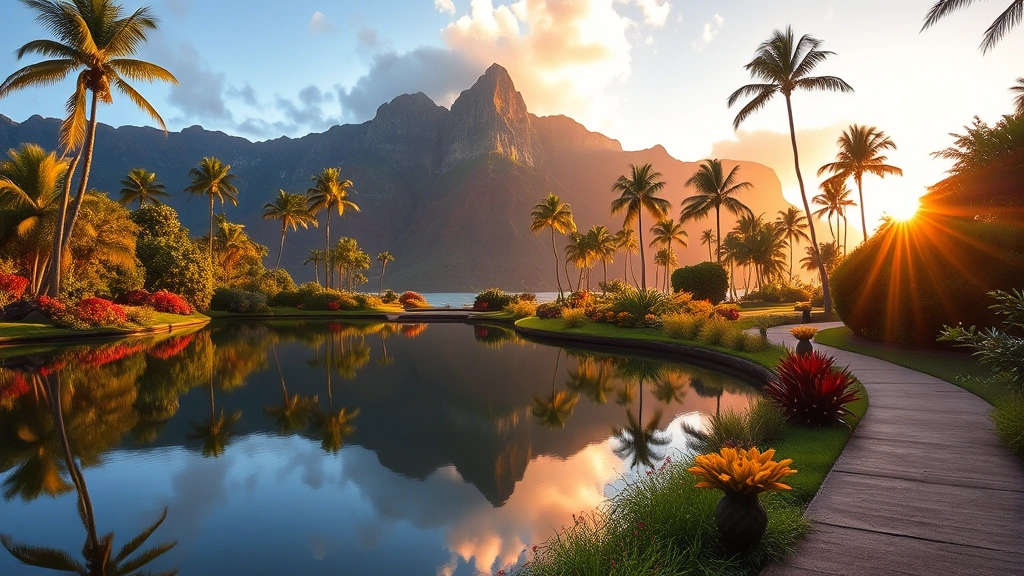
The dramatic Ko’olau Mountain backdrop creates the garden’s most iconic photography opportunity. The Windward Pond area provides reflections that amplify the mountain scenery, particularly during early morning when light is golden and the pond is calm. This spot is famous for featuring the mountains in classic botanical garden photographs.
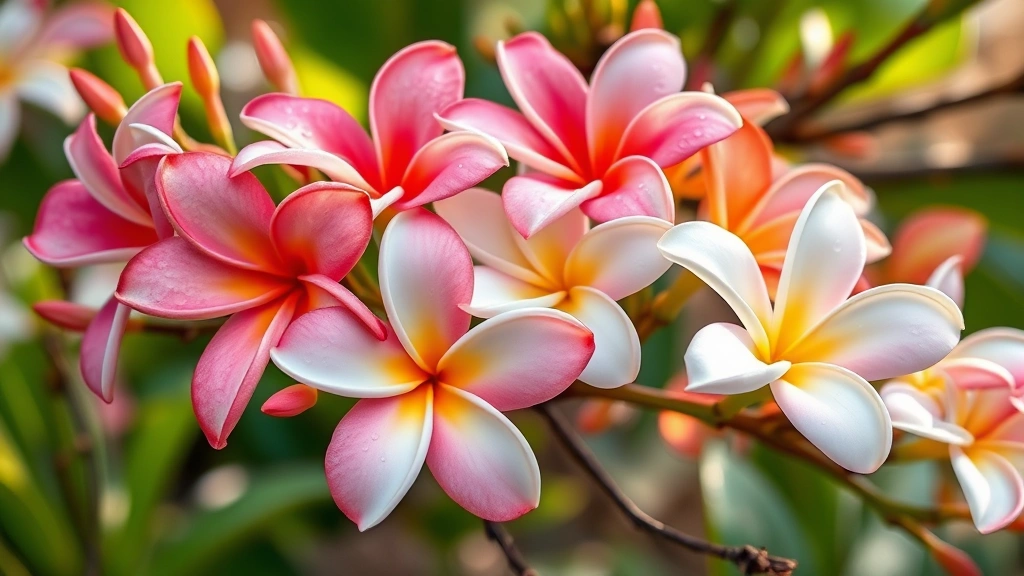
The Plumeria Grove offers consistent beauty, particularly during spring and early summer when flowers are abundant. The varied cultivars provide color diversity for photographs, from white and yellow to pink and coral varieties. Early morning light filtering through the canopy creates particularly appealing photographs.
The Tropical Conservatory entrance provides dramatic architectural elements combined with lush plantings. The glass structure frames plants beautifully while providing compositional interest beyond simple flower close-ups.
For detailed plant photography, the Orchid sections within the conservatory offer incredible macro photography opportunities. Orchid diversity is extraordinary, with species and hybrids displaying remarkable color combinations, patterns, and structural details.
Bring a quality camera or smartphone with a good lens, polarizing filter if using a DSLR, and extra batteries or charging cables. The intense Hawaiian sun can drain batteries quickly, and you’ll want sufficient storage for the volume of photographs you’ll want to capture. Arrive early when light is most flattering and crowds haven’t assembled in front of popular photo locations.
Practical Preparation and Packing Essentials
Preparation determines your comfort level throughout the visit. Sun protection is critical in Hawai’i’s tropical environment. Pack high-SPF sunscreen (reef-safe formula), a wide-brimmed hat, and UV-protective sunglasses. Even cloudy days in Hawai’i deliver intense UV exposure. Reapply sunscreen frequently, particularly after sweating or if you’re near water features.
Wear comfortable walking shoes with good traction—the garden includes paved paths, but also natural terrain areas. Closed-toe shoes protect against potential hazards while maintaining comfort for several hours of walking. Avoid flip-flops despite the tropical setting; proper footwear makes the experience significantly more enjoyable.
Bring substantial water—at least 2-3 liters per person. While water fountains exist, carrying your own ensures consistent hydration. The combination of sun, walking, and tropical heat accelerates dehydration. Bring electrolyte drinks or tablets if you’re sensitive to dehydration.
Lightweight, breathable clothing in light colors reflects heat effectively. Moisture-wicking fabrics manage sweat better than cotton. A light rain jacket or poncho is wise even if no rain is forecast; brief tropical showers occur without warning, and the garden’s exposed areas offer limited shelter.
Pack a small backpack or crossbody bag for essentials: camera, phone, water, snacks, sunscreen, medications, and any personal items. Avoid large luggage that restricts movement and becomes burdensome during extended walking.
If you’re considering expanding your appreciation of botanical gardens into your own landscape, you might explore creating structured garden spaces similar to how you’d design a garden arbor feature or organized raised garden beds for home cultivation of tropical or ornamental plants.
Seasonal Highlights and Plant Collections
Understanding what blooms when helps you time your visit for specific interests. Plumeria peaks from April through September, with the most spectacular displays in May and June. These fragrant flowers in white, yellow, pink, and coral varieties make the garden extraordinarily aromatic during peak bloom.
The Hibiscus Collection flowers year-round in Hawai’i, with peak bloom during warmer months. The garden cultivates hundreds of varieties ranging from delicate singles to dramatic double-flowered forms in colors spanning red, pink, orange, yellow, and white. Observing mature hibiscus plants in their ideal climate provides valuable perspective for gardeners in other regions attempting to grow these plants in less-than-ideal conditions.
Orchids display continuously in the conservatory but peak during spring and early fall. The diversity is staggering—from tiny species orchids to dramatic large-flowered hybrids. The conservatory’s humidity and controlled conditions maintain orchid bloom longer than outdoor environments.
The Bougainvillea Collection provides intense color, particularly from May through September. These vigorous plants demonstrate why they’re beloved in tropical landscapes, with their papery bracts creating sustained color displays.
For gardeners interested in productive plants, the Fruit and Spice Garden shows fruiting cycles. Mango trees fruit heavily in summer, banana plants produce consistently, and various citrus specimens demonstrate tropical fruit growing potential. This section directly informs gardeners considering whether tropical fruit cultivation is feasible in their climate.
The Native Hawaiian Plant Garden provides year-round educational value, though spring brings more consistent blooming across Hawaiian endemic species. This collection reminds visitors of the botanical richness that existed before European plant introductions and emphasizes conservation importance.
FAQ
Is Ho’omaluhia Botanical Garden truly free to visit?
Yes, Ho’omaluhia Botanical Garden is completely free to enter and explore. No admission fee is charged, though donations are accepted to support garden maintenance and operations. This free access makes it one of Hawai’i’s most valuable botanical resources.
How long should I plan to spend at Ho’omaluhia?
Most visitors benefit from 2-4 hours. Casual visitors covering main areas typically need 2-3 hours. Serious gardeners, photographers, or plant enthusiasts may spend 4-6 hours. The garden is large enough to accommodate various visiting styles without feeling rushed.
Can I bring dogs or pets to Ho’omaluhia?
Pets are not permitted in the garden. Service animals are accommodated. The garden’s plant collections and wildlife require a pet-free environment. Leave pets at your accommodation or arrange pet care before visiting.
What’s the best season for visiting Ho’omaluhia?
Spring (March-May) offers optimal weather and peak blooming across most plant collections. However, fall (September-November) provides excellent conditions with significantly fewer crowds, making it ideal for those prioritizing a peaceful experience and detailed observation.
Are facilities available for people with mobility limitations?
The visitor center and entrance areas are accessible, though the broader garden includes natural terrain and uneven surfaces. Contact the visitor center beforehand about accessibility accommodations and specific path conditions. Much of the garden remains accessible to those with mobility considerations if you focus on developed pathways.
Can I picnic or bring food into Ho’omaluhia?
Outside food is generally permitted in designated areas. However, no commercial food facilities operate within the garden, so bringing snacks and lunch is advisable. Pack out all trash to maintain the garden’s pristine condition.
What should I do if I want to learn more about specific plants?
The visitor center staff provide expert guidance and plant identification assistance. Many plants have informational plaques. Consider purchasing field guides available at the gift shop for more detailed botanical information. The garden’s educational programs and guided tours, offered periodically, provide in-depth learning opportunities.


