Visiting Hilton Garden Inn San Diego Downtown/Bayside? Local’s Guide to Gardens
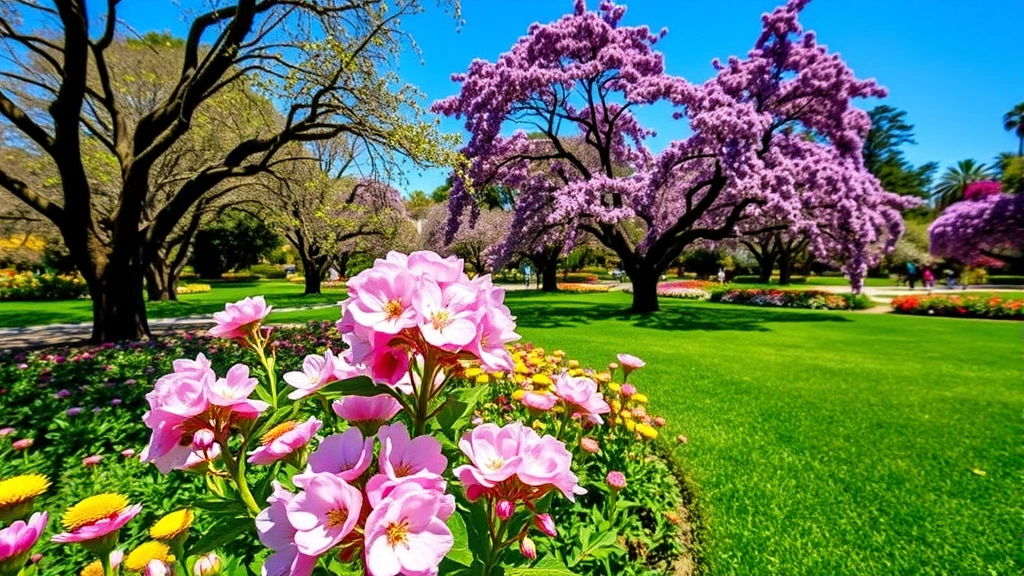
San Diego’s Hilton Garden Inn Downtown/Bayside location offers visitors more than just comfortable accommodations—it’s a gateway to some of Southern California’s most spectacular gardens and horticultural attractions. Whether you’re staying for business or leisure, the surrounding neighborhoods provide exceptional opportunities to explore world-class botanical collections, urban green spaces, and local nurseries that showcase the region’s Mediterranean climate advantages. This guide will help you discover hidden garden gems within easy reach of your hotel, along with practical tips for bringing San Diego’s gardening inspiration back to your own landscape.
San Diego’s unique USDA hardiness zones (9b-10a) and year-round growing season make it a paradise for gardeners. The area’s mild winters and warm summers create ideal conditions for cultivating plants that many other regions can only grow indoors. During your stay at the bayside location, you’ll notice how local gardeners leverage this climate advantage through lush container plantings, Mediterranean-style landscaping, and native plant gardens throughout the waterfront district.
Botanical Building and Lily Pond
Just a short drive from the Hilton Garden Inn Downtown/Bayside, the iconic Botanical Building in Balboa Park stands as one of San Diego’s most recognizable landmarks and a must-visit destination for plant enthusiasts. Built in 1915 for the Panama-California Exposition, this stunning structure houses over 2,100 tropical plants in a climate-controlled environment. The building’s interior showcases an impressive collection of orchids, ferns, begonias, and exotic foliage plants that thrive in the humid microclimate created by the building’s design.
The adjacent Lily Pond is particularly spectacular during spring and early summer months when water lilies bloom in brilliant pinks, reds, whites, and yellows. The pond’s ecosystem supports numerous aquatic plants and provides excellent opportunities for photographing nature. Walking the perimeter paths, you’ll observe how professional horticulturists maintain these collections and design landscapes for maximum visual impact. The Botanical Building’s design demonstrates passive climate control techniques that home gardeners can adapt when creating indoor plant displays or transitional spaces like sunrooms and conservatories.
Inside the building, you’ll discover fascinating examples of plant propagation techniques used to maintain the collection. Staff members often explain how they propagate ferns, begonias, and other specimens to replenish displays. This knowledge proves invaluable if you’re interested in expanding your home plant collection affordably. The humidity levels maintained inside (typically 70-85%) demonstrate ideal conditions for tropical plants, providing insights into what your indoor garden environment should achieve.
San Diego Zoo Safari Park Gardens
Approximately 30 miles north of your downtown hotel, the San Diego Zoo Safari Park combines world-class animal exhibits with remarkable botanical displays. The park’s 100-acre landscape features extensive native and exotic plant collections organized by geographic regions. The African savanna section showcases acacia trees, desert shrubs, and drought-tolerant specimens that thrive in San Diego’s climate, while the Asian section features bamboo groves, ornamental grasses, and shade-loving perennials.
The Flamingo Cove area demonstrates how to create naturalistic water garden displays with aquatic and marginal plants. The park’s horticulture team maintains thousands of specimens, and seasonal plantings highlight different plant families throughout the year. During spring, flowering perennials create spectacular color displays, while fall brings native wildflower plantings that attract pollinators. This destination provides practical examples of how to design gardens that support wildlife while maintaining aesthetic appeal.
The Safari Park’s native plant section is particularly instructive for San Diego gardeners. Observing how California native plants grow in the park’s landscape design can inspire your own watering strategies and plant selection. Native plants require less supplemental water once established, making them ideal for sustainable home gardens. The park’s educational displays explain each plant’s ecological role and water requirements, information you can apply directly to your residential landscape.
Balboa Park’s Hidden Garden Trails
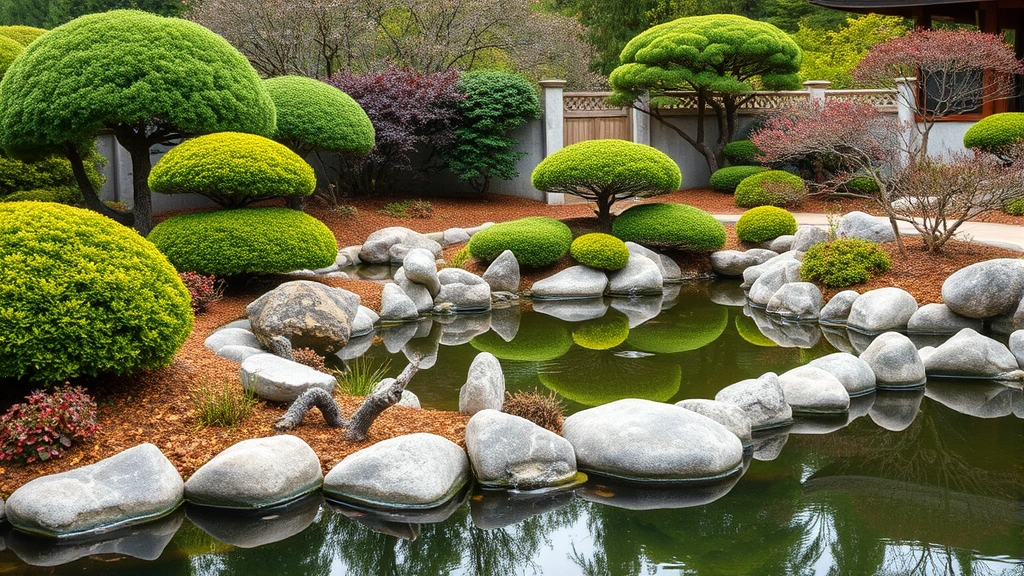
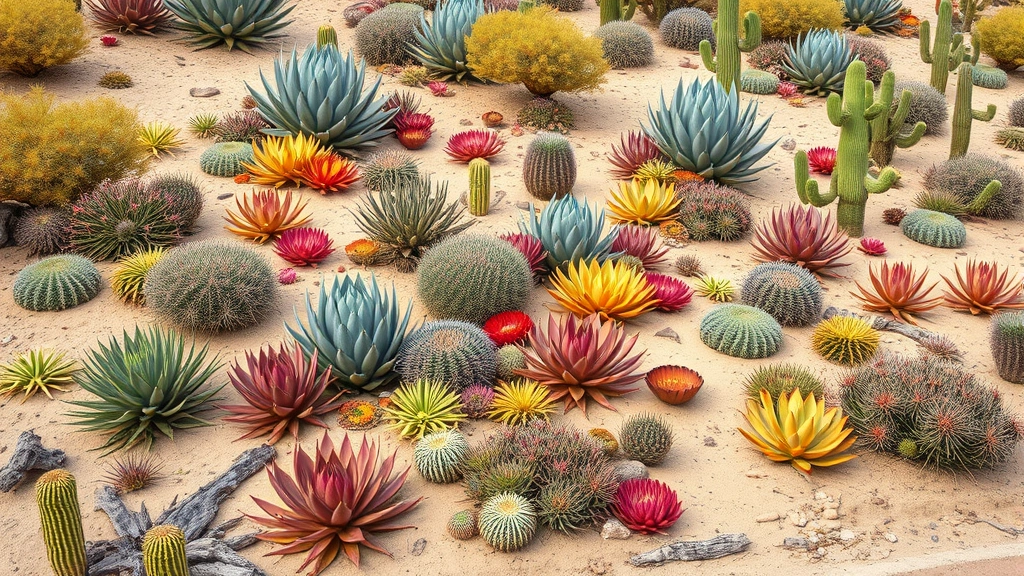
Balboa Park encompasses 1,200 acres of gardens, museums, and cultural institutions. While many visitors focus on the main plaza attractions, numerous quieter garden areas deserve exploration. The Japanese Friendship Garden features traditional Japanese landscape design with carefully pruned specimens, stone lanterns, and water features that demonstrate minimalist aesthetic principles. The Desert Garden showcases an impressive collection of succulents, cacti, and drought-tolerant plants arranged in naturalistic groupings.
The Japanese Garden’s pruning techniques and plant selection offer valuable lessons for home gardeners interested in creating contemplative outdoor spaces. The careful balance of hardscape, water features, and living plants shows how to create visual interest in limited spaces. Many of the principles applied in Japanese garden design translate directly to smaller residential landscapes, especially when working with container plantings or compact yards.
The Rose Garden, though seasonal, displays hundreds of varieties during peak bloom (typically March through May). Walking through the rose garden during flowering season provides inspiration for color combinations and variety selection. The garden’s design demonstrates companion planting principles, with roses paired with complementary perennials and shrubs that extend the visual interest beyond the roses’ blooming period. The garden’s maintenance practices showcase proper pruning techniques, disease management, and seasonal care protocols.
Local Nurseries and Plant Markets
San Diego’s thriving horticultural community supports numerous specialty nurseries within short drives from the downtown area. These establishments offer far more than typical big-box garden centers. Local nurseries stock regionally appropriate plants selected specifically for San Diego’s climate zones and growing conditions. Staff members possess extensive knowledge about local growing conditions, pest management, and plant care specific to Southern California’s unique environment.
Visiting local nurseries provides opportunities to examine plants before purchasing and to ask questions about specific growing challenges you might face. Many nurseries offer seasonal workshops on topics like succulent care, native plant gardening, and container planting. These educational opportunities connect you with local gardening experts who understand San Diego’s particular horticultural conditions. You’ll discover unusual plant varieties unavailable at chain retailers, including rare cultivars and specimen plants perfect for creating distinctive landscapes.
San Diego’s nurseries often feature demonstration gardens showcasing how plants perform in local conditions. Observing mature specimens helps you visualize how plants will look in your own garden as they mature. You can examine foliage texture, growth habit, and color combinations in real-world settings rather than relying solely on nursery tags or online photos. This hands-on experience proves invaluable when making plant selections, particularly for expensive specimens or those requiring specific growing conditions.
Native Plant Gardens Worth Exploring
San Diego’s native plant heritage deserves special attention from visiting gardeners. The region’s Mediterranean climate supports unique plant communities found nowhere else on Earth. The Torrey Pines State Natural Reserve, located north of the city, preserves rare Torrey pine trees and associated native vegetation. While primarily a nature preserve rather than a cultivated garden, the reserve demonstrates how native plants create sustainable, low-maintenance landscapes that require minimal supplemental water once established.
The Native Plant Society maintains demonstration gardens and organizes plant sales throughout the year. These events provide opportunities to purchase California native plants directly from growers and to learn from experts passionate about regional conservation and sustainable landscaping. Native plants adapted to San Diego’s climate offer significant advantages for home gardeners, including reduced water requirements, minimal pest problems, and ecological benefits for local wildlife.
Incorporating native plants into your home landscape aligns with California’s water conservation goals and reduces maintenance demands. Native plants establish quickly, develop deep root systems that access groundwater, and rarely require fertilizers or pesticides. Many native species produce beautiful flowers, interesting foliage, or striking structural forms that rival non-native ornamentals. The Torrey pine, coastal sage scrub communities, and coastal bluff scrub represent distinct plant communities worth studying if you’re interested in creating authentic, regionally appropriate gardens.
Container Gardening Inspiration
San Diego’s year-round growing season makes container gardening exceptionally rewarding. Throughout the city, you’ll observe stunning container displays featuring tropical plants, tender perennials, and seasonal annuals thriving in outdoor settings where they would fail in colder climates. The Hilton Garden Inn itself likely features well-maintained container plantings that demonstrate professional design principles you can adapt for your own spaces.
Container gardening offers flexibility for renters, travelers, and homeowners with limited garden space. Growing cucumbers in pots becomes practical in San Diego’s climate, providing fresh vegetables throughout extended seasons. Similarly, growing mint in pots allows you to maintain fresh herbs for culinary use while containing the plant’s vigorous growth. Container gardening proves especially valuable if you’re staying in a hotel or rental property without direct garden access.
San Diego’s nurseries offer extensive selections of containers, potting media, and specialty plants suited to container culture. Observing how professional gardeners design container plantings—combining upright focal plants, trailing specimens, and textural elements—provides templates for creating attractive displays. The region’s warm weather enables gardeners to experiment with tender perennials and tropical plants in containers, bringing them indoors during occasional cold snaps or moving them to protected locations.
Seasonal Gardening Activities
San Diego’s mild climate allows year-round gardening activities, though seasonal patterns still influence what thrives and when. Winter months (December through February) represent the optimal planting season for most trees, shrubs, and perennials. Cooler temperatures and occasional rainfall reduce transplant shock and allow root systems to establish before summer heat arrives. Winter is also the season when bare-root roses and fruit trees become available at nurseries.
Spring (March through May) brings peak flowering for many plants, including wildflowers, flowering trees, and spring bulbs. This season offers excellent opportunities to observe plant combinations and color schemes in local gardens. The Rose Garden at Balboa Park reaches peak bloom during late April and May, providing inspiration for rose gardeners. Spring also marks the beginning of warm-season vegetable planting, with tomatoes, peppers, and squash thriving as temperatures warm.
Summer months bring intense sun and heat, requiring increased watering for most plants. However, summer is when heat-loving plants like lantana, desert marigold, and California poppies reach peak performance. Summer is also the season for enjoying tropical plants in containers and for maintaining regular watering schedules. Many San Diego gardeners shift to watering early morning hours to minimize water loss through evaporation.
Fall (September through November) brings cooler temperatures and the return of occasional rainfall. This season is ideal for planting cool-season vegetables like lettuce, broccoli, and kale. Fall is also when many plants produce seeds, offering opportunities to collect seeds for propagation. Caring for bonsai trees becomes easier in fall as growth slows and watering demands decrease. This season marks the beginning of the next planting cycle, making it an excellent time to plan landscape improvements and order nursery stock.
FAQ
What’s the best time to visit San Diego gardens?
Spring (March through May) offers the most spectacular flowering displays, with wildflowers, roses, and ornamental trees in peak bloom. However, San Diego’s mild climate means gardens offer interest year-round. Winter provides comfortable walking weather without intense sun, while fall brings cooler temperatures ideal for exploring outdoor spaces. Summer can be hot, but early morning visits prove pleasant before midday heat arrives.
Can I grow tropical plants outdoors in San Diego year-round?
Yes, many tender tropical plants thrive outdoors year-round in San Diego’s frost-free zones. However, occasional cold snaps do occur, particularly in January and February. Tender plants like bougainvillea, hibiscus, and plumbago typically survive these events but may experience damage. Growing tender plants in containers allows you to move them to protected locations during rare freezes, maximizing their survival chances.
What plants grow best in San Diego’s climate?
Mediterranean climate plants thrive in San Diego, including California natives, drought-tolerant shrubs, succulents, and plants from Mediterranean regions worldwide. Citrus trees, avocados, and other subtropical fruits perform exceptionally well. Perennials like salvias, coreopsis, and penstemons flourish with minimal supplemental water once established. Roses, ornamental grasses, and flowering shrubs provide year-round interest.
Are there nurseries near the Hilton Garden Inn Downtown/Bayside?
Yes, numerous nurseries and garden centers operate throughout San Diego County. Local specialty nurseries offer regionally appropriate plants and expert advice about growing conditions specific to San Diego’s climate zones. Staff members can recommend species suited to your specific gardening challenges and growing conditions, whether you’re interested in native plants, vegetables, or ornamental specimens.
How much water do plants need in San Diego?
Water requirements vary significantly based on plant species, soil conditions, and seasonal temperatures. Native plants and drought-tolerant species require minimal supplemental water once established, often thriving on natural rainfall alone. Vegetables, annuals, and tropical plants typically need regular watering, especially during warm months. Most San Diego gardeners water deeply but less frequently to encourage deep root development and drought tolerance in established plants.
Can I visit gardens while staying downtown?
Absolutely. Balboa Park, located just minutes from downtown, offers multiple gardens and cultural attractions. The Botanical Building and Lily Pond provide quick garden visits, while the Desert Garden and Japanese Friendship Garden merit longer explorations. The San Diego Zoo Safari Park, located north of downtown, showcases extensive botanical displays alongside animal exhibits. Local parks throughout the downtown and bayside neighborhoods feature landscaping demonstrating San Diego’s horticultural potential.


