Top Garden Trends 2024: Expert Horticulturist Insights
The gardening landscape continues to evolve dramatically as we move through 2024, with homeowners and professional horticulturists embracing innovative approaches that balance sustainability, aesthetic appeal, and practical functionality. This year marks a significant shift toward environmentally conscious practices, technological integration, and designs that transform outdoor spaces into personal sanctuaries. Whether you’re planning your first garden or reimagining an established landscape, understanding these emerging trends will help you create a garden that’s both beautiful and future-proof.
As a horticulturist with decades of experience observing gardening patterns, I’ve noticed that 2024 gardeners are prioritizing three core values: resilience in the face of climate variability, low-maintenance solutions for busy lifestyles, and spaces that genuinely enhance wellbeing. The trends emerging this year reflect these priorities, offering practical solutions that don’t compromise on style. From water-wise landscaping to vertical growing systems, the gardens of 2024 represent a maturation in how we approach outdoor cultivation.
Sustainable Water Management Takes Center Stage
Water conservation has moved from niche concern to mainstream gardening priority in 2024. With climate patterns becoming increasingly unpredictable, horticulturists are championing systems that capture, store, and intelligently distribute water. This trend isn’t merely about environmental responsibility—it’s about creating gardens that thrive despite drought conditions and reducing utility costs simultaneously.
Creating rain gardens has emerged as one of the most practical applications of this philosophy. These shallow, planted depressions capture runoff from roofs and hardscaping, allowing water to infiltrate gradually into groundwater while filtering pollutants. Rain gardens reduce flooding, decrease municipal water demand, and create beautiful focal points in landscapes. They’re particularly valuable in regions experiencing intense seasonal rainfall followed by dry periods.
Beyond rain gardens, drip irrigation systems with soil moisture sensors represent another major 2024 trend. These systems deliver water directly to plant roots, minimizing evaporation and waste. Smart controllers can adjust watering schedules based on real-time soil conditions, weather forecasts, and plant-specific needs. Mulching with organic materials like wood chips or straw complements these systems by reducing soil moisture loss and moderating temperature fluctuations.
Xeriscaping—designing landscapes to reduce water requirements—continues gaining traction among environmentally conscious gardeners. This approach combines drought-tolerant plants, efficient irrigation, appropriate soil amendments, and strategic design to create beautiful landscapes that require minimal supplemental water once established. The aesthetic possibilities are far greater than many realize, with textural interest coming from varied foliage colors, plant forms, and hardscaping elements.
Vertical Gardening and Space Optimization
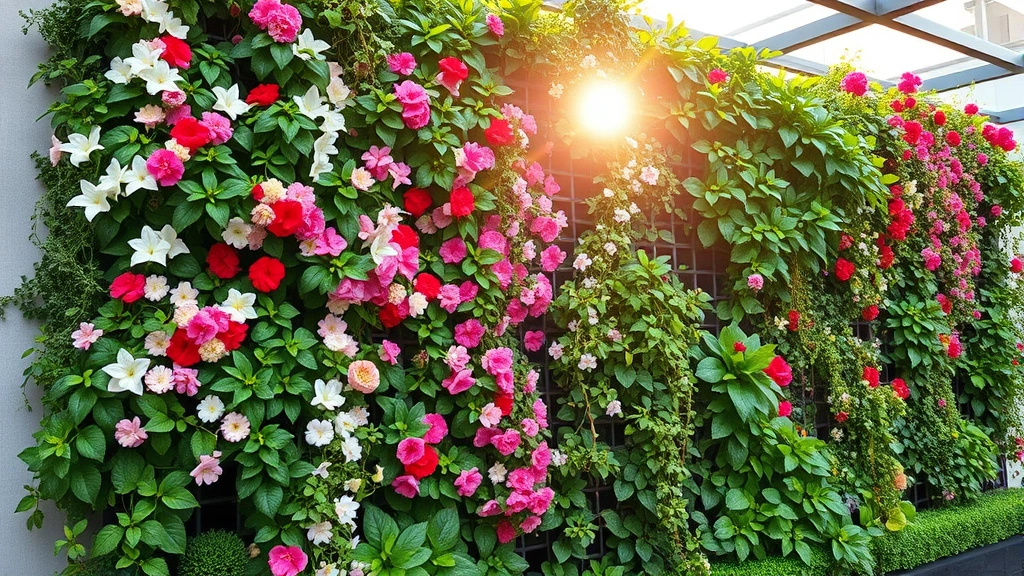
Urban gardeners and those with limited outdoor space are embracing vertical growing systems at unprecedented rates in 2024. Wall-mounted planters, trellises, living walls, and tower gardens allow cultivation upward rather than outward, multiplying growing capacity in confined spaces. This trend addresses a genuine challenge: as property values rise and urban density increases, traditional in-ground gardens become impractical for many enthusiasts.
Vertical systems offer surprising horticultural advantages beyond space savings. Improved air circulation reduces fungal disease pressure, enhanced light exposure optimizes photosynthesis, and elevated cultivation simplifies harvesting and maintenance. Vegetables like tomatoes, beans, cucumbers, and lettuce perform exceptionally well on vertical structures. Ornamental vines, trailing succulents, and flowering perennials create stunning visual displays while occupying minimal footprint.
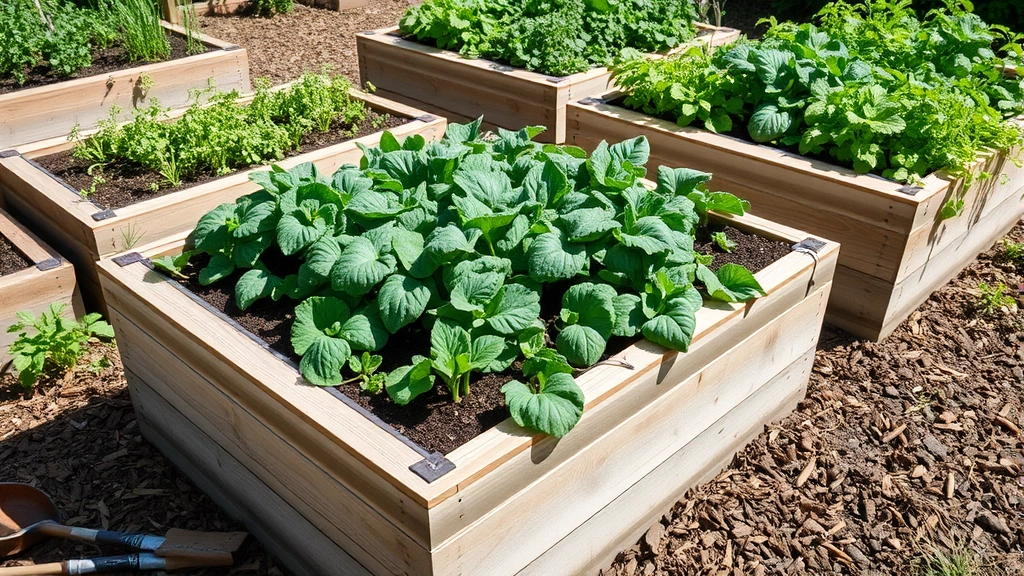
Elevated garden beds represent a practical middle-ground approach, raising cultivation surfaces 12-36 inches above ground level. This design improves drainage, warms soil faster in spring, reduces back strain during maintenance, and creates defined visual boundaries. Elevated beds are particularly valuable for gardeners with mobility challenges or those working with poor native soil. When filled with quality growing medium, they provide ideal conditions for vegetables, herbs, and ornamentals.
Espalier and fan-training techniques for fruit trees and ornamental shrubs are experiencing renewed interest among sophisticated gardeners. These formal training methods create beautiful living sculptures while maximizing light exposure and simplifying harvest. Espaliered apple, pear, and fig trees thrive against south-facing walls, providing fruit while serving as architectural features.
Native Plant Landscaping Dominates Design
The shift toward native plant gardening represents perhaps the most significant horticultural trend of 2024. Native plants—those naturally occurring in specific regions before European settlement—are perfectly adapted to local climate, soil, and precipitation patterns. They require minimal fertilization, rarely need supplemental irrigation once established, and support native wildlife populations that ornamental plants cannot.
Native plantings support entire ecological networks developed over millennia. Native plants provide food and habitat for birds, pollinators, and beneficial insects that were present when these plants evolved. When you start your green journey with native species, you’re participating in ecological restoration while reducing garden maintenance significantly.
Regional native plant societies and botanical institutions have become invaluable resources for identifying appropriate species. Resources like the Native Plant Society and Sierra Club’s native plant guides provide region-specific recommendations. Many areas have established seed exchanges and native plant nurseries dedicated to cultivating locally appropriate species.
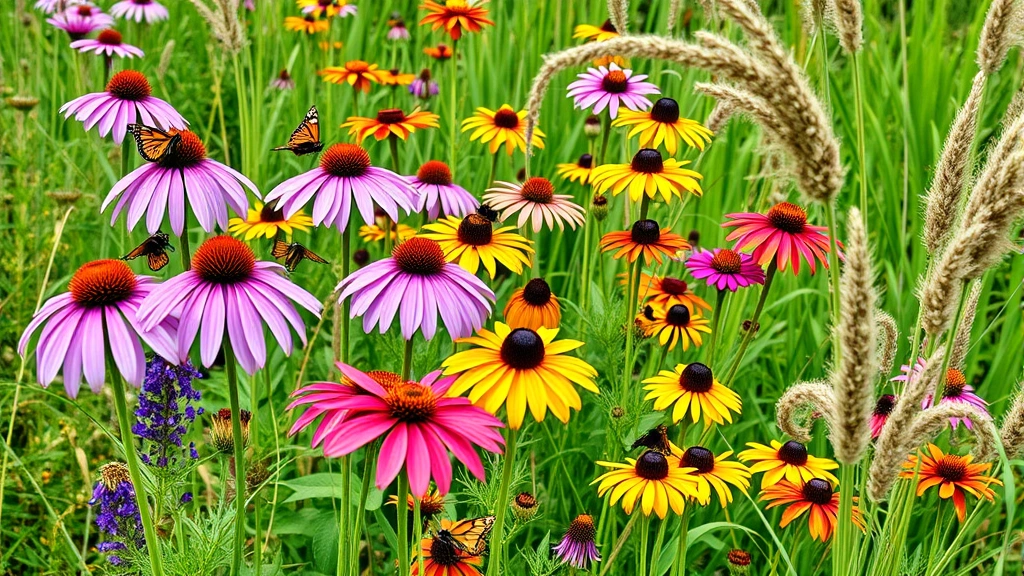
The aesthetic diversity of native plant communities challenges outdated perceptions of native gardening as “wild” or unkempt. Native plant combinations can be formally designed, colorfully diverse, and visually sophisticated. Spring ephemeral wildflowers, summer-blooming coneflowers and black-eyed Susans, fall asters, and winter-persistent seed heads create year-round interest while supporting ecological functions.
Tech-Integrated Garden Systems
Smart garden technology has matured significantly by 2024, moving beyond novelty into practical utility. IoT (Internet of Things) devices monitor soil moisture, temperature, light levels, and nutrient composition, transmitting data to smartphone applications that guide watering, fertilization, and pest management decisions. These systems are particularly valuable for busy gardeners or those managing multiple growing areas.
Automated watering systems with weather-responsive controllers represent the most accessible entry point into garden technology. These devices suspend watering when rain is forecast or has recently fallen, preventing overwatering while reducing water waste. Some systems incorporate soil moisture sensors that activate irrigation only when soil moisture drops below plant-specific thresholds.
Vertical farming systems and hydroponic towers have become increasingly affordable and user-friendly. These controlled-environment growing methods allow year-round cultivation of vegetables and herbs regardless of outdoor conditions. While requiring initial investment, they eliminate soil-borne diseases, reduce water usage by 95% compared to traditional cultivation, and enable production in spaces where traditional gardening is impossible.
Garden planning software and augmented reality applications help visualize designs before implementation. These tools allow experimentation with plant combinations, spatial arrangements, and design schemes, reducing costly mistakes. Time-lapse photography and weather-integrated apps help gardeners understand microclimatic variations within their properties, informing plant placement decisions.
Pollinator-Friendly Garden Spaces
Pollinator habitat creation has evolved from specialized interest into mainstream gardening priority as awareness of pollinator decline spreads. Gardeners are intentionally designing spaces that attract and support bees, butterflies, moths, and other crucial pollinators. This trend reflects both ecological concern and the realization that pollinator-friendly gardens are inherently beautiful and dynamic.
Continuous bloom throughout growing seasons ensures nectar and pollen availability for pollinators. This requires understanding phenology—the timing of flowering for different plant species—and selecting combinations that provide resources from early spring through late fall. Native wildflowers, flowering shrubs, and perennials typically offer superior pollinator support compared to heavily hybridized ornamentals.
Pollinator gardens require water sources, shelter, and nesting sites. Shallow basins with pebbles provide drinking water. Dead wood, brush piles, and hollow stems offer overwintering habitat. Avoiding pesticides is essential—even “pollinator-safe” products can disrupt pollinator behavior and nutrition. Embracing some level of imperfection, allowing plants to go to seed and providing unmanicured spaces, creates genuine pollinator habitat.
Creating succulent gardens with native sedums and sempervivums provides late-season nectar when other resources diminish. These drought-tolerant plants offer architectural interest while supporting monarch butterflies and other late-season migrants. Incorporating native wildflower seeds into garden designs ensures authentic pollinator support appropriate for your region.
Low-Maintenance Perennial Gardens
Time-strapped gardeners are gravitating toward perennial-dominant landscapes that reduce annual replanting and maintenance. Perennials return reliably each season, developing deeper root systems that improve drought tolerance and reduce fertilizer requirements compared to annuals. Well-designed perennial gardens provide years of reliable color and texture with minimal intervention.
Modern perennial design emphasizes structural elements, textural variety, and multi-season interest. Rather than focusing solely on bloom time, contemporary designers select plants for foliage color, form, seed head persistence, and architectural quality. Ornamental grasses provide movement and winter structure. Sedums and other architectural perennials offer geometric interest. Combining plants with different bloom times, heights, and textures creates depth and visual complexity.
Cutting back perennials at appropriate times—typically late winter or early spring—maintains vigor and prevents disease. Some gardeners are adopting “no-cut” strategies, leaving perennial stems standing through winter to provide wildlife habitat and visual interest during dormant seasons. This approach requires selecting sturdy species and accepting a more naturalistic aesthetic.
Soil health significantly impacts perennial performance and maintenance requirements. Adding compost annually, avoiding compaction, and maintaining appropriate mulch layers support robust growth and disease resistance. Healthy soils with abundant organic matter and biological activity require less fertilizer and tolerate environmental stress more effectively.
Outdoor Living Room Concepts
The boundary between indoor and outdoor spaces continues dissolving as gardeners create sophisticated outdoor rooms for entertaining, relaxation, and recreation. This trend reflects post-pandemic recognition of outdoor space value and increased investment in home environments. Gardens are evolving from peripheral landscaping into central living areas.
Outdoor kitchens, dining areas, and lounge spaces require thoughtful integration with planting. Trees and shrubs provide shade, privacy, and windbreaks while defining spatial boundaries. Vertical elements like trellises, living walls, and trained vines create intimate spaces within larger gardens. Garden fountains provide water features that moderate temperature, mask urban noise, and create focal points.
Lighting design transforms outdoor rooms for evening use. Warm LED lighting creates inviting ambiance while highlighting plant forms and architectural features. Path lighting improves safety while guiding visitors through gardens. Uplighting creates drama, illuminating tree canopies and specimen plants. Dimmers allow adjusting intensity to suit different occasions.
Seating areas benefit from strategic placement among plantings. Viewing gardens from comfortable seating positions encourages engagement with plants and wildlife. Raised planters adjacent to seating areas bring flowers and herbs closer for sensory appreciation. Fragrant plants positioned near gathering areas enhance the multisensory experience.
Protecting outdoor furniture and maintaining comfort requires appropriate garden gloves and maintenance tools. Durable, weather-resistant furnishings work best in outdoor rooms. Cushions and upholstery designed for outdoor use maintain appearance and function through varied weather conditions. Regular maintenance keeps outdoor spaces inviting throughout seasons.
FAQ
What’s the single most important 2024 gardening trend I should adopt?
Native plant landscaping offers the greatest return on investment for most gardeners. Native plants require minimal maintenance once established, support local wildlife, adapt to regional climate conditions, and create beautiful, ecologically functional landscapes. Starting with native species transforms your garden’s productivity and sustainability regardless of garden size or experience level.
Are these trends suitable for small urban gardens?
Absolutely. Vertical gardening, native plant selections appropriate for containers, pollinator-friendly plantings, and smart irrigation systems work exceptionally well in limited spaces. Urban gardeners often benefit most from trend adoption since these approaches maximize productivity and minimize resource consumption in space-constrained situations.
How much does implementing 2024 gardening trends cost?
Garden trends accommodate all budgets. Native plants often cost less than traditional ornamentals. Vertical systems range from DIY trellises to sophisticated commercial towers. Rain gardens require minimal investment compared to traditional drainage solutions. Start with one trend aligned with your priorities and budget, then expand gradually as resources allow.
When should I implement these trends in my existing garden?
Late fall and early spring offer optimal timing for most changes. Perennial divisions and transplanting work best when plants are dormant or just emerging. Native plant installation suits fall seasons in many regions, allowing root establishment before summer stress. Planning in summer and implementing in autumn or spring prevents disrupting established gardens during peak growing seasons.
How do I learn more about region-specific gardening trends?
Consult local cooperative extension services, native plant societies, and botanical gardens. These institutions provide region-specific guidance aligned with local climate, soil, and ecological conditions. Master gardener programs offer comprehensive education and community connections. Online resources like USDA Plant Database provide detailed information on plant characteristics and regional appropriateness.
Can I combine multiple 2024 trends in one garden design?
Certainly—these trends complement each other beautifully. A rain garden planted with native species that supports pollinators, served by drip irrigation with soil sensors, and viewed from an outdoor seating area integrates multiple trends into cohesive design. The best gardens synthesize trends thoughtfully rather than adopting them superficially.


