Shade Cloth Benefits? Gardening Expert Insights
Shade cloth is one of the most underutilized yet transformative tools in modern gardening. Whether you’re dealing with scorching summer heat, protecting delicate seedlings, or extending your growing season in unexpected ways, understanding shade cloth benefits can revolutionize your garden’s productivity and health. Many gardeners overlook this simple solution, yet it can be the difference between thriving plants and stressed, wilting specimens struggling under intense UV radiation.
As a gardening expert, I’ve witnessed firsthand how shade cloth transforms gardens across different climates and seasons. From protecting newly planted vegetables to creating ideal conditions for shade-loving perennials, this versatile material deserves a prominent place in every gardener’s toolkit. In this comprehensive guide, we’ll explore the science behind shade cloth, its practical applications, and how to choose the right type for your specific gardening needs.
Understanding Shade Cloth Basics
Shade cloth is a woven, knitted, or perforated fabric designed to reduce light intensity and heat while still allowing air circulation and water penetration. Unlike solid structures such as walls or dense canopies, shade cloth represents a middle ground—it filters sunlight rather than blocking it entirely. This distinction is crucial because plants still need light for photosynthesis; they simply need protection from excessive intensity.
The fabric comes in various densities, typically ranging from 30% to 90% shade. The percentage indicates how much sunlight the cloth blocks. A 30% shade cloth allows 70% of sunlight through, while an 80% shade cloth allows only 20%. The material itself is usually made from high-density polyethylene (HDPE), polypropylene, or aluminum-infused fabrics designed to withstand UV exposure and weather conditions.
Understanding the construction of shade cloth helps explain its effectiveness. The woven or knitted structure creates tiny spaces that scatter and absorb light rays, reducing their intensity without completely blocking them. This design also promotes air circulation around plants, preventing the stagnant, humid conditions that can encourage fungal diseases. Many modern shade cloths include UV stabilizers to prevent degradation from prolonged sun exposure.
When you’re setting up a new garden, incorporating shade cloth infrastructure from the start demonstrates foresight. Rather than retrofitting later, you can plan your garden layout with shade cloth systems in mind, creating versatile growing zones that adapt to seasonal changes.
Key Benefits for Plant Health
The primary benefit of shade cloth is protecting plants from heat stress. During peak summer months, intense sunlight can raise leaf surface temperatures far above what plants can tolerate. This causes photosynthesis to shut down, transpiration to accelerate uncontrollably, and ultimately leads to wilting, leaf scorch, and reduced yields. Shade cloth reduces these temperature spikes, maintaining more moderate conditions that allow plants to function optimally.
Improved Water Efficiency represents another significant advantage. By reducing heat load and evaporation rates, shade cloth decreases the frequency and volume of watering required. This benefit becomes increasingly valuable in drought-prone regions or during water-restricted seasons. Plants protected by shade cloth require less frequent irrigation because they lose less moisture through transpiration.
Extended Growing Seasons are possible with strategic shade cloth use. In spring, shade cloth can protect tender seedlings from sudden temperature fluctuations and intense UV exposure. In fall, it can extend the growing season for cool-season crops by moderating temperature drops and protecting plants from early frosts when used with proper ventilation.
For gardeners interested in how to grow peas in your garden, shade cloth is essential. Peas thrive in cooler conditions and often bolt or stop producing when temperatures exceed their preferences. Strategic shade cloth application during hot months allows continuous pea production.
Disease Prevention benefits from shade cloth’s ability to maintain moderate humidity and air circulation. Many fungal diseases thrive in hot, humid, stagnant conditions. Shade cloth reduces temperature extremes and promotes air movement, creating less favorable conditions for pathogenic fungi. The reduced intensity of direct sunlight also minimizes leaf burn and damage that could serve as entry points for pathogens.
Light Intensity Control is essential for shade-loving plants. Hostas, ferns, hellebores, and many woodland plants naturally evolved under forest canopies receiving dappled light. Shade cloth replicates these natural conditions, allowing gardeners to cultivate shade-loving species in otherwise sunny locations. The filtered light maintains the plant’s preferred growing conditions without requiring complete shade.
Choosing the Right Shade Percentage
Selecting the correct shade percentage is critical for success. Different plants have different light requirements, and the intensity of your local sunlight varies by latitude, season, and surrounding structures. Understanding these variables prevents the common mistake of either insufficient or excessive shading.
30-50% Shade Cloth works well for sun-loving vegetables and herbs that benefit from afternoon protection during peak summer heat. Tomatoes, peppers, eggplants, and basil fall into this category. These plants need substantial light for production but appreciate relief from the most intense afternoon rays. In cooler climates, even 30% shade may be unnecessary except during the hottest weeks.
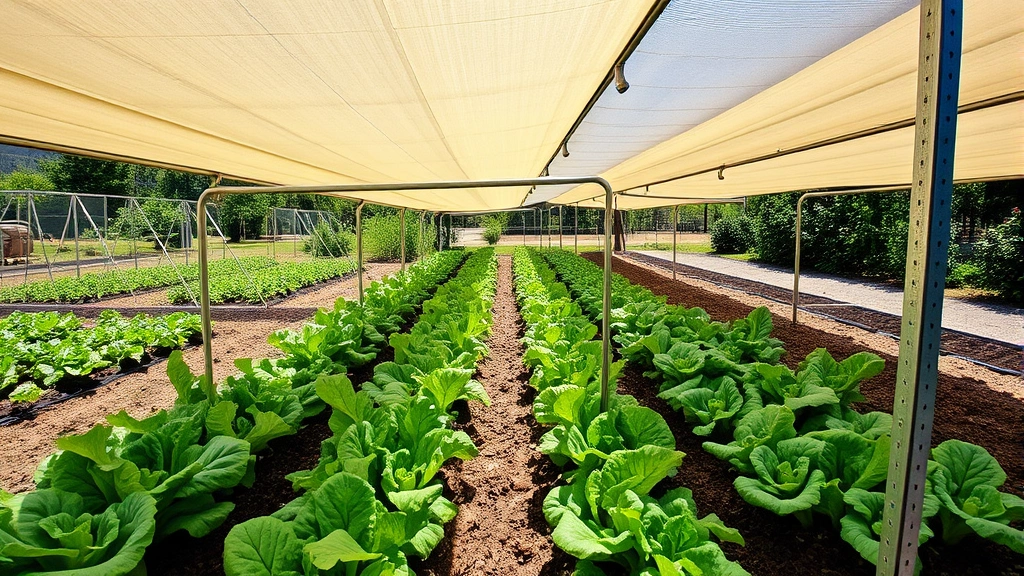
50-70% Shade Cloth suits cool-season crops and plants with moderate light requirements. Lettuce, spinach, kale, and other leafy greens thrive under this level of shade, especially during summer months. These crops naturally prefer cooler conditions and bolt quickly when exposed to full summer sun. The 50-70% range provides sufficient light for photosynthesis while maintaining the cooler temperatures these plants prefer.
70-90% Shade Cloth is appropriate for shade-loving plants and extremely hot climates. Ferns, hostas, hellebores, and other woodland species require this level of light reduction. In desert climates or regions with extreme summer heat, even sun-loving plants may benefit from 70% shade during the hottest months.
When planning your garden bed and trellis setup, consider incorporating multiple shade cloth options. A system allowing you to swap between different percentages provides maximum flexibility as seasons change and plant needs evolve.
Seasonal Adjustment is crucial. The same plant may need 30% shade in July but no shade in April. As the sun’s angle changes throughout the year, light intensity at ground level varies dramatically. Many experienced gardeners use lighter shade cloth in spring and fall, then switch to heavier cloth during peak summer months.
Seasonal Applications and Timing
Spring deployment of shade cloth requires careful timing. Tender seedlings benefit from 30-50% shade immediately after transplanting outdoors, protecting them from sudden exposure to intense sun. However, once established, most plants need shade cloth removed to maximize light and promote strong growth during the lengthening days of spring.
Summer Shade Cloth Installation should ideally occur just before the hottest period in your region. In most areas, this means late May or early June. Installing too early wastes the benefit of spring’s cooler temperatures and lower light intensity. Installing too late means plants endure stress before protection arrives. Monitor local weather patterns and install shade cloth when daytime temperatures consistently exceed your target plant’s comfort range.
Fall Transition involves removing shade cloth as temperatures moderate. Most gardeners remove shade cloth in late August or September, allowing plants to maximize available light as day length decreases. However, in regions with extended hot falls, leaving shade cloth in place through September may be beneficial.
Winter Considerations rarely require shade cloth in most climates. The sun’s low angle and reduced intensity mean shade cloth would only reduce essential light without providing temperature benefits. However, in very sunny, warm winter climates, some gardeners use light shade cloth to protect tender plants from unexpected warm spells that might trigger premature growth.
Installation Methods and Setup
Proper installation ensures shade cloth functions effectively and withstands weather stress. Several methods work depending on your garden’s layout and structures.
Frame-Based Installation involves constructing or using existing structures like garden arch trellis systems. Metal or PVC frames provide permanent mounting points for shade cloth. This method works excellently for permanent garden beds and allows cloth to be quickly attached and removed seasonally. The frame elevation creates air space beneath the cloth, promoting circulation.
Rope and Pulley Systems offer flexibility for larger areas. Secure ropes between posts or trees, then drape shade cloth over them. This simple approach allows easy adjustment and removal. The cloth can be rolled up and stored when not needed. However, ensure ropes are properly tensioned to prevent sagging and water pooling.
Direct Attachment Methods use clips, zip ties, or sewing to attach cloth directly to raised beds, containers, or low structures. This works well for small-scale applications and provides maximum light transmission since the cloth sits close to plants. Ensure attachment points are secure enough to withstand wind and weather.
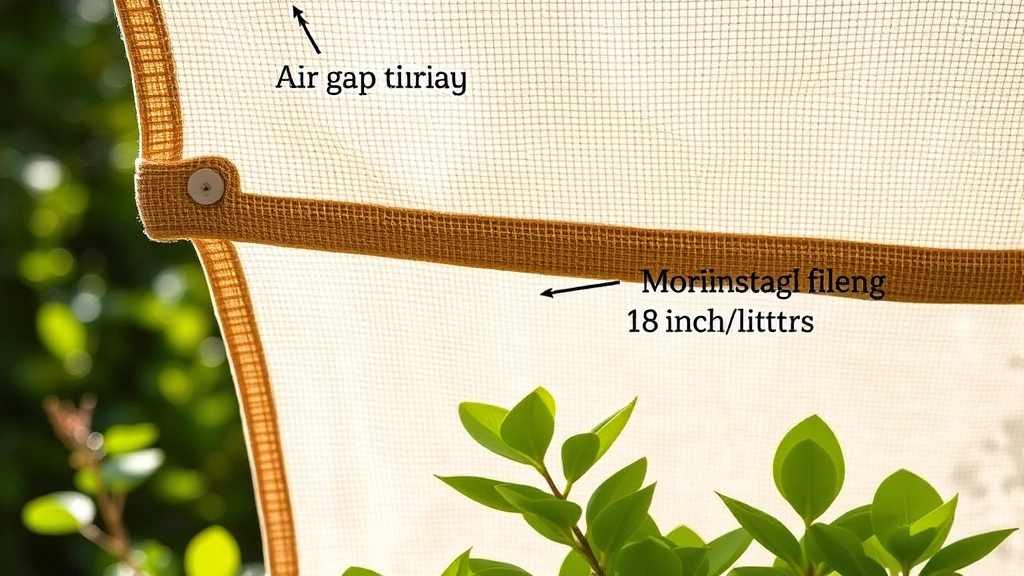
Height Considerations affect plant health significantly. Shade cloth should be positioned 12-24 inches above plant foliage, creating an air gap that promotes circulation. Cloth touching leaves traps moisture and heat, potentially creating the humid, stagnant conditions that encourage disease. The air space beneath the cloth allows air circulation while maintaining the temperature reduction benefit.
Ventilation and Airflow matter as much as the shade itself. Ensure shade cloth doesn’t completely enclose plants. Leave sides open or use cloth that allows air penetration. This balance between shade and ventilation prevents excessive humidity while maintaining temperature moderation.
Shade Cloth for Specific Vegetables
Tomatoes and Peppers typically need 30% shade cloth during the hottest weeks. These heat-loving crops still require substantial light, but intense afternoon sun in mid-summer can cause blossom-end rot, sunscald, and reduced fruit set. Afternoon shade in July and August allows continued production without heat stress.
Leafy Greens are perhaps the best candidates for shade cloth. Lettuce, spinach, arugula, and kale bolt quickly when temperatures exceed 75°F. Under 50-70% shade cloth, these crops remain tender and productive even during summer months. This application extends the traditional cool-season crops into warm seasons, dramatically increasing your harvest window.
Root Vegetables like carrots and beets benefit from moderate shade, particularly in hot climates. While the roots develop underground, the foliage still experiences heat stress. 30-50% shade cloth promotes healthy foliage development without compromising root quality.
Herbs show varied responses. Basil appreciates 30% shade during peak heat, extending its productive season. However, Mediterranean herbs like oregano and thyme need full sun and typically don’t require shade cloth. Mint and parsley benefit from afternoon shade in very hot climates.
When incorporating shade cloth into your garden soil preparation strategy, consider that shaded areas may retain moisture longer. If you’ve invested in quality garden soil, shade cloth placement affects water retention and may reduce watering frequency. This interaction between shade cloth and soil moisture deserves consideration during garden planning.
Climate Considerations
Hot, Arid Climates benefit most dramatically from shade cloth. Desert and semi-arid regions often experience temperatures exceeding 100°F with intense UV radiation. Even heat-loving plants struggle under these extremes. Shade cloth becomes essential infrastructure for summer gardening in these areas, potentially enabling year-round production of cool-season crops under adequate shade.
Humid Subtropical Climates present different challenges. High humidity combined with heat creates ideal conditions for fungal diseases. Here, shade cloth’s benefit extends beyond temperature moderation to disease prevention. The improved air circulation and slightly cooler conditions reduce fungal pathogen activity.
Temperate Climates with moderate summers may need shade cloth only during brief intense periods. Late June through mid-August often requires protection, while May and September typically allow full sun exposure. Flexible systems that allow quick installation and removal suit these climates best.
High-Altitude Locations experience intense UV radiation due to thinner atmosphere, even at moderate temperatures. Shade cloth here serves primarily to reduce UV intensity rather than manage heat. 30-50% cloth often suffices because temperatures remain moderate despite intense radiation.
Coastal Environments sometimes benefit from shade cloth’s wind-breaking properties. Coastal areas often experience strong winds that desiccate plants. Shade cloth, properly installed, reduces wind impact while providing shade and temperature moderation.
When establishing a garden in any climate, researching local temperature patterns, humidity levels, and historical weather data informs shade cloth decisions. Contact your local Master Gardener program for region-specific recommendations.
FAQ
Can shade cloth be left up year-round?
Leaving shade cloth up year-round isn’t recommended for most applications. During seasons with lower light intensity (fall, winter, early spring), shade cloth unnecessarily reduces light availability without providing temperature benefits. Removing cloth seasonally maximizes year-round plant health and productivity. However, in extremely hot climates where heat management is needed even during cooler seasons, some gardeners use light shade cloth year-round.
Does shade cloth reduce water needs significantly?
Yes, shade cloth substantially reduces water requirements. By lowering temperature and reducing evaporation, most plants under shade cloth require 20-30% less water than unshaded plants. However, this varies by plant type, soil composition, and local humidity. Monitor soil moisture and adjust watering accordingly rather than assuming reduced watering will work for all plants.
What’s the lifespan of shade cloth?
Quality shade cloth typically lasts 3-5 years with proper care. UV-stabilized fabrics resist degradation longer than standard materials. Storing cloth in a cool, dry location during off-season extends lifespan. Removing cloth during heavy winds and storms prevents tearing and damage that shortens functional life.
Can I use shade cloth in containers?
Absolutely. Container gardens benefit greatly from shade cloth, especially in hot climates where containers heat up quickly. Use lightweight frames or clip systems to attach cloth above containers. Ensure air circulation underneath to prevent moisture accumulation.
Is expensive shade cloth worth the investment?
Premium shade cloth with UV stabilizers and reinforced edges lasts longer and performs better than budget options. For permanent installations, investing in quality cloth saves money long-term through extended lifespan. For temporary seasonal use, standard cloth may suffice. Consider your climate intensity and how heavily you’ll use the cloth when deciding on quality level.
Can shade cloth protect plants from frost?
Shade cloth alone provides minimal frost protection. However, when combined with row covers or other insulating materials, it can offer some protection. The most effective frost protection comes from materials specifically designed for insulation rather than shade cloth. In early fall, shade cloth can slow temperature drops slightly, but don’t rely on it for serious frost protection.
How do I prevent algae or mold growth on shade cloth?
Occasional rinsing with water removes surface algae and mold. Ensure good air circulation underneath cloth to prevent moisture accumulation. During storage, allow cloth to dry completely before rolling it up. Storing in a well-ventilated location prevents moisture-related degradation.


