Choosing the right garden scissors is one of the most overlooked yet essential decisions any gardener can make. Whether you’re deadheading roses, harvesting herbs, or pruning delicate stems, the quality of your cutting tool directly impacts your plants’ health and your gardening efficiency. After years of testing dozens of models in real garden conditions, I’ve learned that not all scissors are created equal—and investing in a quality pair can transform your gardening experience.
The right garden scissors should feel like an extension of your hand, offering precision, comfort, and durability through countless cutting tasks. In this comprehensive guide, I’ll share my professional insights on selecting the best garden scissors for your specific needs, reviewing top-performing models, and explaining the features that separate exceptional tools from mediocre ones.
Why Quality Garden Scissors Matter
Poor quality scissors can crush plant stems rather than cut them cleanly. When you use dull or misaligned blades, you create jagged edges that expose plants to disease and pest damage. This is particularly important when growing edible plants in your garden—clean cuts on herbs and vegetables preserve their quality and encourage faster healing.
I’ve observed countless gardeners struggle with hand fatigue because their scissors lack proper ergonomics. Quality garden scissors feature balanced weight distribution, cushioned handles, and blade geometry that minimizes hand strain during extended use. When you’re working in the garden for hours, pruning back perennials or maintaining native plants, the difference between cheap and quality scissors becomes immediately apparent.
The investment in premium garden scissors pays dividends through improved plant health, reduced fatigue, and the satisfaction of making clean, precise cuts. Quality tools also last decades with proper care, making them genuinely economical despite higher initial costs.
Types of Garden Scissors
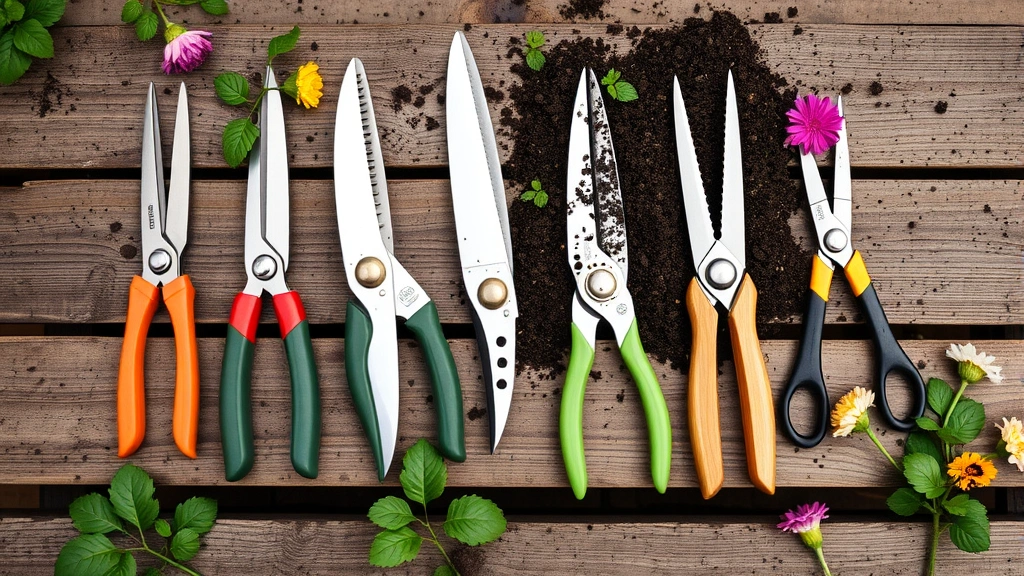
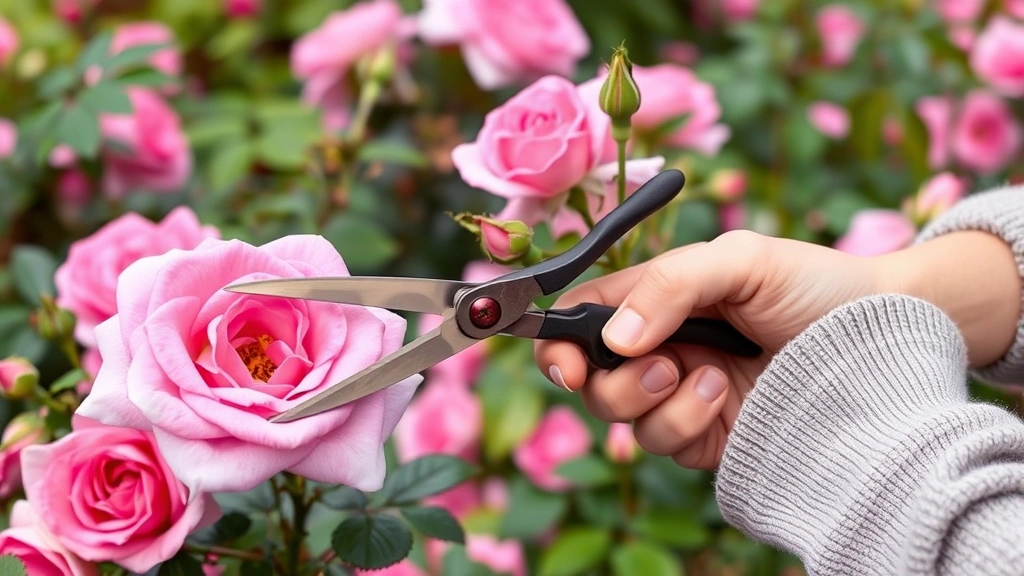
Bypass Scissors feature one curved blade that passes by a stationary blade, similar to a knife cutting against a board. These excel at making clean cuts on living plant tissue and are ideal for harvesting herbs, deadheading flowers, and pruning young stems. The curved blade design provides excellent precision and control.
Anvil Scissors have a straight blade that cuts against a flat surface. They’re better suited for cutting dried plant material, dead wood, and tougher stems. While they require less hand pressure, they can sometimes crush fresh plant tissue if not perfectly sharp.
Floral Scissors are specifically designed for flower arranging and detailed work. They typically have shorter, more delicate blades and are perfect for precise cuts in flower stems and fine foliage. These are essential if you’re regularly cutting flowers for arrangements.
Herb Scissors feature multiple parallel blades that cut several stems simultaneously. They’re specifically designed for harvesting larger quantities of herbs and are invaluable if you maintain container gardens with herbs.
Key Features to Evaluate
Blade Material and Sharpness are paramount. Look for stainless steel or carbon steel blades that maintain a sharp edge. Stainless steel resists corrosion but can be slightly harder to sharpen, while carbon steel sharpens easily but requires more maintenance. The blade edge should be honed to approximately 20-30 degrees for optimal cutting performance.
Handle Design significantly impacts comfort and safety. Ergonomic handles with finger rests reduce fatigue and prevent blisters. Materials like rubber or foam provide better grip than hard plastic, especially when hands are wet from morning dew. The handle opening should accommodate your hand size without forcing your grip.
Weight and Balance matter more than you might think. Scissors that are too heavy cause hand fatigue, while excessively light scissors may feel insubstantial and lack cutting power. The ideal weight is typically 3-5 ounces, with balance point near the blade junction.
Blade Length ranges from 1 inch for detailed work to 3 inches for larger stems. Longer blades provide more cutting power but less precision. Most gardeners benefit from 2-2.5 inch blades as a versatile middle ground.
Spring Mechanism opens the blades automatically after each cut. Quality springs maintain consistent tension throughout the tool’s life. Weak springs force you to manually open the blades, causing unnecessary hand strain.
Locking Mechanism keeps the blades closed during storage and transport. This protects both the blades and your hands. Look for smooth, reliable locks that don’t interfere with operation.
Top Garden Scissors Reviews
Felco F-6 Pruning Scissors consistently rank as the industry standard for professional and serious home gardeners. These Swiss-made scissors feature a curved bypass design with precision-ground stainless steel blades. The ergonomic handle fits most hand sizes comfortably, and the spring mechanism remains responsive through thousands of cuts. Replacement parts are readily available, making these scissors virtually lifetime tools. They excel at deadheading, harvesting herbs, and precise pruning work. The investment of $30-35 is recouped within the first season through durability alone.
Corona BP 3165 Pruning Scissors offer excellent value for budget-conscious gardeners. These bypass scissors feature a comfortable grip and reliable cutting performance on fresh stems. While not quite as refined as premium options, they perform admirably for general garden work and are particularly good for raised bed gardening where you’re frequently harvesting vegetables and maintaining plants. At around $15-20, they’re an excellent entry-level choice.
ARS HP-VS8Z Pruning Scissors are Japanese-made scissors that emphasize cutting performance on fresh plant tissue. The curved bypass blades are exceptionally sharp and require minimal hand pressure. These scissors are slightly more expensive at $25-30 but are worth the investment if you work extensively with delicate stems and flowers. The blade geometry is particularly effective for clean cuts on woody stems.
Gingher Knife Edge Embroidery Scissors might seem unconventional, but many experienced gardeners swear by them for detailed work. Originally designed for sewing, these scissors have remarkably sharp blades and precise control. They’re exceptional for floral work and detailed pruning, though they’re not ideal for tougher plant material. At $20-25, they’re a specialized tool worth owning if you do significant flower arranging.
Bahco PXM-M Pruning Scissors feature an innovative design with replaceable blades, reducing long-term costs. The bypass mechanism is smooth and reliable, and the handle ergonomics are excellent. These scissors are particularly good for gardeners who prefer to replace blades rather than sharpen them. Expect to pay $20-28 for the initial investment.
Maintenance and Care
Regular maintenance extends your scissors’ lifespan and maintains cutting performance. After each gardening session, wipe the blades with a clean, dry cloth to remove plant juices and sap. These substances can corrode metal and dull blades over time.
Sharpen your scissors regularly using a honing stone or professional sharpening service. Sharp blades require less hand pressure and create cleaner cuts that promote plant health. Most quality scissors need sharpening every 2-3 months with regular use. Never use garden scissors on paper or other materials—this dulls the blades quickly and reduces effectiveness on plants.
Oil the pivot point occasionally with light machine oil or specialized tool oil. This keeps the mechanism moving smoothly and prevents rust. Apply just a tiny amount and work it in by opening and closing the scissors several times.
Store scissors in a dry location, preferably with the blades closed and locked. Consider hanging them on a pegboard in your garden shed or potting area for easy access and protection. Avoid storing them in damp areas where corrosion can develop.
Comparing Scissors vs Shears
Many gardeners confuse scissors and shears, but they serve different purposes. Garden shears typically feature longer handles and are designed for cutting thicker branches and stems. They provide more leverage and cutting power but less precision. Shears work best for hedge trimming, cutting back perennials, and general pruning.
Garden scissors are better for detailed work, harvesting, and precise cuts on tender plant material. They offer superior control and are more suitable for working among delicate flowers and foliage. The choice between scissors and shears depends on your primary gardening tasks.
Ideally, every gardener should own both tools. Scissors handle the detailed work, while shears manage the heavy pruning. When establishing garden beds, you’ll find both tools essential for different maintenance tasks throughout the season.
Professional gardeners often carry multiple scissors in different sizes. Smaller scissors handle delicate flowers and herbs, while larger bypass scissors manage tougher stems. This approach ensures you always have the right tool for the specific task, improving efficiency and plant health.
FAQ
What size scissors should I choose for general gardening?
For most gardeners, 2-2.5 inch bypass scissors offer the best balance of cutting power and precision. This size handles herbs, flowers, and tender stems while remaining manageable for extended use.
Can I sharpen garden scissors myself?
Yes, you can sharpen scissors using a honing stone at a 20-30 degree angle. However, professional sharpening services ensure consistent results and proper blade alignment. Many gardeners prefer professional sharpening for precision tools.
Are expensive garden scissors worth the investment?
Quality scissors from reputable brands like Felco or ARS cost more initially but last decades with proper care. When divided over their lifespan, they’re often cheaper than replacing cheap scissors every few years.
Should I use the same scissors for different plants?
Using dedicated scissors for specific tasks extends their lifespan. Scissors used exclusively on fresh plant tissue stay sharper longer than those used on dried material. If possible, maintain separate tools for different gardening tasks.
How do I prevent rust on my garden scissors?
Keep scissors dry, oil the pivot point regularly, and store them in a dry location. Stainless steel resists rust better than carbon steel, though both require proper maintenance in humid environments.
What’s the difference between left-handed and right-handed scissors?
Left-handed scissors have the blade orientation reversed, allowing left-handed users to see the cutting line clearly. If you’re left-handed, investing in proper left-handed scissors makes a significant difference in comfort and precision.


