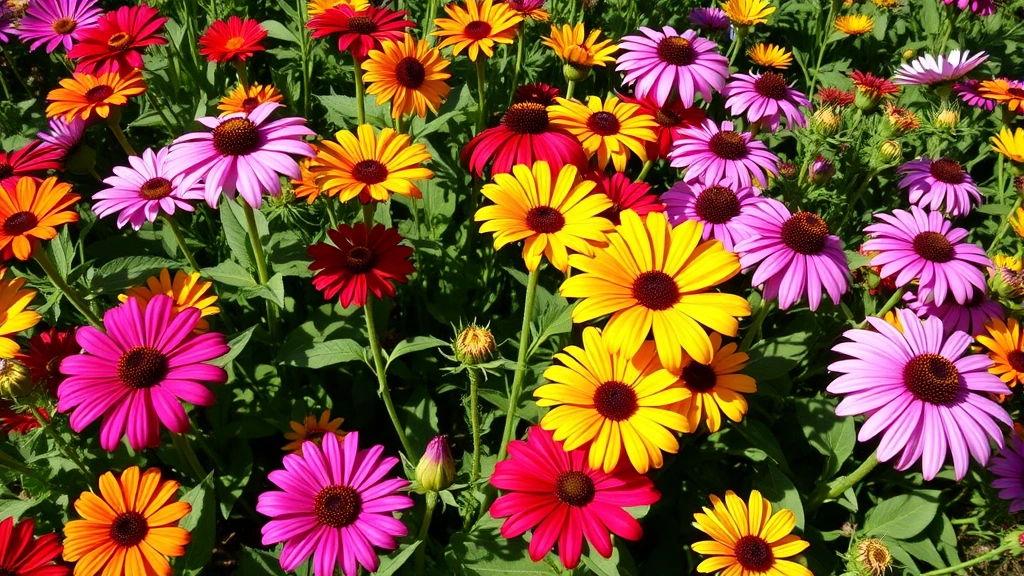
How to Create a Flower Garden: Expert Insights
Creating a vibrant flower garden transforms your outdoor space into a living masterpiece that delights the senses and attracts pollinators throughout the seasons. Whether you’re envisioning a cottage-style garden bursting with color or a serene landscape of complementary blooms, the process begins with understanding your site conditions, soil composition, and personal aesthetic preferences. This comprehensive guide walks you through every step of establishing a flourishing flower garden that thrives year-round.
A well-designed flower garden serves as more than just visual decoration—it creates habitat for beneficial insects, provides fresh cut flowers for arrangements, and offers therapeutic benefits through hands-on gardening activities. The key to success lies in careful planning, selecting appropriate plants for your climate zone, and establishing proper maintenance routines. With the right foundation and knowledge, even beginner gardeners can cultivate stunning displays that rival professional landscapes.
Assess Your Growing Conditions
Before purchasing a single seed or seedling, spend time observing your property throughout the day. Note which areas receive full sun (six or more hours of direct sunlight), partial shade (three to six hours), or full shade (less than three hours). This assessment fundamentally determines which flowers will thrive in each location. Most flowering plants prefer full sun conditions, though shade-tolerant varieties exist for challenging spots beneath trees or against north-facing walls.
Examine your soil composition by performing a simple jar test or submitting samples to your local USDA plant health division for professional analysis. Understanding whether your soil leans toward clay, sand, or loam—and its pH level—guides your amendment strategy. Additionally, consider drainage patterns after rainfall, wind exposure, and proximity to structures that might affect microclimate conditions. These environmental factors collectively influence plant selection and garden placement decisions.
Prepare and Improve Your Soil
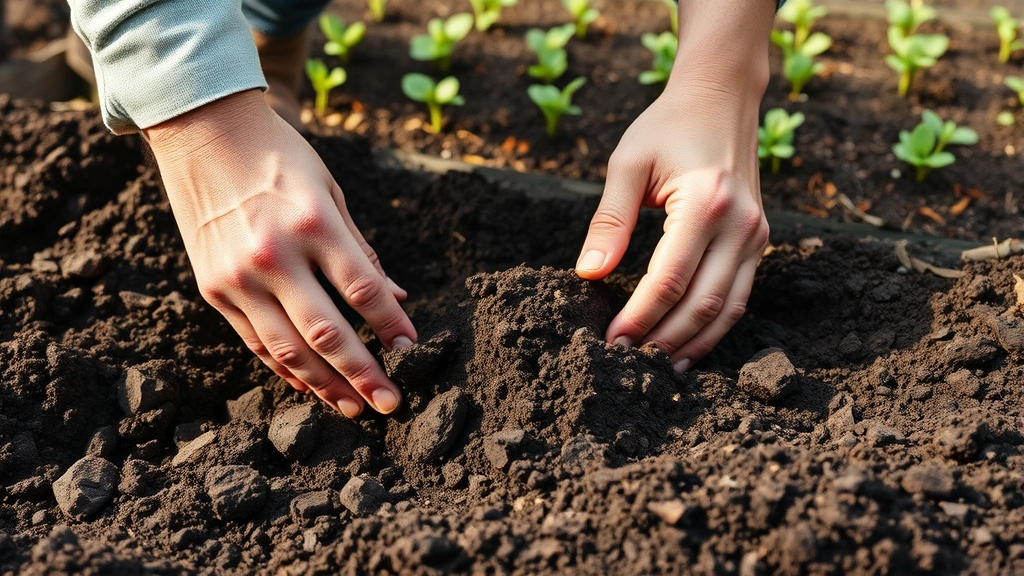
Quality soil forms the foundation of any successful flower garden. Begin by removing grass, weeds, and debris from your intended garden area. If starting a new bed, consider whether you’ll build raised beds or work with in-ground gardens. For raised beds, you’ll need to source quality soil mixtures, while in-ground gardens require amending existing soil.
Work organic matter thoroughly into your soil—this step cannot be overstated. Incorporate 2-4 inches of compost, aged manure, or peat moss into the top 8-10 inches of soil. This amendment improves water retention in sandy soils, enhances drainage in clay soils, and provides essential nutrients for flower development. The best soil for a garden bed typically contains a balanced mixture of organic matter, minerals, and beneficial microorganisms.
Test your soil pH, as most flowers prefer slightly acidic to neutral conditions (pH 6.0-7.0). If your soil tests acidic, apply lime according to test recommendations. If alkaline, sulfur amendments can lower pH over time. This investment in soil preparation pays dividends through improved plant vigor, reduced pest pressures, and decreased disease incidence throughout the growing season.
Choose Your Flower Garden Style
Flower garden styles range from formal geometric designs to naturalistic cottage gardens, each offering distinct aesthetic and maintenance profiles. A fairy garden approach incorporates miniature plants and whimsical elements, while traditional perennial borders emphasize color coordination and sequential blooming. Consider whether you prefer low-maintenance native plant gardens, cutting gardens optimized for arrangements, or specialized designs like rain garden plants that manage stormwater while providing habitat.
Your chosen style should complement your home’s architecture and existing landscape. Mediterranean-style gardens feature warm colors and drought-tolerant species, while English cottage gardens embrace profusion and mixed plantings. Modern minimalist gardens showcase specimen plants against clean lines, whereas wildlife-focused gardens prioritize native species that support local pollinators and beneficial insects. Clarifying your vision before purchasing plants prevents impulse buys that clash with your overall design.
Select Appropriate Flowers
Successful flower gardens balance annuals, perennials, and bulbs to create continuous color from spring through fall. Annuals like zinnias, marigolds, and cosmos provide abundant blooms throughout summer but require replanting yearly. Perennials such as coneflowers, daylilies, and black-eyed Susans return reliably each season, improving with age. Spring bulbs including tulips and daffodils offer early-season color before perennials emerge.
When selecting flowers, consider bloom time, mature height, color palette, and growing requirements. Group plants with similar water and light needs to simplify maintenance. Incorporate plants that attract pollinators—native wildflowers, lavender, and bee balm support butterfly and bee populations. Research cold hardiness zones to ensure your selections survive winter temperatures in your region. The USDA Plant Hardiness Zone Map provides essential reference information for plant selection.
Don’t overlook foliage plants, which provide texture and structure. Hostas, coral bells, and ornamental grasses create visual interest even when flowers fade. Variegated and colorful-leaved plants extend the garden’s visual appeal throughout the season. Consider including long-blooming varieties that flower for extended periods, reducing the need for frequent deadheading and succession planting.
Plan Your Garden Layout
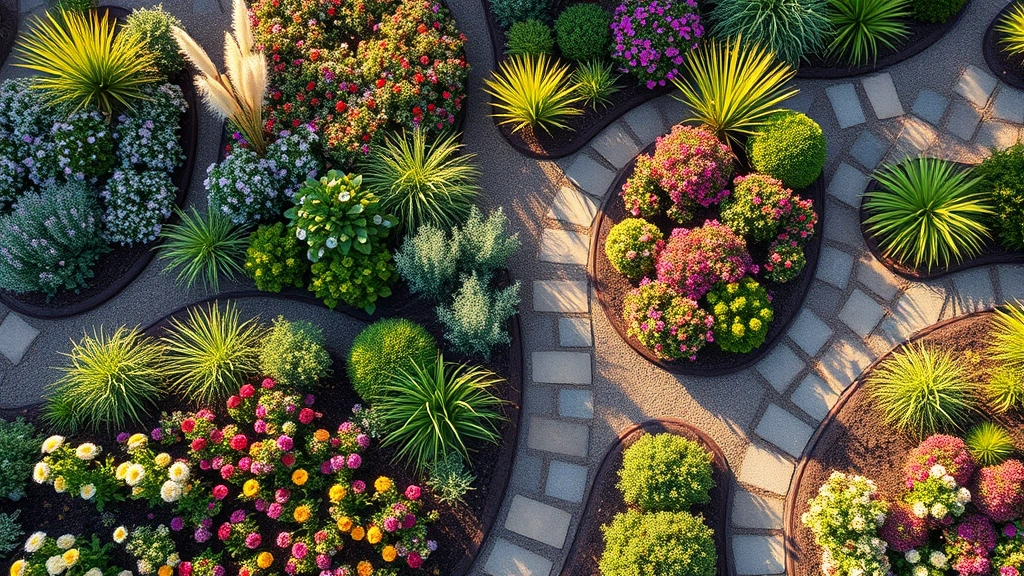
Sketch your flower garden on paper before planting, mapping plant locations and anticipated mature sizes. This planning prevents overcrowding and ensures proper spacing for air circulation. Arrange plants in drifts—groups of three, five, or seven of the same variety—rather than single specimens, which creates stronger visual impact and efficient maintenance.
Position tall plants toward garden backgrounds or centers (depending on viewing angle), medium plants in the middle layers, and short plants at edges. This tiered arrangement ensures all plants receive appropriate light and prevents taller varieties from shading shorter neighbors. Leave adequate spacing between plants to accommodate mature spread; don’t be tempted to plant densely, as this invites disease and pest problems.
Consider pathways and access points for maintenance, weeding, and harvesting. Even small flower gardens benefit from stepping stones or mulched paths that protect soil structure and provide comfortable access. If you use a garden stool for maintenance tasks, ensure adequate room to maneuver comfortably throughout the beds.
Plant Your Flowers
Timing matters significantly when planting flowers. Spring and fall offer ideal conditions for perennials and shrubs, as cooler temperatures and regular rainfall reduce transplant stress. Summer planting is possible but requires diligent watering until plants establish. Container-grown annuals can be planted after frost danger passes in spring and continue through summer for continuous color.
When planting, dig holes slightly wider than root balls and at the same depth plants occupied in their containers—planting too deep causes rot, while shallow planting leaves roots exposed. Gently loosen roots before placing plants in holes, backfill with amended soil, and water thoroughly to eliminate air pockets. Apply 2-3 inches of mulch around plants, keeping mulch several inches away from stems to prevent moisture-related diseases.
Water newly planted flowers consistently for the first several weeks until they establish strong root systems. Most plants require approximately one inch of water weekly through rainfall or irrigation. Container-grown annuals may need daily watering during hot periods, while established perennials typically need supplemental water only during drought conditions.
Establish Care Routines
Regular maintenance keeps flower gardens healthy and attractive. Deadheading—removing spent flowers—encourages continued blooming throughout the season and prevents self-seeding in unwanted locations. Pinching back young plants promotes bushier growth and more abundant flowering. Staking tall varieties prevents wind damage and maintains garden aesthetics.
Weeding becomes easier and more effective when performed regularly. Remove weeds when soil is moist, pulling them completely to prevent regrowth. Mulch suppresses many weeds while regulating soil temperature and moisture. As mulch decomposes, it enriches soil, so replenish annually to maintain 2-3 inch depth.
Fertilizing schedules depend on soil condition and plant types. Perennials typically need minimal fertilization once established, while annuals benefit from regular feeding every 2-3 weeks. Use balanced fertilizers or products formulated specifically for flowers, following package directions to avoid overfertilizing, which promotes excessive foliage at the expense of blooms.
Seasonal Maintenance Tasks
Spring: As soil becomes workable, remove winter mulch, divide overgrown perennials, and add fresh compost to beds. Plant summer annuals after frost danger passes. Install supports for tall plants early, before they require staking. Begin regular weeding and deadheading as flowers bloom.
Summer: Water deeply and consistently, especially during dry periods. Deadhead frequently to maintain continuous blooming. Monitor for pests and diseases, addressing problems early with targeted interventions. Cut flowers in early morning for arrangements, which extends vase life and encourages more blooms.
Fall: Reduce watering as temperatures cool and growth slows. Divide spring-blooming perennials and plant fall bulbs for next spring’s display. Cut back spent perennials to ground level after frost, leaving ornamental grasses and seed heads for winter interest and wildlife habitat. Apply fresh mulch layer as soil cools.
Winter: In cold climates, mulch protects perennial roots from freeze-thaw cycles. Monitor for winter damage from snow, ice, or extreme cold. Plan next year’s garden, reviewing which varieties performed well and which need replacement. Order seeds and bulbs for spring planting while selections remain available.
Consider specialized garden types when expanding your repertoire. A cactus garden offers an alternative approach for drought-prone regions, while visiting a Juniper Level Botanic Garden or similar public gardens provides inspiration and education about plant combinations and design principles.
FAQ
What’s the best time to start a flower garden?
Spring and fall offer ideal conditions for establishing flower gardens. Spring allows time for plants to establish before summer stress, while fall planting gives perennials time to develop strong roots before winter dormancy. Summer planting is possible but requires consistent watering. Choose timing based on your climate zone and available water resources.
How much space do I need for a flower garden?
Even small spaces—containers, window boxes, or 4×4 feet beds—can support beautiful flower gardens. Larger gardens offer more design possibilities, but quality matters more than quantity. Start with a manageable size you can maintain consistently, expanding as your skills and enthusiasm grow.
Can I create a flower garden in shade?
Yes, though shade gardens require shade-tolerant selections. Hostas, hellebores, astilbes, and woodland natives thrive in partial to full shade. Dappled shade under high-canopied trees often works better than dense shade, and even shade gardens benefit from morning sun when possible. Amend shade soil generously with compost, as shade areas often contain tree roots competing for nutrients.
How do I prevent pests and diseases?
Prevention begins with proper site preparation, appropriate plant selection, and correct spacing for air circulation. Water at soil level to keep foliage dry, reducing fungal disease risk. Remove diseased leaves promptly, and monitor plants regularly for early pest detection. Encourage beneficial insects through diverse plantings, and use targeted interventions only when problems become evident.
What flowers attract pollinators?
Native wildflowers, zinnias, cosmos, bee balm, coneflowers, and sunflowers attract bees and butterflies. Purple, blue, and yellow flowers particularly appeal to pollinators. Clustered flowers like yarrow and sedums provide landing platforms. Plant in drifts and provide diverse bloom times throughout the season to sustain pollinator populations.
Can I grow a flower garden organically?
Absolutely. Organic flower gardening emphasizes soil health through compost and organic amendments, integrated pest management, and companion planting. Avoid synthetic pesticides and fertilizers, instead using natural alternatives like neem oil, insecticidal soap, and organic fertilizers derived from plant or mineral sources. Healthy soil and strong plants naturally resist most pest and disease problems.
How do I choose colors for my flower garden?
Consider complementary colors (opposite on the color wheel) for bold contrast, analogous colors (adjacent on the color wheel) for harmonious blends, or monochromatic designs featuring varied shades of single colors. White and silver flowers brighten dark areas and tie color schemes together. Don’t overthink color—start with favorites and add plants that appeal to you, adjusting future selections based on results.


