Garden Grove: Ideal for Plant Lovers? Resident Insights and Growing Guide
Garden Grove, California, has long been a destination for those seeking a vibrant community with abundant green spaces and horticultural opportunities. For apartment dwellers and plant enthusiasts, the question remains: are Garden Grove apartments truly ideal for cultivating your passion for plants and gardening? This comprehensive guide explores resident experiences, practical growing solutions, and what makes this community special for plant lovers of all skill levels.
The city’s Mediterranean climate, year-round growing season, and established gardening community create a unique environment where both novice and experienced gardeners can thrive. Whether you’re living in a compact apartment or a spacious unit, Garden Grove offers numerous opportunities to develop your green thumb and connect with fellow plant enthusiasts who share your passion for cultivation and botanical beauty.
Climate and Growing Season Advantages
Garden Grove’s Mediterranean climate is one of its most significant advantages for plant lovers. Located in Orange County, the city experiences mild winters and warm summers, with average temperatures ranging from 58°F in winter to 82°F in summer. This temperate climate extends the growing season considerably compared to other regions, allowing residents to cultivate plants year-round with minimal frost concerns.
The city receives approximately 12 inches of annual rainfall, primarily during winter months, which means gardeners must implement smart watering strategies during dry seasons. This climate is particularly favorable for growing California natives, Mediterranean plants, succulents, and a wide variety of vegetables and herbs. Residents report that the consistent sunshine and mild temperatures make it easier to maintain healthy plants without the extreme weather challenges faced in other regions.
The USDA Hardiness Zone for Garden Grove is Zone 10a, which opens possibilities for growing tropical and subtropical plants that wouldn’t survive in cooler climates. This includes passion fruit vines, citrus trees, avocados, and exotic ornamentals that thrive in the region’s warm conditions. Understanding your local climate zone helps when selecting plants that will flourish with minimal intervention.
Long-term residents emphasize the importance of understanding microclimates within the city. Proximity to the coast can create cooler pockets with marine layer influence, while inland areas experience more intense heat. These variations affect plant selection and watering schedules, making it essential to observe your specific apartment location’s conditions before purchasing plants.
Apartment Gardening Solutions for Limited Spaces
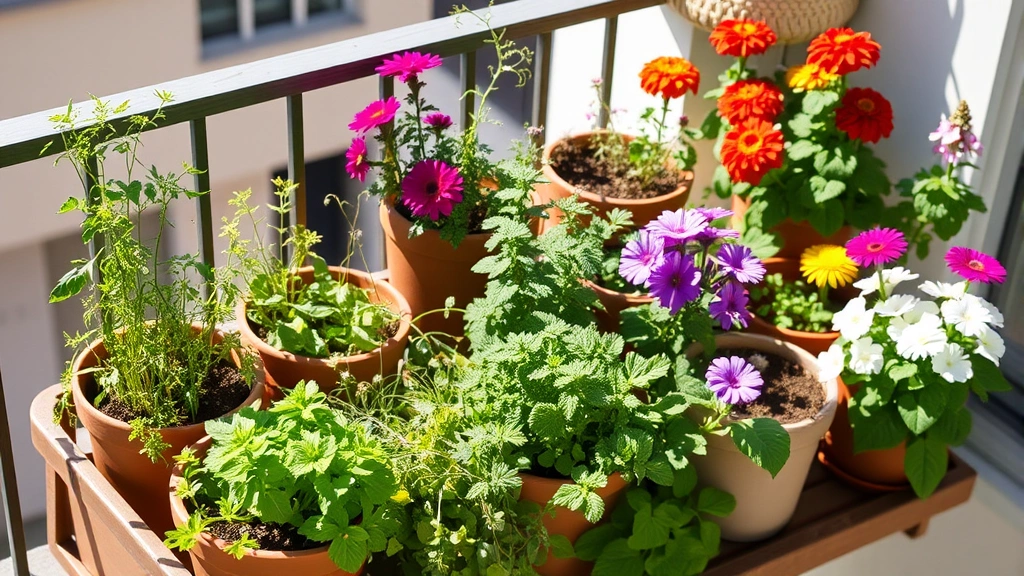
Living in Garden Grove apartments doesn’t mean sacrificing your gardening dreams. Modern apartment design increasingly accommodates plant enthusiasts, and numerous strategies exist for maximizing growing potential in limited spaces. Many Garden Grove apartments feature balconies, patios, or patio areas that provide excellent opportunities for container gardening and ornamental displays.
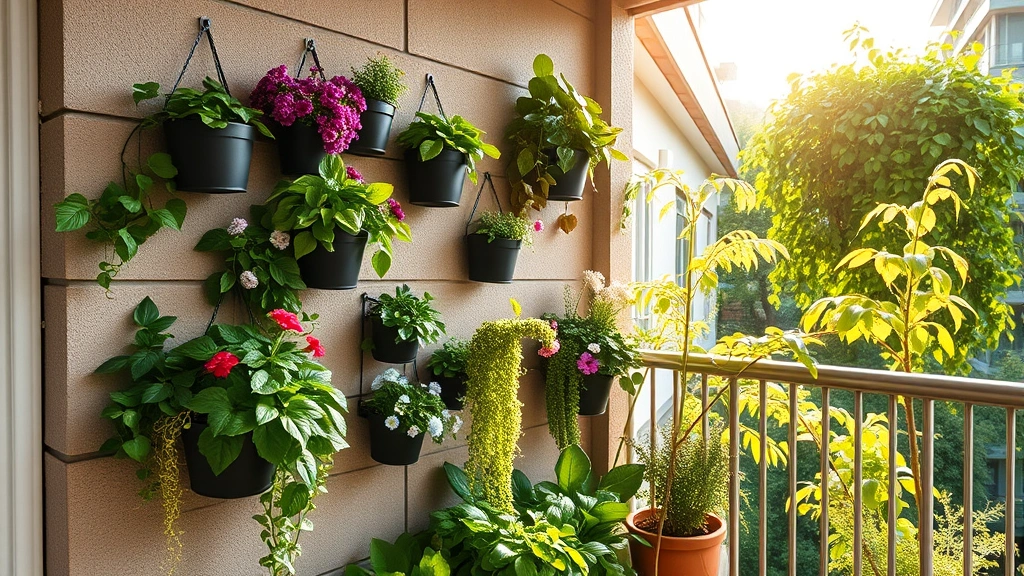
The vertical garden approach has revolutionized apartment gardening, allowing residents to grow upward rather than outward. Wall-mounted planters, hanging baskets, and tiered shelving systems transform small balconies into productive growing zones. Residents report success using trellises for climbing vegetables and vining plants that maximize vertical space while creating privacy screens and aesthetic appeal.
A practical solution gaining popularity among Garden Grove apartment dwellers is the cement block raised bed garden system. These modular units can be arranged on patios and balconies to create organized growing spaces. Some apartments offer ground-level patio areas where residents successfully implement compact raised beds for vegetables, herbs, and flowers.
Before investing in any gardening infrastructure, verify your lease agreements and HOA regulations. Most Garden Grove apartment communities permit container gardening on private balconies, though some restrict raised beds or require approval. Communicating with management about your gardening plans typically results in positive accommodations, as many properties recognize the mental health and aesthetic benefits of resident gardens.
Indoor gardening offers another dimension for apartment gardeners. South-facing windows provide excellent natural light for herbs, succulents, and shade-tolerant houseplants. LED grow lights have become affordable and efficient, enabling residents to create indoor growing stations for starting seeds or maintaining tropical plants during winter months.
Community Resources and Gardening Networks
Garden Grove hosts an active gardening community with numerous resources supporting both beginners and experienced cultivators. The Orange County Master Gardeners program provides free consultations, workshops, and horticultural education. These volunteers, trained by UC Davis, offer invaluable guidance on local plant varieties, pest management, and sustainable gardening practices.
The city’s parks and recreation department maintains demonstration gardens showcasing appropriate plant selections for the local climate. The Garden Grove Parks and Recreation offers seasonal classes on topics ranging from basic gardening tips for beginners to advanced propagation techniques. These community-sponsored programs are often free or low-cost, making horticultural education accessible to all residents.
Local nurseries throughout Garden Grove employ knowledgeable staff who understand regional growing conditions and can recommend appropriate plants for apartment settings. Building relationships with nearby nurseries provides ongoing support for plant selection, troubleshooting, and seasonal planting recommendations. Many nurseries offer workshops and plant clinics where residents can bring struggling plants for diagnosis and treatment advice.
Online gardening communities specific to Orange County and Southern California provide peer support and knowledge sharing. Facebook groups dedicated to local gardeners facilitate plant swaps, seed exchanges, and advice-seeking among residents who understand the specific challenges and opportunities of growing in Garden Grove. These networks have proven invaluable for troubleshooting plant problems and discovering new varieties suited to the area.
Resident Insights and Experiences
Longtime Garden Grove apartment residents consistently praise the city’s suitability for plant lovers, citing the mild climate and supportive community as key factors. Many report successfully maintaining thriving balcony gardens with dozens of plants, from ornamental houseplants to productive herb and vegetable gardens. Residents emphasize that the year-round growing season allows for continuous harvests and experimentation with diverse plant varieties.
Several residents highlighted the challenge of water management in the dry summers, noting that establishing efficient irrigation systems is essential for maintaining healthy plants during peak heat. Those with drip irrigation systems or self-watering containers report significantly reduced maintenance time and more consistent plant health. Investment in quality watering infrastructure pays dividends throughout the hot months.
Community-oriented residents praise the social aspects of apartment gardening in Garden Grove. Balcony gardens often spark conversations with neighbors, leading to plant exchanges, propagation sharing, and friendships based on shared horticultural interests. Several long-term residents described how their apartment balcony gardens became neighborhood gathering points and sources of community pride.
New residents transitioning from other climates expressed initial adjustment periods related to the dry season and intense sunlight. However, most adapted successfully after learning about local water conservation practices and implementing shade cloth during peak summer months. The learning curve is manageable, and the supportive gardening community ensures newcomers receive guidance and encouragement.
Residents particularly appreciate the ability to grow year-round, with spring and fall providing optimal conditions for cool-season crops. Summer allows for heat-loving plants, while winter’s mild temperatures prevent the devastating frosts that interrupt gardening in other regions. This extended growing season enables apartment gardeners to maintain continuous harvests and experiment with seasonal succession planting strategies.
Container Gardening and Balcony Growing
Container gardening represents the most practical approach for most Garden Grove apartment residents. This method offers flexibility, mobility, and the ability to optimize growing conditions for specific plants. Containers allow residents to control soil composition, drainage, and placement to maximize sunlight exposure and protect sensitive plants from excessive heat.
Successful container gardeners in Garden Grove recommend using high-quality potting soil amended with compost, ensuring excellent drainage and nutrient availability. Drainage holes are non-negotiable; without them, root rot develops quickly in the warm climate. Many residents use saucers beneath containers to capture excess water, reducing patio moisture while allowing plants to access water as needed.
Container size matters significantly for plant health. Larger containers retain moisture longer, reducing watering frequency during hot months. A general rule suggests containers at least 12 inches deep for vegetables and herbs, 18 inches for shrubs, and 24 inches or larger for trees. Many apartment gardeners use decorative large containers to create visual impact while providing adequate root space.
Balcony-specific considerations include wind exposure, which can desiccate plants and damage fragile stems. Residents in exposed locations report success using windbreaks or positioning containers strategically to reduce wind impact. Afternoon shade cloth protects sensitive plants from the intense summer sun, preventing leaf scorch and reducing water stress during peak heat periods.
Fertilization becomes important in container gardening, as nutrients leach from soil with regular watering. Many residents use slow-release fertilizers or organic options like compost tea and fish emulsion. Regular feeding throughout the growing season maintains plant vigor and productivity, particularly for vegetables and herbs that deplete nutrients quickly.
For those interested in creating beautiful displays, cut flower garden techniques work well on apartment balconies. Growing zinnias, sunflowers, cosmos, and other cutting flowers in containers provides fresh arrangements for indoor enjoyment while encouraging continued blooming. This approach adds aesthetic value to apartments while producing functional harvests.
Seasonal Planting Guide for Garden Grove
Fall (September-November): This is prime planting season in Garden Grove. Cool-season vegetables including lettuce, spinach, broccoli, and kale thrive when planted in September. Herb gardens flourish with basil, parsley, cilantro, and dill. Ornamental plants benefit from the cooler temperatures and established root systems before winter. Many residents start perennial seeds in fall for spring germination.
Winter (December-February): While mild, winter requires reduced watering as plants enter dormancy and rainfall increases. This season suits citrus harvests, root vegetables, and cool-season greens. Tender perennials may need frost protection during occasional cold snaps. Many gardeners use this period for garden planning and infrastructure maintenance.
Spring (March-May): Warming temperatures trigger explosive growth. Warm-season vegetables including tomatoes, peppers, squash, and beans succeed when planted after the last frost date (typically mid-March). Flowering annuals and perennials establish themselves beautifully in spring. This season demands increased watering as plants grow actively.
Summer (June-August): Heat-loving plants flourish, but watering becomes critical. Early summer remains productive for continued harvests, but late summer often sees reduced vegetable production as plants struggle with extreme heat. Shade cloth protects sensitive plants. Many gardeners focus on maintenance and preparation for fall planting during peak summer.
For apartment gardeners seeking practical solutions, implementing garden hose repair kits ensures irrigation systems remain functional throughout seasonal transitions. Regular maintenance prevents leaks that waste water and compromise plant health during critical growing periods.
Succession planting—staggering plantings every 2-3 weeks—extends harvests throughout seasons. Many Garden Grove residents practice this technique, ensuring continuous lettuce, beans, and herb availability. This approach maximizes productivity in limited container spaces and maintains garden interest throughout the year.
FAQ
Are Garden Grove apartments suitable for serious gardeners?
Yes, Garden Grove apartments offer excellent opportunities for serious gardeners. The year-round growing season, mild climate, and active gardening community support both hobbyists and dedicated cultivators. Many residents maintain highly productive balcony and patio gardens yielding vegetables, herbs, and ornamental plants throughout the year. Success requires understanding local conditions and implementing appropriate strategies for limited spaces.
What’s the best way to start a balcony garden in Garden Grove?
Begin by assessing your balcony’s sunlight exposure, wind conditions, and available space. Start with low-maintenance plants like herbs and succulents while learning local growing patterns. Use quality potting soil, ensure drainage, and establish a watering routine. Consider vertical solutions to maximize space. Connect with local Master Gardeners for personalized guidance based on your specific apartment location.
How much sunlight do plants need on Garden Grove balconies?
Most vegetables and fruiting plants require 6-8 hours of direct sunlight daily. Herbs typically need 4-6 hours. Balcony orientation determines sunlight availability—south and west-facing exposures receive intense afternoon sun, while north and east-facing balconies offer gentler light. Shade cloth can modify light intensity during extreme summer heat. Observe your balcony’s sun patterns before selecting plants.
What’s the most challenging aspect of apartment gardening in Garden Grove?
Water management during dry summers presents the primary challenge. Container plants dry quickly in heat and sun. Installing efficient irrigation systems, using moisture-retentive soil amendments, and mulching containers reduces watering demands. Many residents invest in drip systems or self-watering containers to maintain consistent moisture during peak summer months.
Can I grow food in Garden Grove apartments?
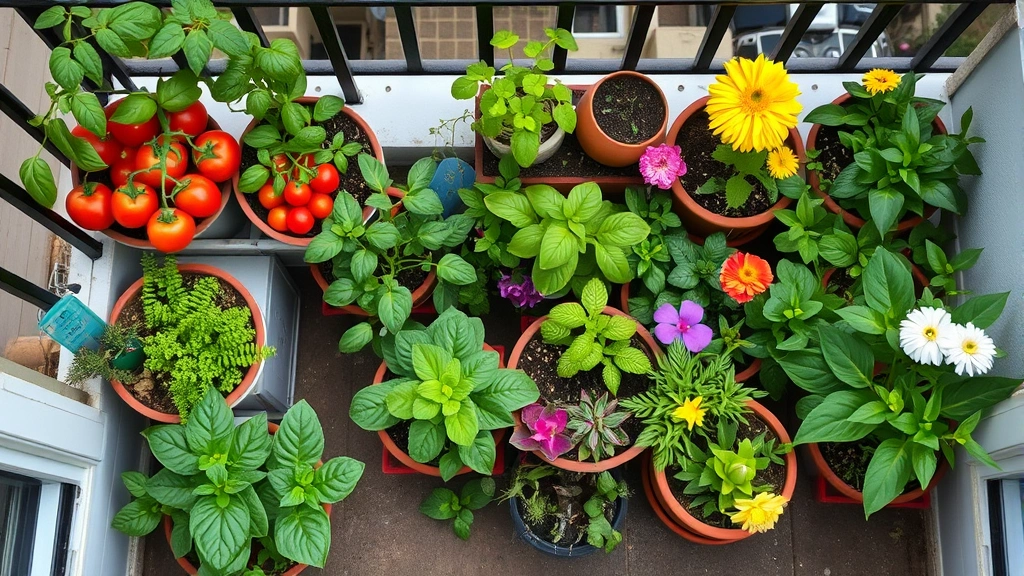
Absolutely. Container gardening supports productive vegetable, herb, and fruit gardens. Tomatoes, peppers, lettuce, herbs, and even dwarf fruit trees thrive in containers on balconies and patios. Cool-season crops flourish in fall and winter, while warm-season vegetables dominate spring and summer. Many residents achieve impressive harvests from modest apartment spaces through strategic planning and succession planting.
How do I connect with other gardeners in Garden Grove?
Join the Orange County Master Gardeners program, attend city-sponsored gardening classes, and connect with local nurseries. Online gardening groups focused on Southern California and Orange County provide peer support. Many apartment communities host gardening clubs or plant swap events. These connections provide invaluable knowledge sharing and community support for your gardening journey.


