
A garden bridge transforms ordinary landscapes into enchanting outdoor spaces, serving as both functional pathways and striking focal points. Whether spanning a water feature, elevated terrain, or simply connecting garden zones, bridges add architectural interest while encouraging exploration and contemplation. Professional landscape architects recognize that well-designed garden bridges create visual depth, establish sightlines, and invite visitors to experience different garden perspectives.
The beauty of incorporating a bridge into your garden design lies in its versatility. From minimalist modern structures to ornate traditional arches, garden bridges accommodate various aesthetic preferences and spatial constraints. They work particularly well when gardening with native plants that can frame the structure naturally, or when creating focal points within larger landscape designs. Understanding bridge design principles helps you select or construct a structure that enhances your specific garden environment.
Popular Garden Bridge Styles
Garden bridges come in distinct architectural styles, each offering unique visual and functional benefits. Japanese-style bridges, characterized by their distinctive arched design and elevated railings, create dramatic focal points and evoke peaceful, meditative qualities. These traditional structures work beautifully over water features, symbolizing the transition between different garden zones. The curved arch naturally encourages slower movement, promoting contemplation as visitors traverse the bridge.
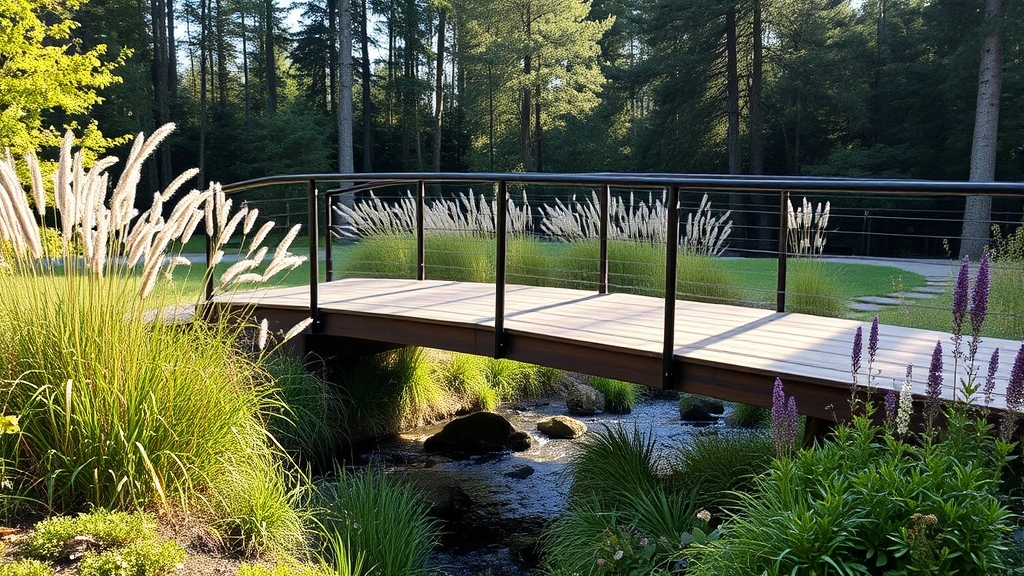
Contemporary minimalist bridges appeal to modern gardeners seeking clean lines and understated elegance. Featuring straight designs with simple railings, these structures blend seamlessly into modern landscapes without competing for visual attention. They pair exceptionally well with well-designed garden beds featuring ornamental grasses and architectural plants. Flat-deck designs offer practical advantages, particularly in smaller spaces where steep slopes aren’t feasible.
Cottage-style bridges embrace rustic charm, often incorporating natural materials like rough-hewn wood and wrought-iron details. These romantic structures suit traditional English gardens and naturalistic landscapes beautifully. Victorian-inspired designs with decorative railings and ornamental details create nostalgic atmospheres perfect for heritage gardens. Rustic log bridges, constructed from naturally fallen or sustainably harvested timber, blend harmoniously into woodland gardens and forest settings.
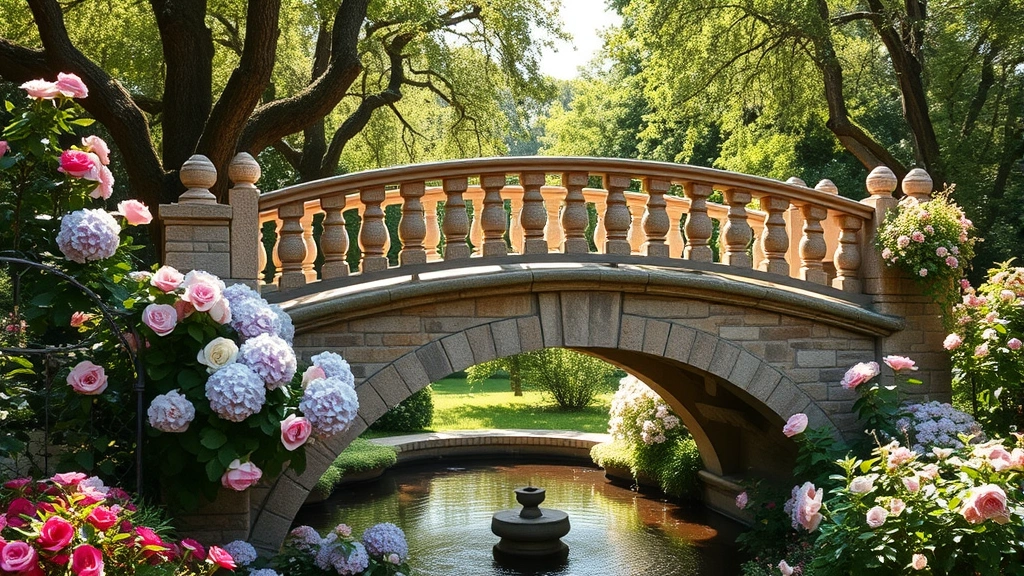
Arched stone bridges represent classic elegance and permanence. Though requiring significant construction expertise and investment, stone bridges withstand decades of use while developing attractive patinas. Stepped designs work well on steeper terrain, while gentle arches suit flat or gently sloping landscapes. The substantial presence of stone bridges makes them statement pieces that define entire garden aesthetics.
Materials and Construction Considerations
Selecting appropriate bridge materials depends on climate, usage frequency, aesthetic preferences, and budget constraints. Pressure-treated wood remains popular for residential gardens, offering accessibility and reasonable durability when properly maintained. Cedar and redwood provide natural decay resistance and attractive aging characteristics, though they require periodic sealing. Composite materials, blending wood fibers with plastic polymers, eliminate rot concerns and reduce maintenance while sometimes appearing less authentic.
Steel construction enables dramatic spans and modern designs impossible with wood alone. Weathering steel develops protective rust patinas, reducing maintenance while creating industrial-aesthetic appeal. Galvanized steel resists corrosion in moist environments but requires occasional cleaning to maintain appearance. Aluminum offers lightweight alternatives suitable for temporary installations or rooftop gardens.
Concrete provides economical durability for larger projects, though its industrial appearance requires careful integration into naturalistic settings. Stamped or colored concrete can mimic stone textures convincingly. Rope and cable designs create contemporary sculptural statements, working particularly well in modern landscapes. Stone construction demands professional expertise but delivers unmatched longevity and timeless beauty.
Structural considerations include load capacity, railing requirements, and foundation preparation. Bridges spanning water require proper footings below frost lines and erosion-resistant bank treatment. Elevated bridges need substantial support structures hidden beneath decking. Building codes typically mandate railings for bridges over eighteen inches high, with specific height and spacing requirements. Professional engineers should evaluate significant structures, particularly those spanning water or supporting heavy foot traffic.
Weather resistance fundamentally influences material selection. Wet environments favor materials with excellent drainage and rot resistance. Coastal areas demand corrosion-resistant options like marine-grade materials or stainless steel hardware. Regions with freeze-thaw cycles require durable materials that won’t deteriorate through seasonal expansion and contraction.
Placement and Integration Strategies
Strategic bridge placement maximizes visual impact while serving practical circulation purposes. Bridges spanning water features create natural focal points visible from multiple garden vantage points. Placing bridges where pathways naturally cross elevations eliminates unnecessary grading while adding architectural interest. Consider sightlines from seating areas, windows, and primary garden entrances when determining optimal bridge locations.
Integration with surrounding landscapes ensures bridges enhance rather than dominate gardens. Framing bridges with plantings creates cohesive compositions and softens architectural lines. Tall shrubs and specimen trees positioned near bridge approaches draw visitors naturally toward structures. Climbing vines on bridge railings integrate wooden structures into living landscapes over time. When constructing raised gardens nearby, bridges can connect elevated beds while creating visual continuity across grade changes.
Water features amplify bridge presence and functionality. Bridges spanning streams, ponds, or water gardens create focal points while enabling exploration of water-adjacent plantings. Even dry creek beds or shallow water features benefit from bridge treatment, suggesting water presence while remaining practical during dry seasons. The visual weight of water beneath bridges enhances their architectural significance.
Pathway connections determine bridge utility. Bridges should logically connect meaningful garden destinations—seating areas, specimen plantings, or garden rooms. Awkwardly placed bridges feel purposeless, detracting from overall landscape flow. Well-positioned bridges encourage circulation patterns that reveal garden sequences progressively, enhancing visitor experience and spatial perception.
Lighting considerations extend bridge functionality into evening hours while creating dramatic nighttime effects. Uplighting beneath bridges creates silhouettes, while deck lighting ensures safe navigation. Solar-powered options eliminate wiring complexities. Subtle lighting reveals bridge architectural details without overwhelming garden atmospheres.
Building Your Own Garden Bridge
DIY garden bridge construction suits confident homeowners with basic carpentry skills, particularly for simple designs on level terrain. Planning begins with accurate site measurements and clear design selection. Sketch designs on paper, establishing dimensions that match your space while maintaining proper proportions. Bridges typically range from six to twelve feet long, though dimensions depend entirely on your specific requirements.
Material gathering requires purchasing pressure-treated lumber, galvanized hardware, and optional railings. Quality hardware resists corrosion and maintains structural integrity over years. Footings demand proper preparation—dig below frost lines (typically twelve to thirty-six inches depending on climate) and set concrete piers. This foundation prevents frost heave and settling that destabilizes structures.
Construction sequencing matters significantly. Begin with footings and support structures, ensuring they’re level and properly spaced. Build the deck frame next, using substantial beams that span between footings. Decking boards attach perpendicular to frame members, with proper spacing for drainage. Railings install last, after main structure completion ensures stability.
Safety railings prevent accidents while adding design elements. Balusters (vertical spindles) typically space four inches apart maximum, preventing child entrapment. Handrails should measure thirty-four to thirty-eight inches high, following building code requirements. Sloped handrails improve accessibility and guide visitors naturally across spans.
Finishing touches protect wood and enhance aesthetics. Sealers and stains applied annually extend bridge lifespan significantly. Choose colors harmonizing with surrounding landscapes—natural wood tones, warm grays, or greens blend seamlessly into gardens. Avoid bright colors that compete with plantings and seasonal color.
Professional assistance becomes necessary for ambitious projects, water crossings, or structures exceeding eight feet. Licensed contractors ensure code compliance, proper engineering, and quality construction. Professional installation protects your investment and guarantees safety for all users.
Landscaping Around Bridges
Strategic planting transforms bridges from isolated structures into integrated garden elements. Specimen trees positioned near bridge approaches create natural framing and shade. Japanese maples, ornamental cherries, or flowering crabapples work beautifully with arched bridges, their delicate branching complementing architectural lines. Evergreen plantings provide year-round structure and backdrop interest.
Understory plantings soften bridge bases and banks. Hostas, ferns, and shade-tolerant groundcovers establish transitions between structures and natural landscapes. Flowering shrubs like hydrangeas or rhododendrons add seasonal color near bridge entries. When designing garden arches nearby, coordinate plant selections for visual harmony across garden structures.
Water-edge plantings enhance bridges spanning water features. Moisture-loving plants like astilbes, sedges, and cardinal flowers thrive on stream or pond banks while creating lush transitions. Aquatic plants in water below bridges extend color into reflected images, multiplying visual impact. Native plants support local ecosystems while appearing naturally appropriate in water gardens.
Pathway plantings leading to bridges encourage visitor movement and create anticipation. Linear plantings of ornamental grasses, perennials, or shrubs guide feet naturally toward structures. Stepping stones or mulch paths establish clear circulation patterns, preventing soil compaction around sensitive plantings. Accent plants positioned at bridge approaches create focal points drawing attention toward structures.
Seasonal plantings refresh bridge surroundings throughout the year. Spring bulbs brighten shaded banks, while summer perennials provide sustained color. Fall foliage reflects dramatically in water beneath bridges, creating memorable scenes. Winter structure from evergreens and architectural plants maintains interest when deciduous plantings rest.
Hardscape integration completes bridge surroundings. Decorative paving near bridge approaches creates clean transitions between natural and constructed elements. Seating areas positioned with bridge views encourage lingering and contemplation. Stone borders, edging, or mulch beds define planting areas while reducing maintenance demands. When incorporating flowering plants and arrangements in nearby beds, coordinate colors with bridge materials for cohesive designs.
Maintenance access matters practically. Design plantings to avoid blocking bridge pathways or creating safety hazards. Overhanging branches require periodic pruning to maintain safe clearance. Ground-level plantings shouldn’t obscure sightlines or create tripping hazards. Thoughtful spacing ensures beauty without compromising functionality.
Water gardens beneath bridges benefit from careful plant selection. Marginal plants around pond edges stabilize banks while adding color and texture. Floating aquatic plants create visual interest while providing habitat. Submerged oxygenating plants maintain water clarity and health. A balanced ecosystem reduces maintenance while supporting diverse wildlife attracted to water features.
Consider seasonal maintenance when selecting surrounding plantings. Deciduous plants require leaf cleanup, while evergreens demand occasional pruning. Perennials need deadheading and division over time. Low-maintenance native plantings reduce labor while supporting local ecology. Mulching reduces weeds and moisture loss while improving appearance.
FAQ
What’s the ideal bridge length for residential gardens?
Most residential garden bridges range from six to ten feet, accommodating typical water features or elevation changes. Shorter bridges (four to six feet) work in intimate spaces, while longer spans (twelve to sixteen feet) suit larger properties. Proportions should match surrounding landscapes—oversized bridges overwhelm small gardens, while tiny bridges appear insignificant in expansive settings.
Can I build a garden bridge without professional help?
Simple designs on level terrain suit experienced DIYers with basic carpentry skills. Bridges spanning water, exceeding eight feet, or on steep slopes demand professional engineering and construction. Consulting local building authorities ensures compliance with regulations before beginning projects. Many homeowners benefit from professional design even if they handle construction themselves.
What maintenance do wooden bridges require?
Wooden bridges need annual inspection for rot, loose fasteners, and structural damage. Sealing or staining every two to three years protects wood and extends lifespan. Remove debris promptly to prevent moisture accumulation. Replace damaged boards quickly to prevent deterioration. Properly maintained wooden bridges last fifteen to twenty-five years depending on climate and wood type.
How do I prevent slippery bridge decks?
Apply non-slip surface treatments like textured coatings, adhesive traction tape, or grooved decking. Ensure proper drainage to prevent water pooling. Overhanging trees create moisture and algae growth—trim branches appropriately. Regular cleaning removes moss and slippery algae. Consider roofed bridges in very wet climates.
What plants grow well near bridge footings?
Select plants tolerant of your specific conditions—shade-tolerant varieties near shaded bridges, moisture-loving plants near water features, and sun-loving specimens in open areas. Native plants typically establish easily while supporting local ecosystems. Avoid aggressive spreaders that might damage foundations or obscure pathways. Ferns, hostas, sedges, and shade perennials work beautifully in moist areas beneath bridges.
Can small gardens accommodate bridges?
Absolutely—even modest spaces benefit from bridges creating visual interest and encouraging exploration. Miniature bridges (three to five feet) work in small water features or raised beds. Arched designs create illusions of greater depth, making compact gardens appear larger. Bridges in small spaces should serve practical purposes, connecting distinct garden areas rather than existing as decorative elements alone.
External Resources:
- American Society of Landscape Architects — Professional guidance on landscape design and bridge integration
- United States Botanic Garden — Botanical expertise and garden design inspiration
- Oregon State University Extension Service — Horticultural research and landscape construction resources
- Association of Professional Landscape Designers — Professional design standards and best practices
- National Garden Scheme — Garden design inspiration and landscape architecture principles


