
Can Friendship Pots Thrive? Expert Insights on Growing Shared Gardens
Friendship pots represent a charming gardening tradition where friends or family members contribute cuttings or seeds to a communal container, creating a living symbol of their relationship. These shared planters have gained renewed popularity among gardening enthusiasts seeking meaningful ways to connect while cultivating plants together. The concept is simple yet profound: multiple people invest in a single pot, watching their contributions flourish side by side as a metaphor for growing bonds.
The success of friendship pots depends heavily on understanding the needs of each plant species included, managing shared care responsibilities, and selecting compatible specimens that thrive under similar conditions. Whether you’re starting your first friendship pot or refining your technique, expert insights reveal that these collaborative gardens can absolutely thrive when proper planning and care guidelines are followed. This comprehensive guide explores everything you need to know about creating and maintaining a flourishing friendship pot garden.
What Are Friendship Pots and Their Gardening History
Friendship pots, also known as friendship gardens or friendship planters, originated as a Victorian-era tradition where friends exchanged plant cuttings as tokens of affection. Each participant would contribute a cutting from their own garden, and these would be planted together in a shared container. The practice symbolized the intertwining of friendships and the hope that each person’s contribution would flourish alongside others’ plants. This gardening practice has transcended centuries and cultures, remaining popular in contemporary gardening communities.
Modern friendship pots serve multiple purposes beyond their romantic symbolism. They function as practical gardening projects, educational tools for learning about plant compatibility, and meaningful gifts that continue to grow and develop over time. Many gardeners create friendship pots as remembrance gardens, combining plants from departed loved ones, or as celebration pots for significant life events like weddings, births, or new home celebrations. The beauty of friendship pots lies in their flexibility—they can include herbs for culinary use, flowering plants for aesthetic appeal, or succulents for low-maintenance care.
Creating an herb garden within a friendship pot format offers practical benefits beyond sentimental value. Participants can harvest fresh herbs together, creating shared meals and memories while tending their communal planter. This approach combines horticultural learning with genuine relationship building, making friendship pots an excellent choice for families or gardening clubs seeking collaborative projects.
Selecting Compatible Plants for Shared Containers
The foundation of a thriving friendship pot begins with careful plant selection. The most common mistake gardeners make is combining plants with vastly different watering needs, light requirements, or growth rates. Successful friendship pots feature plants that share similar environmental preferences, allowing one care routine to sustain all contributors’ specimens simultaneously.
Excellent companion plants for friendship pots include:
- Succulents and cacti—drought-tolerant, minimal watering needs, thrive in bright light
- Herbs like basil, thyme, oregano, and parsley—moderate water, good drainage, enjoy sunlight
- Trailing plants such as pothos, string of pearls, or philodendron—adaptable to various conditions
- Shade-tolerant foliage plants including ferns, calathea, or begonias—prefer indirect light and consistent moisture
- Flowering plants like impatiens, begonias, or marigolds—similar light and water requirements
When selecting plants, each contributor should consider the pot’s intended location and light availability. If the friendship pot will sit on a sunny windowsill, choose sun-loving plants. For indoor spaces with moderate indirect light, select shade-tolerant varieties. This coordination prevents plant stress and ensures all contributors’ specimens receive appropriate growing conditions.
An indoor herb garden friendship pot works exceptionally well because culinary herbs generally prefer similar growing conditions. Combining Mediterranean herbs like rosemary, oregano, and thyme with tender herbs such as basil and cilantro creates a functional garden that participants can harvest for cooking projects together. This shared purpose strengthens the connection between gardeners while providing tangible rewards for their collaborative efforts.
Avoid combining plants with drastically different needs. Pairing water-loving ferns with drought-tolerant succulents typically results in one group thriving while the other suffers. Similarly, combining shade-loving plants with sun-demanding specimens creates a losing situation where someone’s contribution inevitably struggles. The goal is creating an environment where every participant’s plant receives appropriate care through a single, manageable routine.

Container Setup and Soil Requirements
Selecting the appropriate container represents a critical decision in friendship pot success. The vessel must be large enough to accommodate multiple plants without overcrowding, typically measuring at least 8-12 inches in diameter for a small group contribution or 18-24 inches for larger collaborative gardens. Ensure the container has adequate drainage holes—this cannot be overstated as poor drainage causes root rot, fungal diseases, and plant death regardless of care quality.
Container material considerations:
- Terracotta pots—breathable, promotes air circulation, requires frequent watering, breaks easily
- Ceramic containers—aesthetic appeal, variable drainage, moderate weight
- Plastic pots—lightweight, durable, retains moisture longer, less aesthetically traditional
- Fabric grow bags—excellent drainage, promotes healthy roots, modern appearance
- Wooden containers—rustic charm, requires drainage hole installation, may rot over time
Soil quality directly impacts friendship pot success. Use high-quality potting mix rather than garden soil, which compacts in containers and impedes drainage. A well-draining potting mix containing peat moss or coconut coir, perlite, and compost provides ideal growing conditions for most plant combinations. If your friendship pot includes succulents, add extra perlite or coarse sand to enhance drainage. For herb-focused pots, select a potting mix formulated specifically for herbs or vegetables, which typically contains appropriate nutrient levels and drainage properties.
Layer the container strategically: place broken pottery shards or pebbles at the bottom for drainage, add potting mix to about one-third depth, position plants carefully to allow space for growth, then fill remaining space with potting mix. This approach prevents settling and ensures consistent moisture distribution throughout the container.
Watering and Drainage Strategies
Establishing a consistent watering schedule represents one of the most challenging aspects of maintaining a friendship pot, particularly when multiple people share responsibility. The key is developing a system that prevents both overwatering and underwatering, the two primary causes of plant failure in shared containers.
Effective watering strategies include:
- Check soil moisture daily by inserting a finger one inch into the potting mix—water when dry at this depth
- Water thoroughly until liquid drains from the bottom, ensuring moisture reaches all roots
- Avoid daily watering unless the pot dries completely—most friendship pots need water every 2-3 days
- Create a shared watering schedule or chart if multiple people contribute to care
- Consider installing a self-watering mechanism or moisture meter for accountability
- Reduce watering frequency during cooler months when plants require less moisture
Drainage holes are absolutely essential—without them, water accumulates around roots, causing anaerobic conditions that promote rot and fungal infections. If your chosen container lacks drainage holes, either drill them carefully or use the container as a cachepot, placing a smaller draining pot inside. Never rely on relying on a layer of rocks at the bottom as a substitute for drainage holes; this myth persists but provides no actual benefit.
Seasonal adjustments affect watering needs significantly. During spring and summer growing seasons, friendship pots typically require more frequent watering as plants actively grow and transpire moisture. Conversely, winter dormancy means plants need less water, potentially reducing watering frequency to weekly or bi-weekly depending on indoor temperature and humidity levels. Monitor your specific pot rather than following rigid schedules, as environmental factors vary greatly between locations.
Light Conditions and Placement
Light availability fundamentally determines which plants can thrive in your friendship pot and where you should position the container. Before selecting plants, honestly assess your available light. South-facing windows provide 6-8 hours of direct sun—ideal for sun-loving herbs and flowering plants. East or west-facing windows offer moderate light with some direct sun. North-facing windows provide gentle indirect light suitable for shade-tolerant foliage plants.
Most friendship pots thrive in bright, indirect light. Position containers near windows but not in direct afternoon sun, which can scorch delicate foliage and cause rapid soil drying. If your home lacks adequate natural light, consider supplementing with grow lights positioned 6-12 inches above the container. LED grow lights provide energy-efficient illumination that promotes healthy growth without excessive heat.
Rotate your friendship pot every 2-3 days to ensure even light exposure on all sides, preventing plants from leaning toward light sources and developing unbalanced growth patterns. This practice is particularly important for indoor friendship pots that don’t receive natural light from multiple angles. Consistent rotation promotes symmetrical, attractive plant development that showcases each contributor’s specimen equally.
Managing Growth and Pruning Techniques
As friendship pots establish and mature, active management becomes necessary to maintain attractive appearance and prevent dominant plants from overshadowing others’ contributions. Regular pruning encourages bushier growth, removes dead or diseased material, and allows you to shape plants according to aesthetic preferences.
Pruning best practices:
- Remove dead leaves and stems immediately to prevent disease spread
- Pinch back growing tips on young plants to encourage branching and fuller shape
- Cut back overgrown specimens to maintain proportion with other plants
- Harvest herbs regularly to stimulate new growth and maintain plant vigor
- Use clean, sharp pruning shears to make clean cuts that heal quickly
- Prune in early morning when plants are fully hydrated and less stressed
When multiple people contribute to a friendship pot, communication about pruning decisions becomes important. Establish guidelines about how much each plant can be trimmed, whether harvesting is acceptable, and how to handle situations where one plant threatens to dominate the container. This collaborative approach prevents conflicts and ensures everyone feels their contribution remains visible and valued.
Deadheading—removing spent flowers—extends blooming periods and redirects plant energy toward continued flower production rather than seed formation. For friendship pots containing flowering plants, regular deadheading dramatically improves appearance and encourages sustained blooms throughout growing seasons.
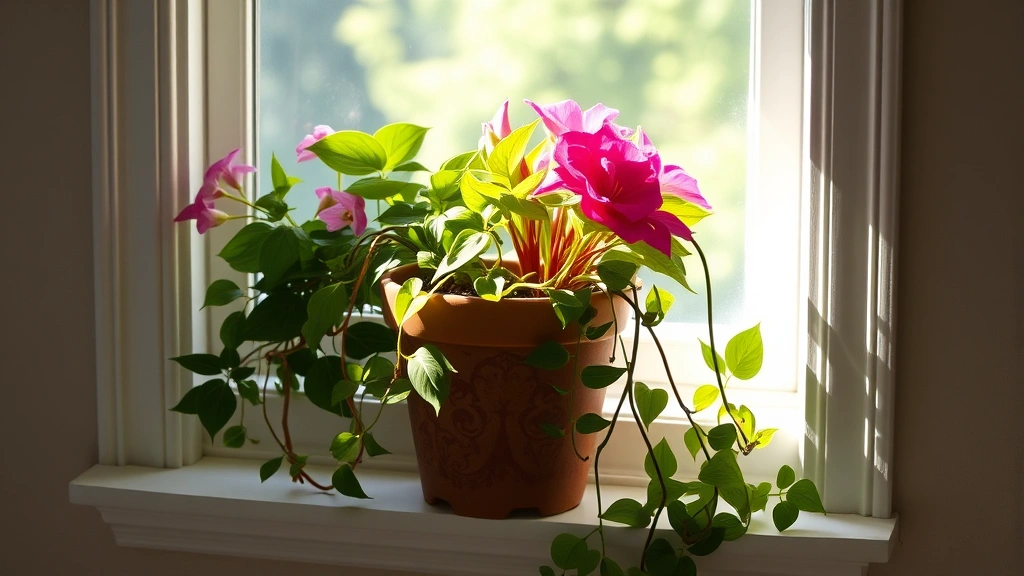
Seasonal Care Adjustments
Friendship pots require different care approaches as seasons change, reflecting plants’ natural growth cycles and varying environmental conditions. Spring brings renewed growth and increased watering needs as temperatures warm and day length increases. Summer demands careful attention to watering frequency and potential heat stress, particularly for pots positioned in direct sun. Fall signals gradual growth slowdown and reduced water requirements as plants prepare for dormancy. Winter presents challenges with reduced light and lower humidity, necessitating adjusted care routines.
Seasonal care checklist:
Spring: Resume regular fertilizing, increase watering frequency, repot if plants have outgrown the container, refresh potting mix surface layer, propagate excess cuttings to share with other gardeners.
Summer: Monitor daily for watering needs, provide afternoon shade if temperatures exceed 85°F, increase humidity by misting foliage, watch for pest infestations, deadhead flowers regularly.
Fall: Gradually reduce watering as growth slows, harvest herbs before first frost, reduce fertilizer applications, assess plant health before winter dormancy.
Winter: Reduce watering significantly, cease fertilizing, provide supplemental light if available, monitor indoor humidity levels, ensure adequate air circulation to prevent fungal issues.
Temperature fluctuations stress plants significantly. Friendship pots positioned near heating vents, air conditioning units, or drafty windows experience temperature swings that can damage delicate foliage and slow growth. Select stable locations away from extreme temperature sources whenever possible. Most houseplants thrive in temperatures between 65-75°F, similar to typical home environments.
Common Problems and Solutions
Even well-maintained friendship pots occasionally face challenges. Understanding common problems and their solutions enables quick intervention before minor issues become serious plant threats.
Overwatering causes the most frequent friendship pot failures. Symptoms include yellowing leaves, soft stems, and musty soil odors. Solution: Allow soil to dry between waterings, improve drainage, reduce watering frequency, and repot in fresh potting mix if root rot has developed.
Pest infestations spread rapidly in shared containers where multiple plant species provide diverse feeding opportunities. Common pests include spider mites, mealybugs, scale insects, and fungus gnats. Solution: Inspect plants regularly, isolate affected specimens if possible, treat with neem oil or insecticidal soap following label directions, improve air circulation to discourage pest development.
Nutrient deficiencies develop over time as plants exhaust potting mix nutrients. Symptoms include pale foliage, stunted growth, and reduced flowering. Solution: Fertilize monthly during growing seasons using balanced, diluted fertilizer, or refresh potting mix annually by removing top 2-3 inches and replacing with fresh soil.
Poor light conditions cause leggy growth, pale foliage, and weak plant development. Solution: Relocate friendship pot to brighter location, supplement with grow lights, reduce plant density by removing some specimens, or select more shade-tolerant varieties.
Uneven growth occurs when one plant dominates the container. Solution: Prune dominant plants more aggressively, rotate pot regularly, reposition plants within the container, or remove overly vigorous specimens to restore balance.
Fungal diseases develop in humid conditions with poor air circulation. Symptoms include white powdery coating, black spots on leaves, or gray fuzzy mold. Solution: Improve air circulation with a small fan, reduce humidity by watering less frequently, remove affected leaves, treat with fungicide if infections persist, ensure adequate spacing between plants.
Building a raised garden bed or expanding your gardening efforts beyond friendship pots provides opportunities to grow additional plants and develop your horticultural skills. Many gardeners who start with friendship pots become inspired to create larger garden projects, including outdoor spaces and DIY raised garden beds.
Proper watering techniques extend beyond friendship pots to all gardening endeavors. Understanding your best garden hose options helps when you expand to outdoor watering. For those interested in culinary gardening, learning to grow garden lettuce complements herb-focused friendship pots beautifully.
FAQ
How often should I water a friendship pot?
Most friendship pots require watering every 2-3 days during growing seasons, though this varies based on pot size, plant types, container material, and environmental conditions. Check soil moisture daily by inserting your finger one inch deep—water when dry at this depth. Reduce frequency during cooler months when plants require less moisture.
Can I use regular garden soil in a friendship pot?
No, always use potting mix rather than garden soil. Garden soil compacts in containers, impeding drainage and root development. Quality potting mix provides better aeration, drainage, and nutrient content necessary for container plants to thrive.
What’s the best size container for a friendship pot?
Container size depends on the number of contributors and plant types. Small friendship pots with 2-3 contributors work well in 8-10 inch diameter containers. Larger groups typically need 18-24 inch diameter containers to prevent overcrowding and allow adequate root space for each plant.
How do I prevent one plant from dominating the friendship pot?
Prune vigorous plants more frequently, rotate the pot regularly for even light exposure, reposition plants within the container to balance growth, or remove extremely dominant specimens. Communication with other contributors about pruning decisions helps maintain fairness and balance.
Can friendship pots survive winter indoors?
Yes, most friendship pots thrive indoors year-round with adjusted care. Reduce watering frequency as growth slows, cease fertilizing, ensure adequate light through windows or supplemental grow lights, and maintain humidity levels around 40-50%. Most houseplants adapt well to indoor winter conditions in typical homes.
What plants are best for beginner friendship pots?
Succulents, pothos, philodendron, spider plants, and culinary herbs like basil and oregano are excellent beginner choices. These plants tolerate varied conditions, require minimal special care, and grow reliably for new gardeners building confidence and skills.
How long do friendship pots last?
Well-maintained friendship pots can thrive for years, with some lasting indefinitely. Regular refreshing of potting mix, periodic repotting as plants grow, and ongoing care adjustments allow friendship pots to remain vibrant and healthy for extended periods, serving as lasting symbols of the relationships they represent.


