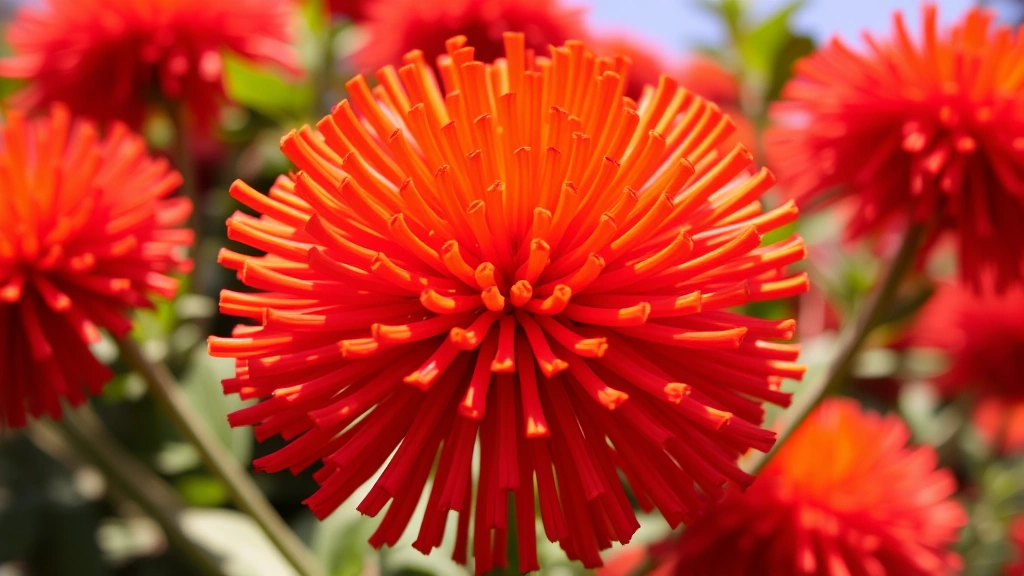
Can Firework Flowers Thrive? Expert Insights on Growing These Spectacular Blooms
Firework flowers, scientifically known as Penstemon species or sometimes referring to vibrant varieties like Dianthus and other explosion-like bloomers, have captured the imagination of gardeners worldwide with their dramatic, bursting displays of color. These stunning perennials and annuals earned their common name from their resemblance to fireworks frozen in time—petals radiating outward in brilliant shades of red, orange, pink, purple, and bicolor combinations. But the real question many gardeners ask is whether these show-stopping plants can truly thrive in their own gardens, and what expert knowledge is required to cultivate them successfully.
The good news is that firework flowers absolutely can thrive when provided with the right growing conditions, proper care, and attention to their specific needs. Whether you’re a seasoned gardener or just beginning your horticultural journey, understanding the fundamentals of firework flower cultivation will set you up for spectacular blooms season after season. This comprehensive guide draws on expert insights to help you transform your garden into a fireworks display of natural beauty.
Understanding Firework Flowers: Varieties and Characteristics
Firework flowers encompass several plant varieties that share the distinctive characteristic of producing densely packed, radiating blooms. The most common types include Penstemon (beardtongue), Dianthus (pinks and carnations), and certain cultivars of Liatris (blazing star). Each variety offers unique color palettes and growth habits, though they all share a love of well-draining conditions and sunny locations.
Penstemon species are particularly popular for their tubular flowers that emerge in spectacular clusters. These perennials typically grow 12 to 48 inches tall depending on the cultivar, producing flowers throughout late spring and summer. Dianthus varieties, on the other hand, are often grown as annuals or short-lived perennials, offering a more compact growth habit ideal for borders and containers. Understanding which variety you’re planting is crucial because their specific requirements can vary significantly.
Expert horticulturists emphasize that firework flowers are generally hardy, adaptable plants that have evolved to thrive in diverse environments. Their natural resilience makes them excellent choices for both beginner and experienced gardeners. When you propagate plants from existing specimens, you can expand your collection economically while maintaining genetic consistency with proven performers in your garden.
Ideal Growing Conditions and Climate Requirements
Firework flowers are sun worshippers that demand full sunlight to produce their most vibrant displays. Experts recommend providing at least 6 to 8 hours of direct sunlight daily, with 8 to 10 hours being optimal for maximum bloom production. In regions with intense afternoon heat, afternoon shade can actually be beneficial, preventing flower fade and extending the blooming season.
Temperature tolerance varies by species, but most firework flowers thrive in USDA hardiness zones 3 through 10, with some varieties extending into zone 11. Penstemon species are particularly cold-hardy, surviving winter temperatures well below freezing, while some Dianthus varieties perform better in cooler climates. Humidity levels should remain moderate; these plants generally prefer drier conditions and struggle in consistently humid environments where fungal diseases flourish.
The USDA Plant Hardiness Zone Map serves as an invaluable resource for determining which firework flower varieties will survive winter in your specific location. Consulting this map before purchasing plants ensures you select varieties suited to your climate, dramatically improving your success rate.
Soil Preparation and Planting Techniques
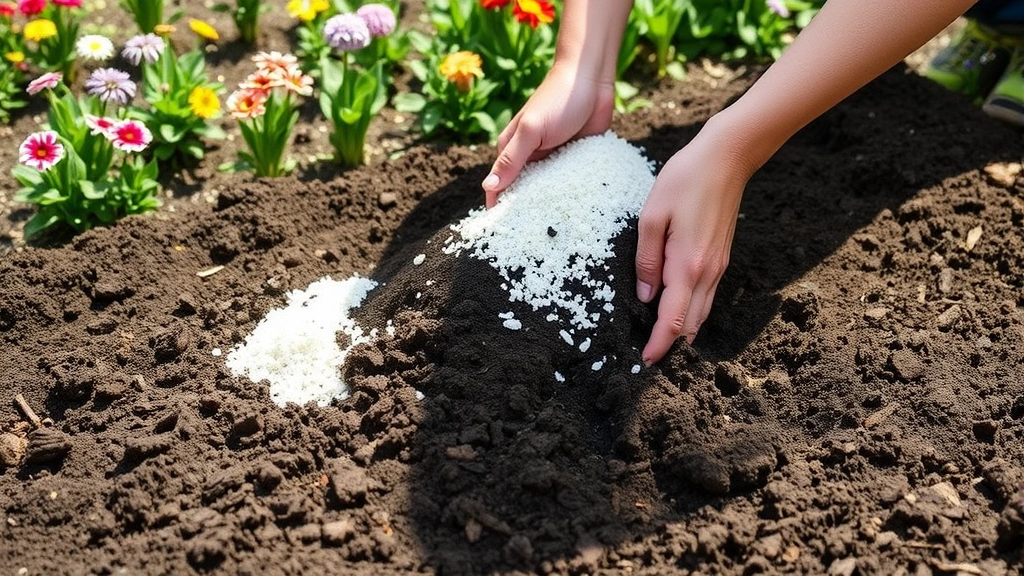
Perhaps the most critical factor in firework flower success is soil preparation. These plants absolutely require excellent drainage; they will not tolerate wet feet or waterlogged conditions. The ideal soil composition consists of well-draining loam amended with organic matter and gritty materials like perlite or coarse sand. A soil pH between 6.0 and 7.5 suits most varieties, though some Penstemon species prefer slightly acidic conditions.
When preparing your planting site, break up compacted soil to a depth of 12 to 18 inches and incorporate 2 to 3 inches of compost or aged organic matter. If your native soil is particularly heavy or clay-based, consider creating raised beds or mounds to ensure proper drainage. This extra effort during initial preparation pays dividends throughout the plant’s lifespan, preventing root rot and other moisture-related diseases.
Planting timing matters significantly. Spring planting, after the last frost date in your region, works well for most gardeners. However, in warmer climates, fall planting often proves superior because plants establish strong root systems during cooler months before facing summer heat. Space plants according to their mature size—typically 12 to 24 inches apart for most varieties—to ensure adequate air circulation and prevent disease.
When planting, position the crown (where stems meet roots) at soil level or slightly above, never burying it. This prevents crown rot, a common problem in overly moist conditions. Water thoroughly after planting to settle soil and eliminate air pockets, then apply a 1 to 2-inch layer of mulch around the base, keeping it away from the crown itself.
Watering and Moisture Management
Establishing proper watering practices is fundamental to firework flower success. While these plants require consistent moisture during their first growing season to develop strong root systems, they become remarkably drought-tolerant once established. During the establishment phase (typically 6 to 8 weeks after planting), water deeply when the top inch of soil feels dry to the touch.
Once established, reduce watering frequency significantly. Most firework flowers actually thrive with minimal supplemental watering, relying on natural rainfall in many climates. In arid regions, deep watering once or twice weekly during active growing season usually suffices. The key principle is to keep soil moist but never waterlogged; these plants prefer slightly dry conditions to overly wet ones.
Morning watering at the soil level, using drip irrigation or soaker hoses rather than overhead sprinklers, minimizes disease pressure. Overhead watering wets foliage, creating conditions favorable for fungal infections. A quality garden hose with adjustable spray patterns allows precise watering control. During periods of natural rainfall, skip supplemental watering entirely; most gardeners overwater rather than underwater these resilient plants.
Fertilizing for Maximum Blooms
Firework flowers are not heavy feeders and actually perform better in moderately fertile soil than in overly rich conditions. Excessive nitrogen promotes vegetative growth at the expense of flowering, creating lush foliage but disappointing bloom production. Apply Nature’s Garden Fertiliser or a balanced, slow-release fertilizer (such as 10-10-10 or similar) once in early spring as new growth emerges.
For ongoing nutrition, a light application of balanced fertilizer in mid-summer supports continued blooming without stimulating excessive vegetative growth. Alternatively, incorporate compost around the plant base in spring, providing slow-release nutrients throughout the season. Many expert gardeners find that annual compost applications meet all nutritional needs for established plants.
Phosphorus and potassium promote flowering and root development, so look for fertilizers with higher middle and last numbers (the second and third numbers in the NPK ratio). Avoid high-nitrogen fertilizers designed for leafy vegetables; these will produce beautiful foliage but few flowers. Organic options like bone meal (phosphorus) and wood ash (potassium) provide excellent natural alternatives to synthetic fertilizers.
Pruning, Deadheading, and Maintenance
Regular deadheading—removing spent flowers—is perhaps the single most effective technique for extending the blooming season and maximizing flower production. As soon as flower clusters fade, pinch or cut them off just below the spent blooms. This signals the plant to produce more flowers rather than setting seed, resulting in continuous blooms from early summer through fall in many regions.
In early spring, before new growth begins, cut back perennial firework flowers to 6 to 12 inches above ground level, depending on the variety. This rejuvenates the plant, promotes bushier growth, and removes any winter-damaged wood. Some gardeners prefer a lighter pruning approach, removing only dead stems and leaving healthy growth intact. Both methods work; choose based on your plants’ appearance and your personal preferences.
Mid-season pinching, performed when plants reach 6 to 8 inches tall, encourages branching and fuller plant architecture. Simply pinch off the top growing tip using your fingers or pruners. This technique delays flowering by 1 to 2 weeks but results in significantly more compact, flower-covered plants—a worthwhile trade-off for most gardeners.
Common Pests and Disease Prevention
Firework flowers are remarkably pest-resistant when grown in appropriate conditions. However, several issues can arise under stress or in unfavorable environments. Spider mites, particularly in hot, dry conditions, occasionally infest plants, causing yellowing foliage and fine webbing. Spray affected plants with strong water streams from your best garden hose or apply insecticidal soap according to label directions.
Powdery mildew, a fungal disease appearing as white powder on foliage, develops in humid conditions with poor air circulation. Prevention through proper spacing, morning watering at soil level, and adequate air flow is far superior to treating established infections. If powdery mildew appears, remove affected leaves and apply sulfur-based fungicides or horticultural oils.
Root rot, caused by overly wet soil conditions, is the most serious threat to firework flowers. This disease cannot be treated once established; prevention through excellent drainage is essential. If root rot develops, dig up the plant, remove rotted portions, repot in fresh, dry soil, and relocate to a better-draining site. Ensure the drainage hole in containers is unobstructed and soil dries between waterings.
Aphids occasionally cluster on new growth, though they rarely cause significant damage. Spray with water or insecticidal soap if populations become dense. Deer generally avoid firework flowers, making them excellent choices for gardens in deer-populated areas. Slugs and snails may nibble foliage in wet conditions; hand-picking or beer traps prove effective for management.
Seasonal Care Throughout the Year
Spring: As soil warms and new growth emerges, cut back perennial firework flowers to 6 to 12 inches, remove winter mulch, and apply fresh mulch after growth begins. Apply balanced fertilizer and establish a regular watering schedule as plants leaf out. Plant new specimens after the last frost date passes.
Summer: This is peak blooming season; deadhead spent flowers regularly to maximize production. Water deeply during dry periods, and monitor for pests or disease. Provide afternoon shade in regions with intense heat. Pinch back leggy growth if needed to encourage bushiness.
Fall: Continue deadheading through early fall to maintain flowering. As temperatures cool, reduce watering frequency. Allow some flowers to remain on plants if you desire seed production or prefer a natural, less-maintained appearance. Many firework flower seeds self-sow, creating new plants the following spring.
Winter: In cold climates, apply 2 to 3 inches of mulch around plants after the ground freezes to insulate roots and prevent frost heaving. In warm climates where firework flowers remain evergreen, minimal winter care is needed beyond occasional watering during dry spells. Avoid pruning in fall; winter damage becomes apparent in spring and is then removed.
For those interested in expanding their collection economically, container cultivation offers excellent opportunities. The techniques described for growing plants in pots apply equally well to firework flowers, with the added advantage of complete drainage control. Containers allow you to create ideal soil conditions regardless of native soil quality.
If you’re establishing a dedicated flower garden, raised garden beds provide excellent growing environments for firework flowers. The elevated structure ensures superior drainage while allowing you to customize soil composition precisely. A comfortable garden bench positioned nearby offers the perfect spot to enjoy your blooms while planning additional plantings.
FAQ
How long do firework flowers bloom?
Most varieties bloom for 6 to 10 weeks during their primary blooming season (late spring through summer). With consistent deadheading and proper care, many firework flowers continue producing flowers into early fall, extending the display considerably. The exact duration depends on the specific variety, local climate, and cultural practices.
Can I grow firework flowers in containers?
Absolutely. Firework flowers thrive in containers filled with well-draining potting mix. Use containers with drainage holes at least 12 inches deep for most varieties. Container-grown plants require more frequent watering than in-ground specimens and benefit from occasional fertilizer applications. Bring tender varieties indoors in cold climates or treat as annuals.
Do firework flowers attract pollinators?
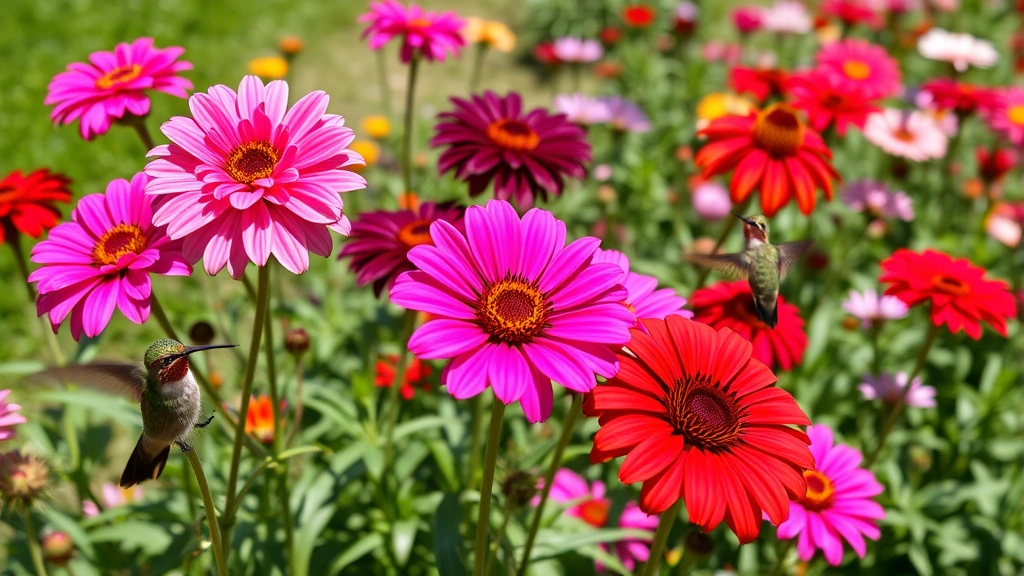
Yes, firework flowers are excellent pollinator plants, attracting bees, butterflies, and hummingbirds. Their tubular flowers and abundant nectar make them irresistible to beneficial insects. Growing firework flowers supports local pollinator populations while providing visual interest and biological control of garden pests.
How do I propagate firework flowers?
Most firework flowers can be propagated from seed, which germinates readily when provided with proper conditions. Some varieties produce viable seeds that self-sow in the garden. Perennial types can also be divided in spring or fall. Softwood cuttings taken in early summer often root successfully in moist propagation media. Consult our detailed guide on how to propagate plants for comprehensive instructions.
Are firework flowers deer resistant?
Most firework flower varieties are naturally deer resistant, making them excellent choices for gardens in areas with significant deer populations. The texture, flavor, and compounds in firework flowers generally discourage browsing. However, in areas with extreme deer pressure and limited alternative food sources, even deer-resistant plants may be sampled.
What’s the best time to plant firework flowers?
Spring planting after the last frost date works well in most climates. In warm regions (zones 8-11), fall planting often proves superior, allowing plants to establish strong root systems before summer heat arrives. Container-grown plants can be planted throughout the growing season as long as they receive adequate water while establishing.
Why aren’t my firework flowers blooming?
Insufficient light is the most common cause; these plants require minimum 6 to 8 hours of direct sunlight daily. Excessive nitrogen fertilizer promotes foliage over flowers. Overly wet soil conditions stress plants and reduce flowering. Improper pruning timing or failure to deadhead spent flowers also limits bloom production. Evaluate your growing conditions against the requirements outlined in this guide.


