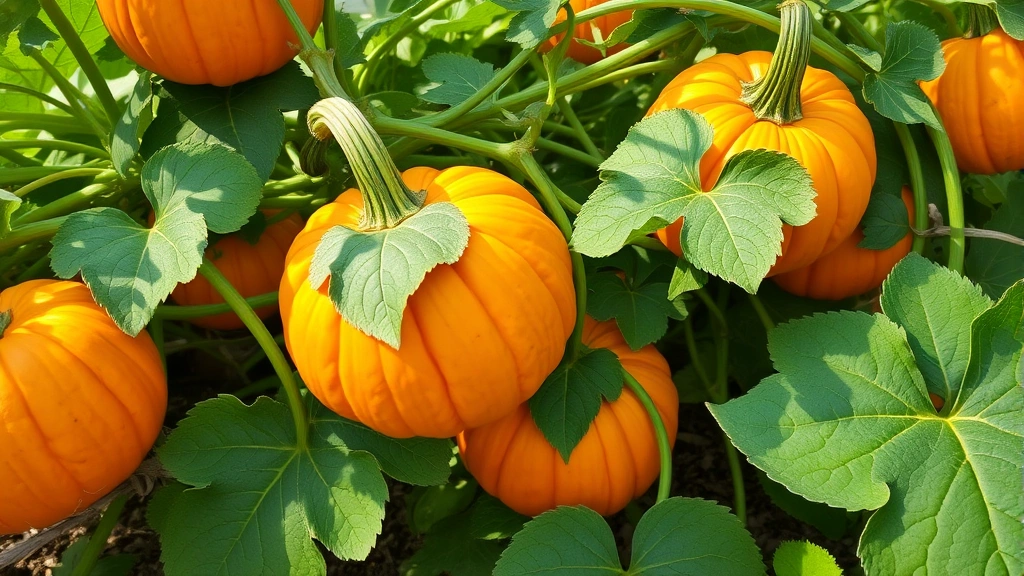
Growing pumpkins is one of the most rewarding gardening experiences, especially if you’re aiming to cultivate show-stopping jack-o’-lanterns or cooking varieties. Whether you’re a seasoned gardener or just starting your green journey, pumpkins offer impressive results with proper planning and care. These vigorous vines demand space, sunshine, and consistent moisture, but the payoff—harvesting your own magnificent gourds—makes every effort worthwhile.
The charm of homegrown pumpkins extends beyond autumn decoration. Varieties like Butternut and Sugar Pie pumpkins deliver exceptional flavor for soups, pies, and roasted seeds. Understanding the fundamentals of pumpkin cultivation transforms your garden into a productive powerhouse during the growing season. From seed selection through harvest, each stage requires attention to detail and seasonal awareness.
Choosing the Right Pumpkin Variety
Selecting the appropriate pumpkin variety is your first critical decision. Pumpkins fall into two main categories: ornamental varieties prized for appearance and culinary varieties valued for taste and texture. Ornamental pumpkins like Howden and Connecticut Field produce the classic orange pumpkins perfect for carving. These typically grow 8-12 inches in diameter and feature sturdy stems ideal for jack-o’-lantern projects.
If cooking is your goal, consider Sugar Pie, Kabocha, or Butternut varieties. These smaller, sweeter pumpkins yield denser flesh with superior flavor compared to large carving types. Sugar Pie pumpkins weigh 2-4 pounds and deliver the best results for purees and traditional pumpkin pie. Kabocha pumpkins offer nutty, chestnut-like flavors perfect for roasting.
Climate considerations matter significantly. Long-season varieties like Howden require 120 days of frost-free conditions, while shorter-season types mature in 75-90 days. Check your USDA plant hardiness zone and growing season length before purchasing seeds. Starting with quality seed propagation methods ensures vigor from the beginning.

Soil Preparation and Garden Setup
Pumpkins thrive in rich, well-draining soil with abundant organic matter. These heavy feeders require soil pH between 6.0-6.8 for optimal nutrient availability. Begin soil preparation 3-4 weeks before planting by incorporating 3-4 inches of compost or aged manure into your planting area. This amendment improves drainage, increases nutrient content, and supports beneficial microbial activity.
For gardeners with clay-heavy soils, constructing a raised garden bed offers excellent drainage control and easier management. Raised beds warm faster in spring, extending your growing season. A minimum bed depth of 12 inches works, though 18 inches provides superior root development and moisture retention.
Pumpkins demand full sun—minimum 6-8 hours daily, preferably 8-10 hours. Site selection determines vine vigor and fruit quality. Poor light produces weak growth, sparse flowering, and undersized pumpkins. Create mounds or hills where soil naturally warms faster in spring. Space hills 4-6 feet apart, allowing room for vine expansion. Pumpkin vines sprawl extensively, typically covering 50-100 square feet per plant, so plan accordingly in smaller gardens.
Planting and Germination
Timing is critical for pumpkin success. Plant seeds directly in the garden after all frost danger passes and soil temperatures reach 65°F consistently. Soil temperature of 70°F or higher ensures rapid germination within 7-10 days. In cooler regions, start seeds indoors 3-4 weeks before your last frost date, then transplant seedlings after hardening off.
Plant seeds 1 inch deep, placing 4-6 seeds per hill or mound. Thin seedlings to the strongest 2-3 plants once they develop true leaves. Direct seeding minimizes transplant shock compared to starting indoors, though indoor starts work well when handled carefully. Keep soil consistently moist but not waterlogged during germination; excessive moisture invites fungal diseases.
Mulching around seedlings with 2-3 inches of straw or wood chips conserves moisture, moderates soil temperature, and suppresses weeds. Avoid piling mulch directly against stems, which promotes rot. As vines mature, mulch prevents fruit from direct soil contact, reducing disease pressure and slug damage.
Watering and Fertilization Strategies
Consistent moisture is essential throughout the growing season. Pumpkins require 1-2 inches of water weekly, delivered through deep, infrequent watering rather than daily sprinkles. Deep watering encourages robust root development and improves drought tolerance. Water at soil level using drip irrigation or soaker hoses; overhead watering promotes foliar diseases like powdery mildew.
During flowering and fruit development, maintain even soil moisture. Irregular watering causes blossom end rot, a calcium deficiency disorder, and fruit cracking. Mulching helps regulate soil moisture, reducing watering frequency while preventing temperature fluctuations.
Fertilization should follow two phases. At planting, incorporate balanced fertilizer (10-10-10) into prepared beds. Once vines begin running and flowering starts, switch to low-nitrogen, higher-potassium formulations (5-10-15) to encourage fruiting rather than excessive foliage. Side-dress plants every 3-4 weeks with compost or apply diluted fish emulsion every two weeks. Nitrogen-heavy fertilizers produce vigorous vines with sparse flowers and small fruit.
Calcium supplementation prevents blossom end rot. Crushed eggshells, gypsum, or lime applied at planting provide gradual calcium release. Consistent watering remains the primary prevention method, as calcium moves through soil water.
Managing Pests and Diseases
Pumpkins face several pest and disease challenges. Powdery mildew, a fungal disease, appears as white coating on leaves, reducing photosynthesis and fruit quality. Prevention involves ensuring adequate air circulation, avoiding overhead watering, and removing affected leaves promptly. Sulfur dust or neem oil applications every 7-10 days control active infections.
Cucumber beetles and squash vine borers cause significant damage. Cucumber beetles transmit bacterial wilt disease while feeding on leaves and flowers. Row covers protect young plants until flowering begins. Squash vine borers tunnel into stems, causing sudden wilt. Wrap stem bases with aluminum foil to prevent oviposition, or inject Bt (Bacillus thuringiensis) into affected stems.
Downy mildew thrives in cool, wet conditions. Improve drainage, space plants adequately for air circulation, and avoid evening watering. Remove infected leaves to reduce spore production. Fungicide applications using copper-based products address early infections effectively.
Slugs and snails damage young plants and developing fruit. Hand-picking, beer traps, and copper barriers provide organic control. Encourage beneficial predators like ground beetles and toads by maintaining diverse plantings and avoiding broad-spectrum insecticides.
Training and Supporting Vines
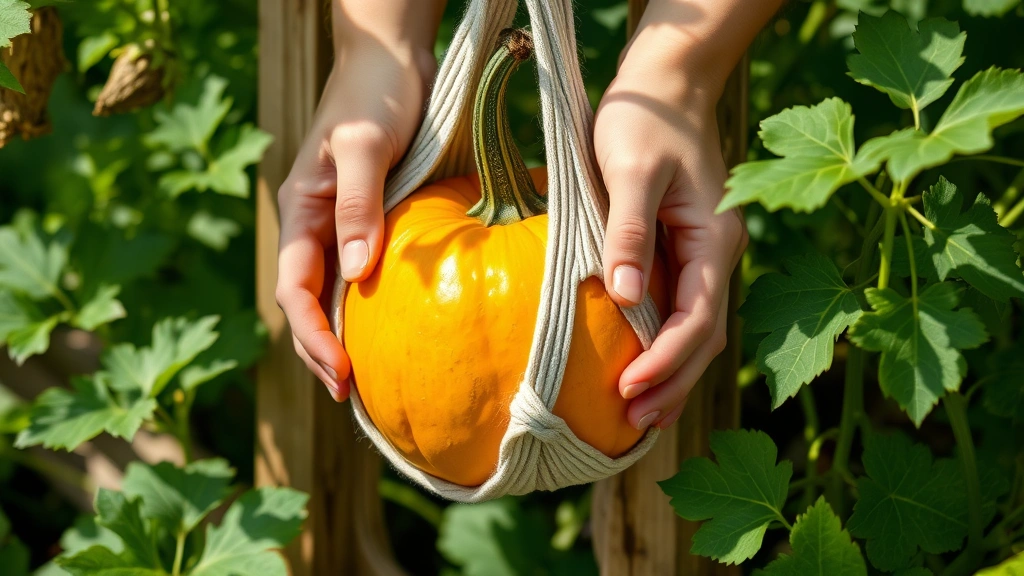
Managing sprawling pumpkin vines optimizes space and improves air circulation. Guide vines along designated paths using garden stakes or trellising systems. Vertical growing works beautifully for smaller varieties; use sturdy trellises and support developing fruit with pantyhose or cloth slings tied to the trellis framework.
Pruning side shoots encourages main vine development and fruit production. Remove flower buds once 3-4 large fruits set per plant; additional flowers won’t mature before frost and drain plant energy. Pinch back vine tips after fruit begins swelling to redirect energy toward fruit maturation rather than new growth.
Hand-pollinating flowers ensures fruit set during cool springs when bee activity is limited. Use a small paintbrush to transfer pollen from male flowers (long, thin stems) to female flowers (swollen base behind bloom). Pollinate early morning when flowers open.
Harvesting and Storage
Harvest pumpkins when skin hardens and color deepens to full orange (or variety-specific color). Test ripeness by pressing a fingernail against the skin; ripe pumpkins resist puncturing. Leave 3-4 inches of stem attached when cutting, which extends storage life. Cure harvested pumpkins in a warm (75-85°F), well-ventilated location for 10-14 days. Curing hardens skin and heals minor cuts, dramatically improving storage longevity.
Store cured pumpkins in cool (50-60°F), dry conditions with good air circulation. Properly cured pumpkins last 3-4 months in ideal storage. Check periodically, removing any showing soft spots or mold. Avoid stacking pumpkins; single-layer storage prevents crushing and rot.
For maximum visual impact in autumn displays, consider incorporating garden statues and garden art among your pumpkin display. A garden hose reel cart stationed nearby makes maintenance watering convenient throughout the growing season.
FAQ
How long do pumpkins take to grow?
Most pumpkin varieties mature in 75-120 days from planting, depending on variety selection. Shorter-season types complete development in 75-90 days, while large carving varieties require 100-120+ days. Count backward from your first fall frost date to determine optimal planting timing.
Can I grow pumpkins in containers?
Yes, smaller varieties like Sugar Pie and Kabocha thrive in large containers (20+ gallons) with adequate drainage. Containers require more frequent watering and fertilization than in-ground plantings. Vertical training using sturdy trellises maximizes space efficiency for container-grown pumpkins.
Why are my pumpkins small?
Small pumpkins result from inadequate sunlight, poor soil nutrition, inconsistent watering, or excessive fruit load. Ensure plants receive 8-10 hours of direct sun daily, maintain consistent moisture, apply balanced fertilization, and limit fruit to 3-4 per plant. Thin excess flowers early to concentrate energy on larger fruit.
What’s the difference between carving and cooking pumpkins?
Carving pumpkins (Howden, Connecticut Field) are larger, fibrous, and watery—excellent for jack-o’-lanterns but poor for cooking. Cooking pumpkins (Sugar Pie, Kabocha) are smaller, sweeter, with denser flesh ideal for purees and pies. Sugar Pie pumpkins deliver superior flavor and texture for culinary applications.
How do I prevent powdery mildew on pumpkins?
Prevent powdery mildew through adequate spacing for air circulation, avoiding overhead watering, removing infected leaves promptly, and applying sulfur dust weekly once conditions favor infection. Neem oil applications every 7-10 days control active infections effectively.
When should I fertilize pumpkins?
Apply balanced fertilizer (10-10-10) at planting time. Once vines begin running and flowering starts, switch to low-nitrogen formulations (5-10-15) every 3-4 weeks. Avoid excess nitrogen, which promotes foliage at the expense of flowers and fruit development.


