Garden City Tips: Best Plants for Your Climate
Creating a thriving garden in your city requires understanding your local climate zone and selecting plants that naturally flourish in your specific conditions. Whether you’re in a bustling urban center or a smaller garden city, the key to gardening success lies in working with nature rather than against it. This comprehensive guide will help you identify the best plants for your climate and establish a lush, productive garden that thrives year-round.
Garden cities across the country face unique environmental challenges, from temperature fluctuations to humidity levels and seasonal rainfall patterns. By selecting climate-appropriate plants, you’ll reduce maintenance requirements, conserve water, and create a more sustainable garden ecosystem. Understanding your USDA hardiness zone and local growing conditions is the foundation for every successful gardening project.
Understanding Your Garden City Climate
Before selecting plants for your garden, you need to understand the specific climate characteristics of your location. Climate encompasses temperature ranges, precipitation patterns, humidity levels, and seasonal variations. Garden cities often experience microclimates—small areas with unique conditions different from surrounding regions—due to urban infrastructure, building placement, and pavement.
Urban heat islands are common in garden cities, where dark surfaces and reduced vegetation cause temperatures to rise several degrees higher than surrounding rural areas. This means your garden might experience warmer conditions than traditional climate data suggests. Conversely, areas near water features or in deep shade may have cooler microclimates perfect for shade-loving plants.
Start by observing your garden throughout the year. Note which areas receive full sun (six or more hours), partial shade, or full shade. Track temperature extremes, rainfall patterns, and wind exposure. This observation period, ideally lasting a full year, provides invaluable information for plant selection. You can also consult your local extension service for detailed climate data specific to your garden city.
USDA Hardiness Zones Explained
The USDA Plant Hardiness Zone Map divides North America into zones based on average annual minimum winter temperatures. Each zone spans 10 degrees Fahrenheit, with subdivisions (a and b) representing 5-degree increments. Understanding your zone helps you select perennials, shrubs, and trees that will survive your winter conditions.
Garden cities typically fall within zones 3 through 10, with most concentrated in zones 5-8. Zone 3 includes northern regions with temperatures dropping to -40°F, while Zone 10 encompasses tropical and subtropical areas rarely experiencing freezing temperatures. When selecting plants, always check the hardiness zone range to ensure they’ll survive your winter.
However, hardiness zones represent only winter survival. Heat zones, determined by the number of days exceeding 86°F annually, are equally important for summer performance. A plant hardy to your zone might struggle if your summer temperatures exceed its heat tolerance. Consulting both resources ensures comprehensive climate compatibility for your garden city plants.
Best Plants for Cool Climates
Cool climate garden cities (zones 3-5) require hardy plants that tolerate frost, snow, and shorter growing seasons. These regions experience long winters and brief summers, making cold-hardy perennials and vegetables essential choices.
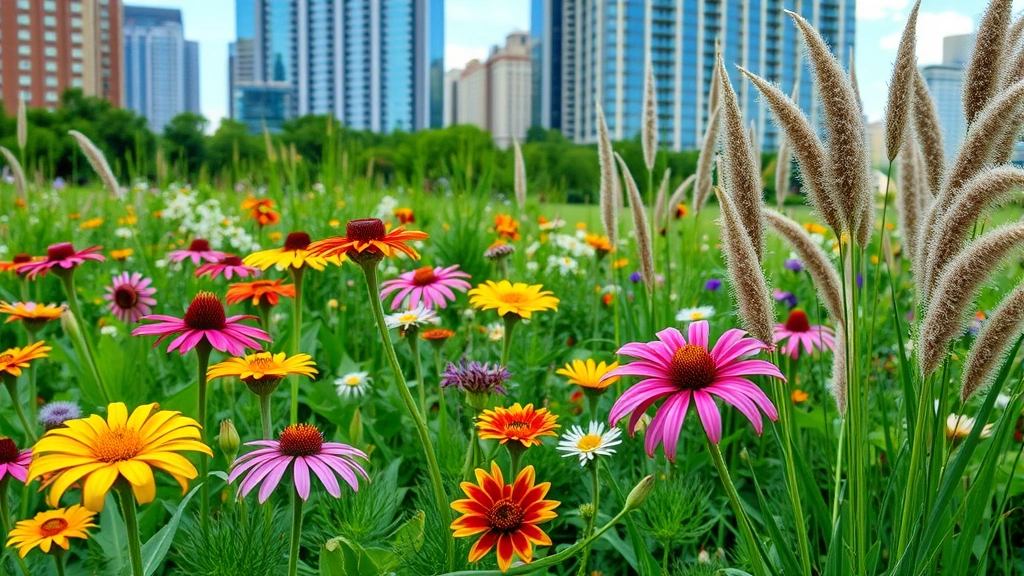
Cold-Hardy Perennials: Coneflowers, black-eyed Susans, daylilies, and sedums thrive in cool climates with minimal care. These native plants have adapted to temperature extremes and often improve with age. Peonies and ornamental grasses like feather reed grass provide structure and beauty through multiple seasons. Hellebores bloom in late winter, offering early color when little else grows.
Cool Climate Vegetables: Choose easy to grow vegetables for beginners suited to short seasons: peas, lettuce, spinach, kale, broccoli, and cabbage. Start seeds indoors to maximize your growing window. Cool-season crops often taste better and produce more reliably than warm-season varieties in these regions. Consider raised bed gardening advantages for better soil warmth and drainage in cool climates.
Shrubs and Trees: Dwarf conifers, lilacs, serviceberries, and birches provide structure and winter interest. These woody plants establish deep root systems, improving drought tolerance over time. Evergreens maintain year-round color and provide winter shelter for wildlife.
Best Plants for Warm Climates
Warm climate garden cities (zones 8-10) offer extended growing seasons and opportunities for tropical and subtropical plants. These regions require heat-tolerant selections that handle intense sun, occasional drought, and high humidity.
Heat-Loving Perennials: Lantana, salvia, blanket flower, and butterfly weed flourish in full sun with minimal water once established. Mediterranean herbs like lavender, rosemary, and santolina thrive in warm, dry conditions. Ornamental grasses such as Mexican feather grass add movement and texture while tolerating heat stress.
Warm Climate Vegetables: Tomatoes, peppers, eggplants, squash, and cucumbers produce abundantly in warm regions. Many warm-climate gardeners enjoy two or three growing seasons annually. Winter gardening becomes possible, offering cool-season crops when northern gardeners face snow. Consult your local agricultural extension for specific variety recommendations adapted to your region’s heat and humidity.
Tropical and Subtropical Plants: Bougainvillea, hibiscus, plumbago, and desert rose bring vibrant color and exotic appeal. Palms, cycads, and large-leafed tropicals create lush landscapes. Many warm-climate gardeners use large garden terracotta pots for containerized tropical plants that can be moved during rare cold snaps.
Best Plants for Moderate Climates
Moderate climate garden cities (zones 6-7) offer the broadest plant palette, with manageable winters and summers. These regions experience distinct seasons while remaining accessible for most popular garden plants.
Versatile Perennials: Hostas, daylilies, coreopsis, rudbeckia, and asters thrive in moderate climates. These adaptable plants tolerate temperature fluctuations and various soil conditions. Flowering shrubs like hydrangeas, forsythia, and weigela provide seasonal interest with minimal fussiness.
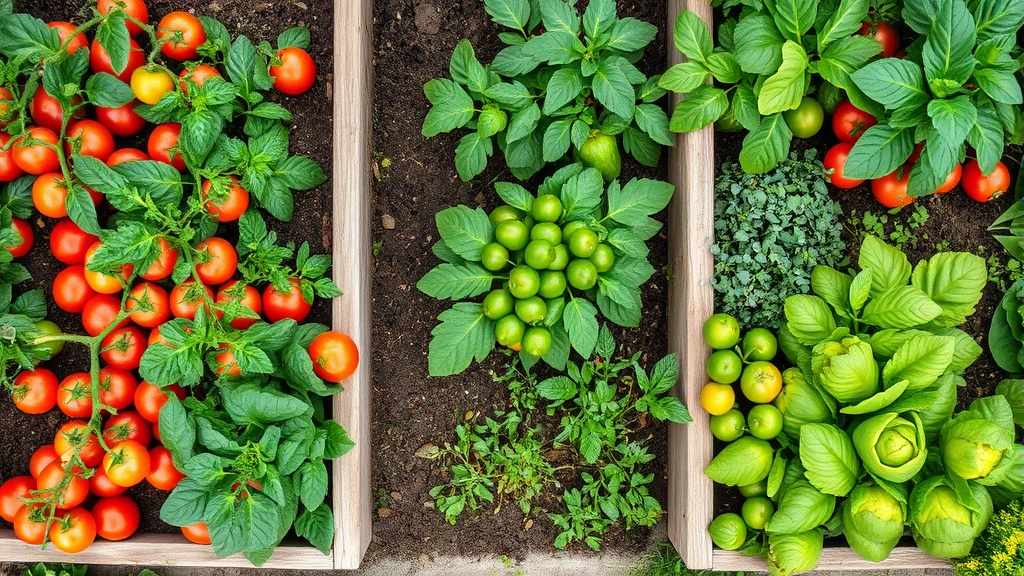
Extended Season Vegetables: Moderate climates allow spring and fall vegetable gardens. Start cool-season crops in late summer for autumn harvest. Summer vegetables like beans, corn, and melons produce reliably. Consider vegetable garden layout strategies that maximize your moderate growing season by succession planting.
Seasonal Color: Spring bulbs, summer annuals, and fall mums create year-round interest. Moderate climates support both spring-flowering trees and shrubs plus fall-blooming perennials. This diversity allows creative garden designs with continuous color from early spring through late autumn.
Seasonal Planting Guide
Spring Planting: Spring is the traditional planting season across most climate zones. Soil has warmed enough for seed germination and transplant establishment. Plant cool-season crops early spring; wait until after last frost for warm-season plants. Spring offers adequate moisture from melting snow and spring rains, reducing initial watering needs.
Summer Maintenance: Focus on watering, weeding, and pest management during summer months. Mulch heavily to retain soil moisture and regulate temperature. Deadhead spent flowers to encourage continued blooming. In cool climates, enjoy peak vegetable production. In warm climates, provide afternoon shade for sensitive plants and increase watering frequency.
Fall Preparation: Fall is ideal for planting perennials, shrubs, and trees in most climates. Cool temperatures reduce transplant shock while adequate fall moisture supports root establishment before winter. Plant spring bulbs in autumn for next spring’s blooms. Cut back perennials and add compost for winter soil improvement.
Winter Planning: Use winter months for garden planning and design. Order seeds and plants for next season. Maintain evergreens and winter-interest plants. In cold climates, provide protection for marginally hardy plants. In warm climates, establish winter vegetable gardens. Clean and maintain garden tools and equipment.
Urban Gardening Solutions
Garden cities present unique challenges including limited space, poor soil quality, and air pollution. Urban gardeners must adapt traditional techniques to thrive in metropolitan environments.
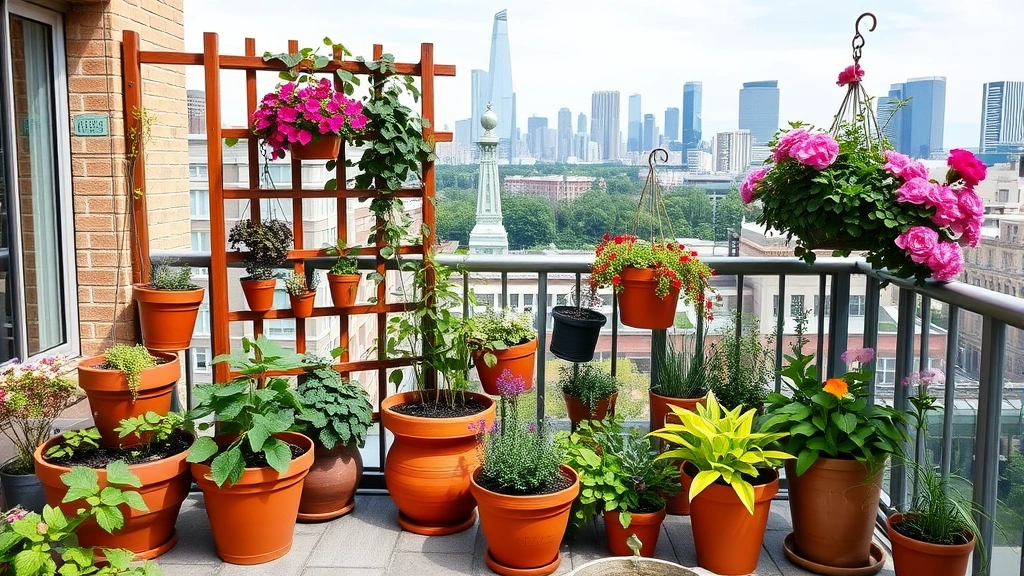
Container Gardening: Containers offer flexibility in urban settings where ground space is limited. Select appropriate pot sizes—larger containers retain moisture better and provide more growing space. Use quality potting soil rather than garden soil, which compacts in containers. Containers allow you to optimize growing conditions by moving plants to ideal light and temperature zones throughout the season.
Vertical Growing: Maximize limited space with trellises, wall planters, and hanging baskets. Climbing vegetables like beans and peas produce abundantly on vertical structures. Wall-mounted planters add greenery to bare surfaces while improving air quality. Hanging baskets bring plants to eye level and reduce ground-level pest pressure.
Soil Improvement: Urban soils often lack organic matter and contain contaminants. Build raised beds with quality imported soil rather than amending existing soil. Add compost annually to improve soil structure and nutrient content. Consider soil testing through your local extension service to identify contaminants or nutrient deficiencies.
Pollinator-Friendly Plants: Urban gardens support native pollinators essential for food production and ecosystem health. Select native plants adapted to your climate zone. Avoid pesticides that harm beneficial insects. Provide water sources like shallow dishes with pebbles. Plant in clusters to create abundant nectar and pollen sources.
Many garden cities have community gardens and master gardener programs offering resources and expertise. The National Garden Club and American Horticultural Society provide valuable gardening information specific to different regions. Check your local master gardener program for personalized climate advice and plant recommendations.
Water management is critical in urban gardens. Use drip irrigation or soaker hoses for efficient water delivery. Mulch reduces evaporation and regulates soil temperature. Consider installing a best garden hose system optimized for your space. In regions with water restrictions, select drought-tolerant plants native to your climate zone.
Many urban gardeners incorporate water features like garden fountains for aesthetic and practical benefits. Moving water attracts birds and beneficial insects while creating visual and auditory interest. Even small fountain features improve urban garden ambiance and support local wildlife.
FAQ
How do I find my USDA hardiness zone?
Visit the USDA Plant Hardiness Zone Map online, enter your zip code, and your zone will display immediately. You can also contact your local extension office for detailed zone information and microclimate guidance specific to your garden city.
Can I grow tropical plants in cool climates?
Yes, using container gardening strategies. Plant tropical species in large pots and move them indoors during winter or protect them with frost cloth. Many gardeners successfully grow tropical plants seasonally, moving them to protected locations when temperatures drop below their tolerance range.
What’s the best time to plant in my climate?
Cool climates: plant after last spring frost; warm climates: plant in fall or winter; moderate climates: spring and fall both work well. Check your local extension service for specific frost dates and planting recommendations tailored to your garden city.
How can I improve poor urban soil?
Add 2-3 inches of compost annually, build raised beds with quality soil, and use container gardening. Avoid amending contaminated soil; instead, create new growing spaces above existing soil. Mulching protects soil and gradually improves structure as organic matter decomposes.
Are native plants always the best choice?
Native plants adapted to your climate zone typically require less maintenance, support local pollinators, and establish deeply rooted systems. However, adapted non-native plants can also thrive. The key is selecting plants suited to your specific climate conditions, whether native or cultivated varieties.
How much sun do most vegetables need?
Most vegetables require 6-8 hours of direct sunlight daily. Leafy greens tolerate partial shade, while fruiting plants like tomatoes and peppers need full sun. Observe sun patterns in your garden city space and place vegetables accordingly for optimal production.


