Lightscape at Chicago Botanic Garden: A Visitor’s Complete Experience Guide
The Chicago Botanic Garden transforms into a magical winter wonderland each season with its spectacular Lightscape exhibition, drawing thousands of visitors seeking enchantment amid millions of twinkling lights. This immersive experience combines horticultural beauty with artistic illumination, creating an unforgettable journey through illuminated gardens, interactive installations, and seasonal botanical displays. Whether you’re a seasoned gardener looking for design inspiration or a casual visitor seeking holiday magic, Lightscape offers something truly special that goes beyond typical seasonal attractions.
Located on 385 acres of stunning landscape in Glencoe, Illinois, the Chicago Botanic Garden serves as one of the nation’s premier botanical institutions. The Lightscape event showcases the garden’s commitment to celebrating plants and nature year-round, even as temperatures drop and daylight diminishes. Visitors can expect carefully curated light displays integrated throughout the garden’s most beloved areas, creating pathways that guide you through botanical zones while maintaining the garden’s educational mission and aesthetic excellence.
What is Lightscape at Chicago Botanic Garden
Lightscape represents a harmonious fusion of botanical education and artistic expression, transforming the Chicago Botanic Garden into an illuminated landscape that celebrates the beauty of plants even during darker months. The exhibition features millions of LED lights strategically placed throughout garden pathways, water features, and architectural elements, creating an immersive experience that respects the garden’s natural beauty while adding contemporary artistic flair.
The event typically runs from late November through early January, aligning with winter holidays and the natural dormancy period of many temperate plants. Rather than obscuring the garden’s botanical collections, the lighting design complements existing landscapes and architectural features, highlighting specimen trees, water features, and seasonal plantings. This approach demonstrates how garden design principles can create year-round visual interest even in climates with significant seasonal variation.
Chicago Botanic Garden’s horticultural expertise ensures that the Lightscape experience educates visitors about plant hardiness, seasonal adaptation, and landscape design. The event serves as inspiration for home gardeners contemplating how to maintain visual interest in their own landscapes during winter months. Many visitors discover new appreciation for evergreen plants, ornamental grasses, and architectural plant forms that provide structure and beauty when deciduous plants have lost their foliage.
Planning Your Visit: Timing and Logistics
Successful Lightscape visits require strategic planning, particularly regarding timing and weather considerations. The exhibition operates during evening hours only, typically from 5:00 PM to 10:00 PM, making it an accessible experience for working professionals and families. Peak attendance occurs on weekends and during holiday periods, so visiting on weekday evenings generally provides a more relaxed experience with shorter wait times and easier navigation through illuminated pathways.
Weather plays a crucial role in your Lightscape experience. Bundle warmly in winter-appropriate clothing, including insulated jackets, hats, gloves, and waterproof boots, as the Chicago area experiences cold temperatures and potential precipitation during the exhibition season. The garden’s 385 acres means considerable walking distance, so comfortable, weather-appropriate footwear becomes essential. Many visitors underestimate the physical demands of navigating the entire illuminated landscape and appreciate the suggestion to plan 2-3 hours for a comprehensive visit.
Admission typically requires advance ticket purchase through the Chicago Botanic Garden’s website, with pricing varying by date and visitor category. Parking is complimentary, which distinguishes this attraction from many urban botanical gardens. Arriving early in the evening provides the advantage of less crowded pathways and better lighting photography conditions before peak attendance hours. Consider visiting on a clear, calm evening when temperatures are bearable and outdoor conditions most comfortable.
Navigating the Illuminated Garden Zones
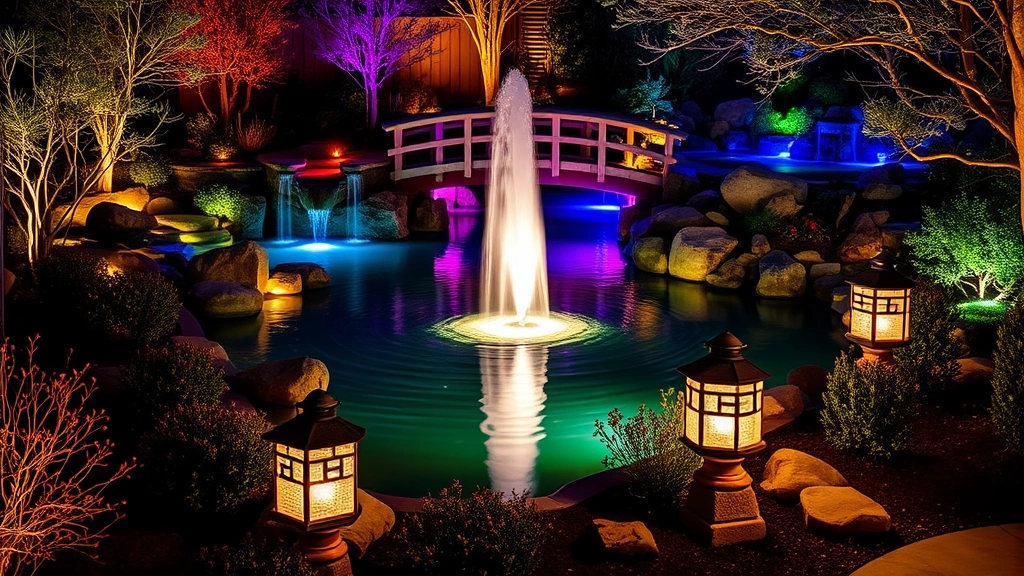
The Chicago Botanic Garden’s Lightscape experience guides visitors through distinct illuminated zones, each showcasing different botanical areas and design themes. The Japanese Garden receives particular attention during Lightscape, with traditional landscape design principles enhanced through thoughtful light placement that highlights specimen trees, stone lanterns, and water features. This integration of Asian garden aesthetics with modern illumination creates a serene yet magical atmosphere that appeals to visitors seeking both cultural appreciation and horticultural education.
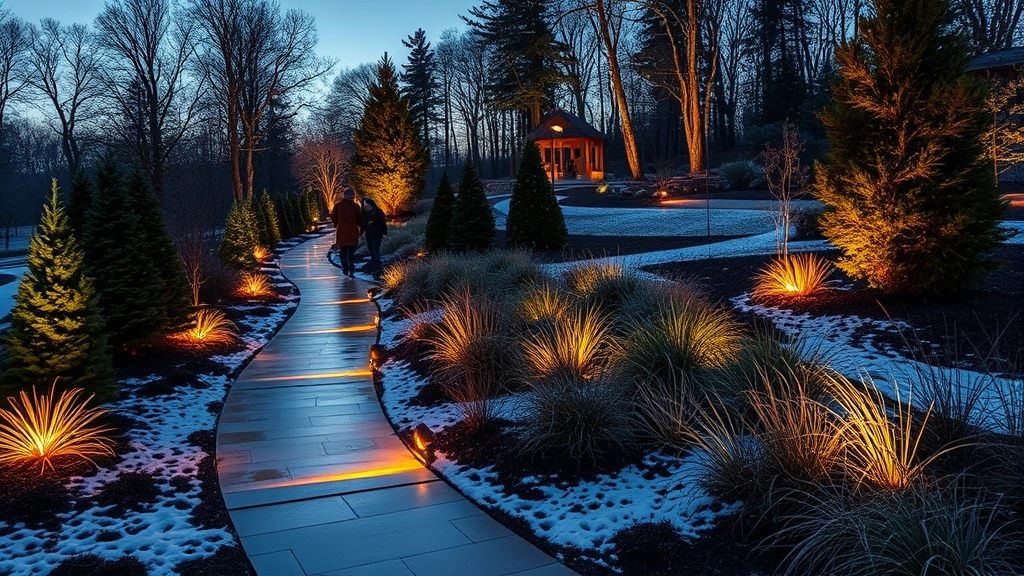
The Rose Garden transforms dramatically under Lightscape illumination, with architectural structures and specimen plantings highlighted to showcase the garden’s design framework even during seasons when many rose varieties remain dormant. Walking through this zone allows visitors to appreciate how garden hardscaping elements and structural plantings provide winter interest. Evergreen specimens, ornamental grasses, and architectural plant forms become focal points, demonstrating principles valuable for home gardeners designing four-season landscapes.
The Water Garden area showcases how aquatic features and surrounding vegetation create compelling focal points throughout the year. Illuminated fountains, bridges, and water-side plantings guide visitors through this zone while highlighting the garden’s sophisticated water management and landscape architecture. Visitors often discover that water features provide essential visual interest during winter months when many flowering plants have finished their seasonal display.
The Sensory Garden and other specialized botanical collections receive illumination treatments that enhance their unique characteristics. Each zone encourages exploration and provides different photo opportunities, encouraging visitors to experience the entire 385-acre property rather than clustering around single locations. The thoughtful pathway design ensures accessibility while maintaining the garden’s natural beauty and educational focus.
Interactive Installations and Photo Opportunities
Lightscape incorporates interactive installations and photo opportunities that engage visitors beyond passive viewing, creating memorable experiences that encourage social sharing and repeat visits. These installations vary seasonally and may include light tunnels, illuminated sculptures, and interactive botanical displays that invite hands-on engagement. Families particularly appreciate installations designed with children in mind, making Lightscape an excellent destination for multigenerational visits.
Photography enthusiasts find exceptional opportunities throughout Lightscape, with carefully designed lighting creating dramatic effects without overwhelming the garden’s natural aesthetic. Wide-angle lenses work particularly well for capturing expansive illuminated landscapes, while telephoto lenses allow detailed shots of specific light installations and botanical specimens. The combination of artificial illumination and remaining twilight creates unique color palettes that challenge and reward thoughtful photographers.
Visitors should anticipate that popular photo locations may have queues during peak hours, particularly near distinctive installations or visually compelling zones. Arriving on weekday evenings provides more intimate photo opportunities and allows unhurried exploration of visually interesting areas. Many visitors discover that capturing the Lightscape experience photographically enhances their appreciation of both the botanical collections and the artistic vision behind the illumination design.

Seasonal Plant Displays and Winter Botanicals
The Chicago Botanic Garden’s commitment to horticultural excellence means Lightscape showcases carefully selected winter-hardy plants and seasonal displays that demonstrate botanical beauty during cold months. Evergreen specimens including conifers, broadleaf evergreens, and ornamental grasses provide structural interest and visual continuity throughout the exhibition period. These plantings serve as living examples of species suitable for cold climate gardens, offering inspiration for visitors contemplating landscape improvements.
Seasonal plantings may include winter-blooming heathers, cyclamen, and other cold-hardy ornamentals that provide surprising color during months when many gardeners assume little flowering occurs. The garden’s display demonstrates that with proper plant selection, home gardeners can maintain visual interest and color even in northern climates. Visitors interested in starting their gardening journey gain valuable insights into cold-season planting possibilities.
Coniferous specimens receive particular attention during Lightscape, with their distinctive forms and textures highlighted through illumination. Blue spruces, golden arborvitaes, and other colorful conifers demonstrate the diversity available to gardeners seeking year-round visual interest. The garden’s display of dwarf conifers and other compact evergreens proves particularly valuable for visitors with space limitations seeking to incorporate winter interest into their landscapes.
Ornamental grasses, often overlooked during winter, become architectural focal points when illuminated against the evening sky. Their delicate seed heads and upright forms create striking silhouettes that demonstrate why many landscape designers recommend including ornamental grasses in four-season garden plans. Visitors frequently discover new appreciation for grasses like miscanthus, panicum, and calamagrostis after experiencing their beauty in Lightscape’s illumination.
Visitor Amenities and Practical Tips
The Chicago Botanic Garden provides visitor amenities that enhance Lightscape experiences, including heated indoor areas, concessions, and restroom facilities throughout the property. Multiple indoor warming stations strategically located along exhibition pathways allow visitors to rest and warm up during their visit, making extended time outdoors more comfortable. These facilities become particularly important during extremely cold evenings or when visiting with children or elderly relatives.
Concession areas offer seasonal refreshments including hot beverages and light snacks that provide warmth and sustenance during outdoor exploration. Many visitors appreciate the availability of hot chocolate and coffee, which enhance the cozy, festive atmosphere while providing practical warmth. The garden’s restaurant facilities may offer expanded hours during Lightscape season, providing dinner options for visitors planning extended visits.
Parking availability remains a significant advantage of visiting the Chicago Botanic Garden, particularly compared to urban botanical institutions. Free parking eliminates additional costs and hassles associated with public transportation or paid parking facilities. The garden’s location in Glencoe provides relatively easy access from throughout the Chicago metropolitan area, making it an accessible destination for residents across the region.
Visitors should plan to bring adequate cash or credit cards for admission, parking validation if applicable, and concessions. Comfortable, weather-appropriate clothing remains essential regardless of amenities, as the majority of the Lightscape experience occurs outdoors in winter conditions. Families with young children should consider strollers or carriers, as the 385-acre property involves substantial walking.
Photography Guide for Lightscape
Capturing Lightscape’s beauty requires understanding both photography fundamentals and the specific challenges of photographing illuminated landscapes in evening conditions. Manual mode photography allows precise control over exposure settings, with ISO adjustments critical for capturing adequate detail in low-light conditions. Most Lightscape photographers find ISO settings between 1600-3200 produce acceptable results with modern camera sensors, though higher-end cameras tolerate elevated ISO with minimal noise.
Aperture settings between f/2.8 and f/5.6 typically provide adequate depth-of-field while gathering sufficient light for proper exposure. Shutter speeds between 1/30 and 1/125 second work well for stationary subjects, though faster speeds become necessary when photographing moving water features or incorporating people into compositions. Tripod use enhances image quality significantly, particularly for wide-angle landscape shots where slight camera movement would become visible in final images.
White balance presents unique challenges when combining artificial illumination with remaining twilight and natural landscape elements. Shooting in RAW format provides maximum flexibility for white balance adjustments during post-processing, allowing photographers to correct color casts or create intentional color effects. Many photographers experiment with different white balance settings to achieve warm, cool, or neutral tones depending on their artistic vision.
Composition principles remain critical for creating compelling Lightscape photographs. Leading lines created by illuminated pathways guide viewer attention through images, while foreground elements provide scale and context. Framing distinctive light installations or botanical specimens against the evening sky creates striking compositions that convey both the artistic illumination and the garden’s botanical focus. Visiting during twilight hours rather than complete darkness often produces superior results, as remaining natural light provides context and prevents excessive contrast.
Combining Lightscape with Garden Learning
The Chicago Botanic Garden’s educational mission extends throughout Lightscape, with interpretive signage, guided tours, and educational programming enhancing visitor understanding of botanical collections and landscape design principles. Many visitors use Lightscape as an entry point to deeper engagement with the garden’s horticultural expertise, subsequently attending workshops, lectures, or joining membership programs. The event demonstrates how botanical institutions balance public entertainment with serious educational mission.
Visitors interested in raised bed gardening and other home cultivation techniques find valuable inspiration in the Chicago Botanic Garden’s displays and educational resources. The garden’s staff and volunteer educators frequently share knowledge about plant selection, landscape design, and seasonal cultivation practices. Engaging with these resources during Lightscape visits often leads to improved home garden success and deeper horticultural knowledge.
The garden’s collection of specialty plants including container-grown fruit plants and other edible specimens demonstrates productive landscaping possibilities. Visitors discover that food production and ornamental beauty need not be mutually exclusive, inspiring them to incorporate edible plants into their own landscape designs. The garden’s educational approach proves particularly valuable for beginners seeking to expand their horticultural knowledge beyond basic gardening.
Seasonal visits to the Chicago Botanic Garden throughout the year provide comprehensive understanding of how the landscape changes across seasons and how thoughtful plant selection creates year-round visual interest. Many Lightscape visitors subsequently visit during spring blooms, summer abundance, and autumn color changes, developing deeper appreciation for botanical diversity and landscape design principles. This progression from entertainment-focused visit to serious horticultural engagement represents the Chicago Botanic Garden’s highest educational achievement.
FAQ
What dates does Lightscape at Chicago Botanic Garden typically run?
Lightscape typically operates from late November through early January, aligning with winter holidays and cold season. Specific dates vary annually, so checking the Chicago Botanic Garden’s official website provides accurate scheduling information. Peak attendance occurs during December weekends and holiday periods.
Is admission to Lightscape included with regular garden admission?
Lightscape requires separate ticketing and admission fees distinct from regular garden admission. Advance online purchase typically offers better pricing than gate admission. Membership benefits vary, so checking membership details regarding Lightscape access provides accurate cost information for members.
Can I visit Lightscape if I’m not an experienced gardener?
Absolutely. Lightscape appeals to casual visitors seeking beautiful seasonal attractions, not exclusively to gardening enthusiasts. The illuminated displays, interactive installations, and photo opportunities provide entertainment value independent of horticultural knowledge. Many visitors use Lightscape as an introduction to botanical gardens and subsequently develop deeper gardening interests.
What should I wear to Lightscape in December or January?
Bundle warmly in winter-appropriate clothing including insulated jackets, hats, gloves, scarves, and waterproof boots. Layer clothing to allow temperature adjustment as you move between outdoor exhibition areas and heated indoor facilities. Hand and foot warmers provide additional comfort during extended outdoor time in cold temperatures.
Are strollers and wheelchairs accessible throughout Lightscape?
The Chicago Botanic Garden maintains accessibility throughout its grounds, including during Lightscape. Stroller and wheelchair accessibility varies by specific pathway, so contacting the garden directly regarding particular accessibility needs ensures accurate information. The garden’s commitment to inclusive access means visitors with mobility concerns should find most exhibition areas navigable.
Can I bring my own photography equipment including tripods?
Photography for personal use is typically permitted throughout the Chicago Botanic Garden, including during Lightscape. Tripod policies may vary, so confirming current guidelines ensures compliance with garden regulations. Commercial photography or professional equipment may require special permission or permits.
What external resources provide information about Chicago Botanic Garden?
The Chicago Botanic Garden’s official website provides comprehensive information about Lightscape scheduling, admission, and garden collections. The American Association of Botanical Gardens and Arboreta offers information about Chicago Botanic Garden’s accreditation and educational mission. The Illinois Office of Tourism provides travel planning information for Chicago-area attractions. The Morton Arboretum offers complementary winter displays and seasonal programming. The Garden Conservancy provides information about public garden access and horticultural education.


