Create a Butterfly Garden? Expert Advice Inside
Butterfly gardens transform ordinary outdoor spaces into vibrant ecosystems that attract these delicate pollinators while providing you with stunning visual displays throughout the growing season. Whether you have a sprawling backyard or a modest patio, creating a butterfly garden requires understanding the specific plants, conditions, and maintenance practices that these winged visitors need to thrive. This comprehensive guide will walk you through everything from selecting the right host plants to designing a garden layout that maximizes butterfly activity.
The beauty of butterfly gardens lies not only in their aesthetic appeal but also in their ecological importance. By cultivating native plants and providing essential resources, you’re contributing to pollinator conservation while enjoying the therapeutic benefits of gardening. Butterflies serve as indicators of garden health, and their presence signals a balanced ecosystem rich with life and vitality.
Understanding Butterfly Garden Basics
A successful butterfly garden operates on a fundamental principle: butterflies need both food sources for adults and host plants for caterpillars. Many gardeners make the mistake of focusing exclusively on flowering plants that attract adult butterflies while overlooking the equally important task of providing plants where caterpillars can feed and develop. Without host plants, you may see butterflies visiting occasionally, but you won’t establish a thriving population that returns season after season.
Before you start a flower garden specifically designed for butterflies, research which butterfly species are native to your region. The North American Butterfly Association provides excellent regional guides identifying native species and their preferred plants. Understanding your local butterfly population helps you select plants that will genuinely attract the species you want to support.
The geographic location of your garden significantly impacts which butterflies you’ll attract. A butterfly garden in the Northeast will feature different species than one in the Southwest, requiring different plant selections. Native plants are always your best choice because they’ve evolved alongside local butterfly species and provide the specific nutrients these insects require.
Essential Host Plants for Butterfly Caterpillars
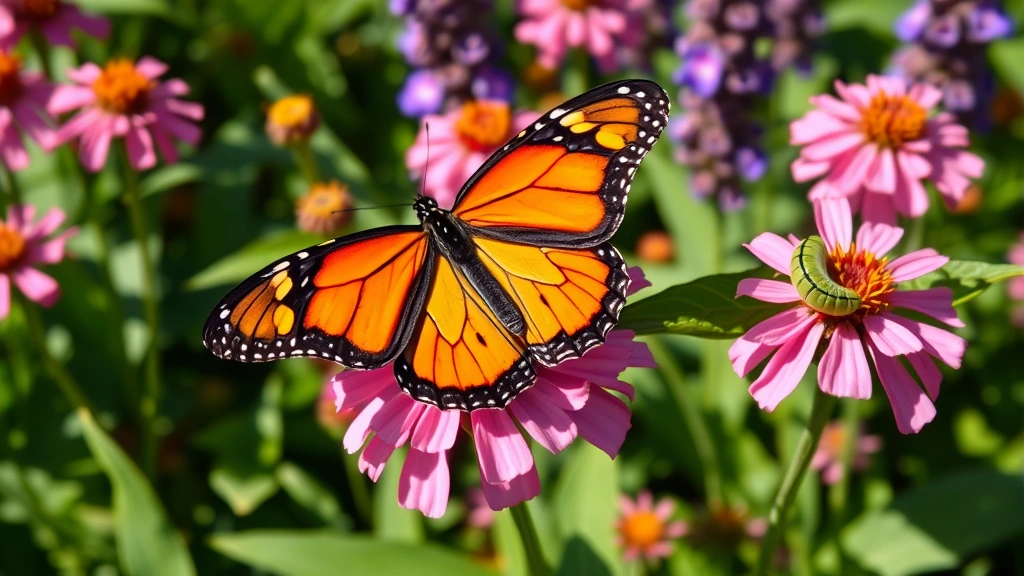
Host plants are the foundation of any butterfly garden. These are the plants where female butterflies lay their eggs, providing food for emerging caterpillars. Different butterfly species require specific host plants. The Monarch butterfly, for example, exclusively uses milkweed plants as host plants—without milkweed, Monarchs cannot complete their life cycle in your garden.
Milkweed varieties form the cornerstone of butterfly gardens across North America. Common milkweed (Asclepias syriaca), showy milkweed (Asclepias speciosa), and butterfly milkweed (Asclepias tuberosa) are excellent choices depending on your region. Plant milkweed in clusters of at least three plants to ensure caterpillars have sufficient food sources. These hardy perennials thrive in most soil conditions and require minimal maintenance once established.
Beyond milkweed, research other host plants for regional butterfly species. Swallowtail butterflies lay eggs on plants in the citrus and parsnip families, including parsley, dill, fennel, and rue. Black Swallowtails particularly favor easy-to-grow vegetables and herbs like parsley, making it simple to incorporate host plants into an edible garden. Mourning Cloak butterflies prefer willow, elm, and aspen trees. Viceroy butterflies use willows and poplars as host plants.
When selecting host plants, avoid treated plants or those grown with pesticides. Systemic insecticides are particularly harmful to caterpillars and can devastate your butterfly population before it develops. Organic gardening practices are essential for maintaining a healthy butterfly ecosystem.
Nectar Plants That Attract Adult Butterflies
While host plants sustain caterpillars, nectar plants provide essential energy for adult butterflies. These flowering plants should bloom at different times throughout the growing season to ensure continuous food availability. A well-planned butterfly garden features plants blooming from early spring through fall, supporting butterflies during migration periods and breeding season.
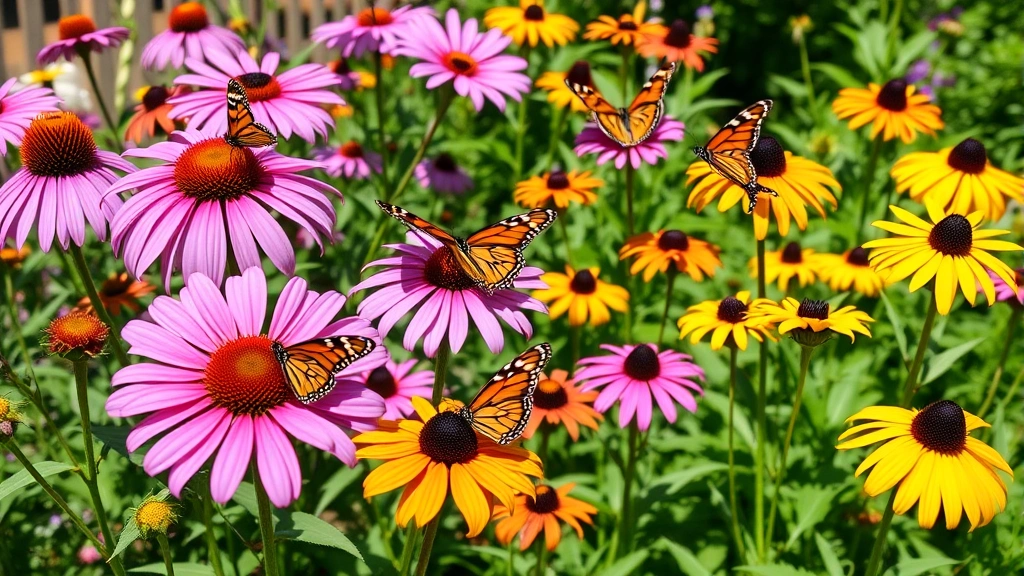
Native wildflowers represent the best nectar sources for butterflies. Coneflowers (Echinacea), black-eyed Susans (Rudbeckia), zinnias, cosmos, and verbena are excellent choices that attract numerous butterfly species. Asters provide crucial late-season nectar when butterflies prepare for migration or hibernation. Blazing star (Liatris) creates impressive vertical interest while attracting Swallowtails and Monarchs.
Butterfly bushes (Buddleia) are popular ornamental plants known for their butterfly-attracting properties, though some varieties are considered invasive in certain regions. Check local regulations before planting. If Buddleia is problematic in your area, focus on native alternatives like New England aster, Joe-Pye weed, or ironweed, which provide similar benefits without invasive tendencies.
When selecting nectar plants, choose varieties with different bloom times and flower shapes. Butterflies have varying proboscis lengths, so offering flowers with different structures—clustered flowers, flat flower heads, and tubular blooms—ensures multiple species can feed. Purple coneflowers, flat-topped asters, and tubular salvias create a diverse buffet that attracts numerous butterfly species throughout the season.
Incorporate native shrubs and small trees that produce flowers attractive to butterflies. Serviceberry, witch hazel, and viburnum provide spring nectar sources when food is scarce. Buttonbush blooms in summer, offering bright pompom flowers that butterflies find irresistible. These woody plants also provide shelter and protection for butterflies during inclement weather.
Garden Design and Layout Strategies
Successful butterfly garden design balances aesthetics with ecological function. Group plants by bloom time and color to create visual impact while ensuring year-round nectar availability. Plant host plants and nectar plants in clusters rather than scattered individually—butterflies locate food sources more efficiently when plants are grouped, and caterpillars benefit from concentrated feeding opportunities.
Consider building a raised garden bed to improve drainage and soil quality, particularly if your native soil is compacted or poorly draining. Raised beds allow you to customize soil composition, creating ideal growing conditions for both native wildflowers and cultivated nectar plants. This approach works particularly well in urban gardens or spaces with limited ground area.
Sunlight is critical for butterfly gardens. Most nectar plants require six to eight hours of direct sunlight daily. Host plants also perform better in sunny locations, though some species tolerate partial shade. Assess your garden’s sun exposure throughout the day before selecting plant locations. South and west-facing areas typically receive the most intense sunlight, while north-facing areas remain shadier.
Design your garden with layering in mind. Create vertical interest by combining groundcover plants, mid-height perennials, and taller shrubs or small trees. This structure provides multiple levels where butterflies can feed, rest, and shelter. Tall plants offer wind protection for delicate butterflies, while lower plants provide accessible nectar sources for smaller species.
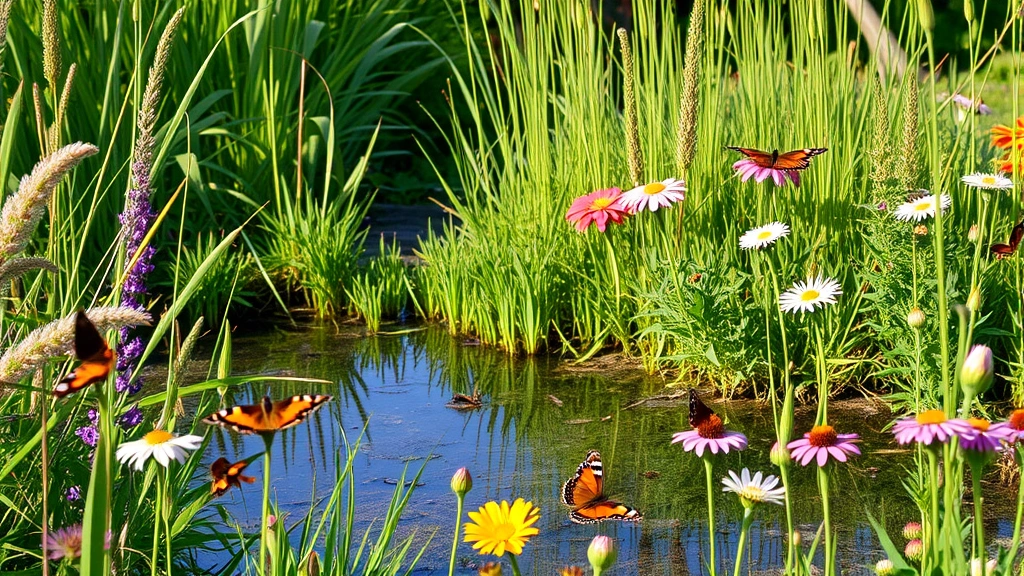
Leave some areas unmulched or with minimal mulch. Butterflies need bare soil for puddling, a behavior where they extract minerals and moisture from wet soil. Create a shallow depression and keep it consistently moist to provide this essential resource. Puddling areas become popular gathering spots, especially during hot weather.
Water and Shelter Requirements
Water is essential in butterfly gardens, serving multiple purposes beyond basic plant hydration. Butterflies require water to survive, and they obtain it through puddles, wet soil, and plant moisture. Maintain a shallow water source by creating a puddling area with sand, gravel, or soil that you keep consistently moist. Butterflies prefer these shallow, muddy spots to deep water sources.
Shelter protects butterflies from wind, heavy rain, and extreme temperatures. Dense plantings of shrubs and perennials provide refuge during storms and cold nights. Evergreen plants offer year-round shelter, while deciduous plants provide summer protection. Leave some dead plant material in place during winter—fallen leaves and dried stems create protected spaces where butterflies overwinter or pupate.
Provide shelter structures like butterfly houses or bee hotels. While commercial butterfly houses have mixed effectiveness, they contribute to overall garden structure and can provide emergency shelter. More importantly, natural shelter from plants creates a genuinely butterfly-friendly environment. Avoid pruning too aggressively in fall and winter, as you’ll remove critical shelter.
Wind protection significantly impacts butterfly activity. Butterflies are weak fliers and struggle in windy conditions. Strategic placement of shrubs, fences, or trellises creates windbreaks that increase butterfly comfort and visibility in your garden. These barriers also make your garden more pleasant for observation and photography.
Seasonal Care and Maintenance
Spring butterfly garden care focuses on preparing plants for the growing season. Remove winter mulch gradually to allow soil to warm. Divide overcrowded perennials and add compost or organic matter to improve soil structure. Add coffee grounds to acidify soil for plants that prefer lower pH. Begin watering as new growth emerges, ensuring consistent moisture without waterlogging.
Summer maintenance emphasizes deadheading spent flowers to encourage continuous blooming. Remove faded blossoms regularly, but leave some flowers on host plants to go to seed—these seeds provide food for birds and create natural plant propagation. Water deeply during dry periods, focusing on newly planted specimens and container plants. Monitor for pest infestations, using organic methods exclusively to protect caterpillars and adult butterflies.
Fall care prepares your garden for winter while supporting migrating butterflies. Reduce deadheading in late summer and fall, allowing plants to produce seeds that provide food for butterflies preparing for migration. Leave seed heads on coneflowers, black-eyed Susans, and other plants throughout winter. These seeds attract goldfinches and other birds while providing visual interest during dormant months.
Winter maintenance involves minimal intervention. Resist the urge to clean up completely—fallen leaves, dried stems, and seed heads provide critical shelter and food sources. Leave plant material in place until late spring. Only remove dead branches that pose safety hazards or severely diseased material that might spread pathogens.
Year-round practices include avoiding pesticides and herbicides. These chemicals harm caterpillars, adult butterflies, and their food plants. Embrace organic gardening methods, tolerating minor pest damage as part of supporting your butterfly population. Hand-pick problematic insects if necessary, but remember that many insects support the food chain that sustains birds and other beneficial wildlife.
Common Mistakes to Avoid
One of the most common butterfly garden mistakes is planting only nectar sources without host plants. Gardens filled exclusively with ornamental flowers may attract visiting butterflies but won’t support breeding populations. Commit to including adequate host plants, even if they’re less aesthetically refined than traditional ornamentals.
Another frequent error involves using pesticides or herbicides. Many gardeners apply chemicals to control aphids, weeds, or other pests without realizing these products kill caterpillars and damage the plants butterflies depend on. Accepting minor pest damage and imperfect plant appearance is necessary for butterfly conservation. Organic pest management preserves the delicate ecosystem you’re cultivating.
Planting non-native ornamental varieties instead of native species reduces your garden’s effectiveness. Hybridized double-flowered varieties often lack accessible nectar, and non-native plants may not provide adequate nutrition for caterpillars. Prioritize native species, which have evolved alongside local butterfly populations and offer superior ecological value.
Failing to provide water sources leaves butterflies stressed and vulnerable. Even experienced gardeners sometimes overlook this essential requirement. Incorporate multiple water sources, including puddling areas and shallow basins, ensuring butterflies have consistent access to hydration.
Over-pruning and excessive tidiness destroy butterfly habitat. While aesthetic preferences vary, leaving some wild areas with fallen leaves, dried stems, and unmulched soil creates essential shelter and overwintering sites. Balance garden aesthetics with ecological function by designating specific areas for natural plant material.
Selecting plants solely based on beauty without considering bloom timing creates gaps in nectar availability. Plan your plantings to ensure flowers bloom from spring through fall, supporting butterflies throughout the season. Stagger plantings and select species with different bloom times to maintain continuous food sources.
FAQ
What’s the best time to start a butterfly garden?
Spring is ideal for establishing butterfly gardens in most regions. This gives plants time to establish roots before summer heat and provides butterflies with adequate food sources throughout the growing season. Fall planting works for many perennials, particularly in southern regions where spring arrives early. Avoid winter planting in cold climates where newly planted specimens won’t survive freezing temperatures.
How large does a butterfly garden need to be?
Butterfly gardens can be any size, from small containers on patios to extensive landscape installations. Even a 4×4 foot raised bed can support butterfly populations when planted strategically. Container gardens work well for apartment dwellers, though ground-level gardens provide more space for diverse plantings. The key is selecting appropriate plants and maintaining them consistently, regardless of garden size.
Can I have a butterfly garden in a small space?
Absolutely. Container gardens, windowsill planters, and small raised beds successfully support butterflies. Focus on compact plant varieties and ensure consistent water availability. Even a small collection of milkweed and nectar plants attracts butterflies and supports their life cycles. Urban gardens and balcony spaces benefit from strategic planting and careful plant selection.
How do I attract specific butterfly species?
Research native butterflies in your region and identify their host plant preferences. Monarchs require milkweed; Swallowtails prefer citrus and parsley family plants; Fritillaries need violet species. Plant these specific host plants alongside appropriate nectar sources, and you’ll attract targeted species. Local extension services and native plant societies provide region-specific guidance for attracting particular butterflies.
Should I use butterfly house structures?
Commercial butterfly houses have limited proven effectiveness, though they add visual interest and may provide emergency shelter. Natural shelter from dense plantings is far more valuable than artificial structures. Focus resources on planting appropriate vegetation rather than purchasing butterfly houses. Well-designed gardens with adequate plant material provide superior shelter and habitat.
Can I grow butterfly gardens in containers?
Yes, container gardens work well for butterfly gardening, particularly in urban settings. Use large containers (at least 12 inches deep) filled with quality potting soil. Select compact plant varieties and ensure consistent watering, as containers dry quickly. Container gardens require more frequent watering than in-ground gardens but offer flexibility in placement and design.
How do I prevent butterfly predators?
Accept that predation is natural. Birds, spiders, and other insects hunt butterflies as part of normal ecosystem function. Providing shelter through dense plantings reduces predation risk. Avoid removing spiders and other predators, as they control pest populations while supporting food chains. Balance predator-prey relationships creates healthy gardens where butterflies thrive despite natural predation.
What should I do about caterpillars on my plants?
Leave caterpillars alone! They’re the whole point of butterfly gardening. Resist the urge to remove or treat them with pesticides. Caterpillars eating leaves indicates your garden is functioning correctly. Some leaf damage is acceptable when you’re supporting butterfly populations. If plant damage concerns you, plant extra host plants specifically for caterpillars.
Can I use fresh-cut flowers from my butterfly garden indoors?
Absolutely! Harvest flowers in early morning when butterflies are less active. Cut flowers at the base of stems and bring them indoors for arrangements. Leaving some flowers unharvested ensures adequate nectar sources for butterflies. Balance cutting with maintaining sufficient blooms for pollinators. Your butterfly garden can provide beautiful cut flowers while supporting butterfly populations.
Do I need to fertilize butterfly garden plants?
Most native plants require minimal fertilization once established. Over-fertilizing promotes excessive foliage at the expense of flowers and can attract pests. Amend soil with compost or organic matter annually for plant nutrition. If soil is particularly poor, apply balanced organic fertilizer sparingly in spring. Most butterfly-friendly plants thrive in average soil conditions without supplemental feeding.
How do I maintain my butterfly garden if I travel?
Establish a strong foundation before traveling. Mulch plants to retain soil moisture and reduce watering frequency. Choose drought-tolerant native species that survive occasional missed waterings. Ask neighbors to water during extended absences, or install drip irrigation systems for consistent moisture. Well-established gardens handle brief neglect better than newly planted gardens.
What’s the relationship between garden hose maintenance and butterfly gardening?
Proper hose maintenance ensures efficient watering for your butterfly garden. A well-maintained hose delivers water consistently without leaks, reducing water waste and ensuring plants receive adequate moisture. Inspect hoses regularly for damage and repair promptly to maintain reliable watering systems that support plant health and butterfly habitat.


