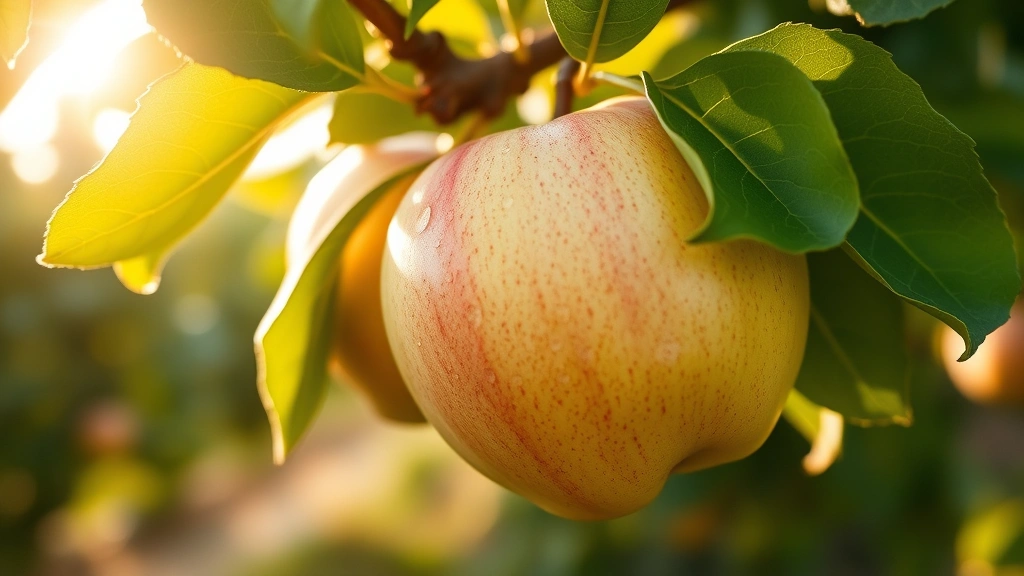
Apple Trees in New Jersey: Expert Planting Guide for Home Gardeners
New Jersey’s diverse climate zones and rich agricultural heritage make it an excellent location for growing apple trees. Whether you’re in the northern highlands or the southern coastal plains, you can successfully cultivate apple varieties that thrive in the Garden State. This comprehensive guide walks you through everything from selecting cold-hardy cultivars to managing pests and harvesting your homegrown apples.
Growing apples in New Jersey requires understanding your specific hardiness zone, soil conditions, and the microclimates within your yard. The state spans USDA zones 6a to 7b, meaning most apple varieties will flourish with proper care. Unlike tropical fruits, apples need winter chilling hours to produce fruit, and New Jersey’s climate provides exactly what these trees demand. With strategic planning and attention to variety selection, you’ll enjoy crisp, flavorful apples for years to come.
Best Apple Varieties for New Jersey
Selecting the right apple variety is crucial for success in New Jersey. The state’s climate supports both disease-resistant modern cultivars and classic heritage varieties. Honeycrisp apples are popular for their crisp texture and sweet-tart flavor, though they require careful management to prevent splitting during heavy rains. Gala and Fuji varieties perform exceptionally well in central and northern New Jersey, offering reliable yields and excellent eating quality.
For disease resistance, consider Liberty, Priscilla, or Enterprise varieties, which show strong resistance to apple scab and cedar-apple rust—two common fungal diseases in the Northeast. Granny Smith and Pink Lady work well in southern New Jersey where winters are slightly milder. Most apple varieties require cross-pollination, so plant at least two compatible varieties within 50 feet of each other for optimal fruit set.
Heritage varieties like Baldwin, Northern Spy, and Winesap have been grown in New Jersey for generations and offer proven cold hardiness. Check with Rutgers New Jersey Agricultural Experiment Station for region-specific variety recommendations tailored to your county’s microclimate.
Site Selection and Soil Preparation
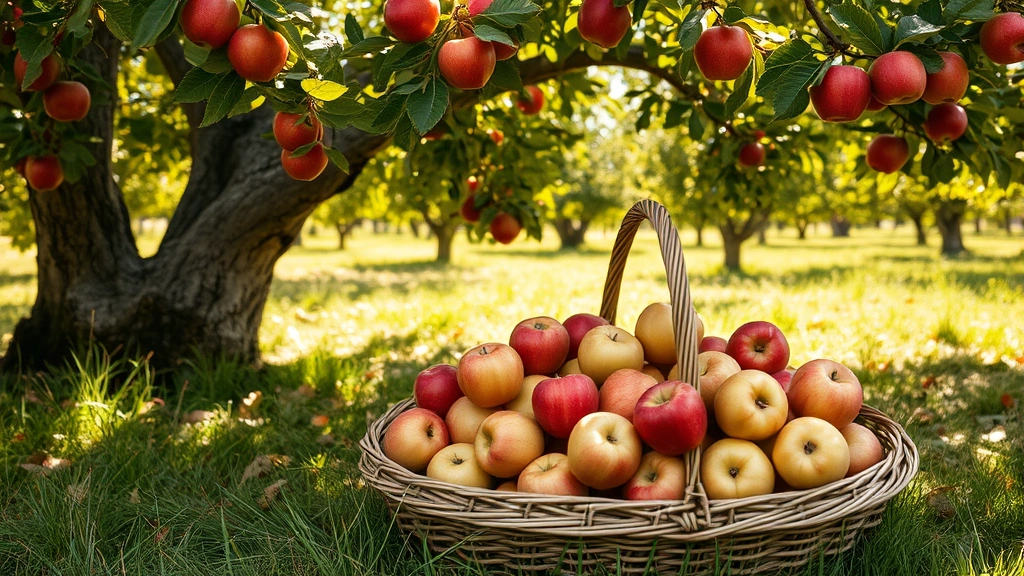
Apple trees demand full sunlight—at least 6-8 hours daily—to produce abundant fruit and develop strong branch structure. Choose a location with excellent air circulation to minimize fungal disease pressure. Avoid low-lying areas where cold air settles in spring, as late frosts can damage blossoms. South-facing slopes are ideal in New Jersey’s climate, as they warm earlier in spring and reduce frost risk.
Soil preparation is foundational to apple tree success. Apple trees prefer slightly acidic soil with a pH between 6.0 and 7.0. Conduct a soil test through your local Rutgers Cooperative Extension office to determine pH, nutrient levels, and organic matter content. Most New Jersey soils benefit from adding 2-3 inches of compost worked into the planting area. Ensure excellent drainage—apple trees cannot tolerate waterlogged conditions and will develop root rot in poorly draining clay soils.
If your soil is heavy clay, amend it generously with aged compost, peat moss, or coconut coir. Create a raised mound or berm if drainage is severely compromised. Break up compacted soil at least 18 inches deep and 3 feet wide around the planting location. This preparation work pays dividends throughout your tree’s productive lifespan.
Planting Your Apple Trees
The best time to plant apple trees in New Jersey is late fall (October-November) or early spring (March-April) when trees are dormant. Bare-root trees planted in spring often establish better than fall-planted stock, though fall planting gives roots more time to develop before summer stress. Container-grown trees can be planted through summer if watered consistently.
Dig a planting hole slightly wider than the root ball but no deeper than the soil line on the trunk. Apple trees grafted onto dwarfing rootstocks should have the graft union planted 2 inches above soil level to prevent suckering. Backfill with amended soil, firming gently to eliminate air pockets. Water thoroughly after planting and apply 3-4 inches of mulch, keeping it 6 inches away from the trunk to prevent rot and rodent damage.
When selecting tools in the garden for planting, invest in a quality shovel and spading fork for soil preparation. Proper planting depth and technique establish your trees for decades of productivity. Stake young trees in windy locations to prevent root damage during establishment. Remove stakes after the first year once the tree develops sufficient root anchorage.
Space standard-size trees 25-30 feet apart, semi-dwarf varieties 15-20 feet apart, and dwarf varieties 8-12 feet apart. This spacing ensures adequate light penetration and air circulation as trees mature. In limited spaces, consider high-density planting with dwarf rootstocks, which can be spaced as close as 6-8 feet apart in commercial operations.
Watering and Nutrient Management
Newly planted apple trees require consistent moisture during their first growing season. Water deeply 2-3 times weekly during dry periods, providing 1-2 inches of water per week. Once established after year two, mature trees are relatively drought-tolerant but produce better fruit with regular irrigation during flowering and fruit development stages.
Apply water at the drip line rather than near the trunk to encourage deep root development. Drip irrigation or soaker hoses deliver water more efficiently than overhead sprinklers and reduce fungal disease pressure on foliage. Mulch helps retain soil moisture and moderates soil temperature—essential for consistent fruit production.
Nutrient management varies by soil test results, but most New Jersey apple trees benefit from balanced fertilization. Apply a slow-release fertilizer formulated for fruit trees in early spring as growth begins. Avoid excessive nitrogen, which promotes vegetative growth at the expense of fruiting. The New Jersey Department of Agriculture offers guidelines for nutrient management in home orchards.
Foliar sprays of micronutrients like zinc and boron can enhance fruit set and prevent physiological disorders. However, soil-applied nutrients are generally more effective and longer-lasting. Have your soil tested every 3-4 years to monitor nutrient status and adjust applications accordingly.
Pruning and Training Techniques
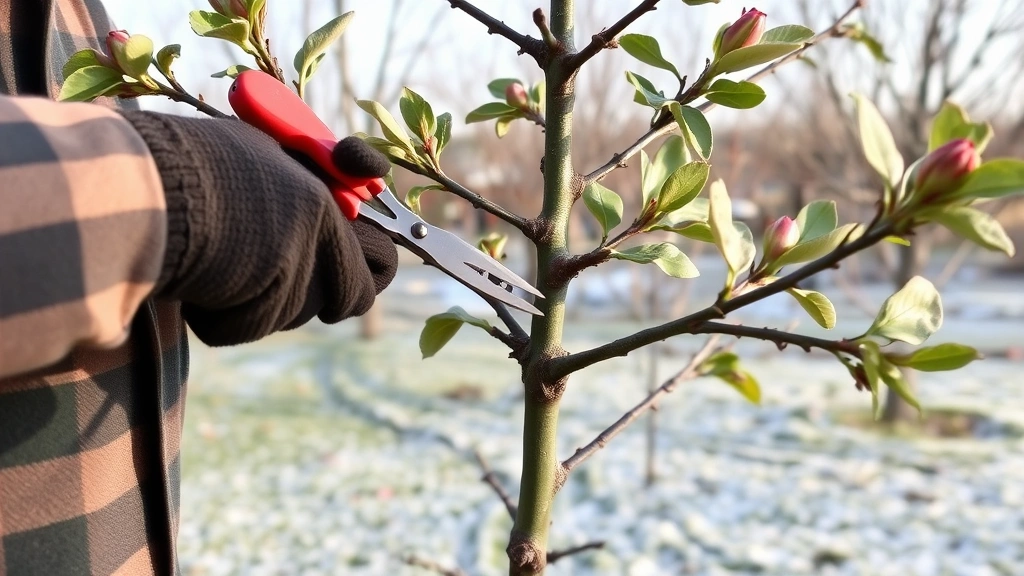
Proper pruning establishes strong tree structure, maximizes sunlight penetration, and facilitates pest management. Begin pruning young trees in their first dormant season to establish a central leader or open-center framework. The central leader system works well for most New Jersey home orchards, with 3-4 main scaffold branches radiating from the trunk at 45-degree angles.
Remove crossing branches, those growing inward, and any lower branches that will interfere with mowing or equipment. Thin crowded branches to improve light distribution throughout the canopy. Mature trees require annual maintenance pruning to remove dead wood, diseased branches, and excessive growth.
Prune apple trees in late winter (February-March in New Jersey) before growth begins. Make cuts just outside the branch collar to promote proper healing. Remove no more than 20-25% of the canopy in a single year to avoid stress. When using garden tools for pruning, keep equipment sharp and disinfected to prevent disease transmission between trees.
Summer pruning can redirect growth and reduce excessive vegetative vigor. Pinch back new shoots in mid-summer to encourage branching and fruit bud formation. This technique is particularly useful for young trees to establish dense, productive frameworks. Avoid heavy pruning in summer, as it reduces photosynthetic capacity and can stress trees.
Pest and Disease Management
New Jersey’s humid climate creates favorable conditions for apple scab, powdery mildew, and cedar-apple rust. Prevention through site selection, variety choice, and cultural practices is more effective than reactive treatments. Ensure adequate air circulation by pruning out dense growth and spacing trees appropriately. Remove fallen leaves and fruit debris where fungal spores overwinter.
Common insect pests include codling moths, apple maggots, and sawflies. Codling moth larvae tunnel into developing fruit, causing wormy apples. Monitor traps placed in trees starting in mid-June help time organic or conventional pesticide applications. Remove and destroy infested fruit promptly to reduce pest populations.
Integrated Pest Management (IPM) combines multiple strategies for effective, environmentally sound control. Thin fruit to 6-8 inches apart in early summer to reduce hiding places for pests and improve fruit size. Apply bagging techniques using small paper or mesh bags around developing fruit to exclude insects.
Contact your local Rutgers Cooperative Extension office for current recommendations on organic and conventional pesticides registered for apples in New Jersey. Extension specialists provide seasonal spray schedules tailored to local pest pressure and weather conditions. Disease-resistant varieties eliminate many spray applications entirely.
Bacterial fire blight can cause devastating damage in New Jersey, particularly during warm, wet springs. Prune out affected branches immediately, disinfecting tools between cuts. Avoid excessive nitrogen fertilization, which promotes the tender new growth fire blight favors. Choose resistant varieties when possible.
Harvesting and Storage
Apple ripeness varies by variety and intended use. Eating apples should be fully ripe—they’ll detach easily from the branch with a gentle twist. Cooking apples can be harvested slightly earlier. In New Jersey, early varieties like Gala ripen in late August, while late varieties like Granny Smith may not peak until October.
Handle apples gently during harvest to prevent bruising, which reduces storage life and quality. Place apples in padded containers rather than dropping them into buckets. Harvest in the cool morning hours when fruit is firmest. Check trees every 7-10 days as harvest season progresses, as fruit ripens sequentially.
Store apples in a cool location—ideally 32-40°F with 85-95% relative humidity. A basement, root cellar, or refrigerator works well for home quantities. Many apple varieties store for weeks to months under proper conditions. Keep apples away from ethylene-producing fruits like bananas and pears, as ethylene accelerates ripening and deterioration.
Properly stored apples maintain quality through winter, providing fresh homegrown fruit through the holidays and into spring. Try different varieties to find your preferred eating and cooking apples. Keep records of ripening dates and storage performance to guide future management decisions.
FAQ
Can I grow apples in southern New Jersey’s warmer zones?
Yes, but select low-chill varieties like Gala, Fuji, and Anna that require fewer than 500 chill hours. Southern New Jersey’s zone 7b climate still supports most standard varieties, though heat stress can reduce fruit quality. Provide afternoon shade in very hot locations and ensure consistent irrigation.
Do I need two apple trees for pollination?
Most apple varieties require cross-pollination with a compatible variety blooming at the same time. Plant at least two different varieties within 50 feet of each other. Some crab apples also provide suitable pollen. A few varieties like Granny Smith are self-fertile but produce better with cross-pollination.
What’s the difference between dwarf, semi-dwarf, and standard apple trees?
These terms refer to rootstock size. Dwarf trees (8-12 feet) fruit earlier and are easier to manage. Semi-dwarf trees (15-20 feet) offer a balance of productivity and manageability. Standard trees (25-30 feet) are more long-lived and vigorous but require more space and ladder work. Choose based on your available space and physical ability.
How long before my apple tree produces fruit?
Dwarf trees often produce light crops in 2-3 years and full production by year 4-5. Semi-dwarf trees typically begin fruiting in 3-4 years, while standard trees may take 5-8 years. Proper pruning and care accelerate production timelines. Patience is rewarded with decades of harvests.
What causes my apples to drop prematurely?
June drop is a natural thinning process where trees shed excess fruit. However, excessive dropping indicates stress—usually from inadequate water, nutrient deficiency, or pest pressure. Ensure consistent irrigation during fruit development and address pest issues promptly. Thin remaining fruit to optimize size and quality.
Can I use an expandable garden hose for irrigating my apple trees?
Yes, expandable hoses work well for moving water around your orchard, though drip irrigation or soaker hoses deliver water more efficiently to the root zone. Expandable hoses are convenient for filling watering cans or connecting to sprinklers during establishment and dry periods.
Are there apple varieties specifically adapted to New Jersey’s climate?
While most commercial varieties grow well in New Jersey, Liberty, Priscilla, and Enterprise show exceptional disease resistance to our humid conditions. Baldwin and Northern Spy are heritage varieties with proven performance throughout the state. Consult Rutgers Cooperative Extension for county-specific variety trials and recommendations.
How do I prevent deer from damaging my apple trees?
Deer browse young trees and rub antlers on trunks, causing severe damage. Install 8-foot fencing around individual trees or your entire orchard. Tree guards made from plastic or hardware cloth protect trunks from rubbing damage. Repellents provide temporary protection but require reapplication. Fencing is the most reliable long-term solution.


