Weather Impact on Gardening in City? Expert Insights
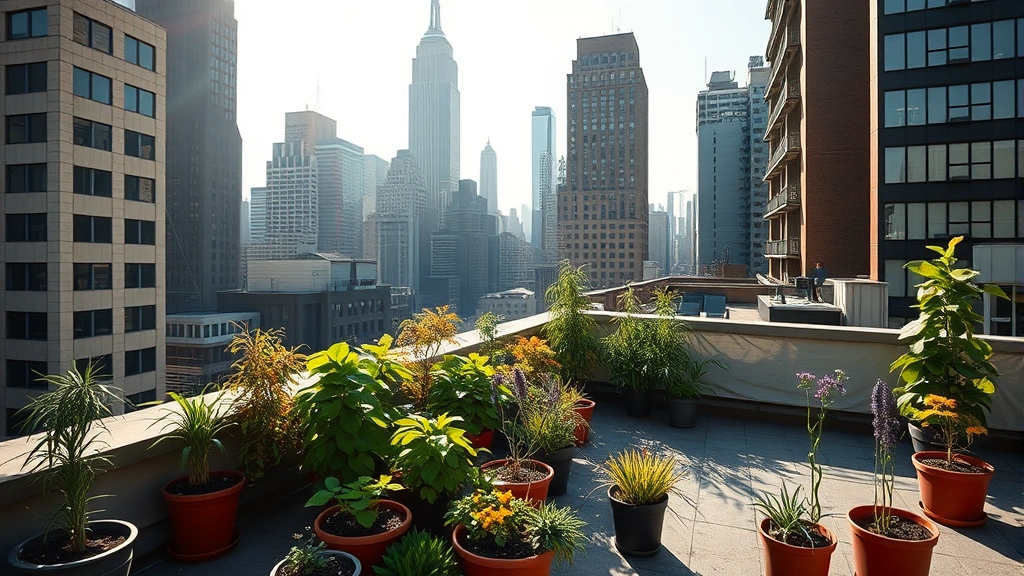
Urban gardening presents unique challenges, particularly when it comes to managing weather patterns in densely populated areas like New York City. The urban heat island effect, combined with unpredictable seasonal weather swings, creates a complex microclimate that differs significantly from suburban or rural gardens. City gardeners must understand how concrete, buildings, and pollution affect temperature, humidity, and precipitation patterns to successfully grow plants in limited spaces.
Whether you’re tending a rooftop garden, container plants on a balcony, or a small community garden plot, weather management is essential for thriving plants. This guide explores how urban weather impacts your garden and provides practical strategies to protect your plants year-round while maximizing your growing season in the city.
Understanding Urban Microclimate
The urban heat island effect is one of the most significant weather factors affecting city gardens. Buildings, asphalt, and concrete absorb and retain heat throughout the day, releasing it at night and creating temperatures 5-10 degrees Fahrenheit higher than surrounding suburban areas. This means your New York City garden experiences a warmer microclimate than nearby rural regions, which can extend your growing season but also create stress during heat waves.
Urban gardens also receive less direct sunlight due to tall buildings and structures blocking rays for portions of the day. Most city plots receive 4-6 hours of direct sun rather than the ideal 6-8 hours. Additionally, air circulation is restricted by buildings, creating pockets of stagnant air that trap moisture and increase disease pressure. Understanding these microclimate variations helps you select appropriate plants and position garden structures strategically.
Pollution and air quality also impact urban gardens. Dust, soot, and particulates settle on leaves, reducing photosynthesis efficiency. Regular foliar rinsing with water helps keep plants healthy and productive. Choosing hardy, pollution-tolerant species gives you better odds of success in dense urban environments.
Seasonal Weather Challenges
Spring in the city brings unpredictable temperature swings that catch many gardeners off guard. Late frost can damage tender seedlings planted too early, so waiting until soil temperatures consistently reach 50°F is crucial. Use elevated garden beds to warm soil faster in spring, as they heat more quickly than ground-level gardens.
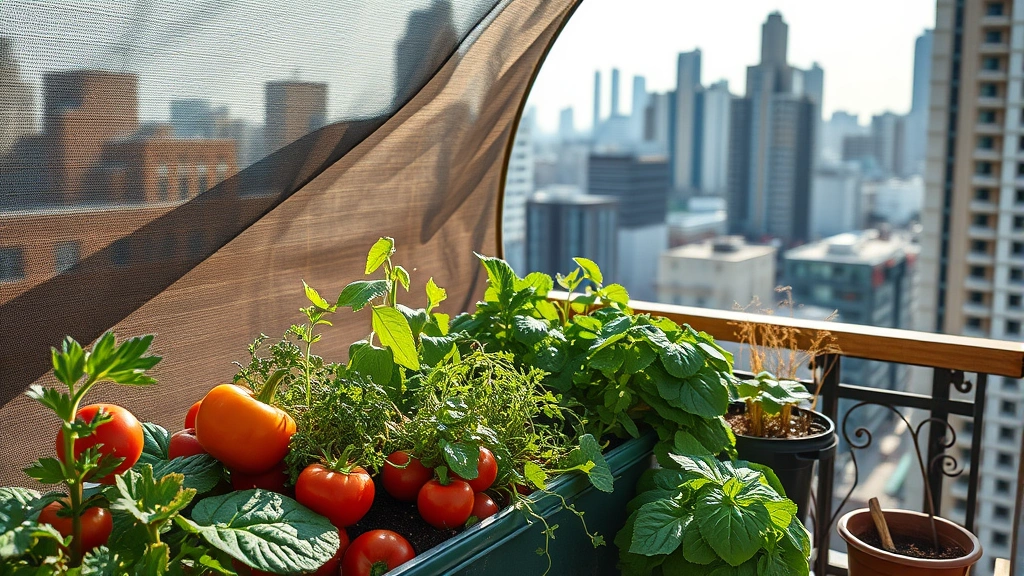
Summer presents intense heat stress, particularly for container gardens and rooftop installations where soil temperatures can exceed 90°F. Afternoon shade cloth and consistent watering become non-negotiable. Urban humidity during summer months can create ideal conditions for fungal diseases like powdery mildew and blight, requiring vigilant monitoring and proper spacing between plants.
Fall weather in the city can be deceptively variable. Early cold snaps may occur before plants harden off properly, while Indian summer conditions might extend growth periods unexpectedly. Autumn rains are generally beneficial, but excessive moisture increases disease risk. Plan succession plantings strategically to maximize harvests before the first hard freeze, typically arriving in late October in NYC.
Winter weather challenges include freeze-thaw cycles that damage container plants and heave perennials out of soil. Snow and ice accumulation on buildings can create dangerous conditions, requiring protective measures for rooftop gardens. Many city gardeners transition to cold frames, row covers, or move tender plants indoors during winter months.
Wind and Exposure Issues
Rooftop and balcony gardens face extreme wind exposure that ground-level gardens never experience. Wind desiccates foliage, damages tender growth, and can topple unsecured containers. Tall buildings create wind tunnels that accelerate air movement, increasing evaporation rates dramatically. Plants in exposed locations require more frequent watering and benefit from windbreak protection.
Install trellises, screens, or sturdy fencing to reduce wind velocity. Consider vertical garden structures that provide wind protection while maximizing growing space. Grouping containers together creates natural barriers that reduce individual plant exposure. Choose compact, wind-hardy varieties rather than tall, delicate species that topple easily.
Wind also increases salt spray damage in coastal cities. Choose salt-tolerant plants and rinse foliage regularly to remove salt deposits. Evergreen shrubs and trees provide excellent windbreaks for subsequent seasons.
Temperature Fluctuations
Urban gardens experience more extreme temperature swings than surrounding areas due to the heat island effect combined with sudden weather changes. Spring and fall present the most challenging periods, with daytime highs differing dramatically from nighttime lows. This stress weakens plants and increases susceptibility to pests and diseases.
Hardening off transplants gradually by exposing them to outdoor conditions over 7-10 days helps plants acclimate to temperature extremes. Start with 1-2 hours of outdoor exposure, gradually increasing duration and intensity. This process strengthens cell walls and prepares plants for urban weather stresses.
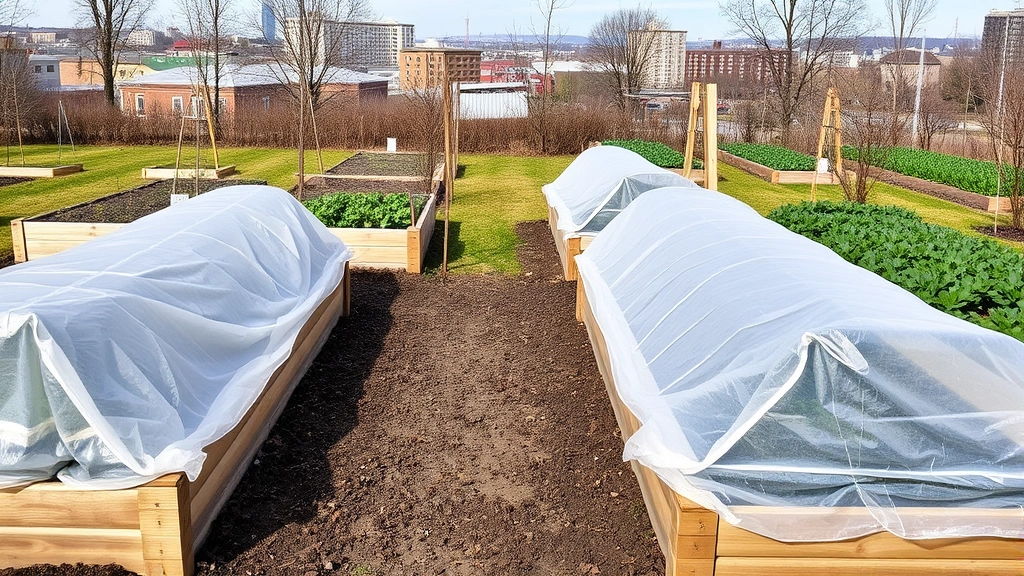
Use row covers, frost blankets, or cold frames to protect vulnerable plants during temperature dips. Wall-mounted water features or dark-colored garden stones absorb daytime heat and release it gradually at night, moderating temperature swings. Mulching heavily insulates soil and roots from temperature extremes.
Monitor weather forecasts obsessively during shoulder seasons. Many city gardeners maintain emergency protective measures ready for sudden cold snaps or unexpected heat waves. Keeping frost cloth and shade cloth accessible allows rapid deployment when conditions warrant.
Rainfall and Drainage Solutions
Urban gardens often receive adequate rainfall, but distribution can be uneven. Buildings redirect water, creating dry pockets while other areas become waterlogged. Container gardens require consistent supplemental watering because rainfall doesn’t reach potted plants sheltered by eaves or overhang structures.
Poor drainage is a common problem in city gardens, particularly in compacted urban soil. Installing a retractable garden hose provides convenient watering access while maintaining a clean aesthetic. Raised beds with quality drainage layers ensure excess water drains properly, preventing root rot and fungal issues.
Consider the advantages of raised bed gardening for superior drainage control. Raised beds allow you to customize soil composition and ensure water moves through efficiently. This proves particularly valuable in areas with heavy clay soil or poor drainage infrastructure.
Rainwater harvesting systems capture runoff from roofs and building surfaces for later use. Barrels and cisterns store water during rainy periods for use during dry spells, reducing reliance on municipal water supplies while providing plants with chlorine-free water. Some cities offer incentives for rainwater harvesting installations.
Excessive rainfall can damage plants through soil saturation and fungal proliferation. Ensure adequate drainage pathways and improve air circulation to prevent disease. Soggy soil encourages root rot, particularly in container plants lacking drainage holes.
Protecting Plants Year-Round
Develop a comprehensive protection strategy addressing each season’s unique challenges. Spring requires frost protection for tender annuals and early-emerging perennials. Keep frost cloth, row covers, and cold frames readily accessible. Delay planting frost-sensitive varieties until soil temperatures warm adequately.
Summer protection focuses on heat and drought management. Install shade cloth over beds receiving intense afternoon sun. Mulch heavily to moderate soil temperatures and reduce watering frequency. Group plants with similar water needs together, creating efficient watering zones. Drip irrigation systems deliver water directly to roots, reducing waste and fungal disease pressure.
Fall protection involves preparing plants for dormancy while protecting late-season growth. Reduce nitrogen fertilization to harden off growth before cold arrives. Clean up fallen debris promptly to eliminate disease vectors. Install protective barriers around vulnerable plants before winter weather arrives.
Winter protection in the city requires special attention due to freeze-thaw cycles. Wrap vulnerable shrubs and trees with burlap to prevent ice damage. Move tender container plants to sheltered locations or indoors. Apply anti-desiccant sprays to evergreens to reduce winter burn from drying winds and sun. Maintain consistent soil moisture but avoid waterlogging, which promotes root rot in dormant plants.
Choosing Weather-Resilient Plants
Select plant varieties proven to thrive in urban conditions and handle weather extremes common to your city. Native plants adapted to local climate patterns require less intervention and tolerate weather stress better than non-native species. Native trees, shrubs, and perennials evolved to handle regional temperature fluctuations, rainfall patterns, and seasonal variations.
Cold-hardy varieties extend your growing season and survive unexpected temperature dips. Choose plants rated for zones colder than your actual location, providing a safety margin for unexpected weather events. Drought-tolerant species handle occasional dry periods when watering becomes difficult.
Compact, low-growing varieties resist wind damage better than tall, delicate plants. Bushy shrubs and spreading groundcovers provide windbreaks while occupying minimal space. Disease-resistant cultivars reduce weather-related fungal and bacterial problems common in humid urban environments.
Container gardening offers flexibility to move plants to optimal microclimates as weather changes. Tender annuals can move indoors during cold snaps or heat waves. Grouping containers allows you to create custom growing conditions for each plant’s needs.
Test new varieties in small quantities before committing significant garden space. Weather patterns vary year to year, and some plants perform better during particularly wet, dry, hot, or cold seasons. Building a diverse plant palette ensures some species thrive regardless of seasonal extremes.
Consult the USDA plant hardiness zone map to verify your location and select appropriately hardy plants. The New York Botanical Garden provides excellent resources specific to NYC growing conditions. Local New York gardening societies offer region-specific guidance and plant recommendations.
Work with your Cornell Cooperative Extension office for expert advice on weather-resilient plant selection and cultivation techniques tailored to New York City conditions. Master gardener programs provide free guidance and training on urban gardening challenges.
FAQ
How does the urban heat island effect impact my garden?
The heat island effect creates temperatures 5-10°F warmer than surrounding areas, extending your growing season but increasing heat stress during summer. Buildings and concrete absorb and release heat, creating microclimates that differ from ground-level gardens. Plan plantings and watering schedules accounting for these elevated temperatures.
What’s the best way to protect container plants from wind damage?
Group containers together to create natural windbreaks, use sturdy stakes for tall plants, install trellises or screens, and choose compact wind-hardy varieties. Rooftop and balcony gardens need particular attention due to extreme wind exposure. Heavy containers resist toppling better than lightweight options.
When should I plant in New York City gardens?
Wait until soil temperatures consistently reach 50°F before planting frost-sensitive annuals, typically mid-to-late May in NYC. Cool-season crops can plant earlier, around mid-April. Fall planting occurs in late August through September for cool-season vegetables. Monitor local frost dates and adjust accordingly based on your specific microclimate.
How often should I water urban container gardens?
Container plants require more frequent watering than ground-level gardens, often daily during hot weather. Check soil moisture regularly—containers dry out faster due to wind exposure and heat absorption. Drip irrigation systems provide consistent moisture while reducing water waste. Mulching container surfaces reduces evaporation rates.
What plants thrive best in shaded city gardens?
Shade-tolerant plants include hostas, ferns, hellebores, shade-tolerant hydrangeas, and flowering groundcovers like vinca. Many herbs tolerate partial shade, including mint, parsley, and cilantro. Leafy greens like lettuce and spinach actually prefer afternoon shade during hot summers. Choose varieties rated for 4-6 hours of indirect sunlight.
How can I improve drainage in my city garden?
Build raised beds with proper drainage layers, amend compacted soil with compost and organic matter, install perforated drainage pipes if necessary, and ensure water moves away from plant roots. Container gardens must have drainage holes. Sloping garden beds slightly encourages water movement away from plant crowns.


